
Choosing the right paint for your creative projects depends on your target surface, desired finish, and how long you want the artwork to last. Whether you are preparing a school poster on cartolina, painting a canvas landscape, or experimenting with delicate illustrations in a sketchbook, the medium you select dictates your entire workflow. Poster paint, watercolor, and acrylic each possess distinct chemical compositions, drying behaviors, and levels of durability that make them suitable for different artistic tasks.
Quick Decision Guide: Which Paint Fits Your Project?
Selecting the ideal paint type can be simplified by looking at your project’s final application, budget, and surface material. Use this quick decision framework to identify the right match for your current creative needs:
- Choose Poster Paint if: You need bold, opaque, matte coverage for large-scale paper projects, school assignments, or temporary posters where cost-effectiveness and easy cleanup are priorities.
- Choose Watercolor if: You want transparent, fluid, and luminous effects for fine art, journaling, or traditional paper illustrations that rely on layering and washes.
- Choose Acrylic Paint if: You need a durable, waterproof, and versatile medium for canvas, wood, fabric, or mixed-media crafts that require permanent adhesion and weather resistance.
Before purchasing your supplies, always verify your specific project requirements, surface type, and display conditions to ensure the paint will perform as expected over time.
Products mentioned in this guide
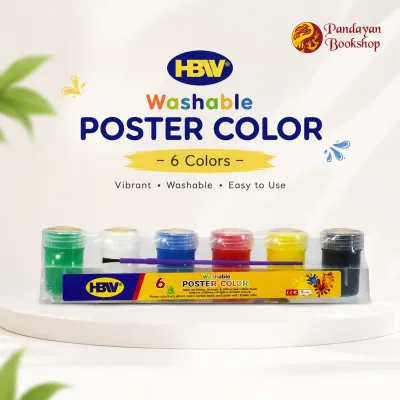
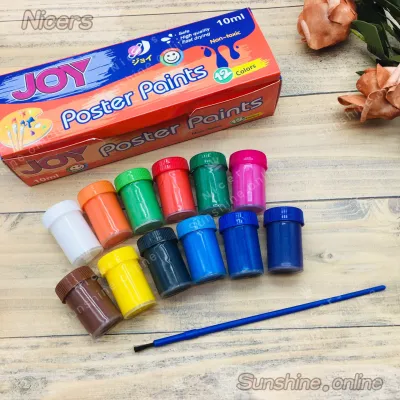
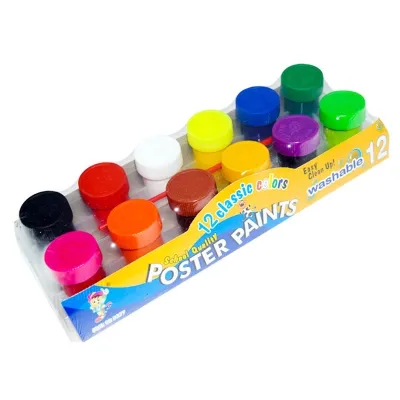
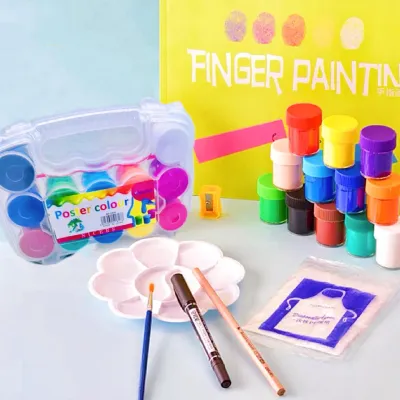
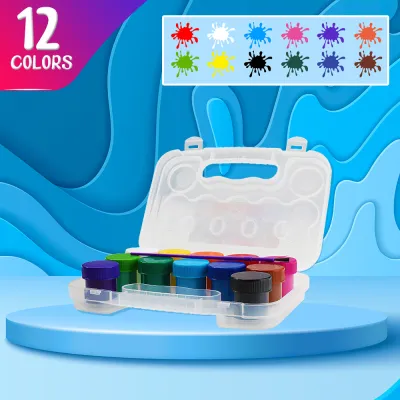
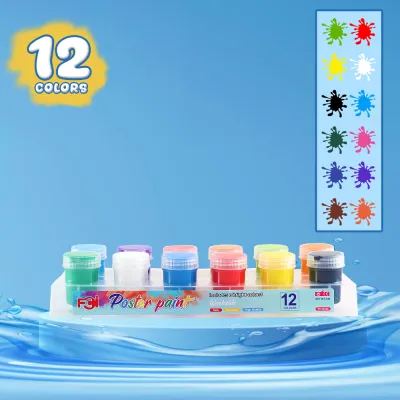
Prices are valid at publication and may change. Please refer to the product page for the latest price.
The Basics: Composition, Texture, and Finish
Understanding the physical characteristics of these three mediums starts with their chemical makeup. The binder used in each paint determines how the pigment behaves on your surface and what the paint feels like during application.

Poster Paint (Opaque and Matte)
Often referred to as tempera or student-grade gouache, poster paint is formulated with a water-soluble binder, such as dextrin or gum arabic, blended with inexpensive pigments and chalky fillers like calcium carbonate. This composition gives the paint a thick, creamy consistency straight from the bottle or tube. When applied, it covers surfaces smoothly and dries to a completely flat, non-reflective, matte finish. Because of its high filler content, it remains opaque, allowing you to layer light colors over dark ones with ease.
Watercolor (Transparent and Fluid)
Unlike poster paint, watercolor uses a highly refined gum arabic binder with finely ground pigments and minimal fillers. This formulation ensures that the paint remains highly transparent and fluid when mixed with water. Rather than sitting on top of the paper as a thick layer, watercolor sinks into the fibers, allowing light to pass through the pigment and reflect off the white paper underneath. This creates a luminous, glowing effect that is characteristic of traditional paper illustrations and delicate washes.
Acrylic Paint (Versatile and Plastic-like)
Acrylic paint consists of pigment suspended in an acrylic polymer emulsion. It has a smooth, buttery texture similar to heavy cream when squeezed from the tube. As the water in the emulsion evaporates, the polymer particles fuse together to form a flexible, water-resistant, plastic-like film. This film can have a satin, semi-gloss, or glossy finish depending on the specific brand and formulation. Once dry, acrylic paint is highly durable and does not crack easily, making it suitable for a wide variety of rigid and flexible surfaces.
How They Perform: Coverage, Drying, and Durability
The way a paint performs during the creative process affects how you blend colors, correct mistakes, and preserve your finished work. Each medium offers distinct advantages and limitations in these areas.
Opacity, Coverage, and Blendability
Poster paint is designed for high opacity, meaning a single layer can completely block out the color of the paper or any underlying paint layers. This makes it highly forgiving for blocking out large shapes and correcting mistakes by simply painting over them. However, because it remains water-soluble, overworking a wet layer on top of an existing dry layer can cause the bottom color to lift and mix with the new paint, resulting in muddy or streaky areas.
Watercolor operates on the opposite principle, relying entirely on transparency. You cannot easily hide mistakes by painting over them with a lighter color; instead, you must plan your composition from light to dark. Soft blending is achieved through wet-on-wet techniques, where paint is applied to damp paper, allowing the colors to bleed and merge naturally. For crisp details, you must wait for the paper to dry completely before applying subsequent layers, a technique known as glazing.
Acrylic paint offers the best of both worlds regarding coverage and layering. It provides excellent opacity, allowing you to easily paint light colors over dark backgrounds once the base layer is dry. Because acrylic dries into a permanent plastic film, applying fresh wet paint on top of a dry layer will not disturb or reactivate the underlying color. This allows for crisp, clean layering and sharp details, though it limits the time you have to blend colors wet-on-wet on the canvas.
Drying Time and Reworkability
The drying time of poster paint and watercolor is relatively fast, typically taking only a few minutes depending on the thickness of the application and the ambient humidity. However, both mediums remain completely water-soluble even after they are dry to the touch. This means you can reactivate the dried paint on your palette or your paper simply by adding water. While this reworkability is excellent for correcting mistakes or softening edges, it also means the finished artwork remains vulnerable to moisture damage.
Acrylic paint dries very quickly, often within ten to thirty minutes for thin layers. Once dry, the chemical transformation is permanent, and the paint becomes completely insoluble in water. You cannot reactivate dried acrylic paint on your palette or your canvas. This rapid drying speed means you must work efficiently when blending colors, but it also allows you to build up multiple layers in a single painting session without waiting hours for the paint to cure.
Surface Adhesion and Durability
Acrylic paint is exceptionally versatile and adheres strongly to almost any porous or semi-porous surface. You can use it on stretched canvas, wooden panels, fabric, unglazed ceramics, stone, and cardboard. Its flexible plastic film resists cracking, peeling, and fading, making it highly durable and suitable for functional items like customized tote bags or outdoor signs that may face environmental exposure.
In contrast, poster paint and watercolor are highly specialized mediums designed almost exclusively for paper, illustration board, and cartolina. Because they dry to a rigid, chalky, or delicate finish, they will crack, flake, or peel if applied to flexible surfaces like fabric or non-porous materials like plastic and glass. Furthermore, because they remain water-soluble, they are highly sensitive to moisture, smudging, and UV exposure, requiring protective framing under glass or a specialized sealant to preserve them over time.
Side-by-Side Paint Comparison
To help you quickly compare the core differences between these three paint types, refer to the summary table below:
| Paint Type | Binder/Base | Opacity | Finish | Reworkability After Drying | Best Surfaces | Water Resistance |
|---|---|---|---|---|---|---|
| Poster Paint | Dextrin / Gum Arabic | High (Opaque) | Matte | Yes (Water-soluble) | Paper, Cartolina, Cardboard | Low |
| Watercolor | Gum Arabic | Low (Transparent) | Matte / Luminous | Yes (Water-soluble) | Watercolor Paper (300+ GSM) | Low |
| Acrylic Paint | Acrylic Polymer Emulsion | High to Medium | Satin / Glossy / Matte | No (Permanent) | Canvas, Wood, Fabric, Stone | High |
Matching the Paint to Your Specific Project
Choosing the right paint is easier when you align the medium’s unique properties with the specific goals of your project.
Best for School Assignments and Posters
For classroom projects, science fair displays, and school posters, poster paint is the undisputed standard. Its high opacity and vibrant colors look striking on standard cartolina, manila paper, and thick illustration boards. Because poster paint is highly cost-effective—often sold in affordable multi-color sets ranging from ₱150 to ₱400—it is ideal for covering large surface areas without breaking the budget. It is also highly forgiving for students, as mistakes can be easily painted over once dry, and any accidental spills on desks or clothing can be washed away with water.
Best for Fine Art and Paper Illustrations
If your goal is to create expressive illustrations, landscape paintings, or detailed journal entries, watercolor is the superior choice. The delicate washes and luminous layers of watercolor allow for a level of subtlety and depth that opaque paints cannot replicate. However, watercolor demands a specific medium to perform correctly; standard printer paper or thin cartolina will warp and pill under the water load. To achieve the best results, you should pair watercolor with dedicated watercolor paper, preferably cold-pressed or hot-pressed paper with a weight of at least 300 GSM (grams per square meter).
Best for Canvas, Wood, and Mixed Media
When your creative vision extends beyond paper, acrylic paint is the necessary tool. If you are painting a stretched canvas to hang on a wall, customizing a canvas tote bag, decorating a wooden sign, or painting clay pots, acrylic’s strong adhesive properties and flexible finish ensure your work will last. Its water-resistant nature makes it perfect for items that will be handled frequently or exposed to the elements. For fabric projects, you can even mix acrylic paint with a specialized fabric medium to ensure the design remains soft and machine-washable without cracking.
Cleanup, Safety, and Storage in a Humid Climate
Proper maintenance, safety checks, and storage habits are essential for protecting your tools and ensuring your paints remain usable for future projects, especially in tropical environments.
Cleanup
While all three paint types are water-soluble when wet, making initial cleanup relatively straightforward, their behaviors diverge once they begin to dry. Poster paint and watercolor can be easily cleaned from brushes, palettes, and hands with simple soap and water, even if the paint has dried. Acrylic paint, however, requires immediate attention. Because it dries into a permanent plastic film, any paint left to dry on your brushes will ruin the bristles permanently. Always keep a jar of water handy while painting with acrylics, and wash your brushes thoroughly with mild soap and warm water immediately after use.
Safety
When selecting art supplies, especially for young children or classroom environments, safety is a primary concern. Always check the packaging for non-toxic certifications, such as the Approved Product (AP) seal from the Art and Creative Materials Institute (ACMI). This certification ensures that the paints do not contain harmful chemicals in quantities toxic to humans. For school supplies, opting for water-based, allergen-free poster paints ensures a safe creative environment for students of all ages.
Storage in Humid Climates
In tropical and highly humid climates like the Philippines, storing art supplies requires extra care to prevent mold growth, bacterial contamination, and premature drying. High humidity can cause water-soluble paints like poster paint and watercolor to develop mold if they are stored in damp conditions. Always wipe the threads of your paint tubes and the rims of your jars with a clean, damp cloth before sealing them tightly to ensure an airtight closure.
Store your paints in a cool, dry place away from direct sunlight and open windows, especially during the rainy season when moisture levels peak. To protect your investment, consider placing your paint tubes and bottles inside a sealed plastic storage container along with a few silica gel packets to absorb excess moisture. Additionally, avoid leaving stagnant water in your rinse jars or mixing palettes for extended periods, as this can quickly become a breeding ground for bacteria and fungi.
Frequently Asked Questions (FAQ)
Can I mix poster paint with acrylic or watercolor?
While you can physically mix these paints on a palette, doing so is generally not recommended for durable or long-lasting artwork. Mixing poster paint with acrylic paint dilutes the acrylic’s polymer binder, which significantly weakens the resulting paint film. This reduction in binder strength makes the dried paint prone to cracking, flaking, and losing its water resistance. Mixing poster paint with watercolor will immediately muddy the watercolor’s natural transparency, destroying the luminous quality of the washes. For the best archival results, keep these mediums separate and use them according to their intended purposes.
Is poster paint waterproof when dry?
No, standard poster paint is not waterproof when dry. Because it uses a water-soluble binder like dextrin, the dried paint remains highly sensitive to moisture. If a finished poster paint project is exposed to high humidity, raindrops, or accidental water spills, the paint will reactivate, smudge, run, or wash away completely. If your project requires moisture protection or will be displayed in an area prone to humidity, you must apply a clear, water-based spray sealant or varnish designed for paper mediums to protect the surface.
How do I prevent mold on my paint tubes in a humid climate?
Preventing mold on paint tubes in a humid climate requires maintaining clean containers and controlling moisture. Always clean the nozzle and cap threads of your paint tubes before closing them to prevent paint buildup from breaking the airtight seal. Store your paint collection in a dedicated, airtight plastic bin equipped with reusable silica gel packets to keep the internal environment dry. During the high-humidity rainy season, avoid storing your art supplies in damp areas of the house, such as laundry rooms or near open windows, to minimize exposure to airborne mold spores.
Community discussion
Share your experience or ask a question. Comments are reviewed before publication.