
Rainbow fabric brings a vibrant, dynamic energy to any sewing or crafting project, but finding the perfect match involves more than just picking your favorite color gradient. The base material you choose dictates how the fabric behaves, how easy it is to sew, and how well the finished item holds up over time. From breathable natural fibers to durable synthetics, each textile type offers distinct advantages and handling requirements.
To select the right rainbow fabric, you must evaluate the specific demands of your project against the physical properties of the material. Factors such as drape, weight, breathability, and structural stability play crucial roles in your final results. By understanding these characteristics, you can ensure your colorful creations are both beautiful and functional.
Common Base Materials for Rainbow Fabrics
Cotton and cotton blends serve as some of the most popular choices for rainbow-patterned textiles. Known for its exceptional breathability and soft hand-feel, cotton is highly comfortable to wear, making it a staple for everyday apparel. In warm and humid tropical climates, such as in the Philippines, cotton’s natural moisture-wicking properties keep the wearer cool and comfortable. Additionally, cotton is incredibly stable and slip-resistant, making it the ideal base material for beginners who are still mastering sewing machine tension and straight seams.
Products mentioned in this guide
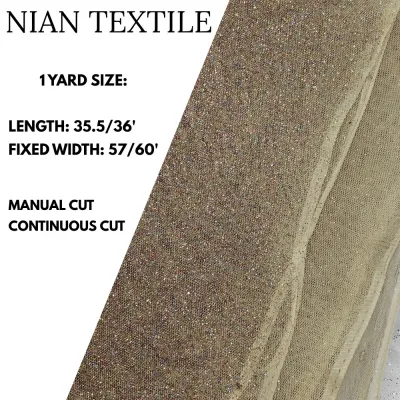
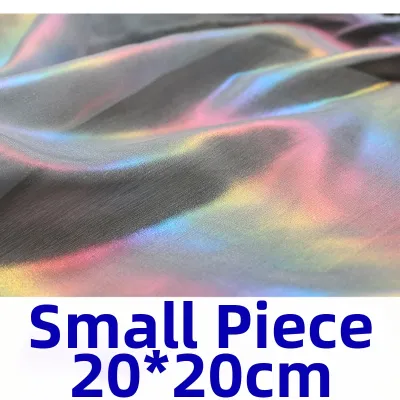
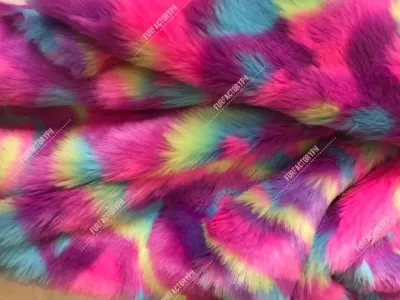
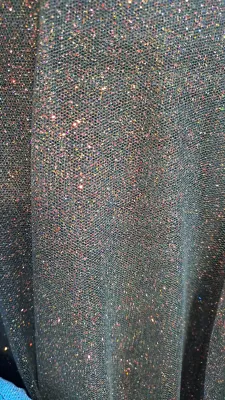
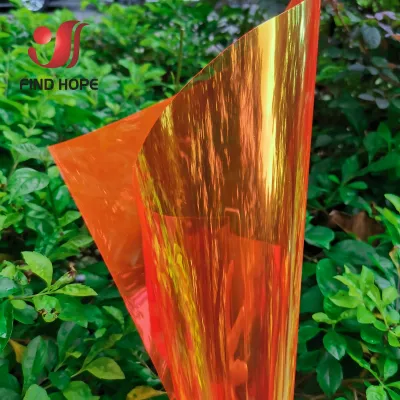
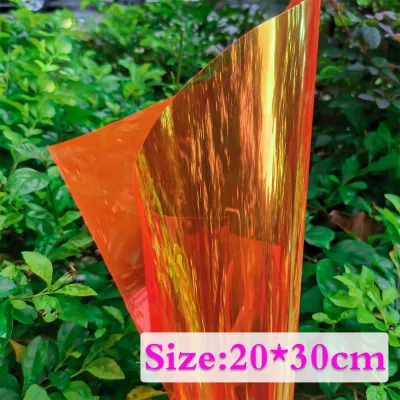
Prices are valid at publication and may change. Please refer to the product page for the latest price.
Polyester and synthetic blends offer a different set of advantages, particularly regarding durability and color vibrancy. Synthetic fibers hold dyes exceptionally well, resulting in highly saturated, sharp rainbow gradients that resist fading even after multiple washes. These fabrics are naturally wrinkle-resistant and dry quickly, which is highly convenient for activewear or outdoor gear. However, polyester lacks the breathability of natural fibers, meaning it can trap heat close to the body in warm weather, so it is best reserved for structured garments, bags, or decorative accents.
Chiffon and other sheer materials provide a lightweight, translucent quality that creates an elegant, flowing effect when printed with rainbow colors. The delicate drape of chiffon makes it perfect for flowing overlays, scarves, and decorative curtains that catch the light. However, these sheer fabrics are notoriously slippery and prone to shifting during cutting and sewing. They require specialized handling, such as using fine pins, tissue paper backing, and sharp microtex needles to prevent snags and uneven seams.
Fleece and flannel introduce a cozy, textured element to the rainbow palette. These materials feature a brushed surface that traps air, providing warmth and a soft, comforting feel. While heavy fleece is less common for daily outdoor wear in tropical regions, it remains a favorite for indoor items like plush toys, cozy throw blankets, and loungewear designed for air-conditioned spaces. Flannel, with its slightly lighter weight and soft weave, offers a rustic charm that works beautifully for casual button-down shirts and baby blankets.
How to Match the Fabric to Your Project
When designing apparel and wearables, prioritizing comfort, drape, and skin-contact suitability is essential. For garments like summer dresses, casual shirts, and children’s clothing, lightweight cotton lawn, rayon, or high-quality cotton-polyester blends are excellent choices. These fabrics move naturally with the body and do not irritate sensitive skin. If your garment requires a snug fit or extra mobility, look for rainbow knits that incorporate a small percentage of spandex to provide comfortable stretch and recovery.

For home decor and quilting projects, the focus shifts toward structure, weight, and long-term washability. Quilting cotton is the standard for patchwork because its tight, even weave prevents stretching and distortion when pieces are sewn together. If you are creating home accents such as throw pillow covers, table runners, or heavy curtains, opt for medium-to-heavyweight canvas or linen blends. These sturdier fabrics can withstand the friction of daily use and hold their shape without sagging over time.
Small crafts and accessories require you to consider stiffness, fraying tendencies, and ease of cutting. If you are making hair scrunchies, small zippered pouches, or keychains, you need a fabric that is easy to manipulate in tight spaces. Tightly woven cotton and synthetic felt are excellent for these applications because they do not fray excessively and are easy to cut into precise shapes. For accessories that need to carry weight or maintain a crisp structure, you can reinforce lighter fabrics with fusible interfacing to add the necessary stiffness.
What to Inspect Before Buying Rainbow Fabric
Before purchasing your fabric, always read the care labels and fiber content tags carefully to confirm the material composition. Online listings and physical bolts should clearly state whether the fabric is a natural fiber, a synthetic blend, or a delicate sheer. Knowing the exact fiber content helps you determine if the fabric matches your project’s maintenance needs, as some materials require dry cleaning or gentle hand-washing, while others can handle standard machine cycles.
Inspecting the print quality, color registration, and pattern alignment is particularly critical for rainbow fabrics. Because rainbow designs feature multiple colors side-by-side, poor printing can result in muddy overlapping zones or misaligned stripes. Examine the fabric closely to ensure the color transitions are smooth and that the pattern is printed straight along the grainline. If the print is skewed or crooked on the bolt, cutting your pattern pieces straight will be highly challenging without distorting the design.
Checking for pre-shrinking requirements and verifying the grainline are vital steps before you begin cutting your pattern. Natural fibers like cotton and linen are prone to shrinking during their first wash, which can ruin the fit of a completed garment. Always wash and dry your fabric using the same methods you plan to use for the finished item. During this process, verify that the grainline—the direction of the warp threads—runs straight and true, ensuring your project hangs correctly and does not twist after assembly.
When shopping on online marketplaces or e-commerce platforms, take extra steps to verify seller specifications and return policies. Read customer reviews to see if other buyers have noted issues with color accuracy or fabric weight. Because digital screens can display colors differently, what looks like a pastel rainbow online might arrive as a neon gradient. If you are planning a large or high-stakes project, consider contacting the seller to request a physical swatch first, allowing you to verify the hand-feel, weight, and true colors before making a larger financial commitment.
Frequently Asked Questions (FAQ)
Will the colors in rainbow fabric bleed during washing?
Because rainbow fabrics feature highly contrasting colors next to each other, there is always a risk of darker dyes bleeding into lighter sections during the wash. To prevent ruining your fabric, perform a simple water spot test on a small scrap piece before washing the entire yardage. Dampen the scrap with warm water and press it between two white paper towels; if any dye transfers to the towels, the fabric is prone to bleeding. To minimize dye transfer, wash your fabric in cold water on a gentle cycle, and use color-catching sheets in the machine to absorb any loose dyes. Always refer to the manufacturer’s care instructions for specific dye-setting recommendations.
How can I stop sheer rainbow fabrics from fraying?
Delicate, sheer fabrics like chiffon have a loose weave that frays easily along cut edges, which can weaken your seams over time. To prevent this, select clean seam finishes such as French seams or rolled hems, which completely enclose the raw edges inside the stitching. You can also apply a small amount of liquid fray preventative along the cut edges before sewing, taking care to test it on a scrap first to ensure it does not stain the sheer material. When sewing, adjust your machine’s tension to a lighter setting and use a fine, sharp needle designed for delicate fabrics to avoid snagging the threads.
Community discussion
Share your experience or ask a question. Comments are reviewed before publication.