
RC (Resin Coated) satin photo paper and standard satin photo paper differ fundamentally in their base construction, which dictates how they handle ink, resist moisture, and survive handling. RC paper features a paper core sealed between two layers of polyethylene plastic, making it highly water-resistant and quick-drying. Standard satin paper, often relying on a single surface coating over a raw paper base, offers a more traditional paper feel and can be highly cost-effective, but it remains vulnerable to moisture and physical wear. Choosing between them depends on your printer type, environmental conditions, and whether your project demands immediate handling durability or a specific fine-art texture.
Understanding the Base Material and Coating Structure
To understand the practical differences, one must look at the physical layers of each paper type. RC satin photo paper is constructed by taking a high-quality paper base and sealing it on both sides with an extruded layer of polyethylene plastic. The top plastic layer is then coated with an ink-receptive layer, which is typically micro-porous. This design ensures that any liquid ink passing through the top coating is trapped before it can reach the paper core, keeping the paper fibers completely dry and structurally stable.
In contrast, standard satin photo paper—often referred to simply as non-RC or cast-coated paper—lacks these protective plastic barriers. It consists of a raw paper base with a specialized chemical or clay coating applied directly to the surface to control ink absorption. Because there is no plastic barrier, moisture from both the ink and the surrounding air can penetrate deep into the paper fibers, which can alter the physical characteristics of the sheet during and after printing.
Products mentioned in this guide
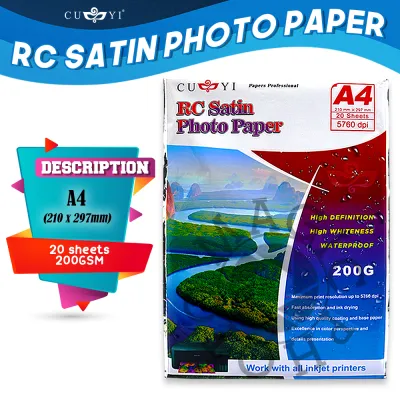
823 Lazada user ratings
Vibrant colors on the photo, Ideal for photo albums, Perfect for printing school projects, Great value for money,
Ideal for photo albums, Durable and long-lasting, Perfect for printing school projects, Easy to use and handle,
Great value for money, Ideal for photo albums, Perfect for printing school projects, Durable and long-lasting,
Mukha nman maganda and ganda texture nung pag ka matte nya. overall mura lng dn, d pa nman nkpag print
Quality:High-quality satin paper, Ideal for photo albums, Easy to use and handle,
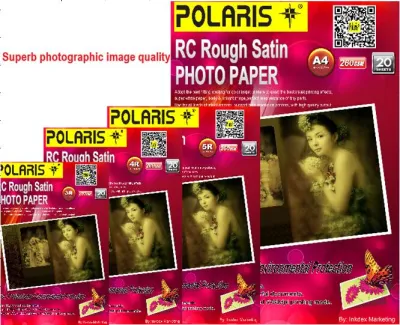
241 Lazada user ratings
Smooth texture for a professional finish, Easy to use and handle, High-quality satin paper, I love how my printed photos printed on this pap…Read full reviewShow less
Smooth texture for a professional finish, Easy to use and handle, High-quality satin paper, I love how my printed photos printed on this paper. 💕
Smooth texture for a professional finish, Easy to use and handle, Design:SANA ok Naman po Size:goods Naman po
Environmentally friendly with recycled paper, Excellent print quality, Vibrant colors on this paper,
Environmentally friendly with recycled paper, High-quality satin paper, Excellent print quality,
Environmentally friendly with recycled paper, Smooth texture for a professional finish,
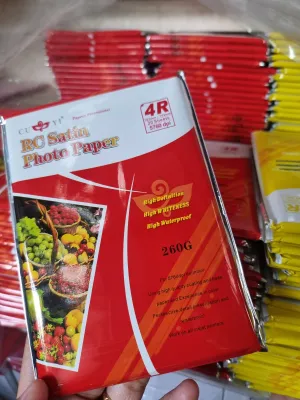
104 Lazada user ratings
High-quality satin paper, Excellent color reproduction, Enhances the overall photo quality, Perfect for photobooth photography, Easy to use …Read full reviewShow less
High-quality satin paper, Excellent color reproduction, Enhances the overall photo quality, Perfect for photobooth photography, Easy to use and handle, Durable and long-lasting, Professional-grade material. Will always buy our stocks here 😍 Sana may pafree na ulit sa susunod haha 😅
Ideal for capturing memories, Perfect for photobooth photography, Smooth and glossy finish, High-quality satin paper, Professional-grade mat…Read full reviewShow less
Ideal for capturing memories, Perfect for photobooth photography, Smooth and glossy finish, High-quality satin paper, Professional-grade material, Vibrant and sharp prints, Durable and long-lasting,
size was exactly what we were expecting. Packaging was very tight and we were very happy with how they came Ideal for capturing memories,
Good quality. Perfect for photo printing printing business non fade scratch proof will order again thank you seller
Good for the people who are trying to make money from photobooth it’s very affordable to buy it for the price
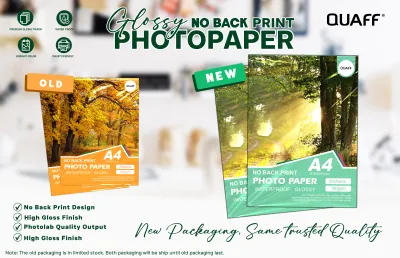
9,036 Lazada user ratings
High-quality glossy finish., Durable and long-lasting., Perfect for photo albums., Perfect for photo albums., Professional-looking prints., …Read full reviewShow less
High-quality glossy finish., Durable and long-lasting., Perfect for photo albums., Perfect for photo albums., Professional-looking prints., Excellent value for money.,
Vibrant colors on the prints., Smooth texture for easy handling., Ideal for framing memories., Durable and long-lasting., High-quality gloss…Read full reviewShow less
Vibrant colors on the prints., Smooth texture for easy handling., Ideal for framing memories., Durable and long-lasting., High-quality glossy finish.,
Great paper thickness., Vibrant colors on the prints., Durable and long-lasting., Perfect for photo albums., Ideal for framing memories.,
Ideal for framing memories., Smooth texture for easy handling., High-quality glossy finish., Perfect for photo albums.,
High-quality glossy finish., Ideal for framing memories., Ideal for framing memories., Excellent value for money.,
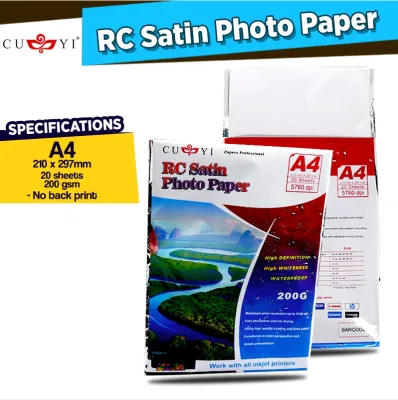
987 Lazada user ratings
High-quality satin paper, Great value for the price, Smooth and glossy finish, Perfect for capturing precious moments, Excellent color repro…Read full reviewShow less
High-quality satin paper, Great value for the price, Smooth and glossy finish, Perfect for capturing precious moments, Excellent color reproduction, Durable and long-lasting,
High-quality satin paper, Smooth and glossy finish, Vibrant colors on every print, Excellent color reproduction, thank you so much
Perfect for professional photography, Durable and long-lasting, Excellent color reproduction, High-quality satin paper,
High-quality satin paper, Great value for the price, Excellent color reproduction, Easy to use and handle,
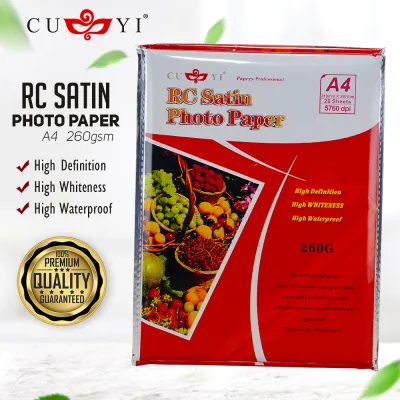
17 Lazada user ratings
Eco-friendly recycled material, Satin finish for professional look, Works with all inkjet printers, High-quality photo prints, Smooth surfac…Read full reviewShow less
Eco-friendly recycled material, Satin finish for professional look, Works with all inkjet printers, High-quality photo prints, Smooth surface for vibrant colors,
Works with all inkjet printers, Smooth surface for vibrant colors,
High-quality photo prints, Eco-friendly recycled material,
Quality:very good Price:ok
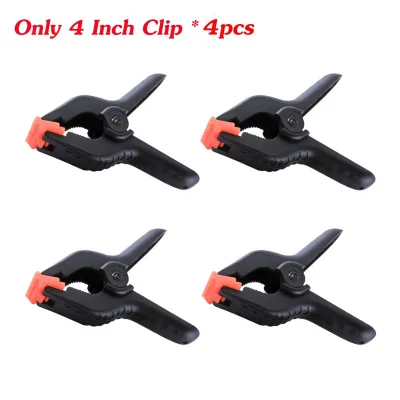
187 Lazada user ratings
Quality:10/10 Material:10/10 Functionality:10/10 Very good quality. Serves it's purpose. Thank you seller for fast and smooth transaction.
Great item. it was also well packed. Fast delivery too. I will be sure to order again from your store. thank you seller.
well packed. di ko na nakuhaan ang laman pero complete naman sya and mukha pong matibay. salamat po. 😊
Functionality: very good Quality: very good Material: very good Thanks seller
all parts intact. good product. salamat
Prices are valid at publication and may change. Please refer to the product page for the latest price.
When shopping, you can verify the base material by inspecting the product packaging or technical specification sheets. Look for terms such as “RC,” “Resin Coated,” “PE Coated,” or “Micro-porous.” If these terms are absent, or if the packaging simply describes the product as “matte,” “semi-gloss,” or “satin” without mentioning a resin base, it is highly likely a standard paper. Additionally, feeling the back of the sheet can offer a clue; RC papers usually have a smooth, slightly plasticized backing, whereas standard papers feel like high-quality, uncoated cardstock on the reverse side.
Evaluating Print Quality and Surface Finish
The surface finish of both papers is designed to offer a middle ground between high-gloss and matte. The satin finish, which manufacturers sometimes label as luster, semi-gloss, or pearl, features a fine, pebbled texture. This texture is highly effective at diffusing light, which minimizes distracting glare under bright overhead lighting and prevents visible fingerprint smudges. However, how this finish renders colors and details depends heavily on the underlying coating technology.

RC satin papers almost exclusively utilize micro-porous coatings. These coatings contain microscopic silica or alumina particles that create tiny voids, allowing liquid ink to be drawn in instantly via capillary action. Because the ink is locked into these precise pores, dot gain—the spreading of ink droplets—is kept to an absolute minimum. This results in exceptionally sharp details, clean text, and a high maximum black density (D-max), which is crucial for high-contrast black-and-white photography.
Standard satin papers may use either swellable polymer coatings or simpler cast coatings. Swellable coatings absorb ink by expanding, which can deliver excellent color saturation but requires a longer drying time. Cast-coated standard papers are more porous but may allow the ink to spread slightly more into the paper fibers, potentially reducing the ultimate sharpness of fine details. To evaluate this yourself, print a small test strip containing a gradient ramp, fine lines, and saturated color blocks. Observe the print under a bright light to check for ink pooling, color bleeding, and how evenly the satin sheen covers both dark and light areas.
Assessing Durability and Moisture Resistance
Physical durability is where the structural differences between these two papers become most apparent. Because RC satin photo paper is encapsulated in polyethylene, it is inherently water-resistant. If water splashes onto an RC print, the liquid sits on the plastic surface rather than soaking into the paper core, allowing you to wipe it away without ruining the image. This plastic shield also provides excellent tear resistance and prevents the paper from creasing easily when handled.
Standard satin paper is far more vulnerable to environmental factors. Without a plastic barrier, the paper fibers will readily absorb liquid spills, causing the paper to swell, warp, and permanently buckle—a phenomenon known as cockling. Furthermore, standard papers are highly susceptible to atmospheric humidity. In tropical climates, such as in the Philippines, high humidity can cause unprotected standard papers to lose their stiffness, sag in frames, or even experience ink migration over time as the paper fibers absorb moisture from the air.
When assessing longevity, check the manufacturer’s specifications for archival ratings, acid-free certification, and UV resistance. While RC papers offer superior physical protection against handling and moisture, high-end standard papers made from 100% cotton rag or alpha-cellulose can offer exceptional archival lifespans when stored in climate-controlled environments. If you plan to display standard satin prints long-term without glass protection, you will likely need to apply a protective spray or opt for post-print lamination to shield them from moisture and UV degradation.
Checking Printer Compatibility and Handling Requirements
Successful printing requires matching the physical properties of the paper to your printer’s feeding mechanism and ink chemistry. RC satin photo paper is relatively stiff and retains a flat shape, but its plastic backing can sometimes cause feeding issues in printers with tight roller paths. Standard satin papers are generally more flexible, making them easier to feed through a wider variety of home and office printers, though they can curl significantly immediately after printing as the wet ink dries and contracts the paper fibers.
Ink compatibility is another critical factor to verify. Inkjet printers use either dye-based inks or pigment-based inks. Micro-porous RC papers are highly compatible with both ink types, as the microscopic pores can accommodate both the small dye molecules and the larger pigment particles. Some standard satin papers, however, are optimized specifically for dye inks and may not bind pigment inks effectively, leading to a dusty residue or poor scratch resistance. Always cross-reference the paper’s specification sheet with your printer manual to ensure compatibility.
To avoid print defects like head strikes—where the print head physically scrapes against the paper—always adjust your printer settings before hitting print. Select the correct media profile (such as “Premium Photo Paper Luster” or “Semigloss”) in your printer driver. This setting tells the printer how much ink to lay down and adjusts the print head height to accommodate the paper’s thickness. Additionally, because standard papers dry slower than micro-porous RC papers, allow your prints to sit flat in a dust-free area for several hours before stacking or framing them.
Matching Paper Value to Your Specific Projects
When planning a printing project, balancing the cost of materials against the required quality and durability is essential. RC satin photo papers generally sit at a higher price tier due to the complex, multi-layered manufacturing process involved in extruding polyethylene onto a paper core. For example, a pack of premium RC satin paper might cost around ₱500, whereas a basic pack of standard satin paper of the same size might be priced closer to ₱200 on local online marketplaces.
This price difference makes standard satin paper an excellent choice for high-volume, budget-conscious projects. If you are printing internal office drafts, school presentations, temporary event signage, or proofs that will only be viewed briefly, standard paper offers great value without the unnecessary cost of plastic encapsulation. It is also preferred by those who want to avoid plastic materials entirely for environmental reasons.
On the other hand, RC satin photo paper is the practical choice for projects where durability and professional presentation are non-negotiable. Portfolios, wedding albums, commercial photo prints, and items intended for frequent handling or display in humid environments justify the higher initial cost. When calculating the total cost of your project, remember to factor in potential waste; using a cheaper standard paper that warps or smudges can lead to reprints, ultimately consuming more expensive ink and costing more than if you had used RC paper from the start.
Final Decision: Which Satin Paper Fits Your Needs?
Choosing the right satin photo paper comes down to a clear set of conditional requirements. If your project demands instant-dry prints, high resistance to water and tearing, and the ability to withstand frequent handling or high humidity, RC satin photo paper is the ideal option. Its robust plastic-encapsulated structure ensures your prints remain flat, sharp, and vibrant even under challenging environmental conditions.
Conversely, standard satin photo paper is the better fit if you are working within a strict budget, printing temporary drafts, or specifically require a traditional, plastic-free paper texture. It provides a cost-effective way to achieve a glare-reducing satin finish without the premium price tag of resin-coated alternatives.
Before making a bulk purchase, always verify that your printer can handle the specific weight and thickness of your chosen paper. Buying a small sample pack or a single sheet to run a test print is the safest way to confirm that the ink absorption, drying speed, and final surface texture meet your expectations and technical requirements.
Frequently Asked Questions (FAQ)
Can I use RC satin photo paper in a laser printer?
No, you should not use standard inkjet RC satin photo paper in a laser printer. Laser printers use intense heat and pressure to fuse dry toner powder onto the page. The polyethylene plastic layers in RC paper can easily melt inside the fuser unit, causing catastrophic and expensive damage to your printer. Always check the product packaging for explicit laser printer compatibility before attempting to feed any photo paper through a laser machine.
Does the satin finish hide fingerprints better than gloss?
Yes, the textured surface of a satin finish is highly effective at hiding fingerprints and minor smudges. Unlike high-gloss paper, which has a perfectly flat, reflective surface that highlights oils from your skin, the fine, pebbled texture of satin paper diffuses light in multiple directions. This light diffusion makes fingerprints much less visible, making satin paper the preferred choice for portfolios, wedding albums, and prints that will be handled frequently.
How should I store unused satin photo paper?
To preserve the quality of your unused satin photo paper, always store it flat in its original packaging, such as a plastic sleeve or box. Keep the paper in a cool, dry environment away from direct sunlight, extreme temperature fluctuations, and high humidity. Storing the paper vertically or exposing it to moisture can cause the sheets to curl or warp, which can lead to feeding issues and print head strikes during your next printing project.

Community discussion
Share your experience or ask a question. Comments are reviewed before publication.