
Collecting K-pop merchandise is a highly rewarding hobby, but the immense popularity of BTS and its individual members has created a challenging market for collectors. A genuine jungkook photocard from an album, concert, or official collaboration is more than just a piece of printed paper; it is a valuable collectible that represents a direct support system for the artist. Because rare cards can trade for anywhere from ₱300 to upwards of ₱5,000 in the secondary market, counterfeiters frequently produce unauthorized replicas to exploit unsuspecting buyers. Verifying the authenticity of your items before completing a transaction protects your financial investment and ensures your collection consists entirely of official releases.
In the trading community, distinguishing between official merchandise and high-quality counterfeits requires a keen eye and an understanding of professional printing standards. While counterfeiters have become highly skilled at replicating visual designs, they rarely match the precise manufacturing processes, premium materials, and strict quality control measures used by official entertainment agencies like HYBE and BIGHIT MUSIC. By learning how to analyze the physical and structural properties of these cards, you can confidently navigate online marketplaces and local trading groups.
Key Features of an Authentic Jungkook Photocard
Official photocards are manufactured using specialized industrial printing presses that adhere to strict specifications. Knowing what a genuine card looks and feels like provides a reliable baseline for any comparison.
Products mentioned in this guide
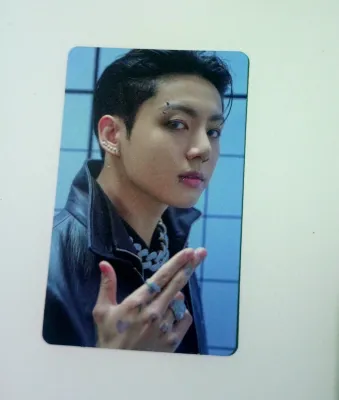
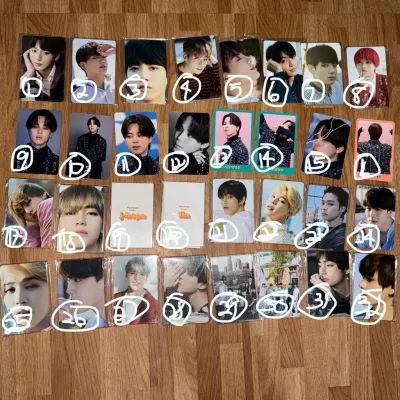
![[OFFICIAL] BTS JUNGKOOK GOLDEN PHOTOCARD ONHAND PC Tingi sharing](https://img.lazcdn.com/g/ff/kf/S5e0ca88b416d440997318d3abf712a09N.jpg_400x400q80.jpg_.webp)
Prices are valid at publication and may change. Please refer to the product page for the latest price.
Print Quality and Material
Standard official photocards typically measure exactly 55mm by 85mm, fitting perfectly into standard trading card sleeves and pocket pages. They are printed on premium, heavy-weight cardstock, generally ranging from 300 to 350 gsm (grams per square meter). This thick cardstock gives the card a sturdy, rigid structure that resists minor bending and maintains its flat shape over time.
In the tropical climate of the Philippines, where high humidity can easily affect paper products, the quality of the card’s protective coating is particularly noticeable. Authentic cards feature a professional double-sided laminate finish, which can be high-gloss, soft-matte, or satin, depending on the specific album concept. This coating not only provides a smooth, premium tactile feel but also acts as a barrier against moisture. Under close inspection, the print resolution on an official card is exceptionally sharp, preserving micro-details such as the individual strands of Jungkook’s hair, the subtle highlights in his eyes, and the precise texture of his clothing.
Official Markings and Typography
The back of an official card is just as important as the front. This is where you will find official copyright text, licensing credits, and logos for HYBE, BIGHIT MUSIC, or specific album eras. On an authentic card, these markings are printed using vector-based digital files, ensuring that even the smallest letters are razor-sharp and perfectly legible under magnification.
Pay close attention to the font weight, letter spacing, and alignment of the copyright text. Genuine cards display consistent kerning and uniform line thickness. The logos are perfectly centered or placed exactly according to the design template, with no bleeding or fuzzy edges. Because counterfeiters usually recreate these backs from scans rather than original digital design files, their typography often appears slightly bloated, blurred, or unevenly spaced.
Common Signs of a Fake Jungkook Photocard
Counterfeit cards, often referred to as “replicas” or “fakes,” almost always exhibit physical flaws due to cheaper production methods. Recognizing these common manufacturing defects will help you identify a fake card instantly.

Visual and Color Discrepancies
The most common issue with counterfeit cards is color shifting. When a counterfeiter scans an official card to create a printing template, the scanning process inherently loses color data. As a result, fake photocards often look overly saturated, unnaturally dark, or washed out. Jungkook’s skin tones, which should look natural and balanced on an official card, may appear uncomfortably red, yellowish, or pale on a replica.
Additionally, scanning a pre-printed physical card and printing it again introduces a visual phenomenon known as the moiré pattern. This appears as a faint, wavy grid or a series of interference lines across the image, which occurs because the printer is trying to reproduce an existing pattern of halftone dots. If the image looks pixelated, grainy, or lacks the smooth gradients of the original photo, it is highly likely a counterfeit.
Cutting and Alignment Issues
Official photocards are cut using precise industrial die-cutters that yield identical rounded corners across an entire production run. Counterfeits, which are often cut using manual paper cutters or low-end corner rounders, frequently show asymmetrical corners, rough edges, or tiny paper fibers hanging from the sides.
To check the alignment, examine the borders on both the front and back of the card. Authentic cards maintain highly consistent margins. If the image is noticeably tilted, off-center, or features an accidental thin white border along one edge, it indicates poor cutting alignment during unauthorized mass production. Furthermore, many official cards have small “cutting tabs” or tiny, raised nubs on the top and bottom edges—remnants of the sheet-cutting process. The absence of these tabs does not automatically mean a card is fake, but their presence is a very strong indicator of authenticity.
Reliable Verification Methods and Tools
To verify a jungkook photocard without risking damage to the item, you can perform several simple, non-destructive physical tests using everyday household items.
- The Flashlight Test: Shine a bright light, such as your smartphone's flashlight, directly through the back of the card. Official double-sided coated art paper is dense and highly opaque, meaning it will block the light evenly, showing only a faint, uniform glow. Cheap counterfeit paper is thin and lacks a dense inner core, allowing a harsh, bright light to pass through easily, often revealing blotchy, irregular paper fibers inside.
- The Magnification Test: Use a magnifying glass or your smartphone camera's macro lens to inspect the printing pattern on the card's surface. Official offset printing uses a highly structured, precise rosette pattern of tiny colored dots. In contrast, fakes printed on home inkjet or low-end digital printers will show irregular ink splatters, messy horizontal banding, or solid, muddy blocks of color without any structured dot pattern.
- The Thickness and Flex Test: Gently hold the card between your fingers and apply light pressure to test its resistance. An official card feels firm and snaps back into place immediately. A counterfeit card often feels flimsy, behaves like standard cardstock, or creases easily under minimal pressure.
Note on Safety: Never use harsh chemicals, water, or alcohol to clean or test the card, as these solvents will permanently dissolve the protective laminate and ruin the ink on genuine items. Additionally, avoid attempting to peel the edges or scratch the surface to check the paper layers. UV light tests should only be performed if the specific album release is officially documented to include UV-reactive security features, as most standard photocards do not react to ultraviolet light.
Safe Purchasing Channels and Red Flags
Preventing the purchase of a counterfeit card starts with choosing safe buying channels and recognizing suspicious seller behavior.
Whenever possible, purchase albums and merchandise directly from official retailers such as the Weverse Shop or authorized local music stores. If you are buying from individual sellers on social media or online marketplaces, always look for established traders who have a clean record of successful transactions and positive feedback from the local collecting community.
Be highly skeptical of listings that use ambiguous language. Terms like “official replica,” “factory direct,” “LOMO card,” “unprinted overrun,” or “fan-made reprint” are common euphemisms for counterfeit products. Pricing is another major warning sign. If a rare, highly sought-after Jungkook photocard that normally trades for ₱1,500 is being offered for ₱100, it is almost certainly a fake.
Before sending any payment, always ask the seller for a “proof of life” video. Request a continuous, unedited video of the card under natural, bright light. The seller should show both the front and back of the card at various angles to highlight the glossy or matte finish, alongside a handwritten note containing their username, the current date, and your name. If a seller refuses to provide this video or uses stock photos, walk away from the transaction.
What to Do If You Receive a Counterfeit
If you receive a photocard and suspect it is a counterfeit, taking immediate, organized action is essential for securing a refund.
Always record a continuous, unedited video of yourself opening the courier package from the moment you cut the outer seal. This unboxing video serves as vital, indisputable proof in the Philippine trading community and is required by most e-commerce platforms and payment processors to validate claims. Ensure the video clearly shows the shipping label, the sealed pouch, the physical opening process, and a close-up inspection of the card’s flaws.
Document the specific discrepancies—such as color shifts, blurry text, or thin paper—with clear, well-lit photos. File a formal dispute or refund request directly through the e-commerce platform or payment provider you used for the transaction, submitting your unboxing video and photos as evidence. Avoid engaging in public drama, unverified call-outs, or personal arguments with the seller on social media; instead, rely strictly on official platform mediation and buyer protection policies to resolve the issue safely.
Frequently Asked Questions (FAQ)
Is there an official app to scan and verify Jungkook photocards?
No, there is no official mobile application designed to scan and verify standard album photocards. While certain special merchandise, concert lightsticks, or limited-edition album packages may contain NFC chips or QR codes that link to official apps, standard paper photocards do not have built-in digital authentication technology. You should avoid downloading third-party apps or visiting unauthorized websites that claim to verify standard paper cards, as these platforms are often unreliable and may be designed to harvest your personal data.
How do I tell the difference between a fake and a fan-made photocard?
The primary difference lies in the intent and branding. Fan-made photocards, often distributed as freebies at local cup sleeve events or sold cheaply by fan artists, are created for fun and are not intended to deceive buyers. They usually feature unique, non-official photos, custom fan art, or distinct typography, and they do not carry official copyright logos. Fake photocards, however, are deliberate counterfeits designed to replicate official album inclusions exactly—including copyrighted logos and back designs—with the specific intent of tricking collectors into buying them as genuine merchandise.

Community discussion
Share your experience or ask a question. Comments are reviewed before publication.