
Choosing the right glow-in-the-dark beads for your jewelry projects requires balancing aesthetic appeal, physical durability, and wearability. While all glow beads rely on luminescent pigments to shine in the dark, the base material—whether glass, resin, or acrylic—profoundly influences how the bead looks, feels, and lasts over time. Glass beads offer unmatched clarity and scratch resistance but carry extra weight and a risk of shattering. Resin beads provide a tough, lightweight alternative with excellent light diffusion, while acrylic beads serve as the most budget-friendly and featherlight option, though they scratch easily under daily wear. By understanding how these materials perform under different conditions, you can select the ideal bead type to ensure your handmade necklaces, bracelets, or earrings remain beautiful and functional.
How the Base Material Affects Glow Performance
To understand how glow-in-the-dark beads function, it is essential to separate the glowing agent from the carrier material. The glow itself does not come from the glass, resin, or acrylic; rather, it originates from embedded phosphor pigments, such as zinc sulfide or strontium aluminate, mixed into the base material during manufacturing. However, the physical properties of the base material dictate how much ambient light can reach these pigments to charge them, and how effectively the emitted glow can escape and be seen by the naked eye.
Glass possesses exceptional optical clarity, allowing light to penetrate deeply and charge the embedded phosphors efficiently. Because glass is highly transparent and does not yellow over time, the glow appears sharp, bright, and true to the pigment’s original color. Resin, depending on the specific formulation used, can range from highly transparent to slightly translucent or milky. This semi-translucent quality can actually be advantageous, as it scatters and diffuses the light, creating a soft, uniform, and ethereal glow across the entire surface of the bead rather than a sharp, localized point of light. Acrylic beads are often the most opaque or heavily tinted of the three, which can sometimes restrict light transmission. This means acrylic beads may require a longer exposure to a light source to achieve a full charge, and the resulting glow may appear slightly dimmer or more muted compared to glass or high-quality resin.
Products mentioned in this guide
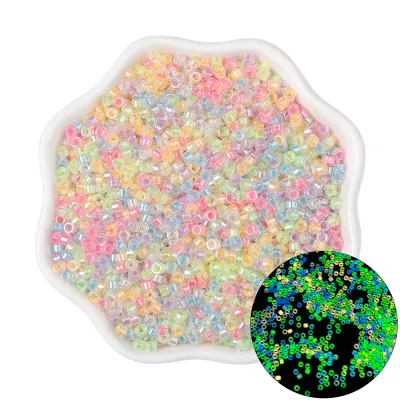
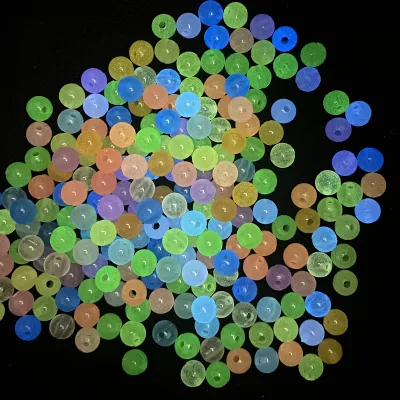
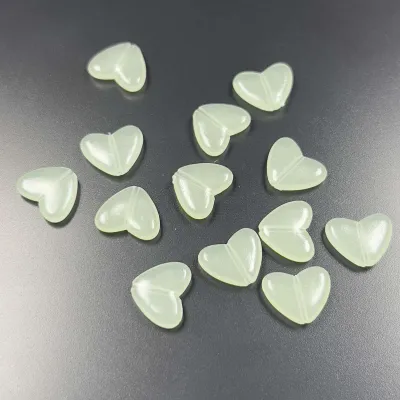
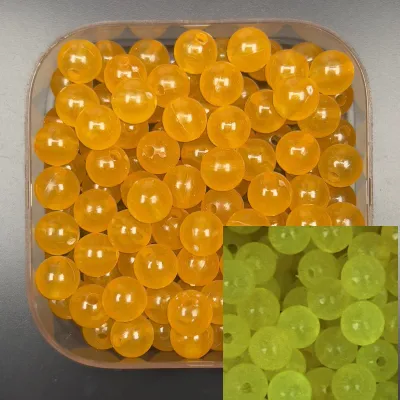
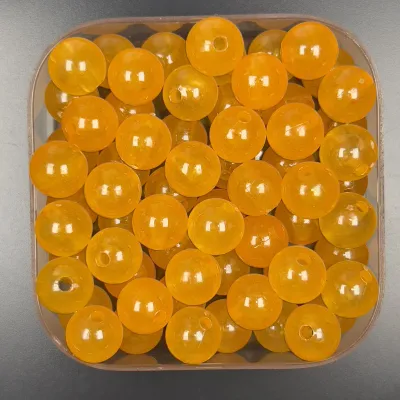
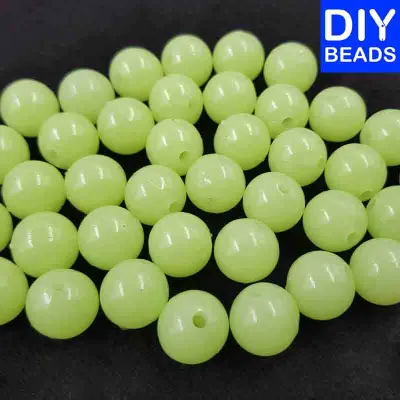
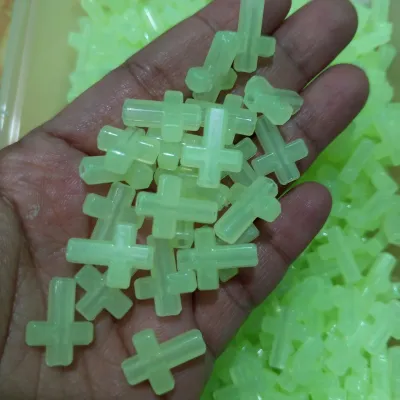
Prices are valid at publication and may change. Please refer to the product page for the latest price.
When sourcing beads, you should look closely at product specifications rather than assuming a material’s glow capability based solely on its category. Manufacturers often use different grades of phosphor pigments. For instance, strontium aluminate pigments generally offer a much brighter and longer-lasting glow than older zinc sulfide formulas, regardless of whether they are housed in glass, resin, or acrylic. To ensure you get the performance you expect, verify the charging requirements and expected glow duration by checking for standardized testing details or reading detailed customer reviews that document real-world performance.
Durability, Weight, and Wearability Comparison
Jewelry is subjected to constant movement, friction, and environmental exposure, making durability and wearability critical factors in your material choice. In tropical climates like that of the Philippines, where high humidity, heat, and body sweat are daily realities, the chemical stability of your bead material is especially important. Glass is completely inert, meaning it will not react to skin oils, sweat, cosmetics, or perfumes, allowing it to maintain its pristine, glossy finish indefinitely. However, glass is heavy and fragile; a hard impact against a concrete floor or a metal surface can easily chip or shatter a glass bead, making it less suitable for activewear or children’s jewelry.

Acrylic is incredibly lightweight, making it the preferred choice for large, dramatic statement earrings or multi-layered chunky necklaces that would otherwise pull uncomfortably on the wearer. However, acrylic is a relatively soft plastic. It has very low scratch resistance, meaning that over weeks of wear, the friction of beads rubbing against one another, clothing, or metal findings will create microscopic scratches on the surface. This abrasion gradually dulls the bead’s shine and can make the surface look cloudy, which in turn reduces the clarity of the glow.
Resin occupies a highly practical middle ground. It is significantly lighter than glass—roughly half the weight—yet far more shatter-resistant. If a resin bead is dropped or bumped, it is much more likely to bounce or sustain a minor, unnoticeable scuff rather than break. While resin is more scratch-resistant than acrylic, it is still softer than glass and can scratch over time if subjected to rough treatment. Additionally, some lower-grade resins are susceptible to UV degradation, which can cause them to yellow or become brittle when exposed to the intense tropical sun. For jewelry intended for outdoor wear, verifying that the resin beads are UV-stabilized is a wise step.
Crafting, Drilling, and Stringing Compatibility
The physical process of assembling jewelry reveals distinct differences in how these three materials behave under hand tools and stringing mediums. Glass beads are formed at high temperatures and cooled, a process that can sometimes leave sharp, microscopic edges around the drill holes. If you string glass beads directly onto delicate nylon threads, elastic cords, or fine silk threads, these sharp edges can act like tiny blades, gradually fraying and eventually snapping the cord. To prevent this, crafters often need to use a bead reamer to smooth the edges of the holes, or use durable metal wire, tiger tail, or protective bead tips.
Acrylic beads are molded in mass quantities, which generally results in very consistent drill hole sizes. They are easy to string and highly compatible with flexible elastic cords, making them excellent for quick, stretch-bracelet projects. However, acrylic is highly sensitive to heat. If you use a thread burner or a lighter to singe the ends of your nylon knots during assembly, even a brief, accidental touch of the flame or hot tip can instantly melt, warp, or discolor an acrylic bead, sometimes releasing unpleasant chemical fumes.
Resin beads are highly versatile and easy to manipulate. If a resin bead has an obstructed or slightly too small drill hole, you can easily enlarge it using a manual hand drill or a rotary tool without risking the shattering that would occur with glass. Resin is also compatible with almost all jewelry adhesives, crimp beads, and wire-wrapping techniques. However, like acrylic, resin can soften or warp if exposed to excessive heat, so care must be taken when using heat guns for curing nearby adhesives or when soldering metal components in close proximity to the beads.
Price Tiers and Sourcing in the Philippines
Budget considerations and sourcing convenience play a major role in finalizing your jewelry-making plans. In the local crafting market, acrylic glow-in-the-dark beads represent the most economical option. They are widely available in bulk packs containing hundreds of pieces for under ₱50 to ₱100, making them perfect for high-volume production, casual hobbyists, or children’s craft workshops where cost per unit must be kept to a minimum.
Resin beads sit comfortably in the mid-range price tier. Because resin casting can be done in smaller, specialized batches, these beads often feature more unique shapes, embedded glitters, or custom color combinations. A small pack of high-quality resin beads typically ranges from ₱100 to ₱250. Glass glow beads are positioned as a premium material. Due to the complex manufacturing process required to safely encase phosphor pigments within molten glass without burning them, these beads are more expensive, often sold on short, temporary strands or in small, curated sets of 10 to 20 pieces for ₱200 to ₱400 or more.
When sourcing these materials from online marketplaces or local craft suppliers in the Philippines, it is crucial to shop smart to avoid low-quality counterfeits. Always check seller ratings and read customer reviews specifically looking for mentions of glow performance. Many reputable sellers will upload actual, unedited photos of the beads in complete darkness to demonstrate the glow strength. Be cautious of listings offering glass beads at suspiciously low prices, as these are often mislabeled acrylic beads. If a listing seems too cheap to be true, it may also utilize low-grade zinc sulfide phosphors that lose their charge within minutes, leaving you with dull, non-glowing jewelry.
Final Decision Guide: Match the Bead to Your Project
To make the final selection for your jewelry project, you must match the physical strengths and limitations of each material to the specific lifestyle of the wearer and the design of the piece.
For children’s jewelry, play wear, or casual, high-volume party favors, acrylic is the clear choice. Its lightweight nature ensures comfort, its shatterproof quality guarantees safety during active play, and its low cost makes accidental losses easy to tolerate. If you are designing everyday wear, such as bohemian-style beaded bracelets, personalized name keychains, or lightweight drop earrings, resin offers the best balance of durability and weight. It will withstand the occasional drop on hard tile floors and won’t weigh down the wearer’s ears or wrists. For high-end, artisanal jewelry, wire-wrapped pendants, or structured statement necklaces where visual elegance, scratch resistance, and a premium feel are paramount, glass is the unmatched option, provided the wearer handles the piece with care.
Before purchasing, always implement a verify-first approach. Check the drill hole diameter against your intended stringing wire or cord to ensure a seamless fit. If your project will be exposed to water, sweat, or sunlight, confirm that the bead material and its glow pigments are rated for environmental exposure.
| Material | Weight | Scratch Resistance | Typical Price Tier | Best Use Cases |
|---|---|---|---|---|
| Acrylic | Featherlight | Low (scuffs easily) | Budget (₱) | Children's crafts, party favors, bulk projects, large earrings |
| Resin | Lightweight | Moderate (durable) | Mid-Range (₱₱) | Everyday bracelets, custom shapes, casual wear, keychains |
| Glass | Heavy | High (excellent clarity) | Premium (₱₱₱) | Fine jewelry, wire-wrapped pendants, keepsake gifts |
Frequently Asked Questions (FAQ)
Do glow-in-the-dark beads lose their ability to glow over time?
The phosphor pigments responsible for the glow-in-the-dark effect are highly stable and do not lose their luminescent properties quickly; high-quality strontium aluminate can continue to charge and glow for decades. However, the lifespan of the bead’s glow is often limited by the degradation of the base material rather than the pigment itself. If resin or acrylic beads are exposed to prolonged direct sunlight or harsh environmental conditions, they can yellow, cloud, or darken. This physical change in the plastic blocks ambient light from reaching the embedded phosphors to charge them, and similarly prevents the emitted glow from escaping. To maximize the lifespan of your glow jewelry, store your pieces in a dark, dry place like a jewelry box or drawer when they are not being worn.
Can I paint or coat glow beads to protect them?
Applying coatings to glow-in-the-dark beads requires careful consideration, as many common sealants can inadvertently ruin the glow effect. Opaque paints or colored varnishes will completely block light from entering or leaving the bead, rendering the glow pigment useless. Even clear topcoats, clear nail polish, or UV-curable resins can pose problems; many of these clear formulas contain UV-blockers designed to prevent yellowing, which will block the very ultraviolet wavelengths needed to charge the glow pigments efficiently. If you must coat your beads, test a single piece first with a non-UV-blocking, water-based clear acrylic sealer. Alternatively, instead of relying on chemical coatings for protection, design your jewelry using physical barriers—such as protective metal bezels, wire-wrapping cages, or by choosing inherently scratch-resistant glass beads for high-friction areas.
Community discussion
Share your experience or ask a question. Comments are reviewed before publication.