
When preparing for a job interview in the Philippines, first impressions are often shaped before you even speak. For most standard corporate applications, a high-quality, heavier-weight regular bond paper is entirely sufficient to present your qualifications professionally. Specialized resume paper, with its distinct textures and premium weight, is best reserved for executive positions, creative roles, or industries where physical presentation serves as a direct reflection of your attention to detail. Deciding whether to upgrade involves evaluating your target industry, your home printer’s capabilities, and how your application will be processed by hiring managers.
Understanding the Physical and Visual Differences
To make an informed choice, it is essential to understand what sets specialized resume paper apart from standard office paper. The most immediate difference is paper weight, which is typically measured in grams per square meter (gsm) or pounds (lbs). Standard bond paper usually ranges from 70 gsm to 80 gsm, whereas premium resume paper typically starts at 100 gsm and can go up to 120 gsm or more. In the humid tropical climate of the Philippines, paper weight is particularly important; lighter sheets easily absorb moisture from the air, causing them to limp, curl, or feel flimsy during an interview. A heavier sheet retains its crispness and structural integrity even in humid office environments.
Surface finish and texture also play a significant role in the visual and tactile experience. Regular bond paper has a smooth, uniform finish designed for high-speed copying and printing. In contrast, specialized resume paper often features distinct textures, such as linen (which mimics the crosshatch pattern of woven fabric) or laid (which resembles hand-made paper with fine parallel lines). Some premium papers also incorporate cotton fibers, usually ranging from 25% to 100% cotton content. These textures add a tactile depth that feels substantial and premium to the touch, though they require careful printing to ensure the ink settles evenly into the grooves.
Products mentioned in this guide
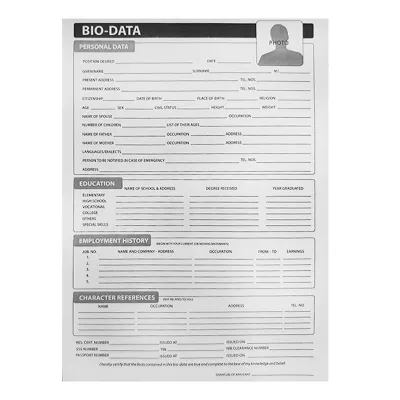
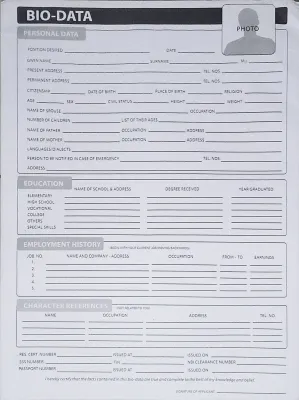
Prices are valid at publication and may change. Please refer to the product page for the latest price.
Brightness and whiteness levels further distinguish these paper types. Standard bond paper is often engineered for high brightness, sometimes exceeding 96% on the brightness scale, to provide sharp contrast for everyday text. Premium resume paper, however, is available in a wider spectrum of tones, including soft white, ivory, and cream, alongside traditional bright white. These off-white shades offer a softer, more elegant background that reduces eye strain under harsh fluorescent office lights, giving your document a classic, sophisticated appearance.
When to Use Regular Bond Paper for Job Applications
For the vast majority of job seekers in the Philippines, standard bond paper is not only acceptable but often the most practical choice. Standard corporate, administrative, and high-volume application environments prioritize the clarity of your credentials over the physical medium. If you are applying for roles in customer service, operations, finance, or technology, hiring managers are focused on your skills, experience, and certifications rather than the texture of your paper. Using a clean, crisp sheet of standard paper aligns perfectly with professional expectations in these sectors.

Furthermore, modern recruitment workflows are overwhelmingly digital. Most companies utilize applicant tracking systems or require PDF submissions via email and job portals before any face-to-face interaction occurs. In these scenarios, physical resumes are only printed as quick reference sheets for the interview panel. Because these documents are often filed away or recycled shortly after the interview, investing in expensive, specialized paper for initial rounds is rarely necessary.
If you decide to use regular bond paper, the key is to select a slightly heavier weight within the standard category. Avoid the thinnest 70 gsm (Substance 20) paper, which is prone to show-through and can feel cheap or fragile. Instead, opt for 80 gsm (Substance 24) or even 100 gsm (Substance 30) bond paper. This minor upgrade provides a noticeably sturdier feel and prevents the ink from bleeding through to the other side, ensuring a clean and professional presentation without the premium price tag of specialty sheets.
When to Invest in Specialized Resume Paper
There are specific career milestones and industries where upgrading to specialized resume paper can give you a subtle, competitive edge. In creative fields—such as graphic design, architecture, luxury brand management, or high-end hospitality—your resume is a physical extension of your design sensibility. Handing over a beautifully textured linen or cotton-blend resume demonstrates an appreciation for aesthetics and material quality, which are highly valued traits in these professions.
Executive-level applications and senior management roles also warrant the use of premium paper. When interviewing for leadership positions, board seats, or specialized consulting roles, the expectations for presentation are elevated. A heavy, ivory-toned cotton paper conveys a sense of prestige, permanence, and meticulous preparation. Similarly, if you are attending high-level networking events, career fairs, or private interviews where you will hand-deliver your CV directly to decision-makers, a premium tactile feel can make your document stand out in a stack of standard office prints.
Additionally, specialized resume papers offer superior archival properties. Many premium papers are acid-free and made with cotton fibers, meaning they resist yellowing, fading, and degradation over time. In the Philippines, where high humidity and ambient heat can accelerate the aging of standard wood-pulp paper, archival-quality paper ensures that your physical portfolio or reference documents remain pristine and readable for years, preserving your professional history without deterioration.
Verifying Printer Compatibility and Ink Handling
Before purchasing a pack of premium resume paper, it is crucial to verify that your home or office printer can handle the material. Thicker, heavier papers require more effort for the printer’s rollers to feed through the paper path. You should consult your printer’s user manual or manufacturer specifications to find the maximum supported paper weight, usually listed in gsm. Attempting to feed a 120 gsm textured sheet through a basic home printer designed only for standard 80 gsm paper can result in frequent paper jams, misfeeds, or even internal roller damage.
If your printer supports heavier media, you will likely need to adjust the print settings before sending your document to queue. In your computer’s print dialog box, locate the media type settings and change them from “Plain Paper” to “Heavy Paper,” “Cardstock,” “Premium Matte,” or “Linen” if available. This adjustment tells the printer to slow down the feed rate and calibrate the ink or toner application. For laser printers, it ensures the fuser reaches the correct temperature to permanently bond the toner to the thicker page; for inkjet printers, it controls the volume of ink deposited to prevent pooling.
Ink handling is another critical factor, particularly when using inkjet printers on textured or cotton-blend papers. The fibrous, uneven surface of linen or laid paper can cause ink to spread or bleed along the fibers, resulting in fuzzy text edges. High humidity can compound this issue by slowing down the drying time of wet ink. To prevent smudging, perform a simple trial: print a single test page and let it sit undisturbed for at least five minutes. Run a dry finger lightly over the text to check for smudging or transfer. If the ink smears, you may need to reduce the print quality setting to “Standard” or “Draft” to deposit less ink, or switch to a printer that uses pigment-based inks or dry toner.
Evaluating Cost and Budget Allocation
A practical job search requires careful budget management, and paper costs can add up quickly. Standard bond paper is highly economical, typically sold in reams of 500 sheets for a very low per-sheet cost at local stationery stores and office supply shops. In contrast, specialized resume paper is a premium product, often sold in smaller packs of 10 to 25 sheets, resulting in a significantly higher cost per sheet. For job seekers managing their expenses, this price difference is an important factor to weigh against other job-hunting tools.
Consider whether your budget is better allocated to other areas of your professional presentation. For instance, investing in professional digital portfolio hosting, a clean document folder or portfolio case to protect your papers during transit, or even professional resume writing and editing services may yield a higher return on investment than premium paper alone. If your target employers primarily review applications digitally, spending your budget on digital tools is far more effective.
If you decide that premium paper is necessary for a specific interview, you do not need to buy bulk quantities. Look for smaller retail packs of 10 or 20 sheets at local bookstores or online marketplaces. This allows you to print only the exact number of copies needed for your scheduled face-to-face interviews, minimizing waste and keeping your upfront costs manageable. Keep your premium sheets stored in a cool, dry place inside a resealable plastic sleeve to protect them from tropical humidity until the day of your interview.
Decision Framework: Which Paper Should You Choose?
To finalize your decision, use this structured framework to match your paper choice to your specific application scenario.
First, evaluate the application method and industry. If you are submitting your resume online through job portals, corporate websites, or email, and physical copies are only a secondary backup, stick with high-quality regular bond paper. Choose a sturdy 80 gsm or 100 gsm sheet in standard Letter size (8.5 x 11 inches) or A4, depending on the employer’s preferred format. This ensures a clean, professional look that prints reliably on any standard office machine.
Second, assess the role level and interview format. If you are interviewing for an executive, managerial, or highly creative position, or if you are attending an exclusive face-to-face networking event, invest in specialized resume paper. Opt for a 100 gsm to 120 gsm cotton-blend or linen-textured paper in an elegant off-white or soft ivory tone. This tactile distinction subtly reinforces your attention to quality and professional stature.
Finally, always run a compatibility check before printing your final copies. Verify that your printer supports the paper weight, adjust your print settings to match the media type, and perform a test print to check for ink smudging and text clarity. By matching your paper selection to your career goals and technical setup, you can present a polished, professional document that makes a lasting impression.

Community discussion
Share your experience or ask a question. Comments are reviewed before publication.