
To pair a ribbon with a blue gift box beautifully, you must balance the box’s specific undertone with the ribbon’s color, texture, and weight. A deep navy box gains instant sophistication from a metallic gold or champagne satin ribbon, while a soft pastel blue box pairs naturally with delicate white organza or cream grosgrain. By matching the ribbon’s visual weight and warmth to the shade of blue, you can transform a simple package into a memorable presentation. Selecting the right combination involves understanding how different hues interact and how various materials behave during the wrapping process.
How to Choose Ribbon Colors for Different Shades of Blue
Applying basic color theory is the most reliable way to choose a ribbon color that looks intentional and polished. Complementary colors, which sit opposite each other on the color wheel, create the most dynamic contrast. For blue, the direct complement is orange, which translates in gift wrapping to warm copper, bronze, or peach. These warm tones balance the inherent coolness of the blue box, making the package feel vibrant and inviting.
Analogous color schemes, which use colors adjacent to each other on the wheel, offer a serene and harmonious look. Pairing a blue box with green, teal, or violet ribbons creates a smooth transition that is highly pleasing to the eye. If you prefer a modern, minimalist aesthetic, a monochromatic approach works wonderfully. You can achieve this by pairing a light sky-blue box with a deep navy ribbon, creating depth through varying shades of the same color family.
Products mentioned in this guide
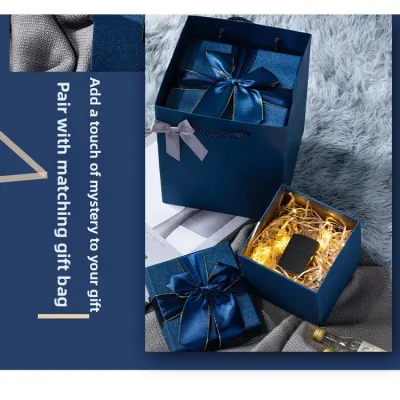
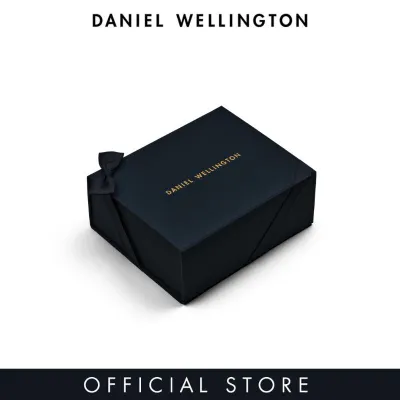
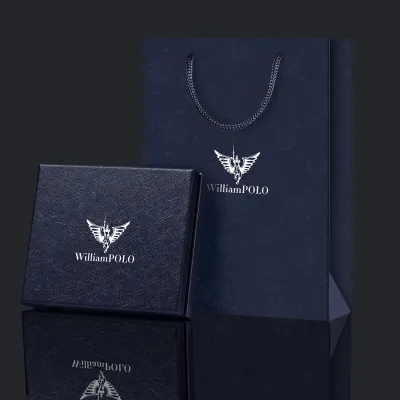
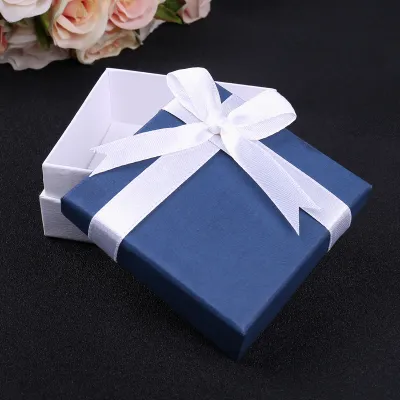
Prices are valid at publication and may change. Please refer to the product page for the latest price.
Light or pastel blue boxes have an airy, delicate presence that pairs best with soft, low-contrast colors. Pastel pink, lavender, mint green, or a soft cream ribbon will maintain this gentle feel. For a crisp, classic look, pure white is an excellent choice, while a cool silver ribbon adds a touch of frosty elegance perfect for formal celebrations.
Dark, royal, or navy blue boxes require ribbons with enough visual strength to avoid being swallowed by the deep background. Rich metallic gold, bronze, and copper ribbons provide a luxurious, high-contrast look that immediately commands attention. Deep jewel tones, such as emerald green or rich burgundy, create a sophisticated, dramatic palette. If you want a clean, contemporary finish, a stark white or light grey ribbon creates a sharp, graphic boundary against the dark blue surface.
Matching Ribbon Textures and Widths to Your Gift Theme
The texture of your ribbon establishes the tactile mood of the gift and should align with the occasion. Smooth, reflective finishes like double-faced satin, silk, and sheer organza are perfect for formal events, weddings, or corporate gifts. These materials catch the light beautifully, adding an immediate sense of luxury and elegance to the presentation. Satin ribbons drape gracefully, making them ideal for classic, flowing bows.

For rustic, cozy, or casual themes, textured ribbons offer a grounded, tactile appeal. Grosgrain ribbon, with its signature ribbed texture, provides a structured, playful look that holds its shape exceptionally well. Velvet ribbon adds warmth and rich depth, making it a favorite for holiday gifts. In tropical climates, incorporating natural fibers like abaca, jute, or refined burlap pairs beautifully with blue boxes, balancing the cool blue tones with warm, organic textures.
Ribbon width must scale proportionally with the physical dimensions of your gift box to maintain visual balance. Wrapping a small jewelry box in a wide two-inch ribbon will overwhelm the package, hiding the box entirely and looking clumsy. Conversely, a large shirt box wrapped in a thin quarter-inch ribbon will look sparse and unfinished. As a general guideline, use a 0.5-inch ribbon for small boxes under four inches, a 1-inch to 1.5-inch ribbon for medium boxes, and a 2-inch or wider ribbon for large, substantial packages.
The surface finish of your blue gift box also plays a critical role in how it interacts with different ribbon materials. Highly glossy or coated boxes have very little surface friction, which can cause smooth satin or silk ribbons to slip and slide out of place easily. Matte, textured, or kraft-finish blue boxes provide excellent grip, allowing you to use slippery ribbons with ease. When working with glossy boxes, opting for a textured ribbon like grosgrain or a wired ribbon can help keep the wrapping secure and tight.
Practical Techniques for Layering and Tying Ribbons
Layering ribbons is an excellent technique to add professional depth and visual interest to a solid blue gift box. Start by selecting a wide, solid-colored ribbon to serve as your base, such as a 1.5-inch navy satin ribbon. Next, choose a narrower, contrasting ribbon, such as a 0.5-inch gold metallic or patterned ribbon, and lay it directly down the center of the base ribbon. Secure the ends together at the bottom of the box with a small piece of tape to keep them perfectly aligned before tying your bow.
The style of bow you choose should match the physical properties and stiffness of your ribbon. Wired ribbons are highly cooperative and are best for creating large, structured, multi-loop bows that hold their volume over time. Unwired ribbons, such as soft satin or silk, are better suited for classic flat bows, simple elegant knots, or tailored tails that drape naturally over the sides of the box. If your ribbon is particularly soft, a simple, tight knot with long, angled tails can look far more elegant than a sagging bow.
Securing your ribbons firmly without leaving unsightly adhesive residue requires careful execution. Avoid using standard liquid craft glues, as they can easily seep through fabric fibers, leaving dark, permanent stains on both the ribbon and the paper box. Instead, use high-quality, thin double-sided tape designed specifically for paper crafts. Apply a small strip of tape to the underside of the ribbon where it crosses at the bottom of the box, or rely entirely on tension by pulling the ribbon taut and tucking the ends securely beneath the main knot before tying.
Common Wrapping Mistakes to Avoid With Blue Boxes
One of the most frequent mistakes in gift wrapping is ignoring clashing undertones. Blue is a cool color, but different shades can lean warm (such as teal or turquoise with green undertones) or cool (such as royal blue or periwinkle with purple undertones). Pairing a cool, icy silver ribbon with a warm, greenish-blue box can create a subtle but jarring visual clash. To avoid this, use a neutral bridge like cream, ivory, or warm gold to soften the transition between the cool and warm tones.
In warm, humid environments, ribbons are particularly prone to slipping, and cheap adhesives can lose their grip or melt, leaving greasy marks on your gift box. To prevent this, ensure your hands and the box surface are completely clean and dry before you begin wrapping. Opt for high-tension tying methods that do not rely solely on tape to hold the structure, and consider using ribbons with a bit of natural texture, like grosgrain or cotton, which naturally grip the corners of the box.
Another common pitfall is losing proportion between the bow and the box. A massive, heavy bow can crush the corners of a lightweight cardboard box and completely obscure the wrapping design. Always test the scale of your bow before making the final cuts. A well-proportioned bow should span no more than two-thirds of the box’s width, allowing the beautiful blue color of the box to remain a key feature of the presentation.
Frequently Asked Questions (FAQ)
Can I use patterned ribbons on a solid blue gift box?
Yes, patterned ribbons work exceptionally well on solid blue boxes because the solid background prevents the overall look from becoming too busy. To ensure a cohesive design, make sure at least one color within the ribbon’s pattern matches the specific shade of your blue box. Scale the pattern to the size of the box: use delicate, small-scale patterns like fine stripes or tiny dots for small boxes, and larger geometric or floral prints for larger boxes. If you want to layer, pair the patterned ribbon with a solid-colored base ribbon that matches one of the accent colors in the pattern.
What is the best ribbon style for a baby shower blue gift box?
For a baby shower, the goal is to create a soft, gentle, and welcoming aesthetic. Opt for delicate textures like sheer organza, soft cotton, or lightweight grosgrain in pastel or neutral shades. Classic color pairings include soft white, cream, pale yellow, or a very light mint green. A simple, neat bow with long, flowing tails works best, avoiding overly stiff or heavily wired ribbons. You can also add a charming touch by tying a small wooden rattle or a soft fabric keepsake into the center knot of the ribbon.
Community discussion
Share your experience or ask a question. Comments are reviewed before publication.