
Selecting the right ribbon depends on the occasion’s level of formality, the structural demands of your bow, and the wrapping material you are pairing it with. For formal events like weddings and anniversaries, elegant materials with a soft drape—such as double-faced satin, delicate organza, or fine lace—in pastel or metallic tones create a sophisticated finish. Birthdays and lively milestones call for durable, high-friction fabrics like grosgrain or cotton in vibrant colors and playful patterns that hold their shape under heavy handling. Festive holidays like Christmas demand rich, tactile textures such as plush velvet, rustic burlap, or wired plaid ribbons that evoke warmth and support large, sculptural designs.
By matching the physical properties of the ribbon to the emotional tone of the celebration, you ensure that the gift presentation feels cohesive and intentional. Understanding how different materials behave when tied, cut, and stored allows you to elevate standard gift wrapping into a highly polished, professional presentation.
Quick Reference: Best Ribbons for Weddings, Birthdays, and Christmas
To help you quickly identify the most suitable ribbon for your next event, the table below outlines the ideal materials, color palettes, and common applications for the three major gifting occasions.
Products mentioned in this guide
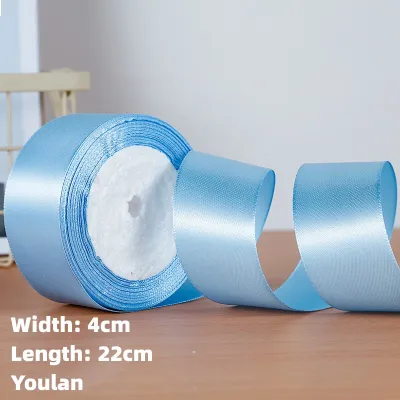
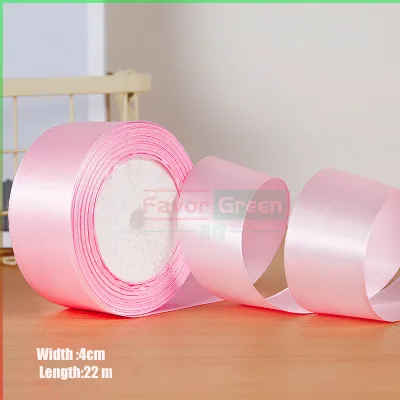
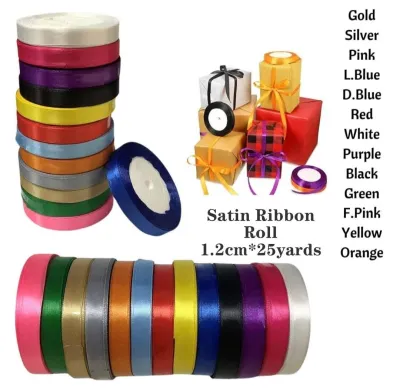
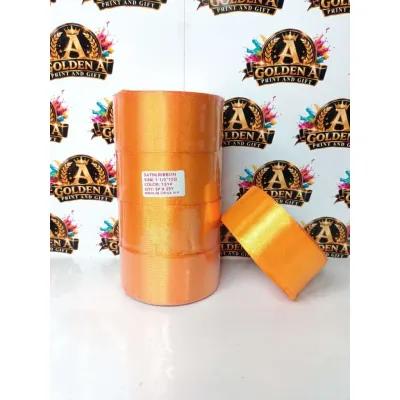
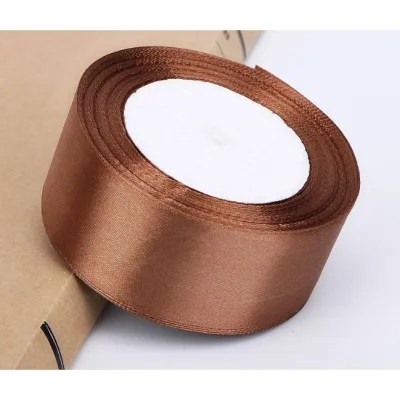
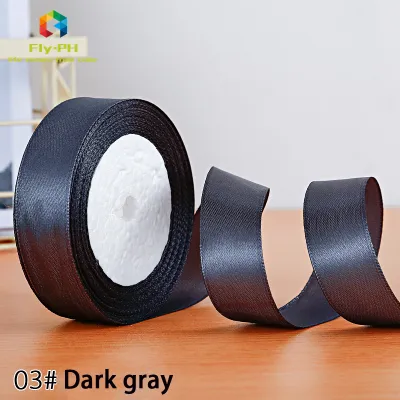
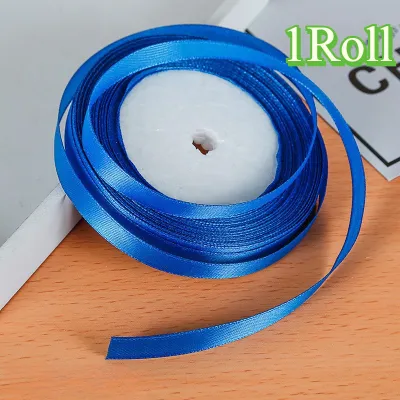
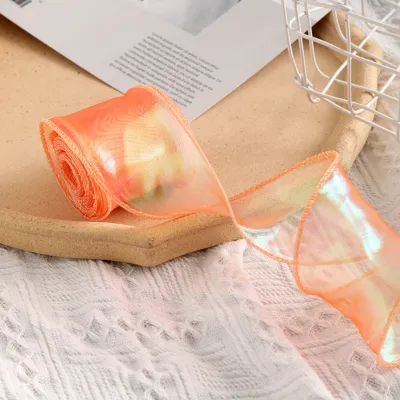
Prices are valid at publication and may change. Please refer to the product page for the latest price.
| Occasion | Recommended Ribbon Materials | Ideal Colors & Patterns | Recommended Widths | Common Applications |
|---|---|---|---|---|
| Weddings & Anniversaries | Double-faced satin, organza, silk, delicate lace | Ivory, champagne, blush pink, soft pastels, gold, silver | 1/8" to 1/4" (favors); 1.5" to 2"+ (bouquets, large gifts) | Invitation suites, small favor boxes, bridal bouquets, luxury gift boxes |
| Birthdays & Milestones | Grosgrain, woven cotton, printed canvas | Vibrant primaries, high-contrast duos, polka dots, stripes | 3/8" to 1" | Toy packaging, casual gift boxes, party favors, balloon ties |
| Christmas & Holidays | Velvet, wired plaid, burlap, heavy satin | Deep crimson, forest green, warm gold, classic tartan | 1" to 2.5"+ | Holiday gift hampers, decorative wreaths, large box wraps, tree ornaments |
The core principle of successful gift presentation is alignment: the ribbon’s weight, texture, and color must harmonize with the event’s formality and the recipient’s personal style. Choosing a ribbon that physically supports the structural needs of your desired bow ensures the presentation remains intact from the moment it is wrapped until it is opened.
Decoding Ribbon Materials: From Delicate Sheers to Sturdy Textures
Every ribbon material has unique physical properties that dictate how it drapes, holds a knot, and responds to manipulation. Understanding these characteristics helps you select a ribbon that is both beautiful and practical to work with.

Satin, Silk, and Organza (Smooth and Delicate)
Satin and silk are celebrated for their luxurious sheen, exceptionally smooth texture, and fluid drape. Double-faced satin features a glossy finish on both sides, making it highly desirable for elegant presentations where both sides of the ribbon are visible. Silk ribbon, often featuring hand-frayed edges, offers a soft, organic aesthetic that feels highly premium. However, because these materials are incredibly smooth, they have very low friction and tend to slip easily when tied, requiring tight knotting or structural reinforcement to stay secure.
Organza is a sheer, lightweight fabric woven from synthetic fibers like polyester or nylon. It has a crisp, airy quality and a subtle shimmer that makes it ideal for layering over solid-colored ribbons or wrapping delicate favor bags. While organza does not provide the heavy coverage of satin, its lightweight structure allows it to hold voluminous, cloud-like shapes without adding bulk or weight to small packages.
Grosgrain, Cotton, and Canvas (Structured and Durable)
Grosgrain ribbon is easily identified by its distinctive ribbed texture, which is created by heavy weft-wise cords running across the fabric. This ribbed structure gives grosgrain excellent grip and structural integrity, making it one of the easiest ribbons to tie into tight, symmetrical bows that will not slip or sag. It features a matte finish that works beautifully for casual, modern, or masculine gift presentations.
Cotton and canvas ribbons offer a relaxed, artisanal, or eco-friendly aesthetic. These materials are tightly woven, highly durable, and completely matte, pairing exceptionally well with natural kraft paper, textured cardboard, or wooden gift boxes. Because they are sturdy and slip-resistant, they are highly practical for heavy boxes, outdoor events, or casual celebrations where durability is a priority.
Velvet, Burlap, and Wired Ribbons (Textured and Shapable)
Velvet ribbon features a dense, plush pile on one side and a plain woven backing on the other. This unique texture absorbs light, giving colors a deep, rich, and warm appearance. Velvet is highly tactile and adds an instant sense of luxury and comfort to any gift, making it a favorite for cold-weather holidays and premium corporate gifting.
Burlap, woven from natural jute fibers, provides a coarse, open-weave texture that is central to rustic, farmhouse, or outdoor-themed events. It is stiff and highly textured, making it excellent for simple, structural wraps on organic packaging.
Wired ribbons contain thin, flexible metal wires running along both edges, typically hidden within a stitched or woven hem. This design allows you to sculpt, bend, and shape the ribbon loops into dramatic, three-dimensional bows that hold their volume indefinitely. Wired edges are commonly added to satin, organza, and plaid fabrics, making them indispensable for large gift baskets, commercial displays, and decorative wreaths.
Matching the Tone: Ribbon Styles for Every Celebration
The visual style of your ribbon should complement the specific atmosphere of the event. Selecting the appropriate color palette, pattern, and scale ensures your gift matches the occasion’s tone.
Weddings and Anniversaries (Elegance and Romance)
Wedding celebrations demand a high level of refinement and attention to detail. The color palette for weddings typically centers on classic whites, cream, champagne, blush pink, and soft lavender, often accented with subtle metallic tones like gold, silver, or rose gold. These colors evoke romance and timeless elegance, aligning seamlessly with formal bridal themes.
For these events, double-faced satin is the premier choice because it ensures a flawless, high-gloss finish from every angle. If you are aiming for a vintage or rustic-chic aesthetic, delicate lace-edged ribbons or hand-dyed silk ribbons with raw edges add a soft, romantic touch.
When styling wedding elements, scale is critical. Narrow ribbons (ranging from 1/8 inch to 1/4 inch) are best suited for tying delicate wedding invitation suites, program booklets, and miniature favor boxes. For wrapping bridal bouquets, large gift hampers, or corporate wedding gifts, opt for wider ribbons (1.5 to 2 inches) that drape elegantly and showcase the quality of the fabric.
Birthdays and Milestones (Vibrant and Personalized)
Birthday celebrations are opportunities to showcase personality, energy, and fun. Rather than sticking to muted tones, embrace bold, saturated colors and high-contrast combinations. Vibrant shades like turquoise, sunny yellow, hot pink, and lime green instantly signal a festive mood. Patterns like classic polka dots, bold stripes, or thematic printed motifs (such as stars or geometric shapes) add a playful visual element.
Grosgrain and heavy cotton ribbons are highly recommended for birthdays. Their excellent grip allows you to tie tight, bouncy bows that can withstand transport and handling by excited recipients of all ages.
To make a birthday gift feel truly personal, consider using custom-printed ribbons featuring the recipient’s name or age. Alternatively, you can create a dynamic, multi-dimensional effect by layering two ribbons of different widths and contrasting colors—such as placing a narrow yellow grosgrain ribbon directly over a wider royal blue cotton ribbon.
Christmas and Holiday Gifting (Festive and Rich)
Holiday gifting is steeped in tradition, warmth, and sensory richness. The classic Christmas color palette relies heavily on deep crimson red, forest green, warm metallic gold, and traditional tartan or plaid patterns. For a more modern or minimalist holiday look, you can explore icy blues paired with silver, or clean monochrome black and white accented with sprigs of evergreen.
Velvet is the ultimate luxury material for holiday wrapping, providing a cozy, premium feel that immediately elevates any gift box. Wired burlap or heavy plaid ribbons are highly effective for creating large, statement-making bows on holiday gift baskets, gourmet food hampers, or front-door wreaths, as the wired edges allow you to reshape the loops after transit.
To enhance the festive, tactile experience, pair your holiday ribbons with natural, aromatic embellishments. Tucking a dried orange slice, a cinnamon stick, or a small sprig of pine into the center knot of a textured velvet or burlap ribbon adds a rustic charm that appeals to both the eyes and the senses.
Sizing It Right: How to Choose Ribbon Width and Calculate Length
Using the wrong ribbon size can make a beautifully wrapped gift look awkward or disproportionate. Selecting the correct width and calculating the necessary length beforehand prevents waste and ensures a balanced presentation.
Ribbon widths generally fall into three practical categories:
- Narrow (1/8 inch to 1/4 inch): Best for small jewelry boxes, gift tags, wedding invitations, and delicate party favors.
- Medium (3/8 inch to 7/8 inch): The most versatile size, ideal for standard book-sized gifts, shoeboxes, and medium-sized cosmetic packages.
- Wide (1.5 inches to 2.5 inches or more): Best reserved for large gift hampers, oversized boxes, decorative wreaths, or wrapping around wide cylindrical containers.
To calculate the exact length of ribbon needed to wrap a standard rectangular box with a classic cross-wrap and a standard bow, use the following formula:
$$\text{Ribbon Length} = (2 \times \text{Length}) + (2 \times \text{Width}) + (4 \times \text{Height}) + \text{Bow Allowance}$$
As a general rule of thumb, a standard bow with medium-length tails requires approximately 3 to 5 times the perimeter of the box. For a medium-sized box (such as a standard shoebox measuring 30 cm x 18 cm x 10 cm), you will typically need about 2 to 2.5 meters of ribbon to tie a comfortable, full-looped bow without stretching the fabric.
If you plan to wrap a large volume of gifts—such as for a wedding or holiday season—purchasing continuous spools (typically sold in 25-yard or 50-yard rolls) is far more economical than buying pre-cut lengths. This approach also allows you to cut custom lengths as needed, minimizing wasted off-cuts.
Tying and Styling: Techniques for a Professional Finish
Even the highest-quality ribbon can look unpolished if it is tied loosely or finished poorly. Applying a few simple styling techniques can make a significant difference in the final presentation.
Securing Bows and Preventing Slips
Working with slippery materials like satin or silk can be frustrating, as the knot often loosens before you can finish tying the loops. To prevent this, place a small piece of double-sided craft tape directly under the spot where the center knot will sit on the box lid. This anchors the ribbon to the box, allowing you to pull the loops tight without the ribbon sliding off-center.
Another effective technique is to tie a tight, foundational knot using a thin, high-grip string—such as fine cotton twine or baker’s twine—to secure the wrapping paper first. Once the package is structurally secure, tie your decorative satin ribbon directly over the twine knot, which provides excellent friction and prevents the satin from slipping.
When working with delicate sheers like organza, tension management is crucial. Pull the loops firmly but gently; excessive tension can warp the delicate weave of the fabric or crush the edges of a lightweight gift box, while too little tension results in a saggy, unpolished bow.
Shaping Tails and Adding Embellishments
Never leave ribbon tails raw, as synthetic fibers will quickly fray and unravel. Always cut the tails at a clean, sharp 45-degree angle using sharp fabric scissors. For a highly formal, tailored look, fold the ribbon tail in half vertically and cut at a diagonal angle from the folded edge to the outer edge to create a classic “V” notch (also known as a swallowtail cut).
If you are using non-wired synthetic ribbons (like polyester satin), you can add a gentle curl to the tails by sliding the closed blade of a pair of scissors along the underside of the ribbon with light thumb pressure. Always test this on a scrap piece first to avoid snagging the fabric. For wired ribbons, simply use your fingers to mold the tails into elegant, cascading waves that mimic professional floral designs.
To add a personalized touch, slide a custom gift tag, a sprig of dried rosemary, or a small holiday ornament onto the ribbon before tying the final knot. This keeps the embellishment securely centered and integrated into the overall presentation.
Building a Versatile Ribbon Stash for Year-Round Gifting
Maintaining a curated collection of versatile ribbons saves time and ensures you are always prepared for unexpected gifting opportunities without accumulating unnecessary clutter.
To build a practical, year-round stash, invest in high-quality neutral colors that can easily transition between different seasons and themes. Excellent base colors include:
- Kraft-colored cotton or linen: Perfect for rustic, masculine, or eco-friendly wraps.
- Ivory or cream double-faced satin: Works beautifully for weddings, formal anniversaries, or elegant birthday gifts.
- Metallic gold or silver: Adds instant celebration to Christmas, milestone birthdays, or corporate events.
An ivory satin ribbon, for example, can be paired with pastel wrapping paper for a spring wedding, or paired with deep green paper for a sophisticated, modern Christmas look. Opting for wired versions of these neutral ribbons offers excellent value, as they can be carefully untied, smoothed out, and reshaped for future use.
In tropical or humid climates, proper storage is essential to protect your ribbon collection. High humidity can cause natural fibers like cotton and burlap to develop mildew, degrade the adhesives on paper spools, or cause delicate fabrics to lose their crispness. Store your ribbon spools upright on a dowel or inside a dedicated plastic storage container with a few silica gel packets. Keep the container in a cool, dark closet away from direct sunlight to prevent the colors from fading over time.
Frequently Asked Questions (FAQ)
How do I keep satin ribbon from slipping when tying a bow?
To prevent slippery satin ribbon from loosening, place a small piece of double-sided craft tape on the box lid directly under the center knot to anchor it. Alternatively, tie a tight base knot using thin, high-friction cotton twine first, then tie your decorative satin ribbon directly over it to hold the tension.
Can I reuse wired ribbon after taking it off a gift?
Yes, wired ribbon is highly reusable. Carefully untie the bow and smooth the wire edges by running them gently between your thumb and forefinger. Keep in mind that after multiple uses, the internal metal wire may eventually fatigue or begin to poke through the fabric edges, at which point the ends should be trimmed or the ribbon retired.
What is the best way to store leftover ribbon to prevent creasing?
Store ribbon spools upright on a dowel or inside a divided storage box to prevent them from crushing one another. Keep the storage container in a cool, dry place away from direct sunlight and high humidity, and include a few silica gel packets to protect natural fibers from moisture damage and mildew.
Community discussion
Share your experience or ask a question. Comments are reviewed before publication.