
Choosing the right notebook organizer depends on whether you prioritize absolute page security or dynamic, on-the-go customization. If your daily workflow requires a stable, locked-in structure where pages never fall out and refills are easy to source, a ring-bound organizer is your best option. Conversely, if you need a modular system where you can reposition pages instantly, expand capacity by swapping parts, and fold the cover completely flat, a disc-bound organizer is the superior choice. The core trade-off centers on physical security versus layout flexibility.
Both systems have dedicated followings among students, professionals, and creatives. Understanding how their mechanical differences affect your writing comfort, carrying habits, and long-term costs will help you select the system that integrates seamlessly into your daily routine.
How the Binding Mechanisms Actually Work
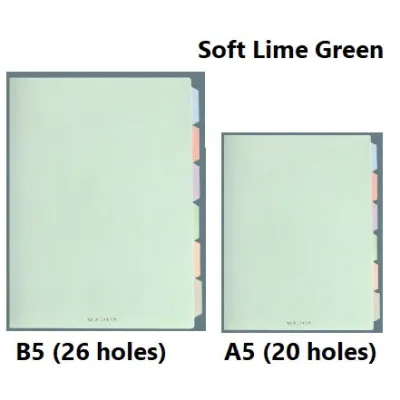
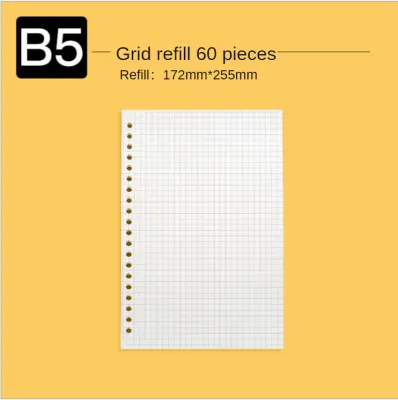
Ring-bound systems rely on a central spine mechanism, usually made of steel or rigid plastic, containing segmented loops. These loops open and close via a spring-loaded tension system, often operated by metal triggers at either end of the spine. The paper used must have clean, circular holes punched along the margin. Common standards include 3-ring formats for Letter size, 6-ring standards for A5 and Personal size planners, and multi-ring systems like 20-ring (A5) or 26-ring (B5) formats. The rings physically lock together, creating a continuous loop that traps the paper.
Products mentioned in this guide
Prices are valid at publication and may change. Please refer to the product page for the latest price.
In contrast, disc-bound systems do not have a continuous spine or a locking mechanism. Instead, they utilize a series of individual, circular discs that stand upright. Each disc has a raised outer rim or a central ridge. The paper features specialized mushroom-shaped or T-shaped slits along the edge. The narrow neck of the mushroom slit slides over the rim of the disc, while the wider head of the slit holds the page in place behind the rim. Because the discs are independent, you can use as many or as few as your paper size requires—typically 11 discs for Letter size, 8 discs for A5, and 7 discs for B5.
Before purchasing, verify that the hole spacing of your chosen system matches the standard paper sizes and hole-punching tools available in your region. Proprietary spacings exist in both ring and disc systems, so checking compatibility beforehand prevents alignment issues.
Page Flexibility: Rearranging Your Notes
The primary reason writers seek out modular notebook organizers is the ability to reorganize content without rewriting it. This is where the two systems diverge significantly in daily practice.

In a disc-bound system, page movement is incredibly fluid. To remove a page, you grasp it near the top of the spine and pull it gently outward and downward. The paper slips off the discs without tearing the mushroom-shaped tabs. To insert it elsewhere, you align the slits with the discs and press down with your fingers. This “peel and snap” design allows you to move meeting notes, sketches, or project trackers to different sections instantly. It is highly efficient for agile project management, where tasks are constantly reassigned, or for students who want to consolidate lecture notes from different subjects into a single master archive at the end of the week.
A ring-bound system requires a more deliberate, multi-step process. To move a single page, you must open the metal rings, which usually requires pressing the mechanical tabs or pulling the rings apart manually. If the page you want to move is in the middle of a thick section, you must carefully lift off all the preceding sheets, slide the target page off the rings, place it in its new location, re-thread the removed sheets back onto the rings, and snap the mechanism shut. Attempting to pull a page directly out of a closed ring binder will tear the circular holes, rendering the page loose and damaged. This slower process is better suited for stable, archival workflows where pages are rarely moved once filed.
Durability and Page Security
While flexibility is a major asset, the physical security of your written work is equally important. How well a notebook protects its contents during a busy commute or a drop can make or break your workflow.
Ring-bound organizers offer unmatched page security. Once the metal rings snap shut, they form a closed loop. Even if you drop the binder, pack it tightly into a crowded bag, or carry it upside down, the pages remain physically locked inside. The circular holes distribute physical tension evenly across the paper margin, making it highly resistant to accidental tearing during normal page-turning.
Disc-bound organizers, however, rely entirely on friction and the physical integrity of the paper tabs. If a disc-bound notebook is overstuffed beyond the optimal capacity of the discs, or if it is subjected to rough handling inside a backpack, the pages can easily pop off.
In tropical and high-humidity environments, such as during the humid seasons in the Philippines, this difference becomes even more pronounced. High relative humidity naturally softens paper fibers over time. When paper absorbs moisture from the air, its structural rigidity decreases. In a disc-bound notebook, this softening makes the delicate mushroom-shaped tabs much more pliable, increasing the risk that pages will slip off the discs under light pressure or when turning pages quickly. For ring-bound notebooks, humidified paper may feel softer, but the closed metal loops prevent the pages from detaching, even if the paper around the holes softens slightly.
Hardware durability also differs. Ring mechanisms are typically built into the binder cover and made of steel, which can withstand years of use, though the rings can occasionally become misaligned if dropped heavily. Disc-bound systems use individual discs made of plastic, aluminum, or brass. While plastic discs are lightweight and affordable, they can crack under heavy impact or when compressed inside a tight bag. Aluminum or brass discs are exceptionally durable and provide a smoother page-glide, though they add weight and cost.
Refilling, Expanding, and Paper Compatibility
The long-term utility of an organizer depends on how easily you can add new paper and how much it costs to maintain the system.
Ring-bound systems have a hard capacity limit. The maximum thickness of your notebook is strictly dictated by the inner diameter of the rings (commonly ranging from 15mm to 30mm). If you run out of space, you cannot simply put larger rings into the same binder; you must purchase an entirely new organizer cover with a larger ring mechanism. However, paper compatibility is a massive advantage. Standard ring-punched refill paper is widely available in almost every office supply store. Furthermore, standard 2-hole, 3-hole, or 6-hole punches are inexpensive—often costing between ₱150 and ₱400—allowing you to punch and insert any paper you choose, including custom planner layouts or heavy cardstock.
Disc-bound systems offer unparalleled expansion capabilities. If your notebook is full, you do not need to buy a new cover. You can simply purchase a set of larger discs (upgrading, for example, from 15mm starter discs to 28mm or 38mm expansion discs) and transfer your existing covers and pages onto them. This modularity allows your notebook to grow dynamically with your workload.
The trade-off lies in paper compatibility and tool costs. Disc-bound systems require specialized mushroom-shaped punches. These punches are highly engineered tools that must cut complex slits and T-shapes cleanly. Consequently, they are much more expensive, often ranging from ₱800 to over ₱2,500, and can be difficult to find in physical retail stores. If you do not own a specialized punch, you are locked into buying pre-punched refill paper from specific brands, which is generally more expensive than standard loose-leaf paper.
When choosing or punching paper, remember that writing performance depends on the exact combination of paper weight, texture, and ink type. High-quality paper (such as 100 GSM or 120 GSM) is highly recommended for disc-bound systems to ensure the tabs remain sturdy. To verify how your favorite pens interact with your chosen refill paper, perform a simple trial: write a test patch with your preferred gel pen, fountain pen, or rollerball in an inconspicuous corner of a refill sheet. Observe the drying speed, check for ink feathering, and look at the reverse side of the sheet to ensure there is no bleed-through before committing to a large pack of refills.
Writing Comfort and Daily Portability
The physical layout of your organizer directly affects your daily writing posture and how easily you can transport it.
Ring-bound notebooks present a well-known ergonomic challenge. The raised, bulky metal rings sit directly in the center of the notebook. If you are right-handed, the rings can press painfully into your wrist or palm when you write on the left-hand page (the reverse is true for left-handed writers). This often forces users to remove the page entirely to write comfortably, defeating the purpose of an integrated notebook. Additionally, the rigid spine prevents the cover from folding back on itself, meaning the notebook always requires a footprint twice its closed size when open on a desk.
Disc-bound notebooks offer a much more comfortable writing experience. The discs have a lower, more rounded profile than ring mechanisms, reducing wrist interference. More importantly, disc-bound systems allow for 360-degree folding. You can fold the left cover completely behind the right cover, just like a traditional wire-bound spiral notebook. This small footprint is incredibly useful when writing on a small clipboard, a cramped lecture hall desk, or a tiny table in a busy cafe.
Portability and packing also differ. The metal rings of a ring-bound planner can sometimes snag on clothing, bag linings, or loose cables inside a backpack. The covers of ring-bound organizers are also typically wider and stiffer to protect the internal rings, making them bulkier to pack. Disc-bound notebooks have a slimmer profile and smoother edges along the spine. However, because the discs are exposed, loose items in your bag can occasionally slide between the discs and the paper edge, potentially bending or detaching the outer pages if the notebook is not kept in a protective sleeve.
Quick Comparison: Ring-Bound vs. Disc-Bound
| Feature | Ring-Bound Organizers | Disc-Bound Organizers |
|---|---|---|
| Binding Mechanism | Spring-loaded metal or plastic loops through circular holes | Independent circular discs with mushroom-shaped paper slits |
| Page Security | High; pages are locked inside closed loops | Moderate; pages are held by friction and can pop out if overstuffed |
| Reorganization Ease | Moderate; requires opening rings and lifting off top pages | High; pages peel off and snap back on instantly |
| Capacity Expansion | Fixed; requires purchasing a new binder with larger rings | Modular; swap to larger discs while keeping the same covers |
| Hole Punch Requirement | Standard, inexpensive office hole punches | Specialized, more expensive mushroom-shaped punch |
| Best Workflow Fit | Archival, chronological, and high-travel environments | Dynamic, project-based, and space-constrained environments |
How to Choose the Right System for Your Workflow
To finalize your decision, evaluate your daily writing environments, your budget, and how often you expect to manipulate your notes.
Choose Ring-Bound if:
- Absolute page security is your top priority. If you carry your notebook daily through busy commutes, pack it tightly, or use it for archival records that must remain in strict chronological order, the locking rings ensure nothing gets lost.
- You want to keep ongoing costs low. Standard paper refills and cheap, widely available hole punches make ring-bound systems highly economical over time.
- You prefer a classic, professional aesthetic. Leather or faux-leather ring binders offer a traditional executive look that fits well in corporate boardrooms.
Choose Disc-Bound if:
- Your work is highly non-linear, creative, or project-based. If you constantly need to rearrange sections, insert sketches between typed notes, or move active tasks to archive files, the peel-and-snap mechanism is unmatched.
- Desk space is limited. The ability to fold the notebook completely flat (360 degrees) makes it ideal for mobile work, field notes, or cramped workspaces.
- You want a highly customizable, modular setup. The ability to swap out discs, covers, and page sizes allows you to design a bespoke organizational tool.
Verify first if:
- Before buying online, check the exact paper size and hole spacing. While standard paper sizes like A4, A5, and B5 are common, some brands use proprietary ring spacings (e.g., standard 6-ring vs. non-standard compact spacing) or unique disc alignments.
- Check the paper weight (GSM) of refills. For disc-bound systems, prioritize paper of at least 100 GSM to ensure the mushroom tabs do not wear out quickly.
- Evaluate your local climate. If you work in high-humidity areas, ensure your disc-bound covers are sturdy and your paper is of sufficient weight to resist softening and tearing.
Ultimately, the best system depends on whether you value secure storage or active, modular manipulation. Both systems excel when matched with the correct workflow.
Frequently Asked Questions (FAQ)
Can I use disc-bound paper in a ring-bound notebook?
No, disc-bound paper is not compatible with standard ring-bound organizers. The mushroom-shaped slits along the edge of disc-bound paper are designed to grip the outer rim of a disc. If you place this paper into a ring binder, the large cutouts will not align properly with the spacing of the rings. Furthermore, because the slits are open to the edge of the page, the paper will easily slip off the closed rings and tear under minimal movement. Standard ring-bound paper also cannot be used in a disc-bound system unless you cut off the existing punched margin and re-punch it with a specialized disc-bound punch.
Do disc-bound notebooks lay completely flat?
Disc-bound notebooks lay significantly flatter than ring-bound organizers and can easily fold back on themselves 360 degrees. However, they do not lay 100% flat like a thread-bound or book-bound notebook. The rigid plastic or metal discs at the spine create a slight, permanent elevation along the inner margin. The ease with which a disc-bound notebook lies flat depends heavily on the stiffness of your cover material and the thickness of the paper bundle. Heavy leather or thick plastic covers may resist laying completely flat until the notebook is broken in, whereas flexible covers and lighter paper loads lay flat with ease.
What is the maximum page capacity for each system?
For ring-bound organizers, the page capacity is fixed and determined entirely by the inner diameter of the ring mechanism. A standard 15mm ring typically holds around 100 to 120 sheets of standard 80 GSM paper, while a larger 30mm ring can hold up to 200 sheets. For disc-bound systems, the capacity is modular and depends on the size of the discs you install. Small 11mm discs hold about 50 sheets, medium 24mm discs hold approximately 150 sheets, and large 32mm or 38mm expansion discs can hold 200 to 250 sheets. Always check the manufacturer’s specified sheet capacity, as using heavier paper weights (like 100 GSM or 120 GSM) will reduce the total number of sheets the system can comfortably hold.
Community discussion
Share your experience or ask a question. Comments are reviewed before publication.