
Quick Answer: Which Rotring Line Should You Choose?
Choosing the right technical pen depends on your workflow, your budget, and how much time you want to spend on maintenance. If you require a professional-grade drafting tool with a highly reliable ink flow and a specialized, mess-free cartridge system, the Rapidograph is your best option. For illustrators, architects, and designers who draw constantly and prefer a highly economical, refillable system that uses standard bottled drawing ink, the Isograph is the ideal workhorse. If you are a student, hobbyist, or casual sketcher looking for an accessible, low-maintenance graphic pen for everyday outlining, the Tikky line offers the most practical entry point.
Before making your purchase, it is highly recommended to check local stationery stores or online marketplaces to verify the availability of specific nib sizes and official ink refills. Having a reliable local source for these specialized consumables ensures your creative or technical work is never put on hold.
Understanding the Core Positioning of Each Line
To make an informed decision, it helps to understand the distinct design philosophies behind these three product lines. The Rapidograph is engineered specifically for high-precision technical drawing, drafting, and cartography. Its defining feature is the capillary cartridge system, where every new cartridge includes a clean, pre-integrated ink helix. This design ensures consistent air pressure equalization and a highly controlled ink flow, making it a favorite among professionals who cannot afford line variations or unexpected blots on their blueprints.
Products mentioned in this guide
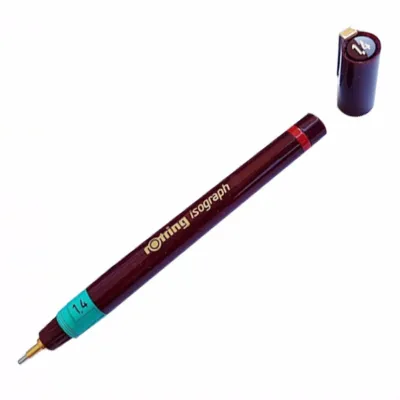
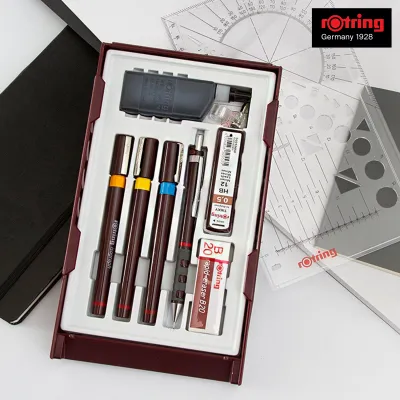
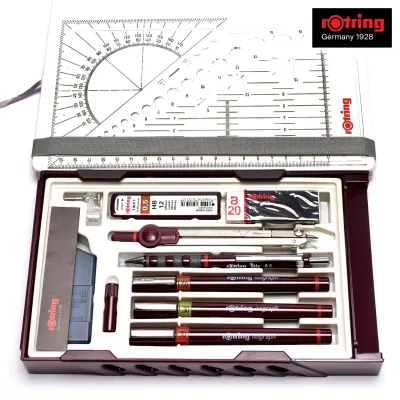
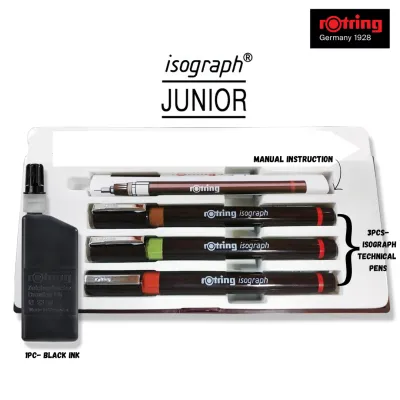
Prices are valid at publication and may change. Please refer to the product page for the latest price.

In contrast, the Isograph is designed as a versatile, long-term companion for creative professionals and technical artists. Instead of relying on disposable capillary cartridges, the Isograph features a refillable ink reservoir that you fill directly from an ink bottle. This makes the pen highly cost-effective over time, especially for high-volume inking projects. The physical nib structure is highly durable, allowing for intricate linework, detailed cross-hatching, and expressive illustrations.
The Tikky line, particularly the Tikky Graphic, serves a completely different market segment. It is positioned as an accessible, everyday graphic pen rather than a traditional, high-maintenance technical instrument. Featuring a simplified fiber or plastic tip and a pre-filled pigment ink system, the Tikky requires zero cleaning or assembly. It is designed for students, journalers, and hobbyists who need clean, lightfast lines without the learning curve and maintenance routine associated with steel-nibbed technical pens.
To confirm which model best aligns with your current project requirements, always check the manufacturer’s official packaging or product specifications. This verification step ensures you select a tool designed for your specific medium, whether you are drawing on tracing paper, vellum, or standard sketchbooks.
Key Comparison Dimensions to Verify Before Buying
When evaluating these pens in-store or online, pay close attention to several physical and functional specifications that directly impact your daily drawing experience.
Nib and Feed System
Traditional technical pens like the Rapidograph and Isograph feature hard chrome-plated stainless steel nibs that are incredibly precise but highly delicate. These nibs are available in standardized ISO line widths, ranging from ultra-fine sizes like 0.1mm up to thicker widths like 1.0mm. The internal feed mechanism relies on a tiny, weighted wire that moves back and forth to regulate ink flow as you write. The Tikky Graphic, on the other hand, utilizes a robust fiber tip supported by a metal collar, which is much more forgiving of heavy writing pressure but does not offer the absolute, unyielding line consistency of a steel nib.
Ink Delivery and Refills
The method of ink delivery is one of the most critical practical differences between these lines. The Rapidograph uses a sealed, proprietary capillary cartridge that you discard and replace once empty. This system minimizes the risk of ink spills and ensures the pen’s pressure-equalization system is renewed with every cartridge change. The Isograph uses a refillable tank that you top up with specialized technical drawing ink from a dropper bottle, which is significantly cheaper per milliliter. The Tikky Graphic is a disposable or simple pre-filled pen, meaning you do not have to handle liquid ink at all, though it lacks the long-term sustainability of the other two lines.
Build and Ergonomics
The physical construction of these pens influences how comfortable they are during long drawing sessions. The Rapidograph and Isograph feature the classic, durable burgundy plastic barrels associated with professional drafting tools, offering a balanced, lightweight feel that reduces hand fatigue. Their grip sections are smooth and cylindrical, designed for a precise, vertical drafting posture. The Tikky line features a more contemporary design, often incorporating a ribbed or textured grip section that provides excellent comfort for casual writing, sketching, and quick note-taking.
Price and Availability
When calculating your budget, consider both the initial purchase price in ₱ and the long-term cost of ownership. Traditional technical pens represent a larger upfront investment, with replacement nibs and specialized inks adding to the lifetime cost. The Isograph offers excellent long-term value due to its inexpensive bottled ink, while the Rapidograph requires ongoing purchases of proprietary cartridges. The Tikky is highly affordable upfront, making it easy to purchase multiple line widths at once, though you will need to replace the entire pen once the ink runs dry or the fiber tip wears down.
Matching the Pen to Your Specific Use Case
Aligning your drawing habits, professional requirements, and working environment with the right pen line will save you time, money, and frustration.
Professional Drafting and Precision
If your work involves architectural drafting, engineering schematics, or precise geometric patterns, the Rapidograph is highly recommended. Its capillary cartridge system is designed to perform reliably under varying atmospheric conditions, making it less prone to leaking or skipping. This reliability is crucial when working on expensive drafting films or official design submissions where a single ink blot could ruin hours of meticulous work.
Frequent Illustration and Inking
For comic book artists, mandala illustrators, and fine-art sketchers who consume large quantities of ink, the Isograph is the most practical choice. The ability to refill the pen from a bottle allows you to work continuously without worrying about running out of cartridges. Furthermore, the Isograph’s design makes it easier to perform deep cleans, which is highly beneficial if you use highly pigmented or water-resistant drawing inks that require frequent maintenance.
Student Projects and Casual Sketching
If you are a student taking introductory design courses, a hobbyist working on a bullet journal, or an artist who sketches on the go, the Tikky is the most sensible option. It requires no maintenance, can be tossed into a pencil case without fear of leaking, and performs beautifully on standard sketchbook paper. It allows you to develop your linework skills without the stress of maintaining a delicate, expensive steel nib.
Before finalizing your decision, create a shortlist of the specific line widths your projects require. Verify which pen line has the most consistent stock of those specific nib sizes in your preferred local art supply shops or trusted online retailers, as some specialized widths can occasionally be difficult to find.
Maintenance, Cleaning, and Care Requirements
Owning a professional technical pen requires a commitment to regular maintenance to prevent ink from drying and clogging the delicate internal mechanisms.
Cleaning Frequency
Traditional technical pens like the Rapidograph and Isograph must be cleaned regularly, especially if they are left unused for more than a couple of weeks. In the warm, humid climate of the Philippines, ink inside an idle pen can dry out or thicken, leading to clogs. A good rule of thumb is to flush your pens every time you change the ink cartridge or refill the reservoir, or at least once a month during periods of regular use.
Disassembly and Flushing
To clean your pen safely, carefully unscrew the nib unit from the barrel according to the manufacturer’s instructions. Soak the nib unit in lukewarm water or an official technical pen cleaning fluid. Avoid using harsh household solvents, boiling water, or alcohol, as these can warp the plastic components and damage the delicate internal seals. Gently flush water through the nib until it runs completely clear, then let the parts dry thoroughly on a clean paper towel before reassembling.
Storage Conditions
Proper storage is essential for maintaining consistent ink flow. Always store your technical pens horizontally or with the nib pointing slightly upward when not in use. This prevents ink from pooling in the cap and drying around the tip. Ensure the caps are screwed on tightly to create an airtight seal, protecting the ink from the ambient air.
If you encounter a severe clog that does not resolve after a standard soak, or if you suspect the delicate internal wire is bent, stop immediately. Do not attempt to force sharp objects into the nib. Consult the product manual or seek assistance from a qualified professional to avoid permanently damaging your investment.
Frequently Asked Questions (FAQ)
Can I use the same ink for all three Rotring pen lines?
No, you cannot use the same ink across all three lines due to their completely different delivery systems and physical designs. The Rapidograph requires proprietary capillary cartridges designed specifically for its unique pressure-equalization system. The Isograph is designed to be filled with specialized, high-density technical drawing ink from dropper bottles. The Tikky Graphic is a pre-filled, disposable pen that cannot be refilled once the ink is depleted.
It is critical to avoid using standard fountain pen inks, heavy acrylic inks, or traditional India inks in your Rapidograph or Isograph. Fountain pen ink is typically too thin and may cause leaking, while unapproved pigmented inks can permanently clog the microscopic channels of a technical pen nib. Always check the ink bottle labels and your pen’s user manual to verify official compatibility.
What should I do if my technical pen stops writing?
If your technical pen stops writing or begins to skip, start by gently tapping the pen vertically on a scrap piece of paper to encourage the internal weighted wire to move and clear any minor air bubbles. Check the ink level to ensure the cartridge or reservoir is not empty. If the pen has been sitting unused, the ink may have dried slightly at the very tip of the nib.
To resolve minor dry clogs, dip the tip of the nib in warm water for a few seconds, then gently draw a few lines on a scrap piece of paper to draw the fresh ink down. If this does not restore the flow, perform a full flush by disassembling the nib unit and soaking it in warm water or official cleaning solution. Never shake the pen violently or use excessive force, as this can damage the delicate internal wire and ruin the nib permanently.
Community discussion
Share your experience or ask a question. Comments are reviewed before publication.