
Quick Guide: Which Round Bead Material Fits Your Project?
Selecting the ideal round beads for your crafting, jewelry-making, or design projects can transform a simple piece into an exquisite work of art. The material you choose dictates not only the aesthetic appeal of your project but also its weight, durability, and cost. Whether you are designing a delicate pair of earrings, a heavy statement necklace, or a rustic macrame wall hanging, understanding how glass, plastic, wood, and stone behave is essential for creating long-lasting designs.
To find the best starting point, consider the core characteristics of each material:
- Glass beads offer high shine, exceptional light refraction, and a premium feel, though they are fragile.
- Plastic and acrylic beads provide a lightweight, highly affordable, and shatter-resistant alternative for high-volume crafts.
- Wood beads bring an organic texture, natural warmth, and a lightweight, earthy aesthetic to designs.
- Stone beads deliver a substantial, premium weight, cool tactile feel, and highly unique natural patterns.
Your primary decision factors should revolve around the project type, desired weight, durability requirements, and budget constraints. For instance, a heavy natural stone bead might be perfect for a premium grounding bracelet but completely impractical for a child’s lightweight play necklace. By matching these material properties to your specific application, you can ensure your creation remains both beautiful and functional over time.
Products mentioned in this guide
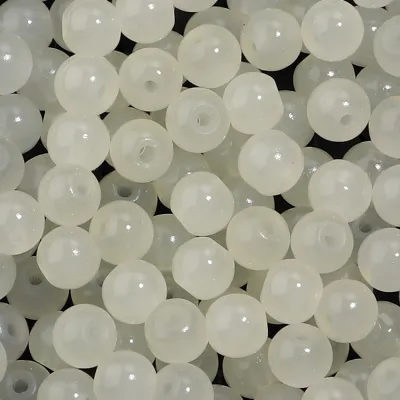
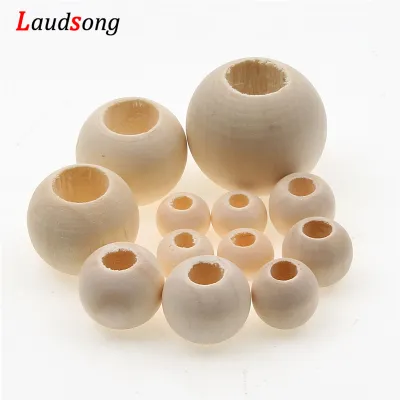
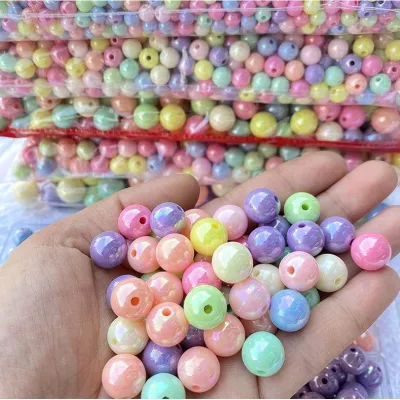
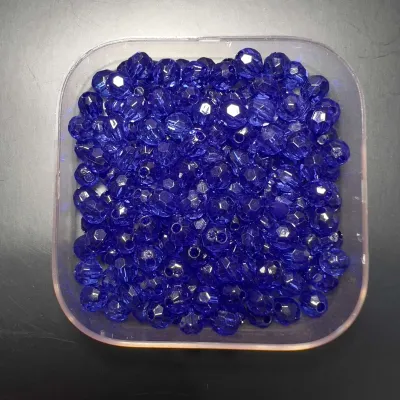
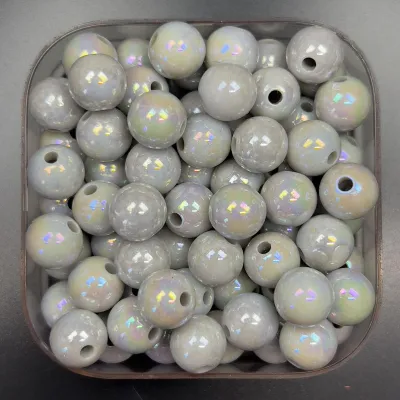
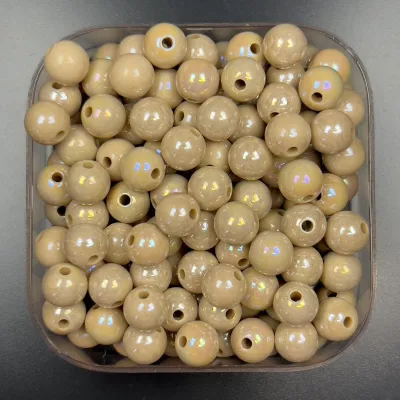
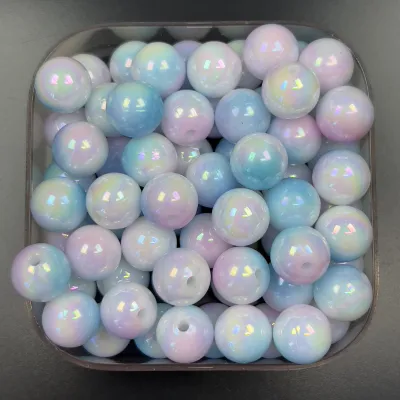
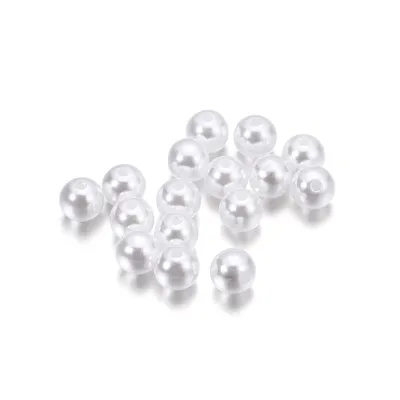
Prices are valid at publication and may change. Please refer to the product page for the latest price.
Glass Round Beads: Best for Shine and Fine Detail
Glass round beads are highly prized for projects that require exceptional visual clarity, brilliant light refraction, and a premium, polished aesthetic. When light passes through high-quality glass, it creates a vibrant play of color and shine that synthetic materials struggle to replicate. Additionally, glass offers excellent color consistency across batches, making it a reliable choice for complex, symmetrical jewelry designs where uniform appearance is paramount.

While glass beads elevate the visual value of any piece, they carry distinct physical properties that require careful handling. Glass is significantly heavier than plastic or wood, which gives finished jewelry a satisfying, high-end heft. However, this weight comes with fragility. Glass beads are prone to chipping, cracking, or shattering if dropped on hard surfaces like tile or concrete, meaning they may not be suitable for everyday activewear or items subject to rough handling.
When sourcing glass beads, verifying quality is essential for the structural integrity of your project. Inspect the beads closely for uniform hole drilling and ensure the edges of the drill holes are perfectly smooth. Rough or sharp glass edges around the entry and exit holes can easily fray or slice through delicate stringing materials like silk thread or nylon cord over time. Furthermore, check for the absence of internal air bubbles or prominent surface seams, which are common indicators of lower-quality manufacturing.
These characteristics make glass round beads ideal for fine jewelry, suncatchers, detailed bead embroidery, and high-end embellishments. They perform exceptionally well in pieces that sit safely against the skin, such as formal necklaces, drop earrings, and decorative home accents that capture natural sunlight.
Plastic and Acrylic Round Beads: Ideal for Lightweight and Budget Crafts
For high-volume, budget-conscious, or lightweight projects, synthetic round beads offer unmatched versatility and resilience. It is helpful to differentiate between standard injection-molded plastic and cast acrylic. Standard plastic beads are highly economical but often feature visible seams, whereas cast acrylic beads undergo a more refined manufacturing process, resulting in superior clarity, richer colors, and a polished appearance that closely mimics genuine glass.
One of the greatest advantages of plastic and acrylic round beads is their extremely lightweight nature. This makes them comfortable to wear even in massive, oversized statement designs that would otherwise be too heavy if made of glass or stone. They are also highly affordable—often costing only ₱20 to ₱80 for a bulk pack in local markets—and are virtually shatterproof, making them incredibly safe for all age groups.
However, synthetic beads do have clear limitations. They are highly susceptible to surface scratching from everyday wear, which can dull their shine over time. When exposed to prolonged tropical sunlight and sweat, lower-grade plastics may experience UV yellowing or color fading. They also lack the cool, premium tactile feel of natural stone or the substantial heft of glass, which can make them feel less premium to the touch.
Before starting your assembly, perform a quick quality check on your plastic beads. Look for prominent mold seams running across the center of the beads and inspect the drill holes for sharp, leftover plastic flashing that could snag your thread. Sanding down these minor imperfections or sorting out defective pieces beforehand will dramatically improve the finished look of your work. These beads are highly recommended for children’s crafts, large statement necklaces, keychains, and high-volume decorative holiday projects.
Wood Round Beads: Perfect for Natural Texture and Comfort
Wood round beads introduce a warm, organic, and highly tactile quality to designs. Because they are harvested from natural timber, each bead features unique grain variations, subtle color shifts, and a soft texture that feels incredibly comfortable against the skin. Wood is exceptionally lightweight, allowing designers to create chunky, voluminous pieces that remain effortless to wear throughout the day.
When choosing wood beads, the type of finish heavily influences both the aesthetic and the care requirements. Unfinished wood beads offer a raw, rustic look but are highly porous and susceptible to absorbing dirt, skin oils, and moisture. Oiled wood beads feature a subtle sheen that highlights the natural grain while providing a basic layer of protection. Painted or sealed wood beads offer vibrant colors and a smooth, water-resistant barrier, though the outer coating can eventually chip or wear away with heavy use.
Because wood is a natural material, it reacts dynamically to environmental conditions. In humid tropical climates, unfinished wood beads can absorb moisture from the air, causing them to swell slightly, which may temporarily tighten the drill holes or even invite mold if left in damp, unventilated spaces. When verifying quality, inspect the beads for smooth sanding to ensure there are no splinters. Check that the drill holes are clean and free of trapped wood fibers, which can block your stringing needle.
Wood round beads are uniquely suited for macrame wall hangings, rustic jewelry, mala bracelets, and sensory toys. Their natural breathability and warmth make them a favorite for casual, bohemian-style accessories that are meant to be handled frequently.
Stone Round Beads: Best for Durability and Premium Weight
Natural and synthetic stone round beads are the premier choice for durable, high-impact designs that require a substantial, high-end feel. Stone beads carry a significant physical weight that instantly communicates luxury and permanence. They also retain a signature cool-to-the-touch temperature, providing a refreshing tactile experience that many jewelry enthusiasts highly appreciate.
When shopping for stone round beads, it is important to understand the distinctions between natural stone, dyed stone, and reconstituted alternatives. Natural stone beads are cut and polished directly from mineral formations, showcasing genuine inclusions, banding, and color variations. Dyed stones are natural minerals (such as howlite or chalcedony) treated with colorants to mimic rarer gemstones like turquoise. Reconstituted stone consists of crushed stone fragments bound together with resin. Always check product descriptions carefully, as dyed stones can sometimes bleed color when exposed to sweat, perfumes, or water.
From a structural standpoint, the heavy weight of stone beads demands robust engineering. Standard elastic cords can stretch out, sag, or snap prematurely under the constant weight and abrasive internal edges of stone drill holes. To prevent structural failure, stone round beads should be paired with stronger stringing materials, such as multi-strand stainless steel beading wire. Additionally, ensure the beads are polished smoothly around the drill holes to prevent the stone from slowly sawing through the cord.
Stone round beads are highly recommended for premium bracelets, statement pendants, grounding jewelry, and men’s accessories. Their exceptional hardness ensures they resist scratches and maintain their beautiful finish for decades with proper care.
How to Match Bead Materials to Your Project Needs
To select the right round beads for your specific project, it helps to compare how these four materials perform across key practical dimensions. Balancing weight, durability, and cost will guide you to the most reliable material and stringing combination.
| Material | Relative Weight | Scratch & Shatter Resistance | Cost Level (PHP) | Best Stringing Material |
|---|---|---|---|---|
| Glass | Medium-Heavy | High scratch resistance; low shatter resistance | Low to Medium (₱50 – ₱200 per strand) | Nylon thread, silk cord, or thin flexible wire |
| Plastic/Acrylic | Very Light | Low scratch resistance; high shatter resistance | Very Low (₱20 – ₱80 per bulk pack) | Elastic cord, polyester thread, or monofilament |
| Wood | Light | Medium scratch resistance; high shatter resistance | Low to Medium (₱30 – ₱150 per pack) | Hemp, cotton cord, or thick elastic |
| Stone | Heavy | High scratch resistance; high shatter resistance | Medium to High (₱100 – ₱600+ per strand) | Multi-strand stainless steel wire or thick elastic |
Pairing your chosen bead material with the correct stringing medium is critical for the longevity of your design. Heavy stone beads require the rigid support of flexible, nylon-coated steel wire to maintain their shape and prevent stretching. Lightweight wood and plastic beads, on the other hand, pair beautifully with flexible elastic cords, making them easy to slip on and off. For glass beads, using a smooth, knotted nylon or silk thread prevents the beads from rubbing against one another and chipping.
Finally, consider the overall drape and movement of your finished piece. Heavy materials like stone and glass drape closely against the body, moving with a fluid, liquid-like swing that feels substantial. Lightweight materials like wood and acrylic sit higher on the body and move dynamically with less momentum. By matching the bead’s physical weight to the intended movement of the design, you can create a piece that is both structurally sound and comfortable to wear.
Frequently Asked Questions (FAQ)
Can I mix different bead materials in one project?
Yes, mixing different bead materials in a single project is an excellent way to create visual contrast and unique textures. However, you must balance the weight distribution carefully. Concentrating heavy stone or glass beads on one side of a necklace while using lightweight acrylic on the other will cause the piece to pull unevenly and sit crookedly on the body. To maintain balance, distribute heavier beads symmetrically or use them as central focal points. Additionally, verify that the drill holes of all selected materials are large enough to accommodate the thickest stringing material required by the heaviest bead in your design.
How do I clean and maintain natural wood and stone beads?
To clean natural wood and stone beads safely, dry wiping with a soft, lint-free microfiber cloth is the best everyday method. Avoid soaking wood beads in water, as moisture absorption will cause the wood to swell, warp, or crack, and can eventually ruin painted or oiled finishes. For porous stone beads like turquoise, lapis lazuli, or howlite, avoid harsh chemical cleaners, dish soaps, and perfumes, which can seep into the stone’s pores and cause permanent discoloration. If a deeper clean is necessary for stone beads, use a slightly damp cloth, wipe them gently, and dry them immediately with a soft towel.
Community discussion
Share your experience or ask a question. Comments are reviewed before publication.