
Selecting a suitable adhesive for your journal or paper craft project requires balancing holding power with gentle, non-destructive properties. The most reliable tapes for preserving delicate pages are dry, acid-free, and low-tack options such as paper-based washi tapes, dry glue tape runners, and archival-grade double-sided tapes. These specialized stationery tools secure your photos, ephemera, and decorative elements without introducing moisture, which is the primary culprit behind warped, wrinkled, or bleeding paper. By selecting adhesives designed specifically for paper crafting, you can ensure your creative layouts remain flat and free from discoloration over time.
Why Standard Adhesives Damage Journal Pages
Liquid glues present significant risks when applied to standard notebook pages. The high water content in liquid school glues, white craft glues, and gel adhesives immediately saturates the cellulose fibers of the paper. As the water evaporates, the fibers shrink unevenly, resulting in unsightly wrinkling, warping, and buckling that cannot be easily flattened. This moisture can also react with fountain pen inks or delicate printed designs on the reverse side of the page, causing severe bleed-through.
Beyond immediate physical warping, the chemical composition of standard household adhesives poses a silent, long-term threat to paper products. Many common tapes and liquid glues contain acidic compounds and synthetic polymers that break down over time. As these acids degrade, they migrate into the surrounding paper fibers, causing a chemical reaction known as acid migration. This process manifests as yellow or brown staining, brittle edges, and the eventual disintegration of both the adhesive and the paper itself. For journals and scrapbooks meant to last for years, using non-archival adhesives guarantees premature aging.
Products mentioned in this guide
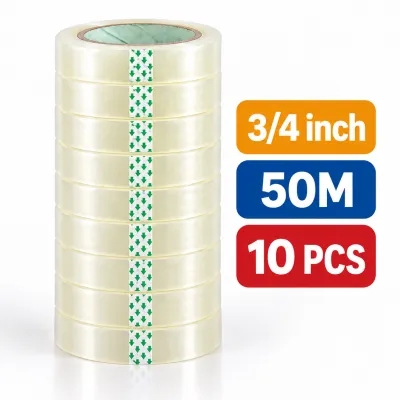
Prices are valid at publication and may change. Please refer to the product page for the latest price.
The physical strength of the adhesive bond is another critical factor that can compromise delicate paper. Standard office tapes, packing tapes, and heavy-duty double-sided tapes are engineered for permanent, high-strength utility bonding on non-porous surfaces. When applied to porous paper, these aggressive adhesives penetrate deep into the surface fibers. If you attempt to reposition an element, the tape will inevitably tear the top layer of the page, leaving behind sticky residue or a gaping hole. Even if left untouched, the high tension of a strong adhesive can cause thin paper pages to pull and warp under environmental changes.
Recommended Tape Types for Paper Crafting and Journaling
To safeguard your creative work, you must transition away from general-purpose utility adhesives and adopt specialized stationery tapes. The modern paper crafting market offers several highly effective categories of dry adhesives, each tailored to specific tasks, paper weights, and aesthetic preferences. These include decorative paper-based washi tapes, convenient dry glue tape runners, precise double-sided dot tapes, and continuous archival-grade double-sided tapes. By understanding the unique properties of each type, you can build a versatile adhesive toolkit that accommodates everything from lightweight tissue paper to heavy cardstock.

When shopping for any paper adhesive, the most critical step is to carefully inspect the product packaging and manufacturer specifications for specific safety designations. Look for explicit labels indicating that the product is “acid-free,” “lignin-free,” or “archival-safe.” These terms guarantee that the adhesive has been formulated without the harmful acidic compounds that cause yellowing and paper degradation over time. Additionally, because adhesive formulations can vary significantly between manufacturers, it is highly recommended to verify the performance, tackiness, and long-term stability of a new tape through hands-on testing on scrap materials before committing it to your primary journal.
Washi Tape for Repositionable and Decorative Use
Traditional washi tape, crafted from natural fibers like bamboo or mulberry bark, is a staple in the journaling community due to its low-tack adhesive backing. This formulation allows the tape to hold paper elements securely while remaining easy to peel off and reposition without leaving sticky residue or tearing the page. It is an excellent choice for temporary layouts, masking off borders for watercolor blending, and adding decorative accents to planner pages.
However, not all decorative tapes sold as “washi” share these gentle properties. Many modern variants utilize synthetic plastic backings or stronger, permanent acrylic adhesives that mimic the look of traditional paper tape but lack its repositionable qualities. Before applying a highly patterned or metallic-foiled tape, check the material composition on the label to ensure it is truly paper-based. If the backing feels glossy or stiff, the adhesive is likely much stronger and may damage delicate paper fibers upon removal.
To prevent unexpected damage, establish a habit of testing any new roll of decorative tape on a scrap piece of paper that matches your journal’s weight and texture. Apply a small strip, press it down firmly, and let it sit for a few minutes. Gently peel the tape back at a shallow angle to observe how the paper fibers react. If the tape pulls up any fibers, reserve that specific roll for permanent borders rather than temporary page elements.
Glue Tape Runners for Wrinkle-Free Flat Bonding
Glue tape runners represent a highly effective alternative to traditional liquid glues, offering a completely dry application process that eliminates the risk of paper warping. These hand-held dispensers house a thin plastic carrier film coated with a dry, pressure-sensitive adhesive. As you roll the dispenser across your paper, the adhesive transfers smoothly and instantly to the surface, allowing you to bond photos, receipts, or paper cutouts flat against your journal page without introducing moisture.
When selecting a glue tape runner, check the product label to determine whether the adhesive is classified as “repositionable” or “permanent.” Repositionable runners apply a low-tack adhesive that allows you to adjust the placement of your paper elements for a short window of time before curing into a secure bond. Permanent runners establish an immediate, high-strength bond that is difficult to alter without tearing the paper. Matching the runner’s adhesive type to your specific project needs prevents frustrating placement errors and accidental page damage.
Beyond the adhesive formulation, evaluate the physical design and compatibility of the glue tape runner dispenser. Many high-quality stationery brands offer refillable dispensers, which are more cost-effective and environmentally friendly than disposable models. Verify that replacement tape cartridges are readily available and check the width of the tape, which typically ranges from 4mm for detailed work to 8.4mm or wider for securing large photos. Choosing a runner with a protective cap also prevents the adhesive from collecting dust in your pencil case.
Double-Sided Dot Tape for Heavy Embellishments
While standard flat tape runners are excellent for lightweight paper-to-paper bonding, heavier embellishments require a specialized adhesive structure. Double-sided dot tape dispensers apply a pattern of tiny, individual adhesive dots rather than a continuous solid strip. This dot pattern provides exceptional flexibility and high initial tack, making it a preferred choice for securing textured materials, thick cardstock, fabric ribbons, wooden veneer shapes, or small metal charms to your journal pages without causing the paper to buckle.
Because dot tape is engineered to support heavier, non-porous items, the adhesive is significantly stronger than that of standard washi tape or repositionable runners. This high-tack formulation means that once the adhesive dots make contact with porous paper fibers, they form a permanent bond almost instantly. Attempting to pull up or adjust an embellishment secured with dot tape will almost certainly result in tearing the underlying page. Therefore, utilize double-sided dot tape only for permanent placements where you are entirely confident in the layout design.
To ensure a clean and professional finish, check the dot diameter of the tape runner before application. Standard dot tapes usually feature dot sizes ranging from 1mm to 3mm. If you are working with very narrow ribbons, delicate die-cuts, or tiny paper ephemera, select a micro-dot runner to prevent the adhesive from oozing out past the edges of your embellishment. Any exposed adhesive dots left on the page will remain sticky, catching dust or causing adjacent journal pages to stick together when closed.
Acid-Free Double-Sided Tape for Archival Scrapbooking
For long-term preservation projects, such as family scrapbooks, heritage photo albums, and historical journals, continuous double-sided tape is a reliable standard. This tape features a thin, flat carrier material coated on both sides with a high-performance, permanent adhesive. Unlike dot tapes or temporary runners, archival double-sided tape provides an unbroken line of adhesion, ensuring that the edges of photos, memorabilia, and heavy cardstock remain perfectly flat and secure against the page for decades without lifting or curling.
When purchasing double-sided tape for archival purposes, verify that the packaging explicitly states the product is both “acid-free” and “lignin-free.” Lignin is a naturally occurring organic polymer found in wood pulp paper that, if not removed during manufacturing, breaks down and produces acids that yellow and degrade both the tape and adjacent photographs. Utilizing a tape dispenser designed for archival scrapbooking allows for incredibly precise placement, ensuring the adhesive is applied exactly along the outer perimeter of your photos without touching or damaging the delicate emulsion layer of the print.
To maintain the chemical integrity and adhesive strength of your archival double-sided tape, proper storage is paramount. This is especially true in humid climates, such as in the Philippines, where excess moisture in the air can degrade adhesive compounds over time. Manufacturers recommend storing unused tape rolls and dispensers in a cool, dry environment away from direct sunlight, high humidity, and extreme temperature fluctuations. Exposure to heat and moisture can accelerate the breakdown of the adhesive polymers, causing the tape to lose its tackiness or transfer unevenly during application.
How to Match Tape to Your Paper Weight and Project
Selecting the right tape requires a careful evaluation of the paper products you are bonding together. The weight of paper is typically measured in grams per square meter (GSM), and this metric dictates how much physical stress the page can handle. Lightweight papers, such as standard 52 GSM to 68 GSM Tomoe River paper commonly found in high-end journals, have incredibly delicate fibers that require ultra-low-tack adhesives like traditional washi tape or light repositionable runners. Applying a heavy-duty permanent tape to these thin pages will cause them to pull, warp, or tear under the tension of the adhesive.
Conversely, medium to heavy paper products, such as 100 GSM to 160 GSM bullet journal pages, mixed-media paper, and thick cardstock, possess the structural integrity to support stronger adhesives. For these robust surfaces, permanent glue runners, double-sided dot tapes, and archival double-sided tapes are highly suitable. The thicker paper fibers can easily withstand the high tack of these permanent bonds without warping. However, the texture of the paper also plays a critical role. Highly textured papers, such as cold-press watercolor paper, feature deep valleys and ridges that limit the contact surface area for flat tapes. In these cases, a double-sided dot tape or a slightly thicker dry adhesive is necessary to bridge the gaps and establish a secure grip.
Coated and glossy papers, such as photographs, glossy sticker sheets, and clay-coated magazine pages, present a different challenge. These non-porous surfaces prevent standard water-based or low-tack adhesives from penetrating and gripping. To bond glossy elements securely, you must use a high-tack, solvent-free permanent double-sided tape or a dedicated photo-safe glue runner. Before purchasing your supplies, use a simple decision framework: evaluate if the element needs to be repositioned later, measure the thickness and texture of both the backing page and the embellishment, and check the manufacturer’s compatibility guidelines to ensure a lasting, damage-free bond.
Application Tips to Prevent Bleed-Through and Wrinkling
Even high-quality stationery tape can fail or cause page damage if applied incorrectly. Before you begin any taping or bonding process, ensure that your workspace and hands are completely clean and dry. Natural oils from your skin, hand lotions, moisture, and fine particles like eraser dust or graphite powder can contaminate the adhesive backing of the tape. This contamination drastically reduces the tape’s bonding strength, leading to lifting edges and peeling over time. Wipe down your desk and wash your hands thoroughly before handling delicate journal pages and archival tapes.
Once the tape is positioned on the page, proper bonding requires even pressure rather than excessive force. Use a professional bone folder, a clean plastic scraping tool, or a soft, dry microfiber cloth to gently burnish the tape from the center outward to the edges. This burnishing process activates the pressure-sensitive adhesive, ensuring a complete and uniform bond with the paper fibers without stretching, pulling, or tearing the delicate page. Avoid using your fingernails or rough materials to rub the tape, as this can scratch the paper surface, smear nearby ink, or transfer oils back onto the page.
Finally, never underestimate the value of a dedicated scrap paper pad for conducting trial runs. Because every combination of paper weight, texture, ink, and adhesive behaves differently, testing a small strip of tape on a matching scrap piece of paper is the most reliable way to prevent accidental damage to your main journal. Apply the tape, burnish it, let it sit for a few minutes, and observe the results. Check for any signs of wrinkling, bleed-through, or fiber tearing upon removal. This simple, proactive step ensures that your final creative layouts remain flawless and beautifully preserved.
Frequently Asked Questions (FAQ)
Can I use standard office tape for journaling?
Standard transparent office tape is not recommended for journaling, scrapbooking, or any long-term paper crafting projects. These utility tapes are typically formulated with acidic adhesives and unstable plastic backings that degrade rapidly when exposed to light and air. Over time, the adhesive will turn yellow or brown, dry out, and flake off, leaving behind permanent, unsightly stains and brittle paper fibers. To protect your creative work and ensure your journal pages remain intact for years to come, reserve standard office tape for temporary household tasks and invest in acid-free, archival-safe stationery tapes.
How do I remove washi tape without tearing the page?
To remove low-tack washi tape safely from delicate journal pages, always peel it back slowly at a sharp, low angle—almost flat against the page—rather than pulling it straight up at a ninety-degree angle. Pulling upward exerts maximum tension on the paper fibers, increasing the risk of a tear. If the tape resists peeling or has been in place for a long time, check the manufacturer’s removal guidelines. You can also use a hair dryer on its lowest, coolest setting to gently warm and soften the adhesive before peeling, taking care not to overheat or damage any delicate paper coatings or heat-sensitive inks on the page.
Is glue tape better than liquid glue for thin paper?
Yes, dry glue tape is significantly better than liquid glue for thin, lightweight paper products because it completely eliminates the water content that causes paper to buckle, warp, and wrinkle. Liquid glues saturate thin paper fibers, leading to uneven drying and severe bleed-through that can ruin the reverse side of your page. However, liquid glue may still be necessary for highly porous, heavily textured, or thick dimensional materials where dry tape struggles to establish a continuous grip. In these cases, ensure the paper is thick enough to handle the moisture, and apply the liquid glue sparingly with a fine-tip applicator.
Community discussion
Share your experience or ask a question. Comments are reviewed before publication.