
To choose the best Sakura brush pen for brush lettering in the Philippines, you must match the pen’s ink chemistry and tip flexibility to your experience level and the local environment. For beginners seeking control and archival permanence, the Sakura Pigma Brush Pen series (featuring pigment-based, water-resistant ink) is highly recommended. For intermediate to advanced artists focusing on vibrant, blendable designs, the Sakura Koi Coloring Brush Pen series (with water-soluble dye ink) offers excellent flexibility. Because the tropical climate and high relative humidity in the Philippines can slow drying times and cause paper to absorb ambient moisture, selecting the right combination of pen tip, ink type, and paper stock is essential for clean, crisp lettering.
Identify Your Lettering Needs Before Choosing a Sakura Pen
Before purchasing any brush pen, evaluating your current skill level is the most critical step. Beginners often struggle with pressure control, making it difficult to transition smoothly between thick downstrokes and thin upstrokes. If you are just starting, a brush pen with a stiffer tip or a smaller nib profile will provide the resistance needed to stabilize shaky hands. Advanced letterers, on the other hand, often prefer highly flexible, springy tips that allow for dramatic line variation and expressive, sweeping curves, even if those tips require a more delicate touch.
The scope and scale of your projects should also dictate your choice of writing instrument. If your primary goal is daily journaling, planner layouts, or small-scale envelope calligraphy, a fine-tipped brush pen is necessary to keep your letters legible within tight grid lines or small spaces. Conversely, if you are working on large-scale canvas pieces, hand-lettered quotes on poster boards, or bold title headers, you will need a larger, more flexible brush tip that can fill space efficiently and create high-contrast strokes without wearing out prematurely.
Products mentioned in this guide
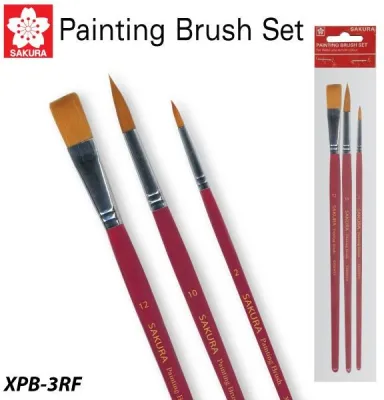
Prices are valid at publication and may change. Please refer to the product page for the latest price.
Environmental factors are particularly important to consider when practicing brush lettering in the Philippines. The local tropical climate brings high relative humidity, which directly affects how paper and ink interact. Paper fibers naturally absorb moisture from the air, making them softer and more receptive to ink. If you use water-soluble dye inks on standard paper in a humid room, the ink is highly likely to spread outward along the damp fibers, causing fuzzy edges. Furthermore, drying times are significantly extended in humid conditions, which increases the risk of accidental smudging as your hand moves across the page.
Overview of Sakura Brush Pen Series for Lettering
Sakura categorizes its brush pens based on two primary engineering factors: the physical construction of the tip and the chemical formulation of the ink. Understanding these distinctions allows you to predict how a pen will behave on different paper surfaces before you invest your money. By choosing the correct series, you can ensure that your tools support your specific artistic goals rather than working against them.

The brand offers distinct lines ranging from professional-grade archival pigment liners to vibrant, water-based coloring brushes and traditional Japanese fude pens. The following breakdown explores the unique characteristics of each series, helping you build a versatile lettering toolkit tailored to your preferred style, paper choice, and local environmental conditions.
Pigma Brush Pen Series
The Pigma series is renowned for its use of Sakura’s proprietary Pigma ink, which is a pigment-based formula. Unlike dye-based inks that dissolve completely in water, pigment inks contain microscopic particles that settle into the paper fibers. Once dry, this ink is highly water-resistant, fade-resistant, and chemically stable, meeting archival quality standards. This makes the Pigma Brush Pen an exceptional choice for lettering projects that must withstand the test of time, such as wedding invitations, keepsake journals, or mixed-media artwork where you plan to paint watercolor washes over your dried lettering.
In terms of physical handling, Pigma Brush Pen tips are designed to offer a balance of flexibility and snap. “Snap” refers to the tip’s ability to quickly return to its original pointed shape after being bent during a downstroke. This springiness is crucial for maintaining clean transitions between thick downstrokes and thin upstrokes. The Pigma line includes various tip sizes, including the Pigma Brush, Pigma Professional Brush (available in Fine, Medium, and Bold), and the Pigma Micron Brush, allowing you to select the exact level of control needed for your lettering scale.
Ideal use cases for the Pigma series include detailed modern calligraphy, daily bullet journaling where page bleed-through must be minimized, and multi-layered illustrations. Because the ink is waterproof once cured, you can safely layer other wet media over your lettering without worrying about smearing or muddying your work. These pens are generally disposable and non-refillable, so verifying your project’s size and selecting the appropriate tip dimension beforehand is essential for a seamless workflow.
Koi Coloring Brush Pens
The Koi Coloring Brush Pen series utilizes a water-based, dye-based ink formulation. Dye inks are known for their exceptional vibrancy and transparency, offering a bright, saturated color payoff that is difficult to achieve with pigment inks. Because the ink is water-soluble, it behaves similarly to liquid watercolor. This opens up a wide range of creative possibilities for brush lettering, including color blending, gradient transitions, and ombre effects.
The tips of Koi brush pens are made from a durable, flexible synthetic material that acts like a traditional paintbrush. They are larger and softer than the Pigma brush tips, allowing for bold, expressive strokes and dramatic line variation. While they are highly flexible, they are also resilient enough to withstand significant pressure during downstrokes without permanently losing their shape, provided they are used on smooth paper.
These pens are best suited for colorful, illustrative lettering, decorative headers, and blending practice. You can easily blend two colors directly on a plastic palette or use a water brush pen to bleed the colors together on watercolor paper. However, because the ink is dye-based, it is not waterproof or fade-resistant; prolonged exposure to direct sunlight or moisture will cause the colors to fade or run, making them less ideal for archival documents but perfect for scanning, digital reproduction, and low-stakes practice.
Fude Pen and Specialty Nibs
For writers interested in traditional Asian calligraphy styles or highly structured, compact modern lettering, Sakura produces specialty fude (brush) pens. These pens often feature smaller, stiffer elastomer or felt nibs rather than long, flexible nylon fibers. The stiffer construction provides maximum control over line width, making it much easier to execute precise, sharp strokes without the pen tip bending unpredictably.
Specialty Sakura fude pens are engineered to mimic the ink flow of a traditional ink stone and brush. The ink flow is carefully regulated to prevent pooling, ensuring that even rapid strokes remain clean and defined. These pens are highly favored for small-scale lettering, Chinese or Japanese character writing, and adding crisp, structured headers to planners.
The primary limitation of these specialty stiff-nib pens is their lack of dramatic line variation. If you want to create large, sweeping, high-contrast modern brush lettering, a stiff fude nib will feel restrictive. They are not designed for filling large areas or creating soft, blended gradients, making them a specialized tool rather than a general-purpose lettering pen.
Match Pen Tips and Ink Types to Your Lettering Technique
Choosing the right Sakura pen requires matching the physical properties of the pen to your personal writing style and the paper you use. The first major consideration is the tip material. Nylon and synthetic fiber tips (found in the Koi series) offer excellent flexibility and a painterly feel, but they require a smooth paper surface to prevent the fibers from catching and fraying. Elastomer or felt-style tips (often found in smaller Pigma models) provide a firmer feel with more resistance, which is highly beneficial for beginners who tend to apply too much pressure or have inconsistent hand control.
The second consideration is the ink type and its interaction with paper, especially under local environmental conditions. In the Philippines, the ambient humidity can cause standard paper to hold microscopic moisture, which accelerates ink absorption. When dye-based inks (like those in Koi pens) hit moisture-laden paper, they tend to spread rapidly along the paper fibers, a phenomenon known as feathering. To prevent this, dye-based pens should be paired with heavy, coated, or highly sized papers (such as marker paper or smooth bristol board) that resist rapid absorption. Pigment-based inks (like Pigma ink) are less prone to feathering because the solid pigment particles sit on top of the paper fibers rather than soaking deep into them, making them more forgiving on a wider variety of paper weights.
Because smoothness, bleed resistance, drying speed, and water resistance depend entirely on the exact combination of pen ink and paper material, you should always perform a simple trial before starting a final project. Use this step-by-step verification method on a scrap piece of your chosen paper:
- Smoothness Check: Draw a series of continuous loops. Note if the tip glides effortlessly or if you feel friction and fiber resistance.
- Bleed Resistance Test: Draw a solid 5-centimeter block of ink. Turn the page over to check if the ink has bled through to the reverse side or caused the paper to warp.
- Drying Speed Test: Draw five parallel lines. Smudge them with your finger at 5-second, 10-second, and 15-second intervals to determine the exact drying time in your local room temperature and humidity.
- Water Resistance Test: Let a stroke dry completely for 10 minutes, then run a lightly damp brush or cotton swab over it to observe if the ink bleeds or remains perfectly crisp.
To help you decide which pen to use, consider this practical decision framework based on your lettering goals:
- For Daily Journaling and Planners: Choose the Pigma Professional Brush (Fine or Medium). The pigment ink will not bleed through thin planner pages, and the controlled tip allows for neat, small-scale writing.
- For Colorful Blending and Art Prints: Choose the Koi Coloring Brush Pens. Pair them with smooth, heavy cardstock or watercolor paper to leverage their water-soluble blending capabilities.
- For Beginner Practice: Choose the Pigma Brush Pen or a stiff-nib fude pen. The firmer tip helps build muscle memory for upstrokes and downstrokes without the frustration of an overly floppy brush.
- For Mixed-Media and Watercolor Accents: Choose the Pigma series. Write your lettering first, let it dry completely, and then paint over it with watercolors or water-based markers without risking any ink bleeding.
Where to Buy and How to Verify Authenticity in the Philippines
With the growing popularity of brush lettering in the Philippines, counterfeit stationery products have become increasingly common on online marketplaces and unauthorized retail stalls. To ensure you are getting genuine Sakura products that deliver the expected ink flow and tip durability, it is best to purchase from established, authorized art supply stores. Major national bookstores and dedicated local art supply shops are reliable physical sources. When shopping on online marketplaces, look for official brand stores or preferred sellers with high ratings, positive customer reviews, and clear return policies.
When your pens arrive, perform a thorough visual and physical inspection to verify their authenticity:
- Packaging and Printing: Genuine Sakura pens feature crisp, clear printing on the pen barrel. The text should be perfectly aligned, with no blurry fonts, spelling errors, or smudged logos.
- Barcode and Labels: Check the barcode printed on the barrel or packaging. Authentic pens have clean, high-contrast barcodes. Many counterfeit pens have poorly printed, pixelated barcodes or labels that peel off easily.
- Cap Fit and Seal: The cap of a genuine Sakura pen should click securely into place, creating an airtight seal to prevent the ink from drying out. If the cap feels loose, does not click, or has rough plastic edges from poor molding, it may be a counterfeit.
- Nib Inspection: Examine the brush tip under good lighting. A genuine Sakura tip should be perfectly pointed, with no loose fibers, split ends, or asymmetrical molding.
If you receive a pen that is completely dried out, has a damaged tip, or shows signs of tampering (such as a broken seal or ink stains on the barrel), contact the seller immediately. Document the issue with clear photos or a video of the pen’s performance on paper. Reputable sellers on major ecommerce platforms in the Philippines will typically offer a refund or replacement for defective items if reported within the platform’s return window. When investing your hard-earned ₱ on quality stationery, taking these verification steps ensures you receive the performance you paid for.
Frequently Asked Questions (FAQ)
How do I prevent my Sakura brush pen tip from fraying?
Fraying is one of the most common issues faced by brush letterers, but it can be easily prevented with proper care and technique. First, always store your Sakura brush pens horizontally. Storing them tip-down can cause excess ink to pool in the cap, while storing them tip-up can cause the ink to drain away from the nib, leading to dry writing and premature fraying. Horizontal storage ensures an even distribution of ink throughout the pen barrel.
Second, pay close attention to your writing angle and pressure. When executing downstrokes, apply pressure gradually and use the side of the brush tip rather than pushing directly down on the point. On upstrokes, completely release the pressure so that only the very tip of the pen touches the paper. Writing on rough surfaces, such as standard copy paper or textured watercolor paper, acts like sandpaper on delicate synthetic fibers; always use ultra-smooth papers like tracing paper, marker paper, or smooth bristol board for practice.
If a pen tip does eventually fray, do not throw it away. You can retire it from fine lettering and repurpose it for broad background coloring, filling in large shapes, or creating textured, dry-brush lettering effects.
Can I use Sakura brush pens on standard printer paper?
It is generally not recommended to use Sakura brush pens on standard printer paper (usually 70 to 80 gsm copy paper) for finished lettering projects. Standard copy paper is highly absorbent and lacks the protective coating (sizing) found in dedicated art papers. When you write on it, the paper fibers act like a sponge, pulling the ink out of the pen tip too quickly. This causes dye-based inks (like Koi) to bleed through to the back of the page and feather along the edges, destroying the sharp contrast required for beautiful calligraphy.
For optimal results, look for papers with a weight of at least 100 gsm that feature a smooth, coated finish. Smooth marker paper, heavy cardstock, or bristol board (smooth finish) are excellent choices. These papers allow the brush tip to glide effortlessly without friction, protecting the fibers from fraying while keeping the ink on the surface for vibrant colors and sharp lines.
Before starting any major lettering project, always perform a quick test on a scrap piece of your chosen paper. Write a few basic strokes and observe how the ink behaves over a few minutes. Check the back of the paper for bleed-through and inspect the edges of the strokes for feathering to ensure the paper-and-pen combination will deliver the clean, professional finish you desire.
Community discussion
Share your experience or ask a question. Comments are reviewed before publication.