
Choosing the perfect ribbon is the defining step that transforms a simple wrapped package into a memorable presentation. While wrapping paper provides the canvas, the ribbon acts as the focal point, dictating the overall mood, texture, and elegance of your gift. The three most popular choices—satin, grosgrain, and organza—each bring a distinct personality to the wrapping table. Understanding how these materials behave, drape, and interact with different surfaces ensures your gifts look professionally styled and stay securely tied, even in warm, humid tropical climates.
Satin ribbon is celebrated for its luxurious, high-gloss finish and silky-smooth texture, making it the classic choice for formal presentations. Grosgrain ribbon offers a stark contrast with its signature ribbed texture and matte appearance, delivering exceptional structural strength and a modern, tactile appeal. Organza ribbon, on the other hand, is a sheer, lightweight fabric with a crisp hand-feel that introduces an airy, delicate layer of color without overpowering the underlying wrapping paper.
The fundamental trade-off when choosing between these three materials lies in balancing fluid drape, structural hold, and delicate layering. Satin flows gracefully but can be slippery to tie; grosgrain grips itself tightly to hold complex shapes but lacks a soft sheen; organza adds ethereal beauty but requires careful handling to prevent fraying. Ultimately, selecting the ideal ribbon depends on the formality of the occasion, the texture of your wrapping surface, and the specific bow style you wish to achieve.
Products mentioned in this guide
Prices are valid at publication and may change. Please refer to the product page for the latest price.
Comparing Texture, Drape, and Visual Impact
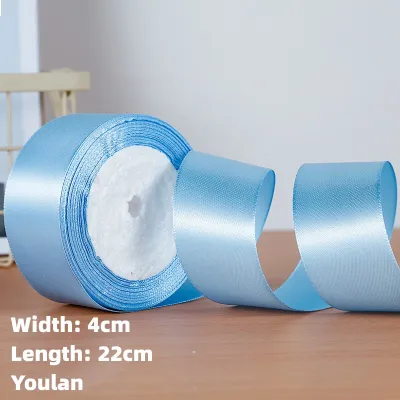
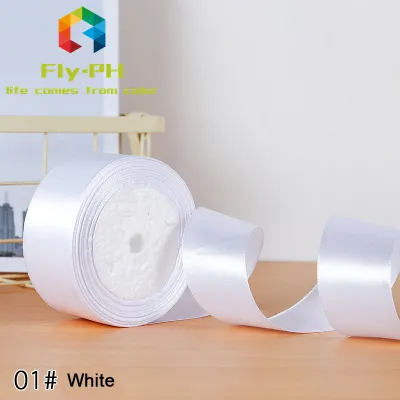
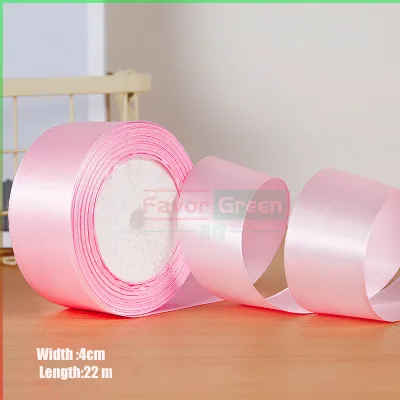
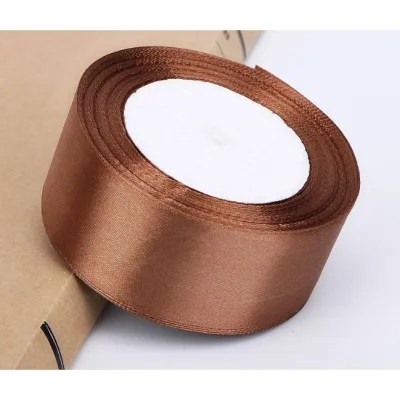
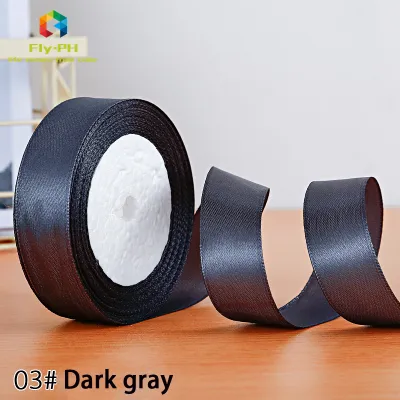
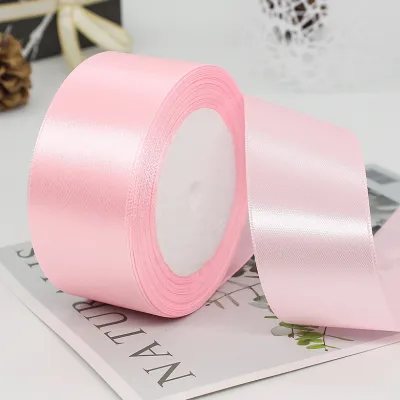
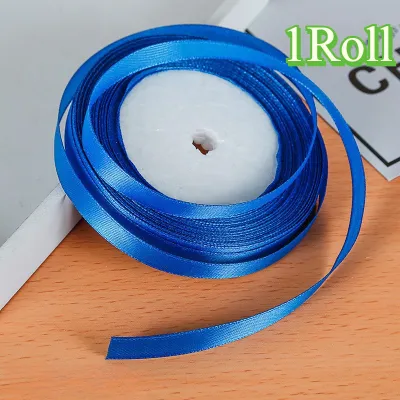
To select the right ribbon, it helps to understand how each material looks and feels in your hands. Satin ribbon is woven to create a highly reflective, lustrous surface on either one side (single-face satin) or both sides (double-face satin). This smooth construction gives it an incredibly fluid drape, allowing the ribbon to fall into soft, cascading loops and elegant, trailing tails. Because it catches the light beautifully, satin immediately elevates the perceived value of any gift, lending a traditional, high-end aesthetic that feels silky to the touch.
Grosgrain ribbon is characterized by its prominent horizontal ribs, created by a heavy weft yarn during the weaving process. This texture gives the ribbon a matte or semi-matte finish and a remarkably sturdy, stiff drape. Unlike satin, grosgrain does not slip or slide easily, and its structural integrity allows it to hold crisp, upright loops that maintain their shape over time. Visually, grosgrain feels grounded, contemporary, and highly tactile, making it an excellent choice for designs that favor clean lines and structural definition.
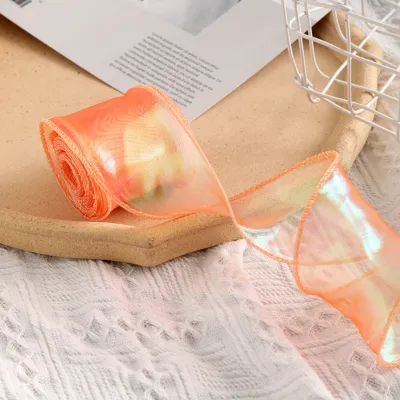
Organza ribbon is woven from fine, highly twisted yarns, resulting in a sheer, translucent fabric that is incredibly lightweight yet surprisingly stiff. It has a distinctively crisp hand-feel, which allows it to hold its shape in voluminous, airy loops without adding physical or visual weight to the package. Organza catches and diffuses light softly rather than reflecting it sharply like satin, creating a subtle, glowing effect. This unique transparency allows the colors and patterns of the wrapping paper beneath to show through, offering a layered, multi-dimensional look.
These physical traits directly influence the overall aesthetic and perceived weight of your wrapped gift. A heavy, wide satin ribbon can make a small box look incredibly luxurious, while a wide grosgrain ribbon adds a rustic, handcrafted charm. Organza, by contrast, keeps even the largest packages looking light, whimsical, and delicate, proving that the physical structure of the fiber is just as important as its color.
Best Gift Wrapping Scenarios for Each Material
Matching your ribbon to the specific gift and wrapping style requires looking at the broader context of the occasion. The most suitable ribbon depends on the formality of the event, the physical weight of the gift, and the texture of the wrapping paper you have chosen. In tropical environments where humidity can soften paper, selecting a ribbon with the right structural support is essential for keeping your presentation looking fresh from the moment it is wrapped until it is opened. By understanding the strengths of each material, you can tailor your wrapping to suit any aesthetic goal.

Satin Ribbon: Elegant and Formal Gifts
Satin ribbon is the premier choice for milestone celebrations and formal events where elegance is paramount. It is highly recommended for weddings, silver or golden anniversaries, debuts, and high-end corporate gifts where a polished, sophisticated impression is required. To maximize its visual impact, pair satin ribbon with smooth, high-quality wrapping paper, metallic foils, or minimalist, solid-colored gift boxes. Because of its fluid drape, satin is exceptionally suited for creating long, trailing streamers that hang gracefully from the sides of a box, rather than tight, compact bows that might collapse under their own weight.
Grosgrain Ribbon: Durable and Structured Wrapping
Grosgrain ribbon shines in practical, everyday gifting scenarios, festive holidays, and situations requiring a robust, secure tie. Its durability makes it ideal for wrapping heavier boxes, book bundles, or packages that will undergo transit and handling. The ribbed texture pairs beautifully with textured wrapping papers, classic brown kraft paper, or rustic, natural themes that incorporate elements like dried leaves or twine. Because grosgrain holds its shape so well, it is the perfect medium for crafting large, complex, or multi-loop bows that need to stand upright and resist flattening.
Organza Ribbon: Delicate and Layered Designs
Organza ribbon is uniquely suited for creating ethereal, romantic, or highly intricate wrapping designs. It is a favorite for baby showers, bridal party favors, and packaging delicate items such as jewelry, artisanal soaps, or fine glassware. To create a sophisticated, multi-textured look, try layering a sheer organza ribbon directly over a wider, solid satin ribbon of a contrasting or complementary shade. Organza also excels when gathered into tight, ruffled pom-poms or when paired with translucent glassine bags and lightly patterned wrapping materials, adding a soft, dreamy finish to the gift.
How to Match the Ribbon to Your Wrapping Surface
Achieving a professional-looking wrap requires careful consideration of surface friction and visual contrast between the ribbon and the packaging material. Slippery ribbons like single- or double-sided satin have very little natural grip, meaning they can easily slide off high-gloss wrapping papers or laminated gift boxes during transport. To prevent this, pair satin ribbons with matte-finish papers, or secure them discreetly on the underside of the box. Conversely, the ribbed texture of grosgrain provides excellent friction, allowing it to grip textured, embossed, or kraft papers securely without shifting.
Color and pattern contrast also play a vital role in the success of your design. When using highly detailed or vibrant patterned wrapping paper, a solid, opaque ribbon like grosgrain or satin helps anchor the design and gives the eyes a place to rest. If you are working with bold, saturated paper colors, a sheer organza ribbon can be used to soften the overall look, diffusing the intense color beneath and adding a delicate, sophisticated overlay.
Before purchasing your supplies, always check the manufacturer’s label or product description for the exact ribbon width and edge finishing to ensure compatibility with your box size. A ribbon that is too narrow can look lost on a large shirt box, while an excessively wide ribbon can overwhelm a small jewelry box. Additionally, look for ribbons with woven or finished edges rather than cut edges, as finished edges prevent fraying and ensure the ribbon maintains its clean, crisp lines throughout the gifting process.
Practical Tips for Tying and Securing Each Ribbon
Working with different ribbon materials requires adjusting your tying technique to accommodate their unique physical properties. When working with satin, the smooth, low-friction surface can make it difficult to keep knots tight while you fashion the loops of your bow. To overcome this, try tying a secure square knot as your base before forming the bow, or use a small piece of double-sided tape hidden beneath the knot to hold the ribbon firmly against the box. This prevents the material from slipping undone and ensures your loops remain symmetrical and tight.
Grosgrain ribbon is incredibly forgiving for beginners because its ribbed texture naturally grips itself, holding the first stage of your knot in place while you tie the loops. You rarely need adhesives or extra hands to keep a grosgrain bow tight. When working with organza, the primary challenge is managing the delicate, sheer edges, which can easily snag or fray if handled roughly. Always check the product label for recommended edge-sealing methods; some synthetic organza ribbons can be carefully sealed with a brief pass of a heat source, while others are best trimmed with ultra-sharp fabric shears to ensure a clean, unfrayed edge.
Regardless of the material you choose, always check the specific care and handling instructions on the ribbon packaging before applying any heat, liquid adhesives, or sealants. Some delicate finishes or synthetic fibers can melt, discolor, or stain when exposed to certain glues or high temperatures. Taking a moment to verify these details ensures your gift wrapping remains flawless, durable, and beautiful from the moment it leaves your hands.
Frequently Asked Questions (FAQ)
Can I mix different ribbon materials on one gift?
Yes, mixing different ribbon materials is an excellent way to add depth, texture, and visual interest to your gift presentation. A popular technique is layering a narrow, sheer organza ribbon over a wider, solid grosgrain or satin ribbon. When combining materials, ensure you secure the layers together at the base knot to prevent them from shifting independently during handling, keeping your design perfectly aligned.
Which ribbon is the easiest for beginners to tie into a bow?
Grosgrain ribbon is widely considered the easiest option for beginners due to its ribbed texture, which provides natural grip and prevents the knot from slipping while you tie the loops. If you want even more control over the final shape, check the product description for wired-edge variants of grosgrain or satin, though standard unwired grosgrain remains significantly easier to manage than slippery satin.
Community discussion
Share your experience or ask a question. Comments are reviewed before publication.