
Choosing the best ribbon for your gift wrapping depends entirely on your presentation goals, the structural needs of your package, and the wrapping paper you select. Satin ribbon offers a luxurious, high-gloss finish that drapes elegantly over minimalist boxes, making it ideal for formal occasions. Grosgrain ribbon features a distinctive ribbed texture and matte finish that provides excellent grip and structural stiffness, perfect for tying crisp, upright bows that must survive transport. Organza ribbon is sheer, lightweight, and crisp, offering a delicate, translucent shimmer that works beautifully as a soft overlay without hiding the pattern of your wrapping paper.
In the tropical climate of the Philippines, where high humidity can soften paper and relax fabric fibers, selecting the right ribbon material requires understanding how these textiles behave under tension. A ribbon that looks pristine in an air-conditioned room might droop or slip when exposed to ambient humidity during transport. By evaluating the physical characteristics, durability, and handling requirements of satin, grosgrain, and organza, you can ensure your gift presentations remain secure and visually striking from the moment they are wrapped until they are opened.
Comparing Texture, Finish, and Visual Appeal
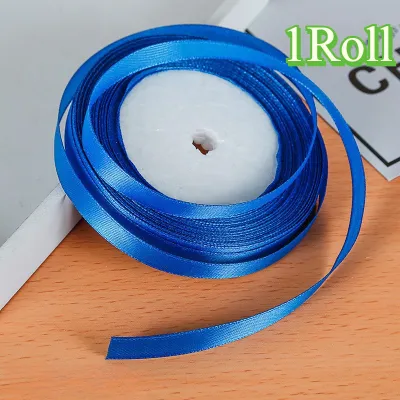
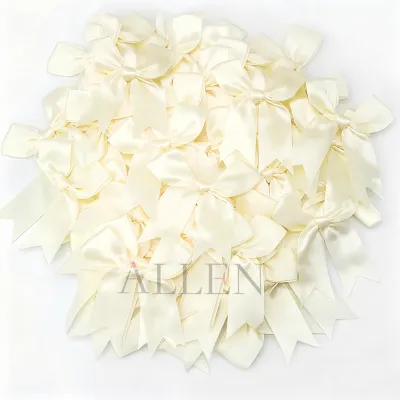
Satin ribbon is renowned for its smooth, silky texture and brilliant light-reflecting properties. This material is typically woven from polyester, nylon, or silk fibers using a satin weave structure, which leaves a high number of “floats” on the surface to create a glossy finish. When shopping, you will encounter both single-faced satin, which is shiny on one side and matte on the reverse, and double-faced satin, which features a lustrous finish on both sides. Double-faced satin is highly recommended for complex wrapping styles where both sides of the ribbon are visible, ensuring a consistent, premium look.
Products mentioned in this guide
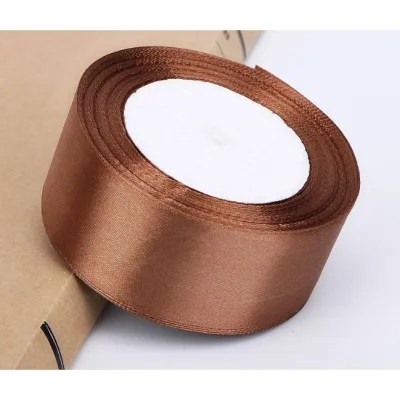
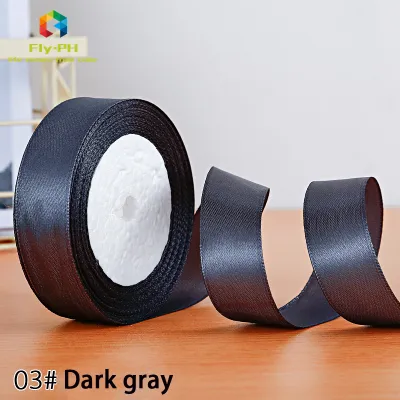
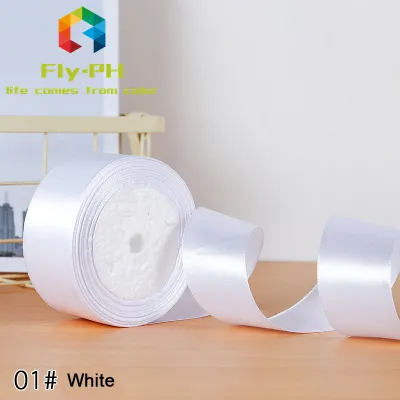
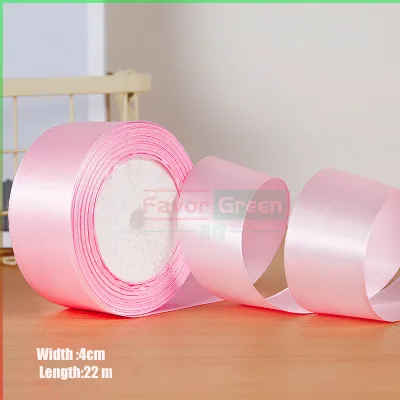
Prices are valid at publication and may change. Please refer to the product page for the latest price.
Grosgrain ribbon presents a stark contrast with its matte finish and prominent horizontal ridges. This ribbed texture is created by a plain weave with heavy weft threads, resulting in a sturdy, corded fabric that resists stretching. Grosgrain lacks the reflective shine of satin, offering instead a tailored, classic, or rustic appearance. Its matte surface coordinates exceptionally well with textured wrapping papers, such as kraft paper or heavy cardstock, providing a tactile contrast that feels substantial and deliberate.
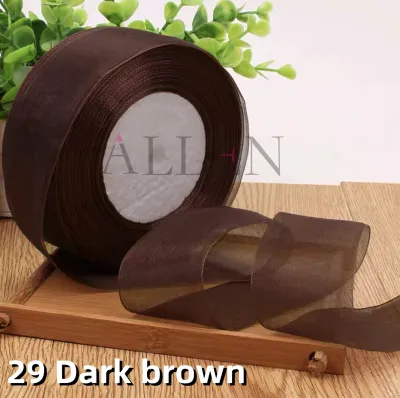
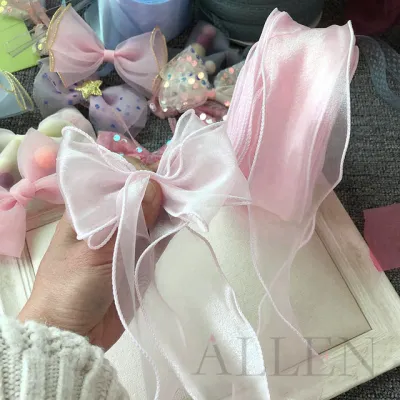
Organza ribbon is a sheer, translucent fabric characterized by its lightweight feel and subtle, airy shimmer. Traditionally made from silk but now more commonly crafted from synthetic polyester or nylon, organza is woven very loosely to allow light and color to pass through. Despite its delicate appearance, organza has a surprisingly crisp, springy texture due to the tight twisting of its fine yarns. This crispness allows the ribbon to hold its shape lightly, creating voluminous, cloud-like bows that add a romantic or whimsical touch to a package.
To verify the quality of any ribbon before purchasing, examine the weave density and edge finishing on the product label or spool. High-quality ribbons feature a tight, uniform weave with a clean, woven selvage (the finished edge running along both sides). Avoid ribbons with loose, uneven threads or heat-fused edges that feel scratchy and stiff, as these are highly prone to fraying and splitting during the tying process.
Evaluating Durability and Bow-Tying Performance
The physical structure of each ribbon material directly influences how it behaves when knotted and shaped into bows. Satin’s primary challenge is its high slip factor. Because the surface fibers are incredibly smooth, satin-on-satin knots have very little friction, meaning they can easily loosen or slide open under tension. When wrapping with satin, you must apply firm, consistent pressure and utilize secure knotting techniques, such as a square knot, to prevent the bow from unraveling.

Grosgrain ribbon excels in bow retention and structural integrity. The horizontal ridges of the grosgrain weave act like tiny teeth, interlocking when the ribbon is knotted to create a highly secure grip. This friction prevents the knot from slipping, allowing you to pull the loops tight without fear of them loosening. Furthermore, the inherent stiffness of grosgrain fabric means that bow loops stand upright and retain their shape, making it the superior choice for large, multi-looped bows or structured designs that need to withstand handling.
Organza ribbon offers moderate bow-holding power but carries a high risk of snagging and tearing. Because the weave is so open and the individual fibers are incredibly fine, organza can easily catch on rough skin, jewelry, or the sharp corners of cardboard gift boxes. Once a thread is snagged, it can pull through the entire length of the ribbon, ruining its clean appearance. Additionally, organza has low tensile strength, meaning it can stretch or tear if pulled too tightly around a heavy package.
When selecting a ribbon for gifts that may be exposed to challenging environments—such as outdoor parties, humid garden venues, or long-distance shipping—always check the manufacturer’s specifications for colorfastness and weather resistance. Some dyed ribbons can bleed color onto light wrapping paper when exposed to moisture or high humidity. Testing a small scrap of ribbon by dampening it and pressing it against a piece of scrap wrapping paper is an excellent way to verify color stability before wrapping the actual gift.
Choosing the Right Ribbon for Your Specific Gift
To select the perfect ribbon, consider a conditional decision framework based on your gift’s weight, the wrapping paper material, and the overall aesthetic you wish to achieve.
Choose satin ribbon if you are wrapping elegant, minimalist gifts, luxury jewelry boxes, or smooth, high-quality paper. Satin’s soft drape is perfect for creating flat, elegant bands around a box, finished with a simple, classic bow. It is highly suited for formal occasions such as weddings, anniversaries, or corporate milestones where a polished, sophisticated presentation is paramount.
Choose grosgrain ribbon if you are wrapping heavy items, using rustic materials like kraft paper, or creating large, structured bows that must maintain their shape during transit. Grosgrain’s durability makes it excellent for children’s birthday gifts, holiday packages, and heavy cardboard boxes. Its playful, textured look also pairs beautifully with patterned papers, adding a cozy, handcrafted feel to the presentation.
Choose organza ribbon if you want to add a delicate, romantic overlay, wrap fragile items like perfume bottles, or create soft, voluminous floral accents. Organza is particularly effective when layered directly on top of a wider satin or grosgrain ribbon, adding depth and a subtle shimmer without overpowering the base color. It is a popular choice for baby showers, bridal showers, and delicate floral arrangements.
Neither of these materials may fit if your gift requires extreme weather resistance, heavy-duty strapping, or secure transit over long distances in open cargo. For these demanding scenarios, avoid delicate fabric ribbons entirely. Instead, check alternative materials such as natural jute twine, heavy cotton cord, or synthetic packing straps, which offer the high tensile strength and environmental resistance needed to keep heavy or outdoor packages secure.
Ribbon Material Comparison Matrix
The following matrix summarizes the key physical traits and structural limits of each ribbon material to help you make a quick, informed decision for your next wrapping project.
| Material | Texture/Finish | Best For | Bow Holding Power | Fraying Risk |
|---|---|---|---|---|
| Satin | Smooth, glossy, and highly reflective | Luxury boxes, minimalist wraps, soft drapes | Low (Slippery surface requires tight knots) | Moderate (Fibers can snag and pull) |
| Grosgrain | Ribbed, matte, and structurally stiff | Structured bows, heavy gifts, rustic themes | High (Ribbed texture provides excellent grip) | Low (Sturdy weave resists unraveling) |
| Organza | Sheer, lightweight, and subtly shimmery | Delicate overlays, romantic accents, layering | Moderate (Crisp texture holds light loops) | High (Fine fibers snag easily on sharp edges) |
Measuring, Cutting, and Preventing Frayed Edges
Achieving a professional finish requires precise preparation and handling of your chosen ribbon. To calculate the standard length of ribbon needed for a classic cross-wrap (where the ribbon wraps around all four sides of a box and ties in the center), use this reliable formula: multiply the length of the box by 2, the width by 2, the height by 4, and add an extra 60 centimeters (approximately 24 inches) to accommodate the bow loops and tails. If you plan to tie a complex, multi-looped bow, add an additional 30 to 45 centimeters to your total measurement to ensure you do not run out of material mid-tie.
When cutting your ribbon, always use sharp fabric shears. Dull household scissors will crush and tear the delicate fibers of satin and organza rather than slicing through them cleanly, resulting in immediate fraying and jagged edges. To minimize future unraveling, cut the ribbon tails at a clean 45-degree angle, or fold the ribbon in half vertically and cut upward at an angle to create a classic “V” shape (chevron cut). These angled cuts reduce the tension on the exposed warp threads, helping the ribbon maintain its clean edge.
Preventing frayed edges over time depends on the fiber content of your ribbon. For synthetic ribbons made of polyester or nylon, you can carefully heat-seal the cut ends. Hold the cut edge of the ribbon near—but not directly in—a small flame from a lighter or match for a fraction of a second; the heat will melt the synthetic fibers, fusing them into a solid, fray-proof bead. If you are working with natural fibers (such as silk or cotton) or prefer not to use heat, apply a very thin layer of clear nail polish or fabric fray-check solution along the cut edge, allowing it to dry completely before handling.
Proper storage is essential to prevent permanent creasing and damage, especially in humid environments. Keep your ribbons wound neatly on their original spools or stored flat in a dedicated container. Avoid folding ribbons, as creases can be incredibly difficult to remove without damaging the fabric. To protect your collection from the high humidity of the Philippines, store your ribbon spools in airtight plastic bins accompanied by a few silica gel packets to absorb excess moisture and prevent mold or mildew from degrading the fibers.
Frequently Asked Questions (FAQ)
How do I prevent satin ribbon from slipping when tying a bow?
To secure slippery satin ribbon, tie a firm square knot as the base before forming your bow loops. You can also place a small dot of double-sided tape or fabric-safe glue directly underneath the knot, verifying first on a scrap piece that the adhesive will not bleed through or stain the wrapping paper. For large or complex bows, consider using a thin florist wire or a twist-tie to bind the center of the bow tightly, then conceal the wire with a separate, smaller band of ribbon wrapped around the middle.
Can I use organza ribbon for heavy gift boxes?
Organza ribbon is not recommended for securing heavy gift boxes due to its low tensile strength and delicate, open-weave structure. Under the weight and tension of a heavy package, organza can easily stretch, distort, or tear. Instead, use a sturdy, load-bearing material like grosgrain or heavy cotton ribbon to bind the box securely, and then layer the organza ribbon over it strictly as a decorative, non-structural embellishment.
Community discussion
Share your experience or ask a question. Comments are reviewed before publication.