
Selecting the perfect satin ribbon involves balancing three critical specifications: width, length, and edge type. To achieve an elegant, professional finish, match the ribbon width to the physical proportions of your gift box, calculate the length based on the box’s perimeter plus your desired bow style, and choose between structured wired edges or fluid soft edges depending on the final look you want to achieve. Taking a few moments to plan these dimensions ensures your ribbon enhances the presentation rather than overwhelming or getting lost on the package.
In tropical climates like the Philippines, where high humidity can cause natural fibers to lose their crispness, choosing high-quality synthetic polyester satin ribbon is highly practical. Synthetic satin resists moisture, retains its lustrous sheen, and holds its shape far better than delicate silk alternatives when displayed at warm garden weddings, local festive gatherings, or corporate events.
Quick Reference: Matching Satin Ribbon Specs to Gift Sizes
To create a visually appealing gift presentation, you must understand how ribbon width, length, and edge type interact with different package dimensions. The width of the ribbon establishes the visual weight and dictates the scale of the bow. Meanwhile, the length of the ribbon determines whether you have enough material to wrap the box securely and tie a full, attractive knot. Finally, the edge type—whether wired or soft—provides the necessary structural support for your chosen wrapping style.
Products mentioned in this guide
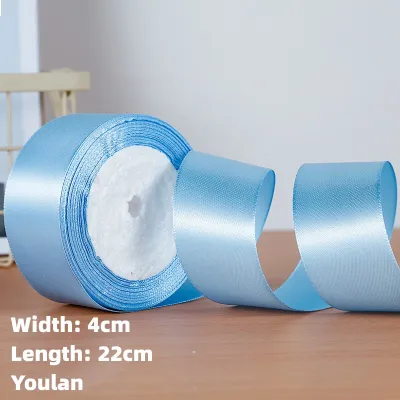
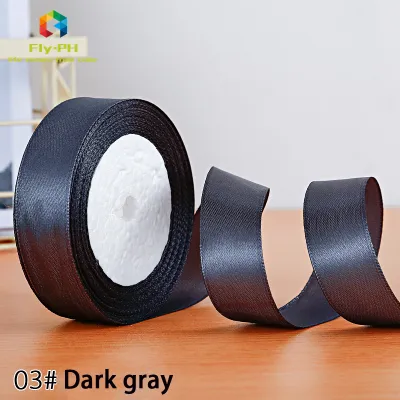
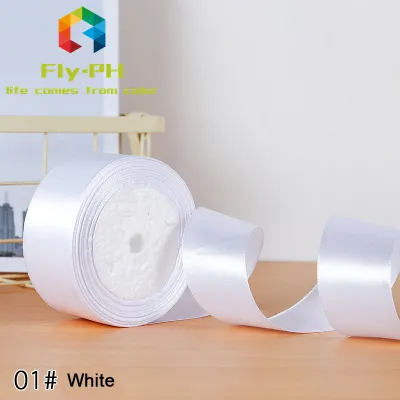
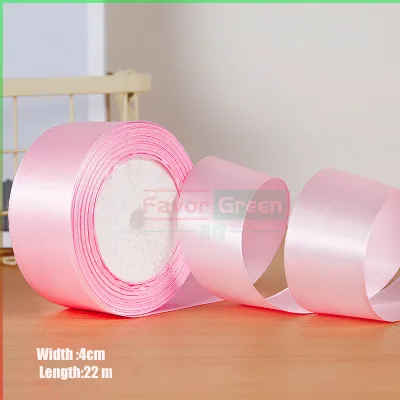
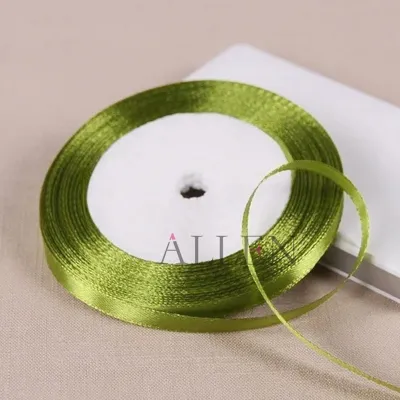
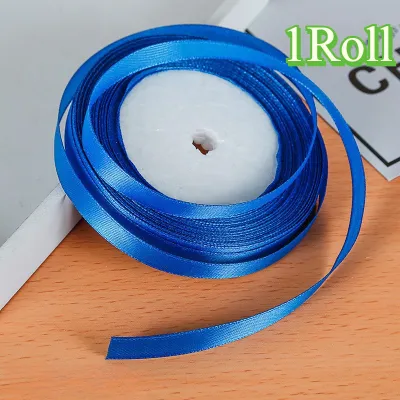
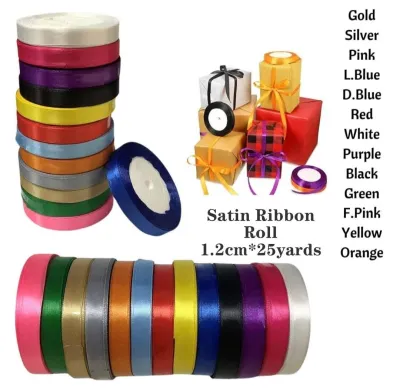
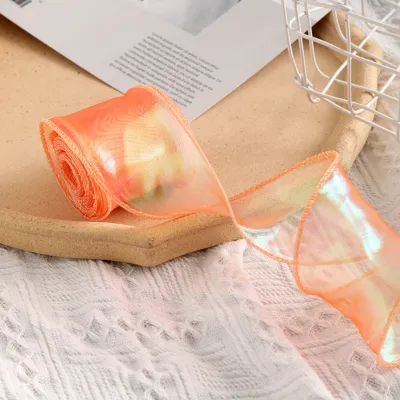
Prices are valid at publication and may change. Please refer to the product page for the latest price.
Using the wrong specifications can quickly ruin the aesthetic of an otherwise beautifully wrapped gift. A ribbon that is too wide will smother a small jewelry box, while a thin ribbon wrapped around a large hamper will look cheap and visually insignificant. Refer to the table below for a quick reference on matching standard gift sizes with the appropriate ribbon specifications:
| Gift Size & Example | Typical Dimensions | Recommended Ribbon Width | Recommended Ribbon Length | Best Edge Type |
|---|---|---|---|---|
| Small (Jewelry, candle jars, wedding favors) | 5x5x5 cm to 10x10x5 cm | 3 mm to 10 mm (1/8" to 3/8") | 0.6 to 1.0 meter | Soft-edge (Non-wired) |
| Medium (Books, apparel boxes, standard perfumes) | 20x15x5 cm to 30x20x10 cm | 15 mm to 25 mm (5/8" to 1") | 1.5 to 2.5 meters | Soft-edge or Wired |
| Large / Oversized (Hampers, appliance boxes, toy sets) | 40x30x20 cm or larger | 38 mm to 50 mm+ (1.5" to 2"+) | 3.0 to 5.0+ meters | Wired |
Choosing the Right Ribbon Width for Visual Balance
Ribbon width is the most immediate visual element your recipient will notice. It establishes the proportion between the gift packaging and the decorative accents. Selecting the correct width ensures that the ribbon complements the wrapping paper design and scale, creating a harmonious look rather than a chaotic one.

Small Gifts and Favors
For petite items such as ring boxes, delicate perfume bottles, hand-poured candles, or local wedding favors, opt for ultra-narrow satin ribbon widths ranging from 3 mm to 10 mm. These narrow dimensions allow the intricate details of small packaging to shine through without being smothered by fabric.
Using a wide ribbon on a small box leaves very little surface area for the wrapping paper pattern to be seen. Furthermore, attempting to tie a wide ribbon into a bow on a tiny box results in an oversized, bulky knot that droops awkwardly and masks the shape of the gift itself. Narrow ribbons keep the presentation delicate, clean, and perfectly scaled.
Medium to Large Standard Boxes
Standard gifts like books, shirts, shoeboxes, and medium-sized gift hampers pair best with mid-range ribbon widths of 15 mm to 25 mm. This range is widely considered the most versatile in the stationery and gift-wrapping industry, making it a staple for home wrapping kits.
These mid-range widths provide enough surface area to showcase the characteristic double-sided or single-sided satin sheen under event lighting. They are wide enough to make a distinct visual statement on standard boxes, yet pliable enough to tie into tight, neat, traditional bows without creating excessive bulk at the center knot.
Oversized and Odd-Shaped Items
When wrapping large toy boxes, multi-item corporate hampers, or irregularly shaped baskets, choose wide satin ribbons measuring 38 mm to 50 mm or even wider. Large surface areas require a substantial ribbon to anchor the design visually.
Narrow ribbons wrapped around massive boxes look sparse, fragile, and unfinished. Broader ribbon widths provide a strong visual anchor and offer practical structural support. When wrapping bulky or soft-sided packages, a wider ribbon distributes tension more evenly across the edges, preventing the ribbon from cutting into or tearing soft wrapping paper and delicate gift wrap materials.
How to Estimate Ribbon Length for Boxes and Bows
Underestimating the length of ribbon needed is a common wrapping mistake that leads to wasted material and frustration. To calculate the correct length of satin ribbon, you must separate the calculation into two distinct components: the length required to wrap around the physical box, and the length required to construct the bow.
To calculate the wrapping portion for a standard four-way cross wrap (where the ribbon crosses on both the top and bottom of the box), use this simple formula:
Required Wrapping Length = (2 x Box Length) + (2 x Box Width) + (4 x Box Height)
Once you have calculated the base wrapping length, add the appropriate bow allowance based on your desired bow style:
- Simple Knot / Flat Tie: Add 15 cm to 20 cm.
- Classic Flat Bow (Two Loops): Add 30 cm to 45 cm.
- Elaborate Multi-Loop Bow: Add 60 cm to 90 cm.
For example, if you are wrapping a standard book measuring 20 cm long, 15 cm wide, and 3 cm high, your wrapping calculation would be: (2 x 20) + (2 x 15) + (4 x 3) = 40 + 30 + 12 = 82 cm. If you want to tie a classic flat bow, add a 35 cm allowance, bringing your total cut length to 117 cm (approximately 1.2 meters).
Always cut your ribbon slightly longer than your final calculation. It is incredibly simple to trim excess ribbon tails at a clean angle once the bow is tied, but it is impossible to cleanly splice an extra piece of ribbon if you cut the strand too short.
Wired vs. Soft-Edge Satin: Choosing the Right Structure
The choice between wired and soft-edge (non-wired) satin ribbon depends heavily on the structure of your gift and the specific aesthetic you want to project. The presence or absence of a thin, flexible wire woven into the outer edges of the ribbon changes how the material behaves under tension and gravity.
When to Use Wired Satin Ribbon
Wired satin ribbon features a very fine wire running along both edges, hidden within the woven border. This wire core allows the ribbon to hold whatever shape you bend it into, resisting gravity and flat packing. Wired ribbon is the premium choice for creating dramatic, high-impact presentations.
Select wired ribbon when you want to create large, voluminous, multi-loop bows that stand tall on top of gift boxes or hampers. It is particularly useful for holiday gift baskets, corporate hampers, and grand event decorations where the gifts must sit on display for days or weeks. The wire ensures the loops remain plump, round, and perfectly styled throughout transport and presentation, even in humid tropical environments that might otherwise cause soft fabrics to sag.
When to Choose Soft (Non-Wired) Edges
Soft-edge satin ribbon lacks any internal wire, relying entirely on the natural drape and fluid movement of the woven fabric. This type of ribbon is celebrated for its classic, elegant, and romantic aesthetic.
Choose soft-edge ribbon when you want a gentle, cascading look with ribbon tails that drape elegantly over the sides of the package. It is ideal for tying simple, tight knots, wrapping delicate items, or securing wedding invitation suites. Because there is no wire to add resistance, soft-edge ribbon is much easier to tie tightly against the box, creates a flatter and less bulky center knot, and is highly satisfying for the recipient to untie.
Cutting, Tying, and Securing Slippery Satin Ribbon
Satin ribbon is prized for its ultra-smooth, glossy finish, but this very characteristic makes it notoriously slippery to handle during the wrapping process. Without the proper techniques, knots can slip loose, and raw edges can quickly fray into a messy web of loose threads.
To achieve clean, professional results, follow these practical handling tips:
- Use the Right Tools: Always cut satin ribbon with dedicated, sharp fabric shears or high-quality crafting scissors. Dull household scissors will chew through the fibers rather than slicing them, causing immediate fraying.
- Cut at an Angle: Never cut satin ribbon straight across. Always slice the ends at a sharp 45-degree diagonal angle or cut a clean V-shape (chevron cut). These angles reduce the tension on the warp and weft threads, significantly minimizing the risk of fraying.
- Secure Slippery Knots: If your satin ribbon is slipping while you try to tie the bow, place a small square of double-sided tape on the box directly under where the knot will sit. Press the first crossover of the knot firmly onto the tape to hold it in place, freeing up both of your hands to loop and pull the bow loops.
- Keep Hands Clean and Dry: Satin fabric easily absorbs moisture and oils from your skin, which can leave permanent, dark water spots or oil stains on light-colored pastel ribbons. Wash and thoroughly dry your hands before handling the ribbon, especially in hot, humid weather.
Frequently Asked Questions (FAQ)
How do I prevent satin ribbon edges from fraying after cutting?
The most effective way to prevent synthetic (polyester) satin ribbon from fraying is to seal the raw edges with heat. After cutting the ribbon at a 45-degree angle, carefully pass the very edge of the cut fabric near the blue base of a lighter flame for a fraction of a second. The heat will melt the synthetic fibers together, creating a tiny, durable plastic bead along the edge that permanently prevents unraveling. Always perform this step in a well-ventilated room, keep the flame away from flammable wrapping paper, and do not attempt this on natural silk or cotton ribbons, as natural fibers will burn rather than melt.
Can I use wired satin ribbon on delicate or thin wrapping paper?
You should exercise caution when pairing wired ribbon with delicate, thin wrapping materials like tissue paper, thin handmade paper, or lightweight crepe paper. The exposed metal tips of the wire at the cut ends of the ribbon can easily snag, scratch, or tear fragile papers during transit. If you must use wired ribbon on delicate paper, fold the cut ends of the ribbon inward by half a centimeter and secure the fold with a tiny piece of clear tape or craft glue to encase the sharp wire tip, or simply opt for a soft-edge satin ribbon instead.
Community discussion
Share your experience or ask a question. Comments are reviewed before publication.