
Scented paper elevates the tactile act of writing, crafting, and gifting by engaging the sense of smell. This specialty stationery is treated with aromatic compounds that release a distinct fragrance, transforming a simple letter or craft project into a memorable sensory experience. Whether you are drafting a heartfelt letter, designing a custom scrapbook page, journaling your daily thoughts, or wrapping a special gift, the subtle aroma adds a layer of personalization that standard paper cannot match. In many cultures, including the Philippines, where personal touches and warm hospitality are highly valued, sending a scented invitation or card adds a deeply thoughtful element to correspondence. However, not all scented papers are created equal. The intensity of the scent, the texture of the sheet, and how long the fragrance lasts vary significantly depending on the manufacturing method used to infuse the aroma. Understanding these differences is key to choosing a paper that performs beautifully for your specific creative projects.
How Fragrance Is Infused Into Paper
The journey of scented paper begins with how the fragrance is introduced to the material. Manufacturers generally use one of two primary methods: surface treatments or structural integration. The chosen technique directly dictates how the scent is released over time, how the paper feels in your hands, and how durable both the paper and its aroma will be. Paper fibers, which are primarily made of porous cellulose, naturally excel at absorbing and holding liquid compounds, making them an ideal medium for carrying delicate fragrances. While surface treatments focus on applying fragrance to the finished sheet, structural integration embeds the aroma deep within the paper fibers themselves during the early stages of production.
Surface Coating and Spraying
Surface coating and spraying are post-production methods where the fragrance is applied after the paper has already been manufactured. In this process, scented oils, specialized waxes, or aromatic sprays are carefully applied to the finished paper sheets or rolls. Because the fragrance sits on the outermost layer, these papers often have a very noticeable and immediate initial scent. However, surface-applied scents tend to fade faster when exposed to air, as the volatile aromatic compounds are fully exposed to the environment. Furthermore, the presence of oils or waxes on the surface can sometimes leave a faint residue, affect ink drying times, or cause unexpected smudging and feathering. When shopping, it is highly recommended to check product labels and manufacturer descriptions to identify if a surface-applied scent is used, especially if you plan to write with fountain pens or wet inks.
Products mentioned in this guide
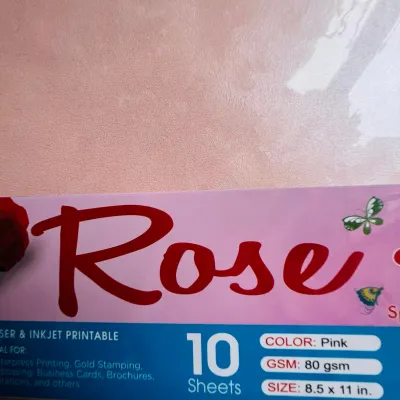
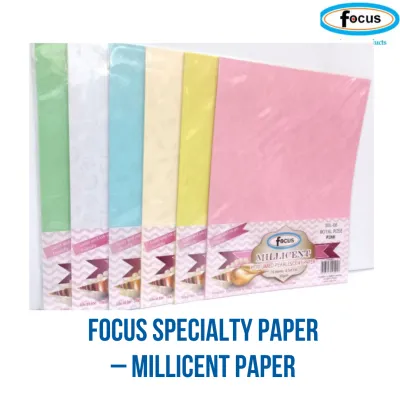

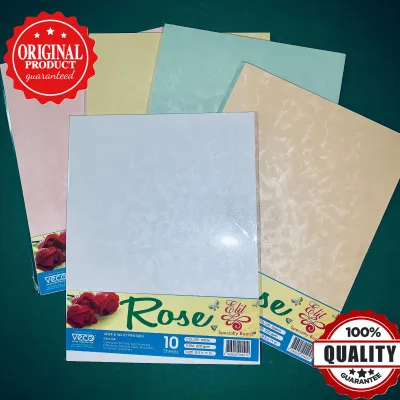
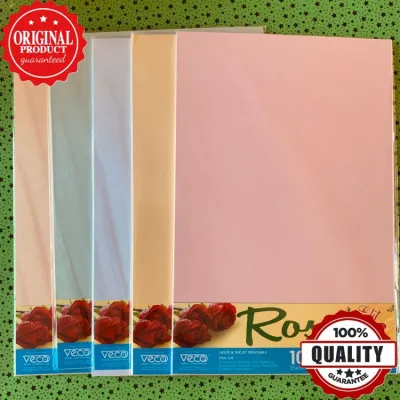
Prices are valid at publication and may change. Please refer to the product page for the latest price.
Pulp Integration and Microencapsulation
For a more permanent aromatic experience, manufacturers turn to structural methods like pulp integration and microencapsulation. Pulp integration involves adding liquid scents or aromatic compounds directly into the wet paper pulp before the sheets are actually formed. Because the heat of the drying rollers in the papermaking process can evaporate delicate scents, manufacturers must use highly stable aromatic compounds for this method. A more advanced variation is microencapsulation, where microscopic scent bubbles are embedded within the paper fibers. These tiny capsules rupture and release their fragrance only when the paper is rubbed or scratched, protecting the scent from premature evaporation. It is wise to verify manufacturer specifications to see if a product uses this scratch-and-sniff technology. While these embedded scents generally last much longer, the integration process can sometimes alter the paper’s weight, opacity, or surface finish, making it feel slightly different from standard untreated sheets.
Material and Quality Factors to Consider Before Buying
Selecting the right scented paper requires looking beyond the fragrance itself to evaluate the physical specifications of the sheet. First, check the paper weight, measured in grams per square meter (GSM), and the overall thickness. This is crucial for ensuring compatibility with your writing tools; a lightweight paper might bleed if you use heavy markers or fountain pens, while a thick cardstock may not feed properly through standard home printers. Next, verify the paper finish—whether it is matte, glossy, or textured—and consider how it interacts with the chosen fragrance method. For instance, a highly textured paper might hold surface oils differently than a smooth matte sheet.

You should also review the manufacturer’s stated scent longevity and any specific storage requirements to preserve the aroma. In humid tropical climates, such as in the Philippines, high moisture levels in the air can accelerate scent degradation and even cause the paper fibers to warp if left unprotected. Finally, consider your intended use. If you are creating archival scrapbooks meant to last for decades, you must look for acid-free, lignin-free papers that specify archival safety, whereas temporary gift tags or event invitations can utilize standard decorative quality tiers.
How to Evaluate and Test Scented Paper
Once you purchase your scented paper, performing a few simple tests will ensure it meets your expectations before you begin a major project. Start with a visual and tactile check. Look closely at the sheets for uniform coating, warping, or unexpected texture changes, which can be signs of poor manufacturing or uneven fragrance application. Next, always test ink compatibility on a small scrap piece of the paper. Observe the drying time, and check for smudging, bleeding, or feathering with your preferred pens or markers. This is especially important because the oils used in some scented papers can repel water-based inks, requiring you to switch to a different pen type.
Additionally, assess the scent profile in a well-ventilated area to ensure the fragrance is pleasant, not overpowering, and free of harsh chemical undertones. If you have sensitive skin or known allergies, pay close attention to how your hands feel when handling the paper. Should you experience any irritation, stop using the paper immediately and consult the manufacturer’s safety data sheet (SDS) or care instructions for allergen details.
Frequently Asked Questions (FAQ)
Does scented paper expire or lose its smell over time?
Yes, all scented paper will gradually lose its aroma over time due to natural processes like evaporation, oxidation, and environmental exposure. The rate at which the scent fades depends heavily on how the paper was manufactured and how it is stored. To prolong the fragrance, follow the manufacturer’s storage guidelines. Generally, keeping the paper in a cool, dry place away from direct sunlight and storing it inside sealed, airtight packaging or plastic sleeves will help preserve the scent for as long as possible, especially in humid environments.
Can I use scented paper in my home printer?
Whether you can print on scented paper depends on the paper’s specifications and your printer type. Always check the paper’s GSM and compare it against your printer manufacturer’s supported media guidelines. Heavily coated, thick, or highly textured scented papers can cause paper jams, ink smearing, or even damage the fuser unit in laser printers due to the heat reacting with the fragrance oils. For the best results, stick to lighter, printer-compatible scented papers and run a single-sheet test print first.
Community discussion
Share your experience or ask a question. Comments are reviewed before publication.