
Dermatograph pencils, commonly known as grease pencils or china markers, are indispensable tools for marking surfaces where standard ink or graphite fails. Wrapped in peeled paper rather than encased in wood, these pencils rely on a blend of waxes, oils, and pigments to leave highly visible, moisture-resistant marks. Whether you are labeling glass jars in a humid kitchen, marking sheet metal in a local fabrication shop, or drafting patterns on fabric in a tailoring studio, choosing the right formulation ensures your markings remain legible without damaging the underlying material.
In the tropical climate of the Philippines, high humidity and ambient heat can significantly affect how these wax-based cores behave. A pencil that writes smoothly in an air-conditioned office might soften or smudge easily in a warm warehouse or outdoor workshop. Understanding how different surface textures interact with various pencil formulations is the first step toward achieving clean, reliable, and easily removable markings.
Understanding Surface Properties and Pencil Formulations
To select the ideal dermatograph pencil, you must first analyze the physical characteristics of the material you intend to mark. Surfaces generally fall into two categories: non-porous and porous. Non-porous materials, such as glass, glazed ceramics, and polished metals, do not absorb liquids. Marks made on these surfaces sit entirely on top of the material, relying on the physical adhesion of the wax or grease core.
Products mentioned in this guide
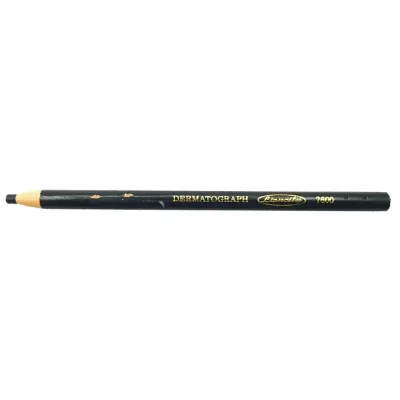
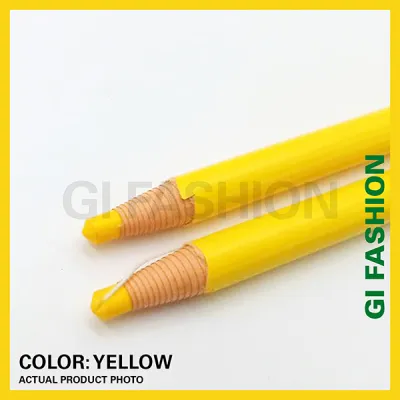
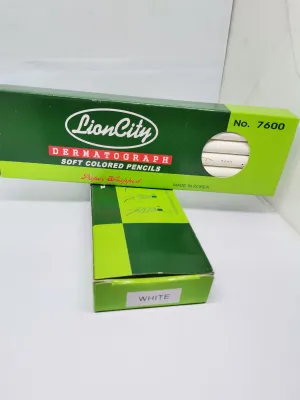
![[ UNO ] 12pcs /box Standard Tailoring Pencil Dermatograph - Sewing / Garments Accessories](https://img.lazcdn.com/g/p/15e41ee0fecb67e0ca3feb74bcb8f4f7.jpg_400x400q80.jpg_.webp)
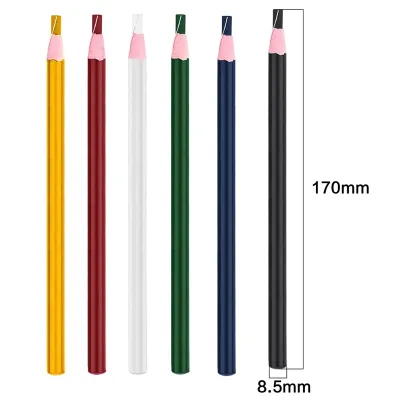
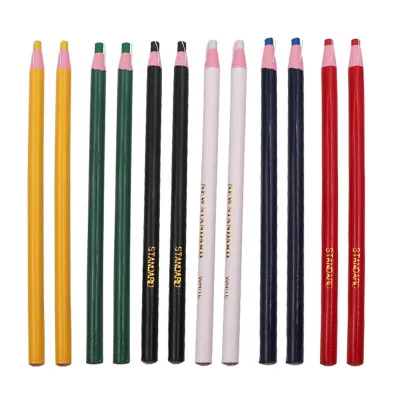
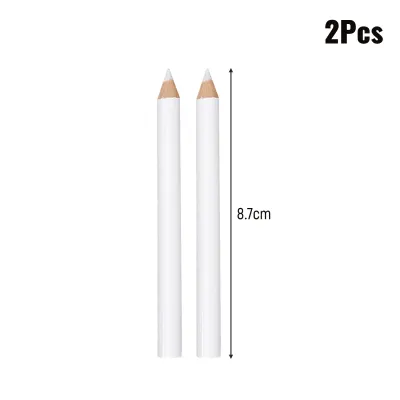
Prices are valid at publication and may change. Please refer to the product page for the latest price.
Porous and flexible materials, such as cotton, linen, canvas, and other fabrics, behave differently. These materials absorb oils and allow pigments to penetrate between the woven fibers. Because fabric moves, stretches, and folds, a marking tool must deposit its pigment without leaving a thick, brittle residue that could crack, flake off, or permanently stain the textile.
The core composition of a dermatograph pencil determines its suitability for these distinct surfaces. Standard grease pencils utilize a soft, wax-based core that easily transfers to smooth, cold, or non-receptive surfaces. Specialized formulations may include harder waxes, water-soluble binders, or synthetic pigments designed to wash out easily. Matching the hardness and oil content of the pencil core to the texture and flexibility of your target surface prevents premature smudging and ensures clean removal.
Marking on Non-Porous Surfaces: Glass and Metal
Marking on glass and metal requires a pencil that can adhere to low-friction, completely smooth surfaces. In humid environments, a thin film of moisture can form on these materials, causing standard ink markers to bead up or run. A wax-based dermatograph pencil excels here because its hydrophobic nature repels surface moisture, allowing the pigment to lay down a solid, opaque line even on damp glass or cold metal sheets.

Visibility and contrast are critical when working with these materials. For dark metals or reflective steel, white, yellow, or red pencils provide high contrast, making layout lines easy to follow during cutting or welding. For clear glass jars, laboratory beakers, or window panes, darker colors like black or blue offer excellent legibility. The mark must be thick enough to resist accidental rubbing during handling, yet soft enough to be applied without requiring excessive pressure.
The primary challenge on non-porous surfaces is balancing durability with ease of removal. While you want the mark to withstand handling, dust, and light moisture, you must also be able to wipe it away cleanly without leaving a greasy haze or scratching the surface. Soft wax formulations are ideal for temporary markings because they can be wiped off with a dry cloth or mild solvent, leaving the glass or metal completely clean.
Marking on Porous and Flexible Surfaces: Fabric
When working with textiles, the marking requirements shift from surface adhesion to fiber compatibility. Tailors, dressmakers, and crafters use dermatograph pencils to transfer pattern lines, mark dart placements, or indicate cutting paths. Unlike glass, fabric is highly flexible and textured, meaning the pencil must glide smoothly over the weave without snagging, pulling, or distorting the material.
A standard heavy-grease pencil is often unsuitable for delicate fabrics because the oily binders can penetrate deep into the fibers, leaving a permanent grease spot that is difficult to wash out. For fabric applications, look for specialized dermatograph pencils with harder, low-oil, or water-soluble cores. These formulations deposit highly visible pigment on the surface of the fibers without bleeding into the weave, ensuring the lines remain sharp.
Washability is a non-negotiable factor for most textile projects. Before marking an entire garment, verify that the pigment can be completely removed through standard laundering, dry cleaning, or brushing. Some fabric-specific marking pencils are designed to fade upon exposure to air, heat from an iron, or a simple water mist. Always check how the pencil interacts with the specific fiber content of your fabric, as synthetic polyesters and natural cottons absorb pigments differently.
Evaluating Cross-Surface Compatibility
While specialized tools yield the best results, many users seek a single, versatile dermatograph pencil that can handle multiple materials. Achieving this cross-surface compatibility requires compromise. A pencil soft enough to mark smooth glass may smudge too easily on metal or leave an excessively thick, unwashable line on fabric. Conversely, a harder pencil suited for fabric may fail to leave a visible mark on cold, polished steel.
To determine if a single pencil meets your needs, conduct a controlled scrap material test. Take a small piece of your target glass, metal, and fabric, and apply a few test strokes. Observe these criteria:
- Adhesion: Does the pencil leave a solid, unbroken line without requiring heavy pressure?
- Smudge Resistance: After a few minutes, rub the mark gently. Does it smear easily, or does it hold its shape?
- Removal: Attempt to clean the mark using the intended method—dry wiping for glass, soapy water or brushing for fabric. Does it leave any permanent residue or greasy shadow?
If a single pencil passes these checks across all three materials, it can serve as a convenient multi-surface tool. However, if you notice significant smudging on metal or permanent staining on fabric, use dedicated pencils for each specific application to avoid ruining materials.
Application Techniques and Tool Maintenance
To get the most out of your dermatograph pencil, proper application and maintenance are essential, especially in warm and humid climates. Before marking, ensure the surface is free from dust, rust, oils, and condensation. Wiping glass or metal with a clean microfiber cloth or isopropyl alcohol ensures optimal adhesion and prevents the pencil core from slipping.
Dermatograph pencils do not require a traditional sharpener. Instead, they feature a pull-string that cuts through the paper wrapping, allowing you to peel away a strip to reveal more core. To maintain a fine point, gently rub the exposed core at an angle against fine sandpaper or scrap cardboard. This shapes the tip without putting excessive stress on the soft wax, reducing breakage.
Storage is particularly important in tropical regions where high temperatures can soften wax cores. Store your pencils in a cool, dry drawer away from direct sunlight or hot machinery. If a pencil becomes too soft due to heat, place it in an air-conditioned room or a refrigerator for a few minutes to restore its hardness. When marking, apply gentle, consistent pressure; forcing a soft core onto a hard surface will only cause the tip to crumble.
Frequently Asked Questions (FAQ)
Can one dermatograph pencil perform equally well on glass, metal, and fabric?
No single dermatograph pencil can deliver peak performance across all three surfaces due to conflicting physical requirements. Glass and metal demand a highly adhesive, moisture-resistant wax core that clings to smooth surfaces but can be wiped away easily. Fabric requires a low-oil, non-bleeding formulation that will not leave permanent grease stains or bleed into the fibers. While a medium-hardness pencil may work as a temporary compromise for rough metal and heavy canvas, delicate fabrics and polished glass always require specialized formulations to prevent damage or illegible markings.
How do I safely remove marks from glass or metal without scratching the surface?
To remove grease pencil marks from glass or metal safely, start by wiping the surface with a soft microfiber cloth or a paper towel. For stubborn or older marks, apply a small amount of mild soapy water, isopropyl alcohol, or a dedicated glass cleaner to dissolve the wax binders. Avoid using steel wool, abrasive scouring pads, or metal scrapers, as these can easily scratch polished metal coatings or leave permanent swirl marks on glass. Always test your cleaning agent on an inconspicuous area first to ensure it does not react with any surface treatments or protective coatings.
Community discussion
Share your experience or ask a question. Comments are reviewed before publication.