
Selecting the ideal keychain kit for a school art class in the Philippines requires balancing creative freedom with classroom safety, student age, and environmental factors like tropical humidity. The right kit should not only align with the curriculum’s artistic goals but also fit within the physical constraints of the school day, including limited cleanup time and desk space. While younger students thrive with simple, low-mess materials like pre-cut acrylic or wooden blanks, older students can tackle more complex projects like air-dry clay sculpting or shrink plastic designs. By focusing on non-toxic components, safe assembly tools, and complete hardware sets, teachers and parents can ensure a successful, stress-free crafting experience that students can proudly carry on their school bags.
Key Safety and Usability Criteria for Classroom Keychain Kits
Material safety is the most critical factor when selecting craft supplies for a school environment. Before purchasing any keychain kit, check the product labels for explicit non-toxic certifications, such as the AP non-toxic seal or equivalent local safety clearances. Because students will handle these materials directly, paints, clays, glues, and sealants must be free from harmful chemicals, heavy metals, and strong solvents. This is especially important for younger children who may accidentally touch their faces or mouths during the crafting process.
Tool safety is equally vital to prevent classroom injuries. Many commercial keychain kits include sharp metal tools, such as precision utility knives, heavy-duty metal hole punches, or jewelry pliers with sharp edges. For a classroom setting, look for kits that minimize the need for sharp instruments. Opt for pre-punched blanks that already feature a hole for the keyring, and choose kits that include blunt plastic molding tools or simple snap-together hardware. If jump rings must be opened and closed, select soft metal rings that can be manipulated with blunt-nose plastic pliers rather than sharp metal tools.
Products mentioned in this guide
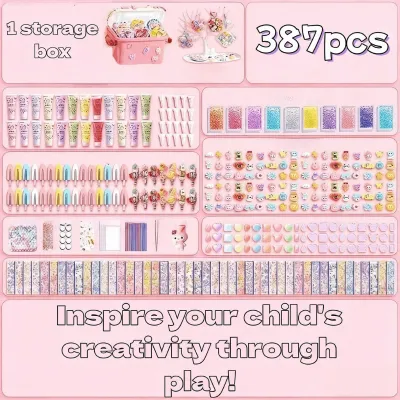
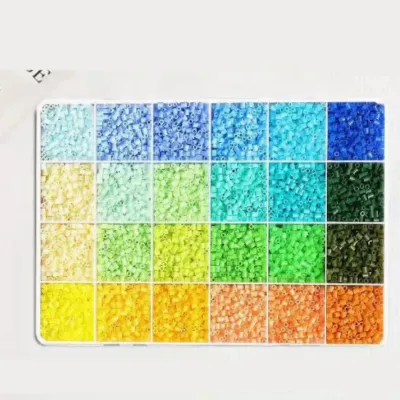
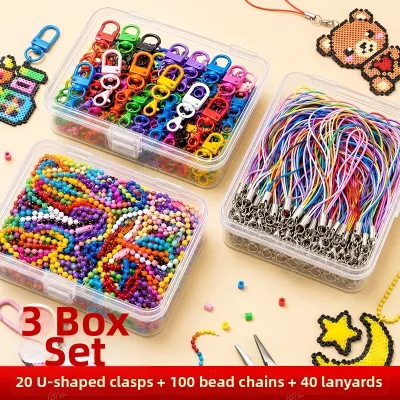
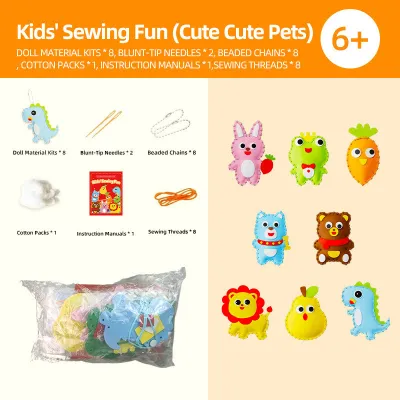
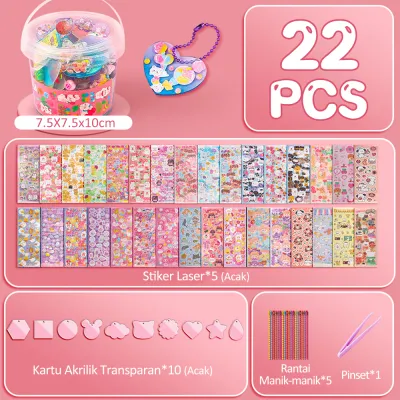
Prices are valid at publication and may change. Please refer to the product page for the latest price.
Matching the kit’s complexity to the students’ age and fine motor skills ensures that the project remains engaging rather than frustrating. Early grade schoolers typically struggle with tiny jump rings, miniature lobster clasps, and intricate assembly steps. For these younger students, larger blanks measuring around 50mm and thick, flexible plastic keyrings are much easier to handle. Older students in intermediate or high school grades can manage more detailed tasks, such as threading small beads, using metal jewelry findings, and applying precise paint strokes.
Classroom cleanup must be quick and efficient to fit within a standard school period. Art teachers should prioritize water-based, washable paints and low-residue clays that do not leave stubborn stains on school desks or uniforms. Avoid kits that rely on heavy oil-based paints, permanent solvent-based dyes, or loose glitter, which can be incredibly difficult to clean up and may cause respiratory irritation if inhaled in a closed classroom.
Tropical climate conditions in the Philippines also play a significant role in how art materials behave. High relative humidity can drastically slow down the drying and curing times of water-based glues, acrylic paints, and clay sealants. When selecting a kit, consider how the local weather will affect the project timeline. Highly humid days may require you to choose fast-drying mediums or plan for an extended drying phase where projects can sit undisturbed in a well-ventilated area of the classroom.
Matching Kit Materials to Art Class Assignments
Shrink plastic kits offer an exciting, almost magical experience for students as they watch their hand-drawn designs shrink and thicken under heat. This medium is excellent for lessons focusing on illustration, scale, and color theory, as students must draw their designs roughly three times larger than the desired final keychain size. However, shrink plastic requires a reliable heat source, such as a toaster oven or a craft heat gun, to trigger the shrinking process. Teachers must verify if school safety policies permit these heating elements in the classroom and ensure that an adult handles all heating steps.

Acrylic and wooden blank kits are highly versatile, low-mess options that require no heat sources whatsoever. Acrylic blanks provide a smooth, non-porous surface that works beautifully with acrylic paint pens, vinyl stickers, or glass-painting techniques. Wooden blanks offer a rustic, porous surface that is ideal for watercolor washes, tempera paint, or wood-burning markers. Because these blanks do not change shape or size, they are highly predictable and easy to complete within a single class period, making them excellent for tight schedules.
Air-dry clay kits are perfect for three-dimensional sculpting, color mixing, and tactile learning. Students can mold miniature figures, animals, or abstract shapes directly around a metal eye pin, which will hold the keychain hardware once the clay cures. However, air-dry clay requires careful planning for drying times. In a humid tropical climate, a clay keychain can take anywhere from 24 to 48 hours to dry completely before a protective sealant can be applied. Teachers must have a dedicated, secure shelf space where these wet projects can sit safely without being disturbed.
Resin and epoxy kits are generally unsuitable for standard school classrooms or younger students. Working with resin requires precise mixing ratios, releases chemical fumes during the curing process, and can cause severe skin irritation if handled incorrectly. Unless the project is part of an advanced, highly supervised high school art elective with access to dedicated ventilation hoods, safety goggles, nitrile gloves, and UV curing lamps, it is best to avoid resin kits entirely in favor of safer, water-based alternatives.
Before committing to a specific kit material, it is wise to conduct an observable trial to verify material compatibility. Test how your classroom’s existing coloring tools, such as washable markers, colored pencils, or tempera paints, interact with the kit’s blanks. For example, water-based markers may bead up and slide off smooth acrylic blanks, while unprimed wooden blanks might absorb paint too quickly, causing colors to bleed and fade. Running a quick test on a single sample blank will reveal whether you need to purchase specialized paint pens or pre-treat the blanks with a primer before the lesson begins.
What to Verify Before Buying a Kit Online or In-Store
When browsing online marketplaces or local craft stores, always read the product descriptions and specifications with a critical eye. Pay close attention to the exact dimensions of the blanks, which are usually measured in millimeters or centimeters, to ensure they are large enough for students to paint or draw on comfortably. Check the manufacturer’s recommended age grading to ensure the kit aligns with your students’ developmental stage, and look for explicit warnings regarding small parts that could pose a choking hazard.
Verify the completeness of the included hardware to avoid mid-project shortages. A complete keychain kit should include a matching number of blanks, keyrings, jump rings, and connector clasps. Some budget kits may advertise a high number of pieces but count every individual jump ring and screw eye pin as a separate piece, leaving you with far fewer actual keychains than expected. Ensure the metal hardware is sturdy and made of durable materials like stainless steel or iron alloy, rather than soft aluminum that can easily bend and break under daily use.
Identify any hidden tool requirements that are not included in the box. Many kits are marketed as complete but still require external tools to finish the project, such as jewelry pliers to open jump rings, paintbrushes of varying sizes, or specific top-coat sealants to protect the finished artwork. If these tools are not included, you will need to factor their cost and procurement into your overall classroom budget and preparation timeline.
Reviewing user feedback on online marketplaces can provide valuable insights into the actual quality of the kit. Look for reviews that mention common issues like missing parts, dried-out clay or paint pots, brittle hardware, or instructions that are poorly translated and difficult for students to follow. If multiple buyers report that the keychains break easily under daily wear, it may be wiser to select a different kit or purchase higher-quality metal hardware separately to ensure the students’ hard work lasts.
Building a Shortlist Based on Classroom Constraints
Begin building your shortlist by filtering your options through your classroom’s physical limitations and equipment. If your school has strict safety policies against heating elements, immediately eliminate shrink plastic kits from your list. If you lack a secure, dry shelving area to store wet projects overnight, cross off air-dry clay and focus on quick-drying acrylic or wooden blanks that can be completed and packed away within a single class period.
Budgeting per student is a crucial step when planning a school art project. To calculate the true cost, divide the total price of the kit by the number of students, but always include a buffer of 10% to 15% to account for mistakes, lost hardware, or broken blanks. When budgeting in ₱, compare the cost-efficiency of buying one large bulk kit versus multiple individual student kits. While bulk kits are often more economical, they require you to manually distribute materials into smaller containers before the class begins.
Finally, plan your classroom logistics and storage solutions well in advance of the project date. For materials that require drying, like painted wood or air-dry clay, prepare labeled paper plates or egg cartons beforehand so students can safely store their keychains. Ensure you allocate the final 10 to 15 minutes of the class period for washing brushes, wiping down desks, and securing finished pieces, preventing wet paint or clay from staining school uniforms during the journey home.
Frequently Asked Questions (FAQ)
Can students bring finished keychain projects home immediately?
Whether a student can take their keychain home immediately depends entirely on the materials used and the local weather conditions. Acrylic or wooden keychains decorated with fast-drying paint pens or permanent markers are dry to the touch within minutes and can be attached to school bags right away. However, projects involving air-dry clay, heavy acrylic paint, or liquid sealants require significant curing time. In the humid climate of the Philippines, these materials dry much slower; attempting to transport them immediately can result in smudged designs, cracked clay, or ruined school uniforms. For these projects, it is best to let them cure in the classroom overnight before distribution.
What should I do if a kit requires a heat source the school does not allow?
If your art curriculum calls for shrink plastic keychains but school safety policies prohibit toaster ovens or heat guns in the classroom, you have a few practical workarounds. One option is to have the students complete the drawing and cutting stages during class, collect the flat plastic pieces, and perform the shrinking step at home yourself or ask parents to assist their children with this step at home. Alternatively, you can pivot the project to a no-heat medium that offers a similar flat canvas for drawing, such as pre-cut acrylic blanks paired with permanent paint markers, which bypasses the need for any thermal processing while still delivering a durable, vibrant keychain.
Community discussion
Share your experience or ask a question. Comments are reviewed before publication.