
Bullet journaling is a highly personal and creative way to organize your life, track your habits, and express your thoughts. In the Philippines, where tropical humidity can affect both paper texture and ink behavior, choosing the right writing instruments is essential for maintaining a clean, smudge-free journal. Colored gel pens are a favorite among local journaling enthusiasts because they offer vibrant colors, smooth ink flow, and excellent opacity. However, finding the right set requires understanding how different pen specifications interact with your specific journal paper and writing style.
Rather than searching for a single, universally perfect pen, the key to a successful bullet journaling setup is matching pen features to your daily tasks. Whether you are drawing intricate habit trackers, writing rapid daily logs, or creating bold headers, different pen characteristics will serve you best. By focusing on observable features like tip size, ink formulation, and drying speed, you can build a custom collection of pens that perform beautifully under local conditions without causing frustrating smudges or bleed-through.
Key Factors for Bullet Journaling Gel Pens
To select the right colored gel pens, you must first understand the core specifications that dictate how they perform on paper. Gel ink consists of pigments suspended in a water-based gel, which provides a thicker, more opaque line compared to standard ballpoint or rollerball inks. This unique formulation is what gives gel pens their signature smoothness, but it also introduces specific variables that you must consider before making a purchase.
Products mentioned in this guide
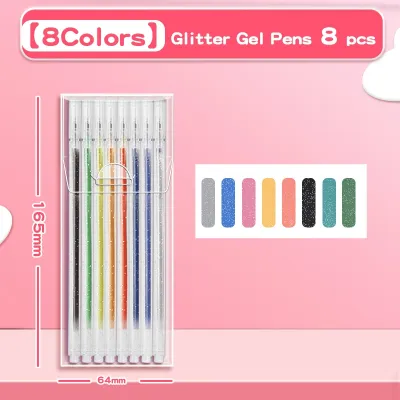
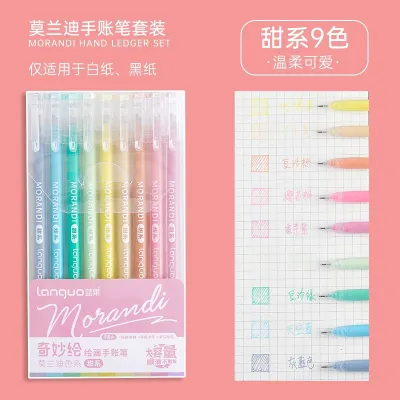
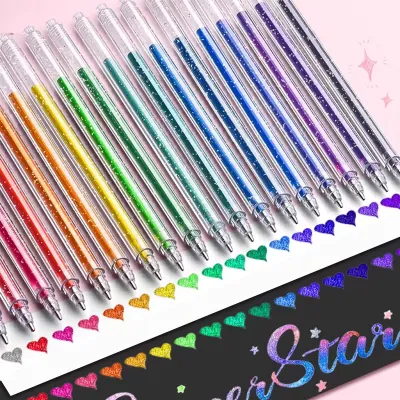
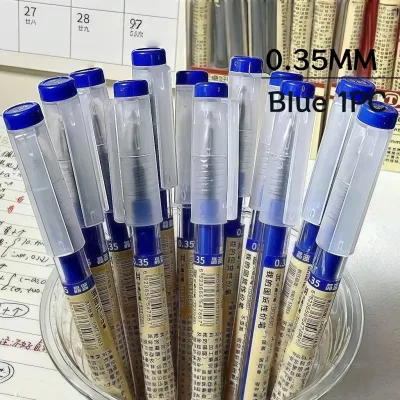
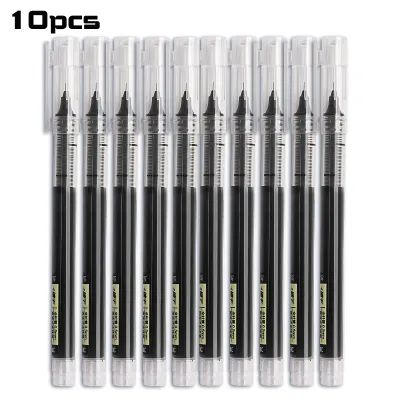
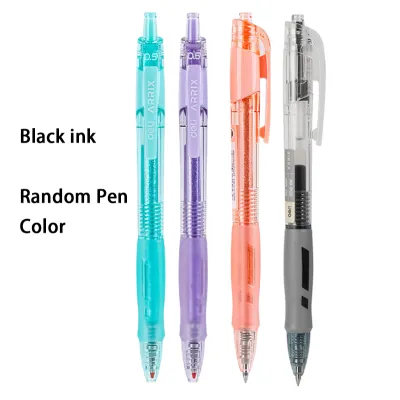
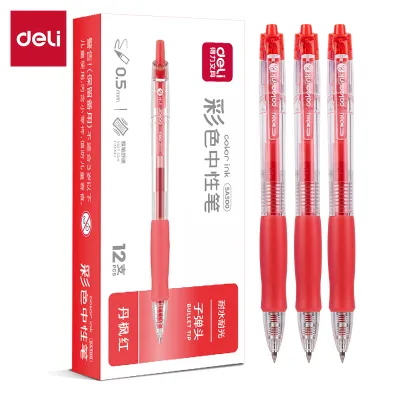
Prices are valid at publication and may change. Please refer to the product page for the latest price.
Tip size is one of the most critical specifications to evaluate, as it directly influences line width and ink flow. Gel pens generally range from ultra-fine (0.28mm to 0.38mm) to broad (0.8mm to 1.0mm), with medium tips (0.5mm to 0.7mm) serving as a versatile middle ground. Fine and ultra-fine tips restrict ink flow, allowing you to write tiny letters and draw precise lines without the ink spreading or feathering on the page. Conversely, broader tips lay down more ink, resulting in highly saturated, vibrant lines that are perfect for titles but require more time to dry.
Ink opacity and vibrancy are equally important, especially if you prefer using cream-colored or dark-toned journal pages. High-quality gel inks contain dense concentrations of colorants that sit on top of the paper fibers rather than soaking deep into them. This surface-level bonding ensures that pastel, metallic, and bright colors remain highly visible and true to their shade, even on off-white paper. However, this also means that the weight and texture of your journal paper will play a significant role in how the ink settles and looks once dry.
Drying time is a particularly crucial factor in the Philippines, where high relative humidity can slow down the evaporation of water-based gel inks. If an ink dries too slowly, you risk smudging your work when you turn the page, use a ruler, or rest your hand on the paper. Left-handed writers must be especially mindful of drying times, as their hands naturally glide over freshly written text. Opting for quick-drying gel formulations can significantly reduce the risk of smearing during fast-paced writing sessions.
Finally, barrel ergonomics and grip comfort should not be overlooked, particularly if you spend long periods writing or drawing in your journal. Pens with rubberized, contoured grips help reduce hand fatigue by cushioning your fingers and preventing slips. The weight and balance of the pen body, along with whether the cap can be securely posted on the back of the pen while writing, also contribute to a more comfortable and enjoyable journaling experience.
Matching Pen Features to Journaling Tasks
A well-rounded bullet journal layout typically involves several distinct writing tasks, each of which benefit from different pen characteristics. By matching your pens to these specific activities, you can improve both the legibility of your notes and the overall aesthetic of your pages.

For color-coding and daily rapid logging, fine-tip gel pens (typically 0.38mm to 0.5mm) are highly recommended. Daily logs often require writing small text in tight spaces, such as 5mm dot grids or compact weekly layouts. A fine tip ensures that your letters remain sharp and readable, while the controlled ink flow helps the ink dry almost instantly. Using a dedicated color-coding system—such as blue for work, green for personal goals, and orange for urgent tasks—allows you to scan your pages quickly and find information efficiently.
When it comes to creating headers, titles, and hand lettering, you will want to transition to broader tips (0.7mm to 1.0mm) or pens with specialized ink properties. These larger tips deliver a generous flow of ink, creating bold, continuous lines that stand out on the page. This is particularly useful for drawing banner outlines, writing block letters, or practicing faux calligraphy. The increased ink volume also allows metallic, glitter, or pastel gel inks to show off their unique visual effects, adding a touch of personality to your monthly cover pages.
For doodling, sketching, and filling in habit trackers, smooth ink delivery and a diverse range of tip sizes are essential. If you enjoy drawing small icons, botanical doodles, or geometric patterns, you will need a pen that does not skip or scratch the paper during curved strokes. Using a fine tip for detailed outlines and a slightly broader tip for shading or solid color fills prevents hand strain and ensures clean, professional-looking artwork. Having a variety of tip sizes in the same color family can also help you create depth and dimension in your illustrations.
How to Test and Verify Pen Performance
Because paper quality varies widely among journal brands, the only way to guarantee how a colored gel pen will perform is to conduct your own hands-on tests. Before committing to writing an entire monthly layout with a new pen, set aside a few test pages at the very back of your journal to evaluate its behavior.
Begin by creating a personal swatch chart to check the true color, opacity, and consistency of the ink. Draw small squares or write the name of each color, paying close attention to how smoothly the ink flows from the tip. A high-quality gel pen should write consistently without skipping, pooling, or requiring excessive downward pressure. Swatching also helps you see how the ink color changes as it dries, as some shades may dry slightly darker or lighter than they appear when wet.
Next, test for bleed-through and ghosting on your journal’s specific paper weight. Bleed-through occurs when ink penetrates completely through the paper fibers, appearing as spots on the reverse side of the page. Ghosting, on the other hand, is a shadow or silhouette of your writing that is visible through the paper but does not actually break through the surface. To test this, write a few words and draw a solid block of color on your test page, then flip the sheet to inspect the back. If you observe significant bleed-through, you may need to switch to a finer tip size, a drier ink formula, or a journal with heavier paper (such as 120 gsm to 160 gsm).
Conducting a smudge test is also vital for determining how long you must wait before touching your writing or closing your journal. Draw several parallel lines of ink on your test page. Using a timer, run your finger across the first line after one second, the second line after three seconds, the third after five seconds, and so on. Note the exact point at which the ink no longer smudges. This test will give you a realistic expectation of the pen’s drying speed under your local room temperature and humidity levels.
Lastly, check the manufacturer’s packaging and labels for specific performance claims if you want your journal to last for years. Look for terms such as “archival,” “acid-free,” “lightfast,” or “water-resistant.” Archival and acid-free inks are formulated to resist fading and chemical breakdown over time, ensuring your memories remain vivid. Water-resistant inks are particularly valuable if you plan to layer water-based highlighters or brush pens over your gel ink, as they prevent the black or colored outlines from bleeding when wet.
Building Your Custom Colored Gel Pen Shortlist
When browsing local stationery shops or online marketplaces in the Philippines, it is easy to get overwhelmed by the sheer variety of colored gel pens available. To avoid spending money on pens that do not suit your needs, it is best to build a personalized selection checklist based on your specific journaling habits.
Start by defining a core color palette rather than buying massive, multi-color sets right away. While a 48-color pack may seem appealing, most bullet journalers find that they only use a handful of colors consistently. Selecting a cohesive palette of three to five colors—such as a warm earth-tone set or a cool pastel theme—helps keep your layouts looking organized and intentional. It also prevents you from cluttering your desk with unused pens that may eventually dry out.
To manage your long-term stationery budget, verify the availability and compatibility of individual pen refills. Gel pens consume ink much faster than ballpoint pens because they lay down a thicker layer of wet ink. Purchasing individual refills in ₱ is highly cost-effective and environmentally friendly compared to buying entirely new pens every time the ink runs dry. Check if your preferred pen models have widely available refills at local retailers or trusted online distributors.
Always read product descriptions carefully to identify specific ink formulations and tip materials. Look for pens featuring tungsten carbide balls or stainless steel tips, as these materials are highly durable and resist corrosion, ensuring a smooth writing experience from the first drop of ink to the last. Additionally, pay attention to whether the ink is described as water-based, pigment-based, or a hybrid gel, as this will give you a clear indication of its drying speed and water resistance.
To minimize financial risk, avoid purchasing bulk sets of untested brands. Instead, start by buying single pens or small sample packs of three to five colors. This allows you to test the pens on your journal paper and evaluate their performance in your local climate before making a larger investment. Once you have verified that a specific brand and tip size work perfectly with your journal, you can confidently expand your collection.
Frequently Asked Questions (FAQ)
How can I revive a dried-out colored gel pen?
If your colored gel pen begins to skip or stops writing entirely, first check the manufacturer’s instructions for any specific troubleshooting recommendations. A common cause of dry pens is ink retreating from the tip, which can often be resolved by storing your pens horizontally or tip-down to encourage gravity to pull the ink back toward the ballpoint. You can also try scribbling gently in circular motions on a textured rubber surface, like an eraser, to help dislodge any dried ink particles blocking the tip. Avoid exposing the pen to extreme heat, boiling water, or harsh chemical solvents, as these methods can melt the plastic body, damage the internal feed mechanism, or permanently alter the delicate chemical balance of the gel ink.
Do I need pigment-based or dye-based gel ink for my journal?
Whether you should choose pigment-based or dye-based gel ink depends on your priorities for color vibrancy and archival longevity. Pigment-based inks contain solid, microscopic color particles that sit on top of the paper, offering excellent water resistance, fade resistance, and overall lightfastness. This makes pigment inks the ideal choice if you want your journal pages to remain perfectly legible and vibrant for decades. Dye-based inks, on the other hand, consist of fully dissolved colorants that soak into the paper fibers, often resulting in exceptionally bright, saturated, and unique color shades. However, dye inks are generally more susceptible to fading when exposed to sunlight or moisture. To ensure you get the performance you need, always check the product packaging for explicit lightfastness or waterproof certifications rather than assuming performance based on color alone.

Community discussion
Share your experience or ask a question. Comments are reviewed before publication.