
Selecting the ideal base materials for kids’ birthday lootbags is a balancing act between structural integrity and visual excitement. The most suitable choice is not a single universal material, but rather a thoughtful pairing of a bag style and wrapping paper that matches the physical weight of your party favors. For lightweight treats like stickers and small candies, simple paper or cellophane options work beautifully. However, if you plan to distribute heavier items such as coloring books, wooden toys, or small drink boxes, you will need reinforced paper, non-woven fabric, or structured bases to prevent embarrassing tears and spills before the guests even leave the venue.
In tropical climates where humidity is a constant factor, material selection requires even greater care. Moisture from condensation on cold drinks or oils from local baked treats can quickly compromise weak paper fibers, making durability a primary consideration. By understanding the physical properties of different bag styles, inner liners, and wrapping papers, you can design a lootbag assembly that looks spectacular on the party table and easily survives the journey home in a child’s hands.
Evaluating Bag Styles for Durability and Visual Appeal
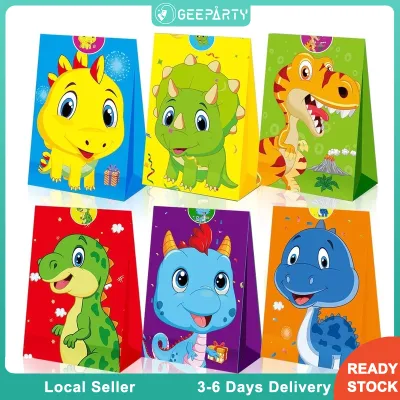
Paper bags remain a highly popular choice for children’s parties due to their classic look and excellent customizability. Kraft paper bags, available in natural brown or bleached white, offer a rustic, eco-friendly canvas that you can easily personalize with stamps, stickers, or hand-drawn designs. Printed paper bags come in a vast array of vibrant colors and patterns to match any party theme. However, paper has inherent physical limitations. Standard paper bags have a relatively low weight capacity and are highly vulnerable to moisture, grease, and tearing. If a child places a damp item or an unwrapped candy inside, the paper can quickly weaken and fail.
Products mentioned in this guide
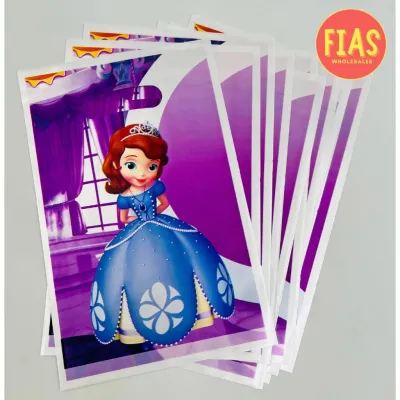
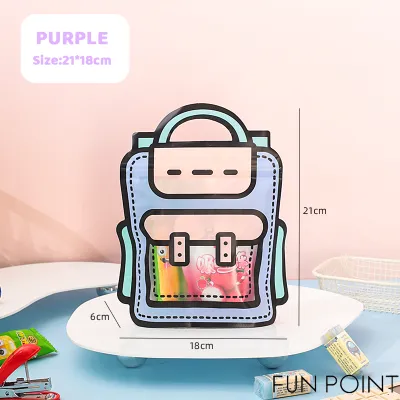
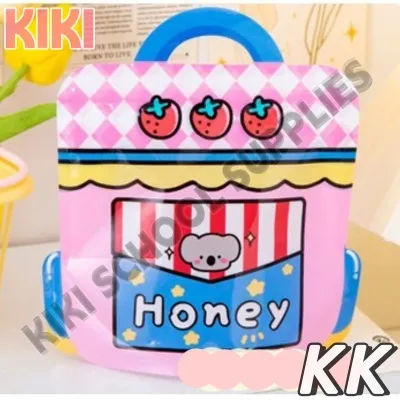
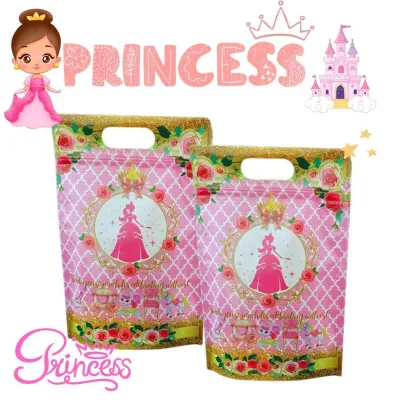
Prices are valid at publication and may change. Please refer to the product page for the latest price.
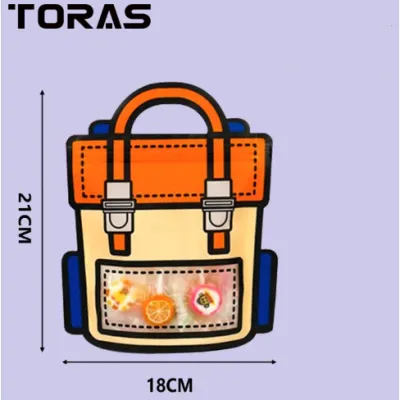
Plastic and cellophane bags offer a highly durable, water-resistant, and cost-effective alternative. Cellophane bags are particularly excellent for showcasing colorful candies, cookies, or small toys because of their high transparency. They resist moisture completely, making them ideal for outdoor parties or humid environments where paper might turn soft. The main trade-off is their aesthetic appeal; plain plastic bags can sometimes feel less premium or less personal than paper. Additionally, many hosts prefer to minimize single-use plastics due to environmental considerations, though reusable plastic options are available.
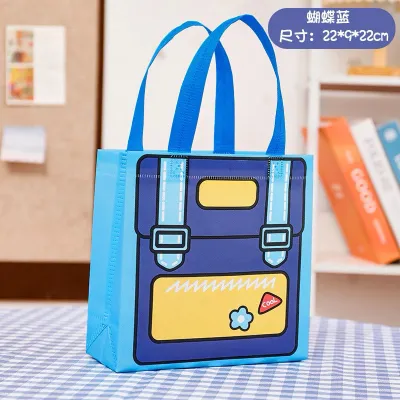
For older children or premium parties, fabric or non-woven reusable bags provide enhanced durability and excellent keepsake value. Made from materials like cotton canvas, burlap, or spun-bond polypropylene, these bags can be used by the guests long after the party is over—often serving as library bags, lunch totes, or toy storage. While they carry a higher cost per unit and require more storage space before the event, their structural strength is highly reliable. They easily support heavy items without stretching or tearing, making them a highly practical choice for substantial party favors.
Regardless of the material you choose, pay close attention to the handle and base construction of the bag. For paper bags, look for reinforced handles made of twisted paper, flat paper tape, or threaded ribbon that are securely glued to the interior wall. A flat, block-bottom or square-bottom base is highly preferable to an envelope-style pinch bottom, as a flat base distributes the weight of the contents evenly and allows the bag to stand upright on the display table. Inspect the glue lines along the bottom seam to ensure they are continuous and free from dry patches that could split open under pressure.
Selecting Wrapping Paper and Inner Liners
Inner liners and wrapping papers serve a dual purpose in lootbag design: they protect the contents from shifting and scratching while building anticipation during the unboxing process. Tissue paper is the classic choice for creating a soft, voluminous liner that spills elegantly out of the top of a bag. It provides lightweight cushioning for delicate items and allows you to coordinate your color scheme precisely with the party theme. You can layer multiple sheets of contrasting colors to create a vibrant “peek-a-boo” effect that hides the favors from immediate view. Keep in mind, however, that standard tissue paper is incredibly delicate and will tear easily if it comes into contact with sharp plastic toy corners or heavy objects.

Crepe paper offers a unique alternative characterized by its distinct crinkled texture and exceptional stretch. This elasticity makes crepe paper highly useful for wrapping odd-shaped items that would otherwise puncture or tear standard paper. You can also use crepe paper streamers to create custom bag toppers, ruffles, or decorative ties. A critical consideration when using crepe paper in warm or humid conditions is the risk of color transfer. Many inexpensive crepe papers use water-soluble dyes that can bleed onto hands, clothing, or the favors themselves if they become damp from sweat or condensation. Always test a small piece for colorfastness before wrapping.
Standard wrapping paper is best reserved for wrapping individual boxes, books, or fragile items before they are placed inside the lootbag. This approach creates a more traditional gift-opening experience for each child. When choosing wrapping paper for this purpose, look for a medium-weight paper that folds cleanly without cracking along the creases. Very thin wrapping paper tears too easily during assembly, while excessively thick paper can be difficult to secure with standard stationery tape. Individually wrapping items requires more precise folding and a larger time investment, but it adds a highly polished, premium feel to the presentation.
If you want to provide excellent shock absorption for heavy or fragile favors without the labor-intensive process of wrapping each item individually, shredded paper and crinkle cut fillers are outstanding options. These accordion-folded paper strips create a springy, supportive nest at the bottom of the bag. They hold items securely in place, prevent glass jars or plastic toys from clattering together, and fill up empty space efficiently. Crinkle cut filler is available in a wide range of solid colors and metallic finishes, allowing you to match your theme while significantly reducing your overall assembly time.
Matching Materials to Party Favor Weights and Themes
To ensure your lootbags are both functional and visually appealing, you must systematically match your packaging materials to the physical weight of the favors and the overall aesthetic of the celebration. Packing heavy items into weak bags is a recipe for structural failure, while using heavy-duty fabric bags for a few stickers is an unnecessary expense.
The following comparison table outlines how to pair common favor types with the most appropriate bag styles and inner liners:
| Favor Weight Category | Typical Contents | Recommended Bag Style | Recommended Liner/Wrapping |
|---|---|---|---|
| Lightweight (Under 150g) | Stickers, temporary tattoos, hair clips, individually wrapped candies, balloons | Standard paper bag, cellophane bag, or pinch-bottom paper pouch | Tissue paper sheets or light crepe paper accents |
| Medium Weight (150g to 400g) | Small plastic toys, play dough tubs, bubble solution bottles, cookies, crayons | Reinforced kraft paper bag or medium-weight printed paper bag | Crinkle cut paper filler or wrapped standard wrapping paper |
| Heavy Weight (Over 400g) | Coloring books, storybooks, metal toy cars, juice boxes, small water bottles | Non-woven reusable fabric bag, canvas tote, or heavy-duty block-bottom kraft bag | Thick shredded paper base or individually wrapped items |
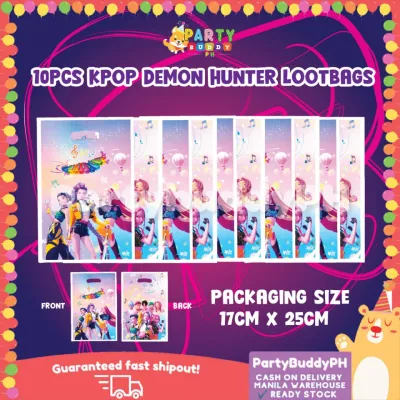
When aligning your materials with the party theme, you can choose between two primary design strategies. The first strategy is to use plain, neutral bags—such as classic brown kraft paper—and pair them with highly themed, patterned wrapping paper or custom stickers. This approach is highly cost-effective, as plain bags are inexpensive when purchased in bulk, and it allows the themed elements to stand out as focal points. The second strategy is to use pre-printed themed bags featuring popular characters or motifs, paired with solid-colored, subtle liners. This method provides instant visual recognition but requires careful coordination to ensure the liner colors complement rather than clash with the busy bag patterns.
Safety and comfort should always guide your final material choices. Children have sensitive skin, so it is vital to ensure that bag handles do not cut into small hands when the bags are fully loaded. Avoid thin, rough plastic handles or sharp twine that can pinch or scratch. Inspect all bags to verify they are free from sharp metal staples, exposed wire twist ties, or rigid plastic edges that could cause minor cuts. Finally, confirm that all printed materials use non-toxic, lead-free inks that will not rub off on children’s skin or clothing, especially during active, warm-weather outdoor play.
Sourcing Supplies and Pre-Assembly Checks
Acquiring your lootbag supplies efficiently requires balancing convenience, cost, and quality control. Local stationery shops and specialized party supply stores are excellent for hands-on inspection, allowing you to feel the paper weight and test handle strength before buying. For larger parties, general online marketplaces offer significant bulk discounts and a wider variety of niche themes. When sourcing online, always factor in shipping lead times to allow for potential delays, and carefully review the seller’s return policies in case you receive a defective batch with weak glue seams or misprinted designs.
Before committing to packing the entire batch of lootbags, conduct a physical stress test to verify their structural integrity. Assemble a single test bag exactly as you plan to present it, filling it with the heaviest combination of favors. Lift the bag by its handles and gently shake it to simulate a child walking or running. Observe the bottom seams for any signs of stretching, parting, or tearing, and check if the handles show signs of pulling away from the bag walls. If the test bag fails, you must either reinforce the materials or distribute the weight more evenly across different items.
To streamline the packing process and save valuable time, organize a linear assembly station. Begin by batch-folding all wrapping paper and pre-cutting any ribbons or tape strips you will need. Next, pre-line all the bags with tissue paper or crinkle filler so they stand open and ready. Work in a continuous line: place the heaviest items at the very bottom of each bag first to establish a stable center of gravity, followed by medium-weight favors, and finally lightweight decorative items on top. This systematic approach ensures consistent presentation across all bags and prevents you from accidentally omitting items from individual bags.
Frequently Asked Questions (FAQ)
How can I prevent paper lootbags from tearing at the handles?
To reinforce paper lootbag handles, apply a strip of heavy-duty clear packing tape or duct tape over the inner attachment points on the inside of the bag before packing. If the bag uses punched holes with threaded string or ribbon, you can reinforce the holes by applying self-adhesive reinforcement donuts or a small square of cardboard glued to the inside. Additionally, always place the heaviest, densest items flat at the very bottom of the bag to prevent them from shifting and putting uneven leverage on a single handle.
Is it better to wrap individual items or just use loose tissue paper?
The choice depends on your available preparation time and the age of the guests. Individually wrapping each favor in standard wrapping paper creates a highly deliberate, premium unboxing experience that builds excitement, making it ideal for smaller guest lists or older children who appreciate the suspense of unwrapping. However, if you are short on time or hosting toddlers who may struggle with tape, using loose tissue paper or crinkle cut filler is much more efficient. Loose filler provides excellent cushioning, takes seconds to assemble, and still offers a colorful, festive presentation.

Community discussion
Share your experience or ask a question. Comments are reviewed before publication.