
Building a complete school art kit requires selecting materials that can withstand the energetic hands of young creators while offering maximum creative flexibility. Among these essential supplies, the humble pipe cleaner—historically used for cleaning utility pipes but now a staple of modern classrooms—stands out as a highly versatile tool for three-dimensional modeling, structural reinforcement, and decorative embellishment. Finding the right pipe cleaner for crafts involves looking beyond the cheapest bulk options, which often suffer from sparse fibers, brittle wires, and uneven color assortments.
To assemble a truly reliable art kit, you must focus on sets that balance structural integrity with tactile comfort. A high-quality set should feature a dense, non-shedding polyester or nylon pile wrapped securely around a flexible, rust-resistant iron wire core. This combination ensures that whether a student is constructing a miniature animal skeleton, designing custom holiday ornaments, or building a science model, the material holds its shape without snapping or leaving a trail of loose fuzz across the classroom desk.
In tropical environments like the Philippines, where high humidity can accelerate the degradation of cheap metal cores and weaken low-grade adhesives, choosing the right craft supplies becomes even more critical. Selecting a well-packaged, multi-colored set with a verified piece count and standard dimensions will save parents and students from the frustration of ruined projects and messy cleanups. By understanding the physical characteristics, project applications, and value metrics of these craft essentials, you can confidently curate a school art kit that inspires creativity and stands up to daily classroom use.
Products mentioned in this guide
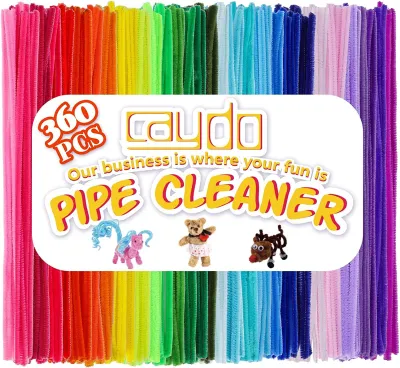
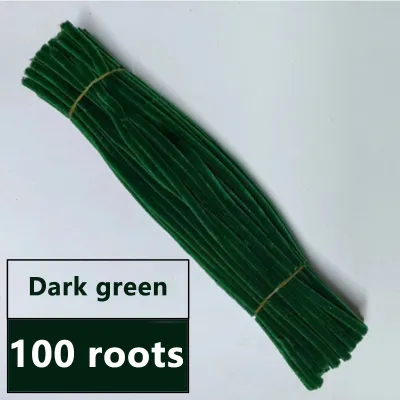

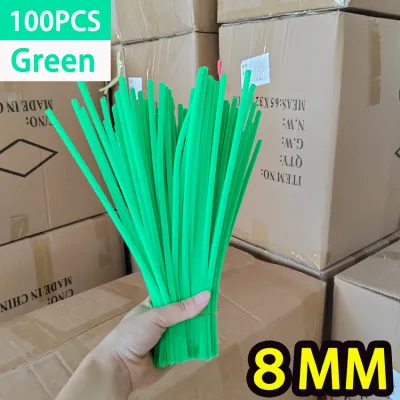
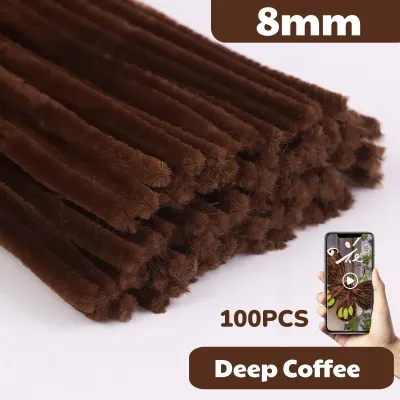
Prices are valid at publication and may change. Please refer to the product page for the latest price.
What Makes a Good Pipe Cleaner for School Projects?
When evaluating pipe cleaner sets for a school art kit, the physical construction of the stem determines how well it performs during complex crafting tasks. The core of any pipe cleaner is its wire center, which must strike a delicate balance between flexibility and structural strength. High-quality craft stems typically utilize a soft iron or low-carbon steel wire that can be bent, twisted, and uncoiled multiple times without snapping. If the wire is too stiff, younger students will struggle to manipulate it, leading to hand fatigue; if it is too soft, the stem will fail to support its own weight or the weight of attached materials like beads and paper.
To test wire core resilience, you can perform a simple bend check. A reliable craft stem should bend easily to a 180-degree angle and return to its original straight form with minimal kinking. It should also hold a tight spiral shape when wrapped around a pencil, maintaining its tension even when subjected to light pulling. Brittle wires often snap at the stress points after only two or three bends, which can ruin a student’s progress mid-project and create sharp, exposed metal edges that pose a minor safety hazard.
The exterior fuzz, or pile, is the next critical component to examine. The density of these fibers directly impacts both the appearance of the finished craft and the cleanliness of the workspace. High-density pipe cleaners feature closely packed synthetic fibers—usually polyester or nylon—that completely obscure the inner metal wire. When you bend a high-density stem, the fibers should fan out smoothly without revealing large gaps of bare metal. Conversely, low-quality options often have sparse, unevenly distributed pile that sheds excessively at the slightest touch, leaving a messy residue on hands, clothing, and school desks.
Finally, understanding standard dimensions is essential for matching the supply to the curriculum. The standard size for school craft projects is 12 inches (approximately 30 centimeters) in length with a diameter of 6 millimeters. This size is highly versatile, providing enough length for most individual figures while remaining easy to cut down with safety scissors. For larger structural builds or collaborative classroom displays, jumbo variants measuring 9 millimeters to 15 millimeters in diameter offer the extra thickness and rigidity needed to support heavier elements, whereas mini variants are reserved for intricate detailing.
Matching Pipe Cleaner Styles to Specific Art Projects
Different art assignments call for different styles of pipe cleaners, making a varied assortment the most practical choice for a complete school kit. Standard solid colors form the foundation of any craft collection. A robust baseline of primary colors (red, yellow, and blue) and secondary colors (green, orange, and purple) is indispensable for general sculpting, color-mixing exercises, and basic geometric modeling. Neutral tones like black, white, brown, and grey are equally important, as they are frequently used to construct realistic animal figures, human skeletons, and structural supports that need to blend into the background.

Specialty variants introduce a layer of visual excitement and texture to mixed-media projects. Metallic or tinsel pipe cleaners, which feature shiny, reflective plastic fibers woven into the wire, are highly popular for festive holiday decorations, star shapes, and futuristic models. However, because the metallic film can be slightly stiffer and scratchier than standard polyester fuzz, these are best used for decorative accents rather than structural bases. Neon and pastel sets offer alternative color palettes that can make modern art projects stand out, while striped or multi-colored chenille stems add instant pattern and texture to simple designs without requiring extra painting or coloring.
When selecting a set, you must also decide between pre-cut standard lengths and continuous craft rolls. For a school art kit, pre-cut 12-inch stems are almost always the superior choice. They fit neatly into standard backpacks and pencil cases, require no initial preparation, and allow teachers to distribute equal portions to students quickly. Pre-cut lengths also help younger children learn spatial planning and material conservation, as they must figure out how to complete their project using a set number of pieces. Continuous rolls, while useful for large-scale home projects, are cumbersome to transport and often lead to excessive waste in a classroom setting.
How to Evaluate Value and Color Variety in Bulk Sets
Purchasing pipe cleaners in bulk is the most cost-effective way to stock a school art kit, but not all bulk sets offer the same utility. A common pitfall when buying large assortments is poor color distribution. Many budget-friendly packs advertise “100 pieces in assorted colors,” only for the buyer to discover that the pack contains fifty red stems, thirty yellow stems, and only a couple of blue, black, or white pieces. This uneven distribution limits a student’s creative options and often forces parents to buy additional packs just to get a single missing color. Look for product listings that explicitly guarantee an equal distribution of colors or specify the exact number of pieces per shade.
To determine the true value of a bulk set, you should calculate the cost per piece rather than simply choosing the lowest overall price. For instance, if a pack of 100 pipe cleaners is priced at ₱80, the unit cost is ₱0.80 per piece, which is generally a better value than a 50-piece pack priced at ₱50 (₱1.00 per piece), provided the quality remains consistent. However, you must weigh this unit cost against the physical specifications of the product. An ultra-cheap set might offer a low per-piece price but feature thin, sparse fibers and brittle wires that make them unusable for school projects, ultimately resulting in wasted money.
Another critical factor that is often overlooked is the durability of the packaging. A school backpack is a chaotic environment where loose craft supplies can easily be crushed, bent, or soiled. Bulk sets that arrive in flimsy, heat-sealed plastic wrap must be transferred to another container immediately upon opening, adding an extra step to your preparation. The most practical bulk sets are packaged in heavy-duty, resealable zip-top bags or rigid plastic tubes. These containers protect the stems from being bent out of shape by heavy textbooks and shield them from the high humidity typical of tropical climates, which can otherwise degrade the materials over time.
Safety Checks and Storage for the School Art Kit
Ensuring the safety of craft materials is paramount when preparing a kit for school use. While pipe cleaners are generally low-risk, the sharp metal ends of the wire core can pose a minor hazard, particularly for younger children. Before purchasing a set, check the manufacturer’s age recommendations, which are typically set at three years and older due to the sharp points and small parts. High-quality craft stems often feature cleanly cut wire ends that are tucked slightly into the fiber pile, minimizing the risk of accidental scratches. If you notice exposed, sharp wire tips on a budget set, you can easily remedy this by using a small pair of craft pliers to fold the extreme tips inward before packing them into the school kit.
Proper storage within the art kit is essential for maintaining the shape and usability of the pipe cleaners. If left loose in a backpack, the flexible wire cores will inevitably bend, kink, and tangle with other supplies like scissors, rulers, and glue sticks. To prevent this, dedicate a specific compartment or container within the art kit for your craft stems. A rigid plastic pencil box, a cardboard mailing tube, or a dedicated zippered pouch with a stiff backing will keep the pipe cleaners straight and organized. This not only extends the lifespan of the supplies but also makes it much easier for the student to find the exact color they need during a fast-paced art class.
Adhesive compatibility is another practical consideration that affects the success of school art projects. Because the exterior of a pipe cleaner consists of dense synthetic fibers, standard liquid school glue (PVA glue) can take a long time to dry and may cause the stems to slip out of alignment during the drying process. For classroom safety, quick-drying tacky glue or double-sided craft tape are excellent alternatives that provide a strong hold without the burn hazards associated with hot glue guns. If hot glue must be used for structural joints, it should always be done under adult supervision, ensuring the melted adhesive penetrates the fiber pile to bond directly with the inner wire core.
Building Your Shortlist: Final Checks Before Checkout
Before finalizing your purchase on an online marketplace, taking a few minutes to verify product claims can save you from a disappointing delivery. Start by conducting a thorough review analysis of the seller’s feedback. Instead of focusing solely on five-star ratings, filter the reviews for keywords such as “shedding,” “thin,” “wire,” or “colors.” Pay close attention to user-uploaded photographs, as these provide a realistic view of the product’s actual fiber density and color vibrancy, which are often exaggerated in polished promotional images. If multiple buyers complain that the wires snap easily or that the colors are dull, it is best to look for an alternative option.
Next, double-check the exact specifications listed in the product description. Promotional images can be highly misleading, often showing a massive, dense bundle of pipe cleaners that actually represents a 500-piece set, even though the listing is for a 50-piece pack. Verify the precise piece count, the length (ideally 12 inches or 30 centimeters), and the diameter (6 millimeters for standard use). Ensuring these measurements match your school’s supply list will prevent you from accidentally purchasing miniature or jumbo sizes that do not fit the planned curriculum.
Finally, review the seller’s return and refund policies, especially when purchasing bulk craft supplies. Even with careful research, there is always a small risk of receiving a defective batch with missing colors, water damage from transit, or manufacturing flaws. A reputable seller should offer a straightforward return process or a replacement guarantee for defective items. By keeping these final checks in mind, you can assemble a high-quality, reliable, and cost-effective pipe cleaner set that serves as a cornerstone of your student’s school art tool kit.
Frequently Asked Questions (FAQ)
Can you wash pipe cleaners if they get dirty during a project?
Washing pipe cleaners is generally not recommended because the inner core is typically made of iron or low-carbon steel, which rusts quickly when exposed to water. If a craft project gets slightly dirty, it is best to spot-clean the affected fibers using a damp cloth or a cotton swab dipped in a mild soapy solution, taking care not to saturate the inner wire. After cleaning, dry the stem immediately using a hair dryer on a cool setting or by placing it in a well-ventilated area. If a pipe cleaner becomes heavily soiled or wet, it is usually more practical and hygienic to discard it and replace it with a fresh piece to prevent mold growth and rust stains.
How to prevent sharp wire ends from poking through the fuzz?
To prevent the sharp metal ends of a pipe cleaner from scratching skin or poking through finished projects, you can use a simple folding technique. Before starting a craft, use your fingers or a small pair of craft pliers to bend the extreme tip of the wire (about 2 to 3 millimeters) back on itself, pressing it flat against the main stem. This tucks the sharp point safely inside the dense fiber pile, creating a smooth, rounded end. For younger students, parents or teachers should supervise this initial preparation phase or pre-fold the ends of the pipe cleaners before distributing them for classroom use.
Community discussion
Share your experience or ask a question. Comments are reviewed before publication.