
Selecting a thoughtful gift for a seasonal exchange involves balancing aesthetic appeal with practical utility. A rattan fruit basket with a handle stands out as an exceptional choice, blending rustic elegance with everyday functionality. In the Philippines, where festive gatherings and family reunions are central to the holiday season, presenting a beautifully curated basket filled with fresh tropical fruits or local delicacies is a time-honored gesture of warmth and generosity. The natural texture of rattan instantly elevates the presentation, making even a simple selection of fruits look like a premium, hand-crafted hamper.
Unlike conventional gift boxes or single-use paper bags, a high-quality rattan basket serves a dual purpose. It acts as an eye-catching vessel during the initial gift exchange and transitions seamlessly into a functional home accessory afterward. Recipients can repurpose the basket for kitchen storage, home organization, or even as a stylish container for future outings. To ensure your gift makes the best possible impression, it is essential to understand what makes a rattan basket durable, how to match its design to your intended contents, and how to verify its quality before purchasing.
Why Rattan Fruit Baskets Make Excellent Exchange Gifts
The visual appeal of natural rattan lies in its organic warmth and intricate texture. When used as a gift container, it provides a neutral yet sophisticated backdrop that highlights the vibrant colors of fresh produce, such as bright yellow mangoes, deep red apples, or green pears. This natural contrast creates an immediate sensory appeal that plastic or cardboard alternatives simply cannot replicate. The woven patterns catch the light beautifully, adding depth and a sense of craftsmanship to your gift presentation.
Products mentioned in this guide
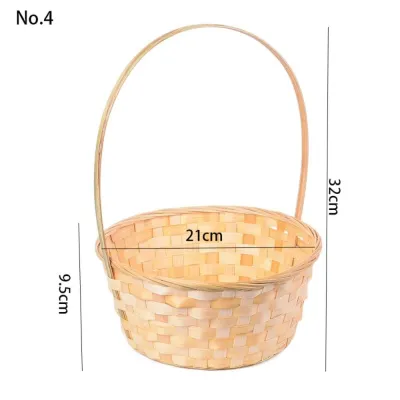
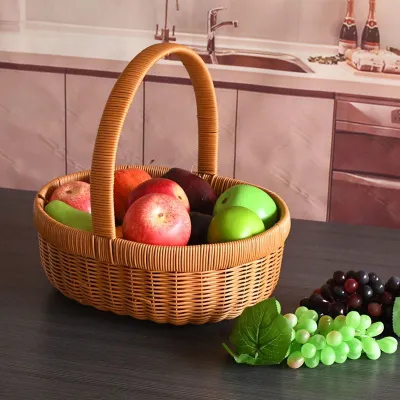
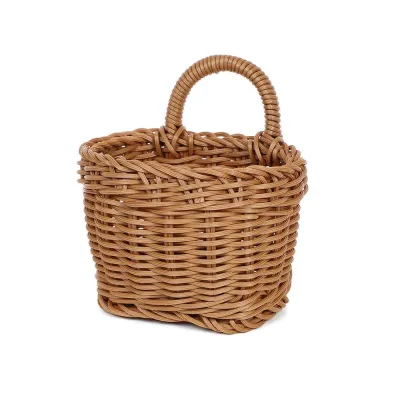
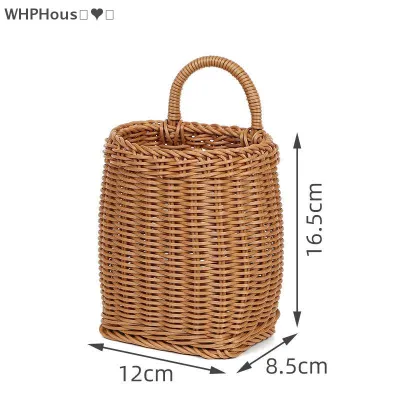
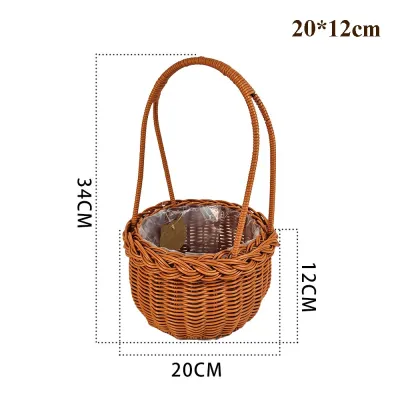
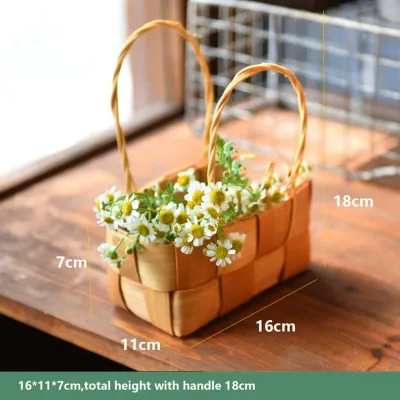
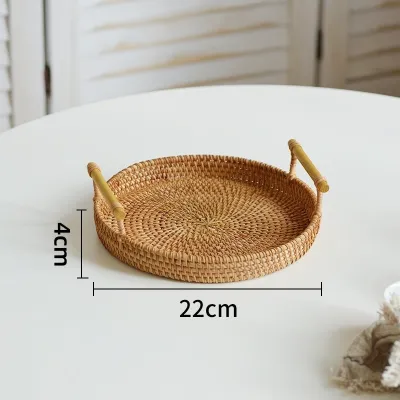
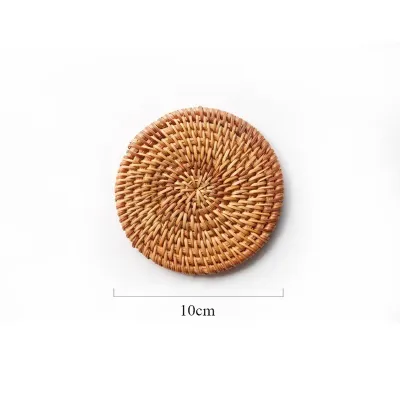
Prices are valid at publication and may change. Please refer to the product page for the latest price.
Environmental sustainability is another compelling reason to choose rattan for your seasonal gift exchanges. As awareness of packaging waste grows, many gift-givers are actively seeking eco-friendly alternatives to cellophane wraps and synthetic boxes. Rattan is a fast-growing, renewable resource that offers remarkable durability. By gifting a rattan basket, you are providing a reusable item that reduces waste. The recipient can use it for years to come, whether as a decorative centerpiece on their dining table, a holder for mail in the entryway, or a handy organizer for small household items.
The inclusion of an integrated handle significantly enhances the practical value of the basket. During festive gatherings, guests often have to carry multiple items, navigate crowded venues, or travel between different homes. A sturdy, well-designed handle makes the gift easy to carry, transport, and hand over to the recipient. It eliminates the awkwardness of balancing a heavy, flat tray or worrying about items sliding out of an open box. This thoughtful design element ensures that your gift remains intact and presentable from the moment you assemble it to the moment it is opened.
Key Dimensions and Craftsmanship Checks
When shopping for a rattan fruit basket, inspecting the quality of the weave is the first step in ensuring durability. High-quality baskets feature tight, uniform weaving with minimal gaps between the strands. You should run your hand gently over the surface of the basket to check for loose ends, sharp splinters, or rough patches. A poorly finished basket can snag delicate fruit skins, leading to premature bruising or spoiling, and can also scratch the hands of the recipient or damage delicate clothing during transport.

Understanding the material is also key to verifying quality. Natural rattan is lightweight yet incredibly strong, possessing a distinct fibrous texture and subtle color variations that give it character. In contrast, synthetic alternatives made of plastic can look uniform but lack the breathability and premium feel of the real material. When inspecting a basket, look for the natural growth marks and slight imperfections that prove its authenticity. These natural variations add to the rustic charm of the gift, making each basket unique.
The handle attachment points are the most critical structural areas to evaluate, especially if you plan to fill the basket with heavy items. Examine how the handle is secured to the main body of the basket. In premium craftsmanship, the handle is not merely glued or stapled to the rim; instead, the core material of the handle is woven directly into the base or wrapped securely with thick rattan splits. Look for reinforced joints and double-wrapped sections at the connection points. If the handle feels loose, wobbles, or shows signs of separation when lightly tugged, it may fail under the weight of a full load of fruits.
The base of the basket requires close inspection as well. A weak or sagging bottom will cause the contents to shift and bunch together, leading to bruised fruits and an untidy presentation. Press down gently on the center of the basket’s floor; it should feel firm and resilient. High-quality baskets often feature a wooden board base or a cross-brace of thicker rattan poles woven underneath to distribute weight evenly and prevent sagging over time.
Internal dimensions must be carefully matched to the size and quantity of the items you intend to gift. A basket that is too shallow will cause round fruits like oranges or apples to roll out during transit, while a basket that is too deep might bury the contents, making the presentation look sparse. Measure the width and depth of the basket’s base. For a standard fruit arrangement, a depth of at least ten to fifteen centimeters is generally recommended to keep the items secure. Ensure there is enough surface area at the bottom so that heavier fruits can sit flat without piling up and crushing softer items underneath.
Hygiene and ease of maintenance are also vital considerations for food-contact items. Check if the basket comes with a removable fabric liner, a plastic insert, or a protective base coating. A washable cotton or linen liner adds a charming, rustic touch while protecting the rattan from sticky fruit residues or moisture. If a liner is not included, look for baskets that have a smooth, clear protective lacquer. This coating helps seal the natural fibers, making it harder for moisture to penetrate the wood and reducing the risk of mold growth in humid tropical climates.
Matching the Basket Style to Your Gift Contents
Selecting the right basket shape and handle configuration depends heavily on the specific items you plan to include in your gift. Shallow, wide-mouth baskets are ideal for displaying a colorful variety of medium-sized, lightweight fruits. This design maximizes the visible surface area, allowing you to arrange the fruits in a single, stunning layer. It is perfect for showcasing a mix of local mangoes, grapes, and citrus fruits, as it prevents the items from pressing against each other and causing bruises.
For heavier or more diverse gift assortments, a deeper, structured basket with a reinforced base is a more suitable choice. If your gift includes glass jars of gourmet spreads, bottles of sparkling juice, or heavy melons, you need a basket with high, rigid walls to keep everything upright. A deeper basket allows you to layer the items safely, placing the heaviest objects at the bottom and nesting lighter, more delicate treats on top. Ensure the base of the basket is flat and rigid so that bottles and jars do not tip over when the basket is lifted.
The design of the handle also affects how the basket balances when carried. A single, high-arched overhead handle is classic and elegant, but it requires careful weight distribution. If one side of the basket is significantly heavier than the other, the basket will tilt when lifted by the handle, potentially causing items to spill. For heavier or asymmetrical gift arrangements, consider baskets with double side handles or low-profile woven grips. These designs allow the recipient to carry the basket with both hands, distributing the weight evenly and ensuring a secure hold.
The clearance between the top of the fruit arrangement and the underside of the handle is another practical detail to consider. There should be enough space for a hand to comfortably grip the handle without pressing against the fruits or gift items. If the handle clearance is too low, carrying the basket becomes awkward, and the friction can damage both the wrapping and the delicate skin of the fruits. Aim for a clearance of at least ten centimeters above the highest item in your arrangement.
To protect your items and enhance the visual presentation, consider using natural cushioning materials at the bottom of the basket. Shredded kraft paper, wood shavings, or a folded piece of linen fabric can provide an excellent buffer. This cushioning layer prevents the fruits from rolling around, absorbs any accidental moisture, and lifts the items slightly so they are more visible and beautifully presented.
Finally, consider how the natural tone of the rattan coordinates with your overall gift presentation. Rattan comes in various natural shades, ranging from light, creamy beige to deep, warm honey brown. Light-colored rattan pairs beautifully with pastel ribbons, fresh green foliage, and bright, colorful fruits, creating a fresh and modern aesthetic. Darker rattan tones offer a more traditional, rustic feel that complements rich red ribbons, dried flowers, and artisanal gourmet products. Choosing complementary wrapping elements helps create a cohesive and visually striking presentation.
Sourcing Options and Pre-Purchase Verification
Finding the perfect rattan basket requires navigating various retail channels with a discerning eye. When shopping on online marketplaces, it is crucial to look beyond the polished product photos. Scroll down to the customer review section and look for verified purchases that include real-life photos and videos. Pay close attention to comments regarding the actual size of the basket, as online images can often make items appear larger than they are. Look for feedback that specifically mentions the sturdiness of the handle and whether the basket arrived in good condition.
If you prefer a hands-on approach, visiting local craft stores, specialty home boutiques, or artisan markets is highly recommended. Shopping in person allows you to physically assess the quality of the rattan. You can feel the weight of the basket, test the flexibility and strength of the handle, and ensure there are no sharp splinters or loose weaves. Additionally, sourcing from local artisan markets often supports traditional weavers and ensures you are getting a unique, hand-crafted piece with authentic character.
For those planning multiple exchange gifts for office colleagues or large family gatherings, bulk sourcing is a practical route. When ordering multiple rattan baskets, consistency in size and quality becomes a priority. Since natural rattan baskets are hand-woven, slight variations in dimensions are normal. However, reputable wholesale suppliers or local weaving cooperatives should be able to provide consistent structural quality. When ordering in bulk, always request a sample first to verify the weave tightness and handle strength before committing to a larger order.
Before finalizing your purchase, especially when buying online, verify the seller’s shipping and packaging policies. Rattan is a natural material that can be crushed or deformed if subjected to heavy pressure during transit. Ensure the seller packages the baskets in sturdy cardboard boxes with adequate cushioning, rather than simple plastic mailers. It is also wise to check the return or replacement policy in case the basket arrives with a broken handle or damaged weave, ensuring you have a hassle-free way to resolve any issues before the gift exchange event.
Frequently Asked Questions (FAQ)
How do I clean a rattan basket if it gets sticky from fruit juices?
If your rattan basket gets sticky from fruit juices or food spills, it is important to clean it promptly to prevent staining and mold. Start by wiping the affected area with a soft cloth slightly dampened with warm water and a drop of mild dishwashing soap. Avoid soaking or submerging the basket in water, as natural rattan absorbs moisture quickly, which can cause the fibers to swell, warp, or develop mold. For tight crevices in the weave, use a soft-bristled toothbrush to gently scrub away any residue. Once clean, wipe the basket with a dry cloth and place it in a well-ventilated, shaded outdoor area to air dry completely before storing or reusing it.
Can I add a custom ribbon or tag to the handle without damaging it?
Yes, personalizing the handle of your rattan basket is a wonderful way to enhance its presentation, provided you use safe attachment methods. Opt for soft, non-abrasive materials such as cotton ribbons, satin bands, or natural abaca twine. When securing tags or decorative elements, tie them gently around the handle rather than using tight wire ties, plastic zip ties, or heavy adhesives. Sharp wires can cut into the delicate rattan fibers, while adhesives can leave a sticky residue that attracts dirt and ruins the natural finish. By using soft ties, you ensure the basket remains undamaged and fully reusable for the recipient.

Community discussion
Share your experience or ask a question. Comments are reviewed before publication.