
Selecting the perfect flower laces for gown making in the Philippines requires balancing aesthetic elegance with practical wearability in a tropical climate. Whether you are designing a traditional Filipiniana, a modern bridal gown, or a debutante dress, the choice of lace dictates how the garment drapes, breathes, and holds its structure. By understanding the physical properties of different lace types and knowing how to source and inspect them locally, you can ensure your creation stands up to both the humid weather and the physical demands of a long celebration.
Understanding Flower Lace Types for Gown Embellishment
Identifying the specific structure of a flower lace is the first step in matching it to your gown design. Appliqué lace consists of individual floral motifs embroidered onto a fine mesh backing. These motifs are designed to be carefully cut out and hand-sewn onto specific areas of a gown, allowing for organic, cascading floral placements along necklines, sleeves, or skirts.
Guipure lace, also known as Venetian lace, features continuous embroidered floral patterns connected by delicate bars or plaits rather than a mesh backing. Because it lacks a background net, guipure is heavier, highly textured, and offers a distinct three-dimensional quality. This makes it exceptionally durable but also less flexible than mesh-backed alternatives.
Products mentioned in this guide
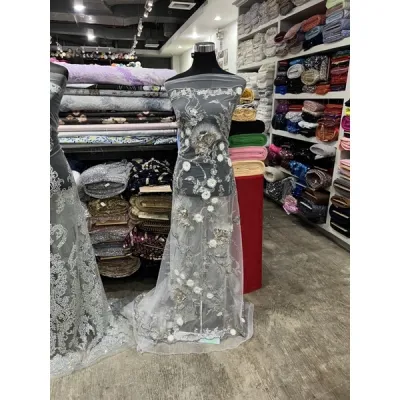
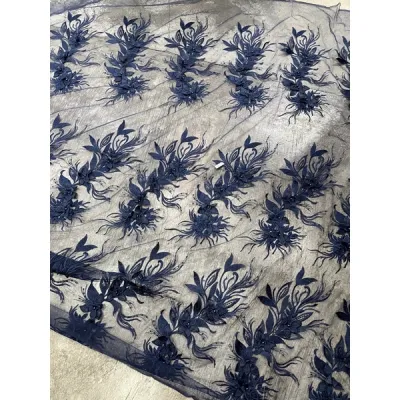
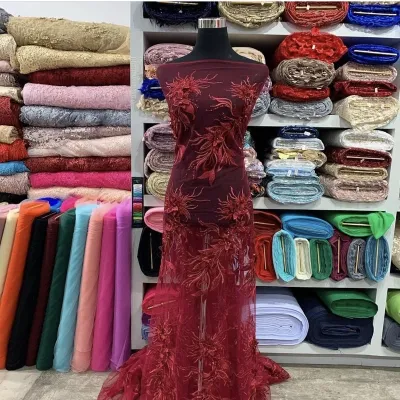
Prices are valid at publication and may change. Please refer to the product page for the latest price.
Chantilly lace is celebrated for its delicate, flat, and highly detailed floral patterns set against a fine hexagonal mesh. It has an incredibly soft, fluid drape, making it the traditional choice for romantic overlays, sheer sleeves, and cascading bridal veils. Its lightweight nature is particularly suited for warm-weather events where heavy fabrics would be uncomfortable.
Alençon lace is a corded lace where the outlines of the floral motifs are defined by a heavier thread or cord, giving the pattern a raised, defined border. This structure provides a classic, regal appearance and offers more body than Chantilly lace, making it excellent for structured bodices and defined hemlines.
Matching these lace types to your gown’s silhouette is essential for structural harmony. Heavy guipure lace is best utilized on structured bodices, column gowns, or structured A-line skirts where the fabric needs to hold its shape without sagging. Conversely, delicate Chantilly lace is ideal for soft, flowing silhouettes like sheath dresses, ethereal overlays, or gathered skirts that require maximum movement.
When planning your embellishments, consider the visual difference between 3D floral laces and flat embroidered laces. 3D floral laces feature layered fabric petals, organza cutouts, or beaded elements that physically stand out from the backing, creating dramatic texture and catching the light beautifully. Flat embroidered laces offer a classic, smooth finish that is easier to seam, less likely to snag on jewelry, and provides a more understated elegance.
Key Selection Criteria for Gown-Making Laces
Evaluating fabric compatibility is critical to ensure the lace weight, drape, and stretch align with your base gown fabric. A heavy, highly beaded floral lace applied to a delicate silk organza or lightweight tulle can cause the base fabric to sag, pucker, or tear under the weight. For stiffer fabrics like duchess satin or taffeta, choose structured laces like Alençon or guipure that can match the fabric’s natural body.

Before purchasing your yardage, measure the scallop edge depth and the pattern repeat length. The decorative scalloped borders of a lace roll are highly valuable for finishing necklines, cuffs, and hemlines. Knowing the pattern repeat—the distance before the floral design starts over—allows you to calculate the exact yardage needed to align the floral motifs symmetrically across seams and bodice panels.
Verify dye lot consistency and colorfastness, especially when working with bridal shades like ivory, blush, champagne, or custom-dyed tones. White and off-white shades can vary dramatically between different production batches, so always purchase your entire required yardage from a single roll. If you plan to custom-dye the lace, verify that the fibers can absorb dye evenly and will not bleed when exposed to perspiration or high humidity.
Consider the recovery properties and seam allowance requirements if the flower lace will be applied to fitted or stretch-woven gown panels. Nylon-blend mesh backings generally offer better elasticity and recovery, allowing the gown to hug the body comfortably. Pure polyester or cotton laces have minimal stretch, meaning you must plan for wider seam allowances and precise fitting to prevent the seams from pulling apart under tension.
Sourcing Flower Laces in the Philippines
For premium, high-end couture projects, specialized bridal and couture fabric suppliers in major metropolitan areas are the premier choice. These boutique shops import high-quality European and Asian laces that feature consistent dye lots, superior cording, and exclusive floral designs. While these options require a higher investment, they provide the structural integrity and refined finish necessary for bespoke bridal wear.
If you are working on a budget-friendly project, require bulk yardage, or enjoy searching for unique remnants, exploring local fabric districts is highly rewarding. Districts like Divisoria, particularly around Ylaya and Tabora streets in Manila, offer an extensive array of lace trims, rolls, and appliqués at wholesale rates. Kamuning Public Market in Quezon City is another excellent destination, known for its diverse fabric stalls and accessible tailoring supplies.
Utilizing online craft stores and e-commerce platforms is highly convenient, especially for designers located outside Metro Manila. However, because digital screens can distort colors and textures, it is essential to order physical swatches before committing to full yardage. This step allows you to verify the hand-feel, weight, and exact color match against your base gown fabric in natural light.
For targeted embellishments, check local haberdashery and embroidery shops for pre-cut floral appliqué motifs. These individual pieces are sold in pairs or small packs, making them perfect for adding strategic floral details to a bodice, concealing a seam, or scattering small flowers along a sheer sleeve without the need to buy and cut up yards of expensive lace.
Evaluating Lace Quality and Construction Readiness
Before beginning construction, spread the flower lace flat over a contrasting surface to inspect the backing mesh or tulle. Look closely for snags, small holes, weak points, or uneven tension in the weave. A brittle or poorly constructed backing can easily tear during machine stitching, hand sewing, or under the weight of added beads and sequins.
Examine the density and security of the cording or embroidery threads forming the floral patterns. High-quality lace features tight, secure stitching that holds its shape when handled. If the cording or embroidery threads are loose or poorly tied off, cutting the lace into individual motifs or trimming the edges will cause the design to unravel, ruining your hard work.
In the warm and humid climate of the Philippines, testing the drape and hand-feel of the lace against the skin is essential for wearer comfort. Stiff, scratchy synthetic laces can cause severe skin irritation, redness, and discomfort, particularly along unlined necklines, armholes, or sheer sleeves. Opt for softer nylon or cotton-blend backings for any areas of the gown that will have direct, prolonged contact with the skin.
Finally, review the manufacturer’s care and washing instructions to confirm compatibility with the base fabric’s long-term maintenance. Gowns embellished with delicate flower laces typically require specialized dry cleaning or gentle hand washing. Ensuring that both the lace and the underlying gown fabrics share compatible care requirements prevents shrinkage, color bleeding, or structural distortion during future cleaning.
Frequently Asked Questions (FAQ)
Can I dye white flower lace to match an ivory or blush gown?
Yes, but success depends entirely on the fiber content of the lace and its backing mesh. Natural fibers like cotton, rayon, and silk absorb standard acid or fiber-reactive dyes easily at moderate temperatures. However, most modern flower laces are made of polyester or nylon. Nylon can be dyed relatively easily, but polyester requires specialized disperse dyes and sustained high heat, which can shrink the delicate backing mesh or distort the floral motifs. Always test a small scrap first to observe how the fibers react, and consider professional dyeing services for large yardage to ensure a uniform, streak-free finish.
How do I prevent floral lace motifs from fraying when cutting them apart?
To safely isolate individual floral motifs, use sharp, fine-tipped embroidery scissors that allow for precise cuts. Avoid cutting directly through the delicate backing mesh without a plan; instead, cut carefully along the outer edge of the thick cording or embroidery lines that define the flower. If the lace has a tendency to fray, apply a tiny, controlled drop of liquid fray check or fabric sealant to the cut edges, ensuring it does not seep into the visible parts of the motif. When sewing the motif onto a contrasting fabric, leaving a tiny 1-millimeter margin of the backing net can provide extra stability for hand-stitching.
What needle and thread types are best for sewing heavy guipure lace?
Sewing heavy guipure lace requires sturdy tools to penetrate the dense, corded embroidery without damaging your sewing machine or the fabric. Use a sharp or microtex needle (typically size 80/12 or 90/14) to ensure clean punctures through the thick floral elements. Match this with a high-quality, strong polyester thread that offers excellent tensile strength and a subtle sheen. When machine sewing, use a walking foot or a Teflon foot to help the machine feed the uneven, textured surface of the lace smoothly, and adjust your tension slightly looser to prevent puckering along the seams.
Community discussion
Share your experience or ask a question. Comments are reviewed before publication.