
The choice between a twin-tip marker and a regular single-tip marker comes down to your workflow versatility versus your need for specialized, high-volume writing comfort. A twin-tip marker packs two distinct tip sizes into a single barrel, saving space and allowing rapid transitions between fine detailing and bold marking. However, a regular single-tip marker often offers a more balanced grip, a larger dedicated ink reservoir for a single tip size, and a lower cost per unit.
In the Philippines, where high humidity can affect paper absorption and ink drying times, choosing the right marker design is crucial for keeping your notes, labels, and creative projects clean and smudge-free. Whether you are organizing school supplies, labeling plastic storage bins for the rainy season, or working on detailed illustrations, understanding how these two designs perform under daily use will help you make the most practical purchase. Whether you are spending ₱80 on a single versatile pen or buying standard markers in bulk, understanding how these two designs perform under daily use will help you make the most practical purchase.
Core Differences in Tip Design and Ink Flow
The most obvious difference lies in the physical configuration of the tips. A standard single-tip marker features one writing point—typically a fine bullet tip or a broad chisel tip—housed in a barrel designed specifically for that size. In contrast, a twin-tip marker, such as a dual-ended permanent marker, combines two different tip sizes within a single plastic body. The most common configuration pairs a fine tip on one end with an ultra-fine tip on the other, allowing you to switch from bold labeling to precise writing simply by flipping the marker around.
Products mentioned in this guide
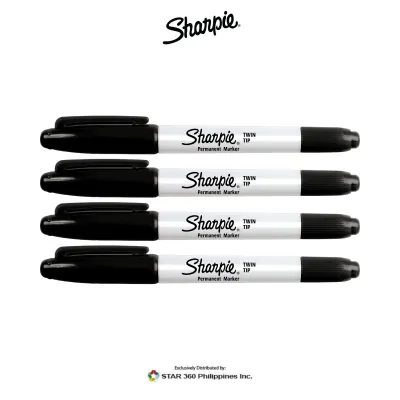
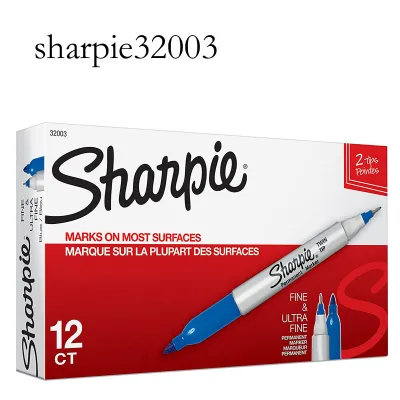
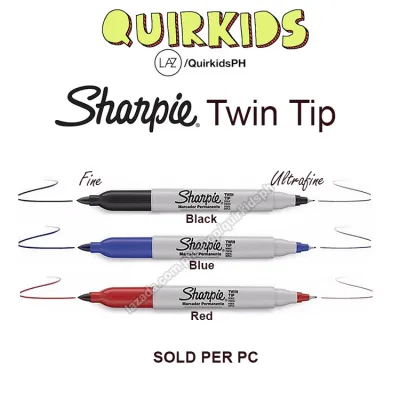
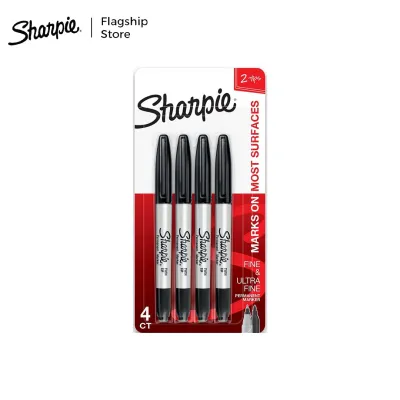
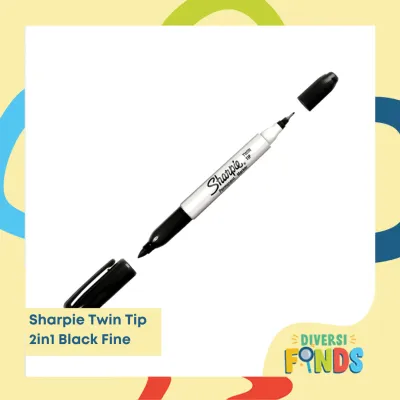
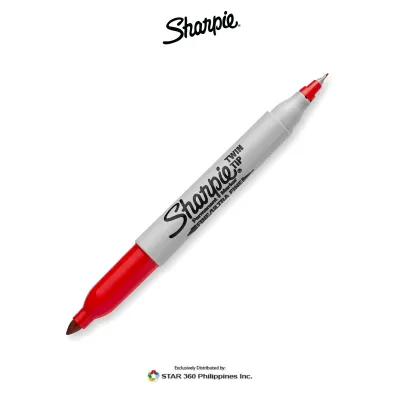
Prices are valid at publication and may change. Please refer to the product page for the latest price.
This dual-ended design directly impacts the physical ergonomics of the marker. Because the barrel must accommodate two separate tip assemblies and caps, twin-tip markers are often slightly longer and have a different center of gravity compared to their single-tip counterparts. The grip feel can vary significantly; some users find that the cap posted on the non-writing end of a twin-tip marker makes it feel back-heavy, while others appreciate the slightly thicker barrel for quick tasks. Standard markers, having only one cap to manage, typically offer a more traditional, balanced feel that remains consistent during long writing sessions.
Another critical factor is ink capacity and distribution. In a twin-tip marker, both tips draw from a shared internal ink reservoir. While this ensures that both ends produce the exact same color shade, it also means the total ink volume is split between two different points of exit. If you use one end heavily, you are drawing down the shared reservoir, which may cause the marker to run dry faster than a dedicated single-tip marker of equivalent size. A regular marker dedicates its entire ink supply to a single tip, making it a more predictable option for high-volume, repetitive tasks.
When the Twin Tip Design Actually Pays Off
The twin-tip design truly shines in multi-step tasks that require rapid transitions between different line weights. For example, if you are creating hand-drawn signs, organizing storage boxes, or working on mixed-media journaling, you often need to outline a shape with a fine line before filling in details or writing small notes. Instead of searching through your desk for two separate pens, you can simply flip the twin-tip marker in your hand. This seamless transition keeps your creative or organizational flow uninterrupted.

Portability is another major advantage, especially for students and professionals on the go. Carrying a single twin-tip marker in your pencil case or bag effectively cuts your writing instrument clutter in half. If you frequently commute or work in different spaces, reducing the number of items you need to pack is highly practical. You get the utility of two distinct markers—such as a bold marker for labeling packages and a fine-point pen for writing on sticky notes—without the bulk of carrying multiple barrels.
Furthermore, the twin-tip design guarantees perfect color consistency. Because both tips draw from the exact same ink reservoir, the color output from the fine end will match the ultra-fine end perfectly. This is particularly useful for color-coded organization, detailed illustrations, or professional presentations where mismatched shades of black, blue, or red can look disorganized. Achieving this level of consistency with two separate single-tip markers can sometimes be challenging, as different production batches or varying levels of ink dryness can cause slight color variations.
When a Regular Single-Tip Marker Is Enough
While the dual-tip design offers excellent versatility, a regular single-tip marker remains the superior choice for high-volume, single-purpose tasks. If your primary job is labeling large cardboard boxes, writing on posters, or highlighting printed documents, you do not need to switch line weights. In these scenarios, the extra ultra-fine tip on a twin-tip marker goes unused, meaning you are paying for a feature that does not contribute to your efficiency. A dedicated single-tip chisel or fine marker is far more practical for repetitive, heavy-duty marking.
Ergonomics also favor the traditional single-tip design for extended use. Regular markers are engineered with a single focus, often featuring contoured grip zones, rubberized sleeves, or shorter barrels that sit comfortably in the hand for hours. Because there is no second cap to post on the back, the weight distribution remains perfectly balanced near the writing tip. This reduces hand fatigue during long writing sessions, making standard markers the preferred choice for students taking extensive notes or office workers processing physical inventory.
Ink longevity and cost-effectiveness are also key considerations for heavy users. A dedicated single-tip marker typically holds a generous amount of ink dedicated solely to its single point, reducing the risk of premature drying. With twin-tip markers, alternating between ends or leaving one cap slightly loose can compromise the internal pressure and ink flow, potentially leading to one or both tips drying out prematurely. For budget-conscious buyers looking to get the maximum lifespan out of a single purchase, a standard marker often provides a more reliable and economical return on investment.
Practical Checks Before You Buy
Before purchasing any marker, it is essential to check the exact tip sizes printed on the barrel or product packaging. The term “twin tip” is a general design category, not a specific measurement. Some twin-tip markers pair a broad chisel tip with a fine bullet tip, while others combine a fine tip with an ultra-fine needle point. Carefully read the specifications to ensure the two tip sizes match your intended tasks, whether you need to write tiny text on small labels or draw bold lines on large surfaces.
Next, verify the ink type and its compatibility with your target surfaces. Permanent ink is ideal for non-porous materials like plastic containers, metal, and glass, making it highly resistant to moisture and smudging—a vital feature in humid tropical climates. However, if you plan to use the marker for adult coloring books, bullet journaling, or standard school notebooks, a water-based ink might be more appropriate to prevent heavy bleed-through. Always match the ink formulation to the material you will be writing on to avoid ruined projects or stained desks.
Finally, consider the paper weight and expected drying times. Permanent alcohol-based inks dry almost instantly on most surfaces, which prevents smudging but increases the likelihood of bleeding through standard copy paper. To verify how a marker will behave, look at the paper thickness (measured in grams per square meter, or gsm) you plan to use. For thin paper under 80 gsm, expect some bleed-through regardless of the tip size, and plan to use a protective backing sheet during your initial trials to observe how the ink spreads.
How to Decide: A Quick Selection Framework
To make your final decision, evaluate your primary writing environment and task variety. Choose a twin-tip marker if you value space-saving portability, frequently switch between detailed writing and bold labeling, and want the convenience of two line weights in a single tool. This option is perfect for students, bullet journal enthusiasts, and field workers who need to keep their gear light and versatile.
On the other hand, choose a regular single-tip marker if you prioritize long-term writing comfort, require a highly specific tip shape (like a heavy chisel tip for large posters), or have a high volume of repetitive tasks that do not require line-weight variation. Standard markers are also the more economical choice if you are buying in bulk for an office, classroom, or warehouse where specialized dual tips are unnecessary.
Before checking out, always prioritize the ink formula over the physical barrel design. If your project requires acid-free, archival-safe ink for scrapbooking, or specialized paint ink for outdoor wooden signs, find a marker that meets those chemical specifications first. Once you have identified the correct ink type for your surface, you can then select the barrel design—twin tip or regular—that best fits your daily handling preferences.
Frequently Asked Questions (FAQ)
How should I store twin-tip markers to prevent both ends from drying out?
To keep both ends of a twin-tip marker performing optimally, store the marker horizontally on your desk or in your drawer. Storing dual-ended markers vertically can cause gravity to pull the ink down to one end, leaving the top tip dry and under-saturated while the bottom tip becomes oversaturated and prone to leaking. Keeping them flat ensures the shared ink reservoir distributes fluid evenly to both tips. Additionally, always listen for a distinct click or feel a firm snap when replacing the caps to ensure an airtight seal, and periodically check the manufacturer’s packaging for any specific storage recommendations.
Can I use both tips on standard paper without excessive bleed-through?
Using permanent markers on standard copy paper or thin notebook pages often results in some degree of bleed-through, regardless of whether you use the fine or ultra-fine tip. Bleed-through is primarily dictated by ink flow, paper thickness, and dwell time (how long the tip rests in one spot), rather than the physical tip design itself. To prevent ruining subsequent pages, always test both tips on a scrap piece of the same paper first. When working on thin sheets, place a thick piece of cardstock or a plastic guard sheet directly underneath your page to catch any excess ink that penetrates the fibers.
Community discussion
Share your experience or ask a question. Comments are reviewed before publication.