
The primary difference between 60gsm, 70gsm, and 80gsm short bond paper lies in their thickness, opacity, and structural durability. These physical traits dictate how well the paper handles ink, resists bleed-through, and feeds through different printer models. Choosing the right weight is a balance between cost-efficiency for high-volume drafts and professional presentation quality for client-facing documents. While all three weights are widely available in the standard short size, they serve distinct purposes in offices, schools, and businesses. Understanding these differences helps prevent common printing issues like paper jams, ink bleeding, and excessive show-through.
Understanding Paper Weight: What GSM Means for Short Bond Paper
To make an informed choice, it is essential to understand what GSM actually represents. GSM stands for “Grams per Square Meter,” which is the standard metric unit used globally to measure paper density and weight. This measurement is calculated by weighing a single sheet of paper that is exactly one square meter in size. Consequently, a higher GSM number indicates a heavier, denser, and typically thicker sheet of paper, while a lower GSM number indicates a lighter, thinner sheet.
It is important to clarify that “short bond paper” refers specifically to the physical dimensions of the sheet, not its weight. In many regions, particularly in local office and school settings, short bond paper is the standard Letter size, measuring exactly 8.5 by 11 inches (or 215.9 by 279.4 mm). When shopping for bondpaper short options, you will typically encounter three main weights: 60gsm, 70gsm, and 80gsm, while the physical dimensions of the sheet remain identical.
Products mentioned in this guide
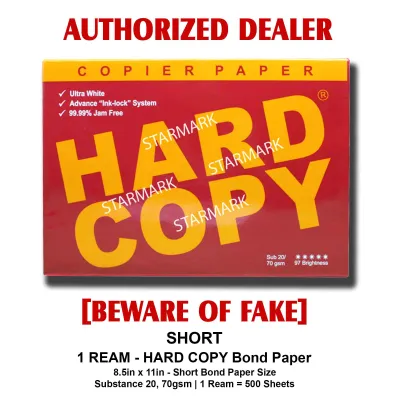
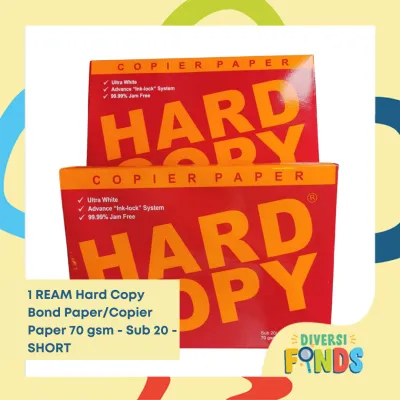
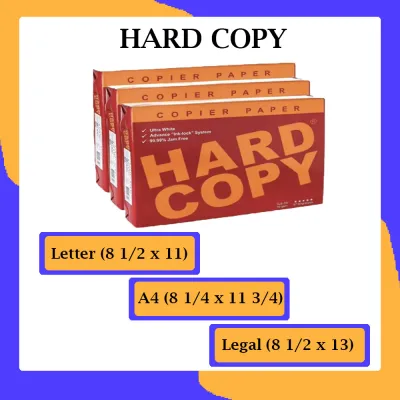
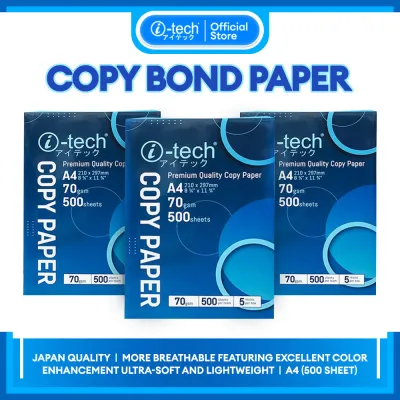
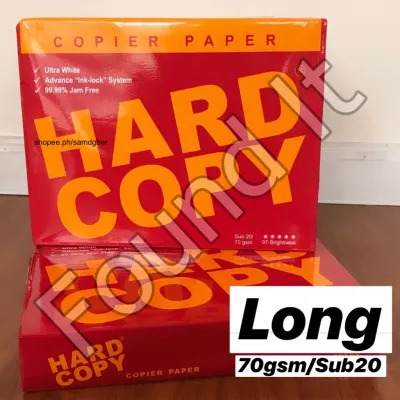
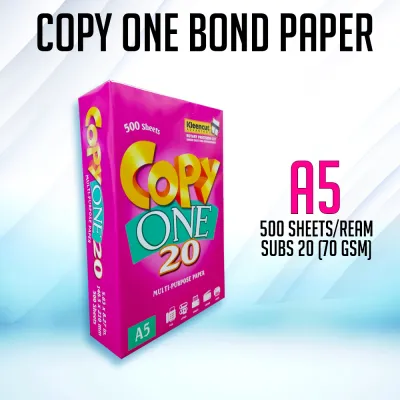
Prices are valid at publication and may change. Please refer to the product page for the latest price.
The GSM rating directly influences several key performance characteristics of the paper. First, it affects opacity, which is the paper’s ability to block light and prevent printed text or images from showing through to the opposite side. Second, it determines stiffness; heavier paper has more structural integrity, making it less prone to bending, folding, or curling. Finally, GSM affects the tactile feel, as thicker paper naturally feels more substantial and professional to the touch.
60gsm Short Bond Paper: Best Uses and Limitations
At 60gsm, short bond paper is one of the thinnest and lightest options available in the market. This weight is primarily engineered for high-volume, low-cost printing where budget efficiency is the absolute priority. It is highly suitable for printing temporary internal drafts, single-sided reading materials, basic student worksheets, and high-volume documents that will be discarded or recycled shortly after use.

However, the thin nature of 60gsm paper comes with several notable limitations. The most prominent drawback is its high translucency. If you attempt to print on both sides of a 60gsm sheet, the text from one side will clearly show through to the other, making the document difficult to read. Additionally, because the paper has low stiffness, it can feel flimsy and is more prone to tearing or wrinkling during handling.
When using 60gsm paper, proper printer settings and usage habits are critical. Many high-speed office copiers and older printer models struggle to feed such thin paper, which can lead to frequent paper jams as the rollers attempt to grab a single sheet. To minimize issues, always verify your printer manual to ensure the machine supports paper weights as low as 60gsm. Furthermore, avoid using high-coverage color graphics or heavy liquid inks, as water-based inks will easily saturate the thin fibers, causing the paper to warp, buckle, or bleed through completely.
70gsm Short Bond Paper: The Everyday Standard
Often regarded as the universal standard for daily operations, 70gsm short bond paper offers a highly practical balance between performance and cost. This is the most common paper weight found in school classrooms, university copy centers, and standard office environments. It is designed to handle everyday printing tasks with ease, making it the default choice for printing standard memos, homework assignments, black-and-white reports, and general office correspondence.
The primary advantage of 70gsm paper is its versatility. It is thick enough to feed smoothly through almost all modern laser and inkjet printers without causing frequent feed errors or jams. It also offers a reasonable level of opacity, allowing for light double-sided printing of standard text documents without excessive show-through. Because it is produced in massive quantities, it remains highly economical, making it affordable for daily high-volume use.
Despite its versatility, 70gsm paper has limitations when compared to heavier options. While it handles standard text well, it may still feel slightly too thin for formal external communications, legal contracts, or high-end business proposals where a premium presentation is required. Heavy color graphics or solid ink blocks can still cause minor warping or visible ghosting on the reverse side, and the paper may not hold up as well over decades of archival storage.
80gsm Short Bond Paper: Premium Quality and Durability
For tasks that demand a professional presentation and long-term durability, 80gsm short bond paper is the preferred choice. This weight is considered the premium standard for business and formal documents. It is highly recommended for printing official contracts, resumes, client-facing presentations, legal briefs, and high-quality color documents that require a polished, professional appearance.
The physical advantages of 80gsm paper are immediately noticeable. It features high opacity, which virtually eliminates show-through and makes it the ideal choice for double-sided printing, even when the document includes color charts, diagrams, or images. The increased thickness provides superior stiffness, ensuring the paper remains flat and crisp even after passing through the high-heat fusing units of laser printers. This stiffness also gives the paper a substantial, high-quality tactile feel that conveys professionalism to anyone holding the document.
While 80gsm paper offers excellent performance, there are a few precautions to keep in mind. It carries a higher relative cost per ream compared to 60gsm and 70gsm options, meaning it may not be budget-friendly for massive, low-priority print runs. Additionally, while almost all modern office and home printers handle 80gsm paper effortlessly, users should ensure their printer’s feed rollers are clean and properly adjusted to prevent the machine from accidentally pulling multiple sheets at once due to the increased friction.
Side-by-Side Comparison: 60gsm vs 70gsm vs 80gsm
To help you quickly determine which paper weight is right for your specific needs, the table below compares the key physical characteristics and ideal use cases of each GSM level.
| Feature | 60gsm Short Bond Paper | 70gsm Short Bond Paper | 80gsm Short Bond Paper |
|---|---|---|---|
| Thickness & Stiffness | Very thin, flexible, and lightweight | Moderate thickness, standard flexibility | Thick, stiff, and highly durable |
| Opacity & Double-Sided Use | Low opacity; not recommended for double-sided printing | Moderate opacity; suitable for light double-sided text | High opacity; excellent for double-sided text and graphics |
| Printer Compatibility | May cause jams in some high-speed or older printers | Excellent compatibility with almost all standard printers | Excellent compatibility; standard for premium office printing |
| Relative Cost | Lowest cost per ream | Moderate, highly economical | Highest cost among standard weights |
| Primary Use Case | High-volume internal drafts and temporary notes | Everyday office memos, schoolwork, and copying | Formal contracts, presentations, and double-sided reports |
Note: Exact prices vary depending on the brand, pack size, and retailer. To find the most accurate pricing, check current market rates in ₱ at your local stationery supply stores or preferred online marketplaces.
To simplify your decision, you can apply this straightforward decision framework:
- Choose 60gsm if your primary goal is minimizing paper costs, you only print single-sided text, and you are producing temporary internal drafts or basic worksheets that do not require high durability.
- Choose 70gsm if you need a reliable, cost-effective, all-purpose paper for daily office printing, school assignments, and standard copying where both budget and reliable printer feeding are important.
- Choose 80gsm if you are printing professional documents, legal contracts, resumes, or double-sided reports with color graphics, and you want to ensure a premium tactile feel and maximum durability.
How to Choose the Right GSM for Your Printer and Tasks
Selecting the right paper weight involves more than just comparing costs; it requires aligning the paper with your specific printing equipment and environmental conditions. The first and most important step is to consult your printer’s user manual. Look for the “Supported Media Weights” or “Paper Specifications” section. Operating a printer with paper that falls outside its recommended GSM range can lead to frequent misfeeds, paper jams, or even premature wear on the pickup rollers and separation pads.
You should also match the paper weight to the type of ink and content you plan to print. Laser printers use dry toner powder that is fused to the paper using heat and pressure. This process works exceptionally well on 70gsm and 80gsm paper, keeping the sheets flat and crisp. Inkjet printers, on the other hand, spray liquid ink onto the page. Thinner papers like 60gsm can easily absorb too much moisture from liquid ink, leading to paper warping, wrinkling, and severe ink bleeding. If you frequently use inkjet printers with color graphics, 80gsm paper provides the necessary density to absorb the ink without compromising the paper’s structural integrity.
Finally, environmental factors play a significant role in paper performance, especially in tropical climates characterized by high humidity. Paper is naturally hygroscopic, meaning it absorbs moisture from the surrounding air. In humid environments, thin paper like 60gsm can quickly become limp and damp, which dramatically increases the likelihood of paper jams and multi-sheet feeding. If you store your paper in a non-air-conditioned space or live in a highly humid region, opting for 80gsm paper can save you significant frustration, as its higher density and stiffness make it far more resistant to humidity-induced curling and feeding issues.
Frequently Asked Questions (FAQ)
Is short bond paper the same as A4 size?
No, short bond paper and A4 paper are not the same size. In the local market, short bond paper typically refers to Letter size, which measures 8.5 by 11 inches (215.9 by 279.4 mm). In contrast, A4 paper is an international standard size that measures 8.27 by 11.69 inches (210 by 297 mm), making it slightly narrower and longer than short bond paper. Before printing, always verify that your document’s page setup in your software matches the physical paper size in your printer tray to avoid cut-off margins, misaligned text, or formatting errors.
Can I use 80gsm paper in a standard home printer?
Yes, almost all modern standard home printers, including budget-friendly inkjet and laser models, are fully compatible with 80gsm paper. In fact, 80gsm is often the standard weight recommended by manufacturers for optimal print quality and reliable feeding. However, if you are using an exceptionally old or entry-level printer with worn rubber feed rollers, the added stiffness of 80gsm paper can occasionally cause minor feeding difficulties. Keeping your printer’s rollers clean and storing your paper in a dry place will ensure smooth feeding.
Community discussion
Share your experience or ask a question. Comments are reviewed before publication.