
Choosing the right paper size for your loose-leaf notebook system depends entirely on your binder’s physical dimensions and your daily routine. For standard off-the-shelf 3-hole binders and loose-leaf systems, short bond paper is the most reliable and practical choice. It fits perfectly within standard binder covers without protruding, aligns seamlessly with pre-calibrated desktop hole punches, and remains highly portable. Long bond paper, on the other hand, requires specialized, oversized binders and custom hole-punching adjustments, making it a more demanding option that is best reserved for specific layout needs.
Most standard desktop 3-hole punches are pre-calibrated for Letter-sized paper, which shares the same dimensions as short bond paper. When you insert a sheet of short bond paper into these punches, the paper guide ensures that the holes are centered perfectly along the 11-inch edge. If you attempt to punch long bond paper using the same standard settings, the extra length will throw off the alignment, leaving you with uneven margins at the top and bottom or holes that do not line up with your binder rings.
Using long bond paper in a standard binder also introduces the frustrating issue of overhang. Because standard binders are designed to house short bond paper or A4 sheets, the extra length of long bond paper will protrude from the top, bottom, or sides of the binder covers. This exposed paper is highly vulnerable to damage. In humid tropical environments, these protruding edges absorb moisture from the air rapidly, causing the paper to curl, warp, and tear during transit in your bag.
Products mentioned in this guide
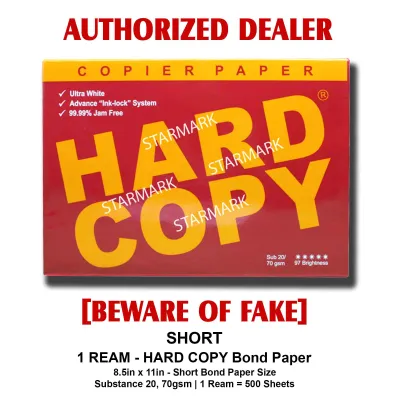
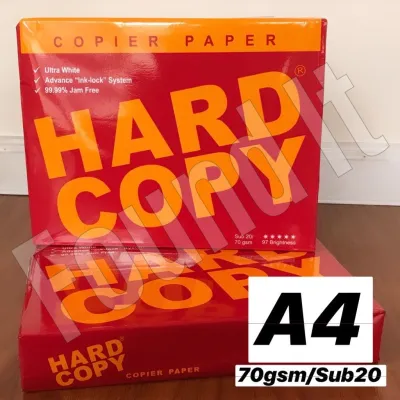
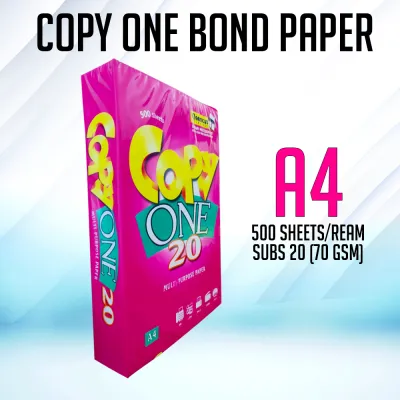
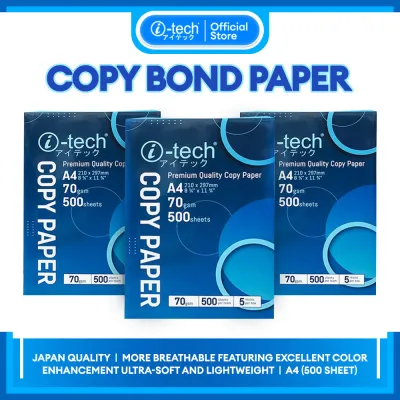
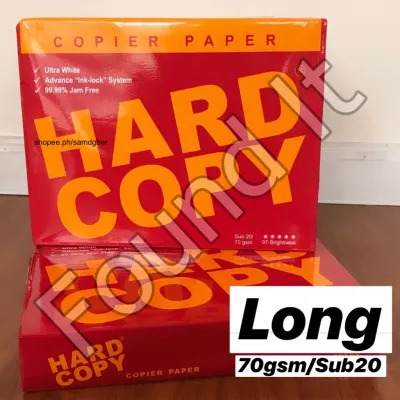
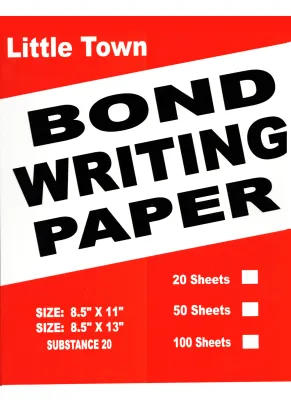
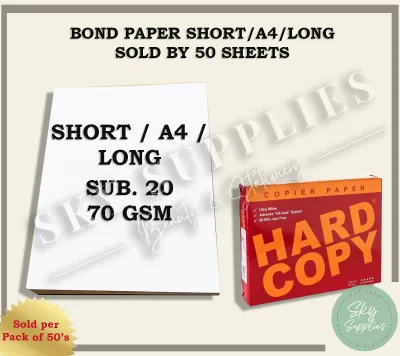
Prices are valid at publication and may change. Please refer to the product page for the latest price.
Before purchasing a ream of paper or a new binder, it is essential to measure your existing setup to ensure compatibility. You can avoid costly purchasing mistakes by performing a quick physical check of your supplies. Use a standard ruler to verify the following dimensions:
- Cover Width and Height: Measure the front and back covers of your binder when closed. The covers must be at least 9.5 inches wide and 14 inches tall to fully shield long bond paper from wear and tear.
- Spine Width: Ensure the binder spine is sturdy enough to support the extra weight of longer sheets without sagging.
- Hole Spacing: Measure the distance between the rings of your binder. Standard 3-ring binders have a spacing of 4.25 inches (108 mm) between the centers of adjacent rings, totaling 8.5 inches from the top ring to the bottom ring. Verify if your hole punch can be adjusted to accommodate the longer margin of long paper while maintaining this exact spacing.
Understanding the Physical Dimensions
To make an informed decision, you must first understand the exact physical dimensions of these two common paper formats. In the local market, “short bond paper” refers to the standard Letter size, which measures exactly 8.5 inches by 11 inches (215.9 mm by 279.4 mm). This size is widely used for academic essays, standard office printing, and everyday personal notes. It is highly standardized, meaning that any accessory labeled for “Letter” or “Short” size will almost certainly fit your paper perfectly.
In contrast, “long bond paper” in the Philippines typically measures 8.5 inches by 13 inches (215.9 mm by 330.2 mm). This is often referred to internationally as Folio or Government Legal size. It is crucial to distinguish this from US Legal paper, which measures 8.5 inches by 14 inches (215.9 mm by 355.6 mm). Many imported binders and organizers are designed specifically for US Legal paper, leaving a loose fit if you use local 13-inch long bond paper, while others are too small even for the local long standard.
Because terminology can vary between manufacturers and imported brands, you should never rely solely on the terms “short” or “long” when buying paper or binders. Always check the exact millimeter or inch measurements printed on the paper ream packaging or the binder’s product label. Verifying these numbers ensures that your loose-leaf sheets will align correctly with the binder rings and stay fully protected within the covers.
Evaluating Portability and Everyday Carry
Your daily commute and workspace layout play a significant role in determining which paper size is more practical. Short bond paper is highly compatible with standard school backpacks, tote bags, and laptop sleeves. Because its dimensions match standard folders and document organizers, you can easily slip a short bond paper binder into your bag alongside a laptop without worrying about bent corners or cramped space.

Long bond paper presents a much greater challenge for everyday carry. At 13 inches in length, binders designed for long paper are bulky and often stick out of standard backpacks or messenger bags. This exposure makes your binder vulnerable to rain, dirt, and physical damage during commutes on public transit. Additionally, finding a protective sleeve or document holder that accommodates a long binder can be difficult, often requiring specialized art portfolios or oversized messenger bags.
The physical footprint on your desk is another important factor to consider. In crowded classrooms, shared library tables, or compact home workspaces, desk space is at a premium. A binder filled with short bond paper opens up to a manageable size, leaving plenty of room for your laptop, pens, and other study essentials. A long bond paper binder requires a significantly larger workspace, which can feel restrictive and cluttered during long study sessions or meetings.
Matching Paper Size to Your Note-Taking Style
Your preferred method of organizing information should guide your choice of paper size. Long bond paper offers a vast vertical canvas that is highly beneficial for specific academic and professional tasks. If your work involves complex mind maps, detailed flowcharts, or extensive anatomical diagrams, the extra two inches of vertical space allow you to connect ideas without running out of room or forcing a page break. It is also highly useful for accounting ledgers, long mathematical equations, and multi-level outlines that require deep indentation.
For standard note-taking, short bond paper is generally more than sufficient. It matches the natural visual field of most readers, allowing you to scan a page from top to bottom quickly without straining your eyes. If your note-taking style relies on bullet journaling, daily logs, standard paragraph writing, or simple two-column study notes, the compact layout of short bond paper keeps your notes concise and easy to review.
Furthermore, writing on short bond paper often leads to better information retention because it forces you to summarize and structure your thoughts within a standard frame. Instead of sprawling endlessly down a long page, you are encouraged to categorize your notes into logical, page-sized modules. This modular approach makes indexing and reviewing your loose-leaf binder much more efficient when preparing for exams or presentations.
How to Decide: A Quick Selection Framework
To finalize your purchasing decision, evaluate your needs against this straightforward selection framework. Your choice should balance binder availability, portability, and the specific demands of your writing style.
Choose Short Bond Paper if:
- You want immediate compatibility with standard 3-ring binders, standard 3-hole punches, and common office accessories.
- You commute daily and need your binder to fit comfortably inside a standard backpack, tote bag, or laptop compartment.
- Your note-taking consists primarily of standard text, daily journaling, or structured study notes.
- You work on small desks or shared tables where saving physical workspace is a priority.
Choose Long Bond Paper if:
- You have already secured a specialized, oversized binder that is explicitly rated to fit 13-inch paper.
- Your academic or professional work requires large visual layouts, such as mind maps, architectural sketches, or extensive data tables.
- You do not mind carrying a larger bag or using a dedicated portfolio case to transport your binder safely.
- You require maximum vertical space per page to keep long, continuous processes or equations on a single sheet.
Verify First if:
- You are using a custom, multi-ring, or international loose-leaf system (such as A4 or B5 Japanese-style binders). These systems use different hole spacings and paper dimensions that will not align with standard local short or long bond paper without specialized punches. Always check the ring count and spacing before buying any paper.
Frequently Asked Questions (FAQ)
Can I use a standard hole punch on long bond paper?
Yes, but it requires careful manual alignment and adjustment. Standard desktop 3-hole punches are designed with paper guides calibrated for 11-inch short bond paper. To punch 13-inch long bond paper, you must slide the paper guide outward or fold the paper slightly to find the exact center before punching. Always check the manufacturer’s label on your hole punch to see if it has adjustable punching heads or a sliding guide that can accommodate longer sheets. Without these adjustments, your holes will be off-center, causing the paper to sit unevenly in your binder.
Is it possible to mix short and long paper in the same binder?
While physically possible, mixing short and long paper in the same binder is generally not recommended. The longer sheets will protrude past the edges of the short sheets, making the binder look disorganized and leaving the exposed edges of the long paper highly susceptible to bending, tearing, and moisture damage. If you must mix both sizes in a single binder, use a binder designed for long paper to ensure all sheets are fully covered. Additionally, place sturdy plastic divider tabs between the different sections to keep the pages organized and prevent the shorter sheets from getting lost between the longer ones.

Community discussion
Share your experience or ask a question. Comments are reviewed before publication.