
Choosing the right bookmark is more than a matter of keeping your place; it is about preserving your books and matching your reading environment. A silicone bookmark offers exceptional durability, flexibility, and a non-slip grip that keeps your page secured even when your book is tossed into a bag. In contrast, a traditional paper bookmark provides an ultra-thin, lightweight profile that places zero strain on a book’s spine, though it remains highly vulnerable to wear, tearing, and moisture.
To decide which material suits your daily reading habits, you must weigh how each material interacts with different paper types, binding styles, and reading environments. While silicone excels in rugged, high-humidity settings, paper remains the classic choice for delicate, archival volumes. Understanding these material differences ensures your books remain in pristine condition for years to come.
Durability and Page Grip: Silicone vs. Paper Bookmarks
Silicone is a synthetic elastomer known for its remarkable physical resilience. A silicone bookmark can withstand extreme bending, twisting, and pulling without losing its original shape or tearing. Unlike paper, it is completely waterproof, meaning it will not warp, wrinkle, or disintegrate if exposed to spilled drinks, sweaty hands, or sudden rain. This makes silicone highly reliable for readers who carry their books everywhere.
Products mentioned in this guide
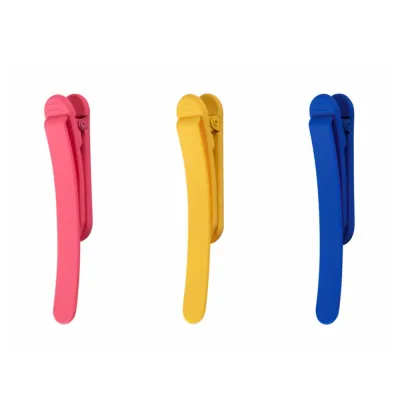
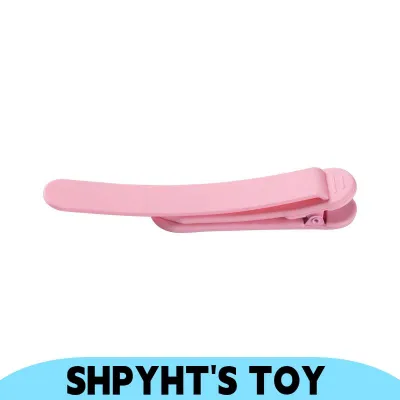
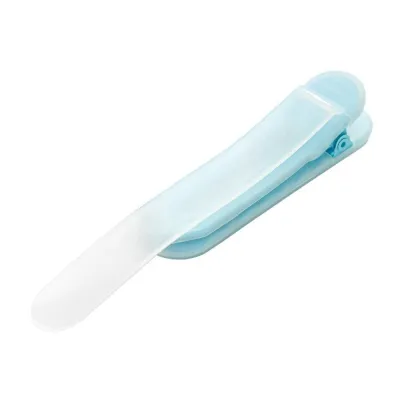
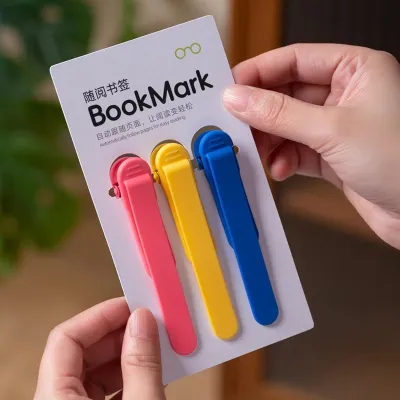
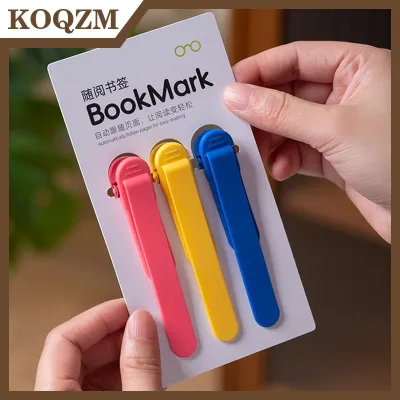
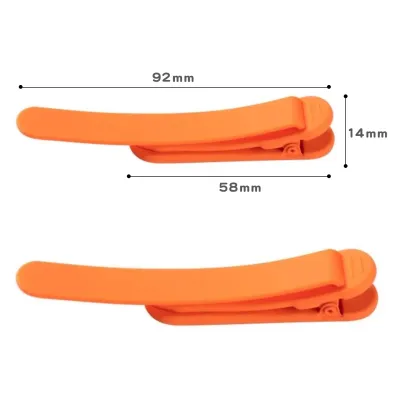
164 Lazada user ratings
The design is really exquisite, and the attention to detail is spot on.
👌Ease of Use:ayos ang pagkaka gawa 🎨Design:cute design
Design:cute 🛠️Durability:nice 👌Ease of Use:okay
It looks really beautiful after receiving it.
Design:beautiful 👌Ease of Use:Simple
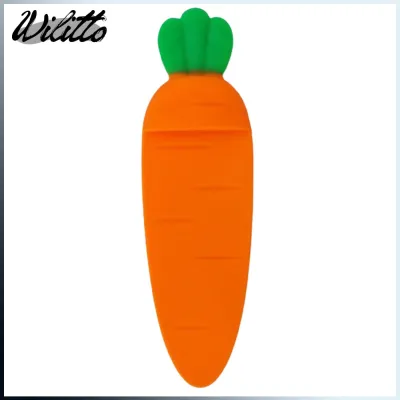
1 Lazada user ratings
I am very satisfied with my online purchase. The item arrived in good condition and was properly packed to prevent damage during delivery. T…Read full reviewShow less
I am very satisfied with my online purchase. The item arrived in good condition and was properly packed to prevent damage during delivery. The product looks exactly like the pictures and matches the description provided by the seller. The quality is good for the price, and the transaction was smooth and hassle-free. Delivery was also convenient. Overall, I am happy with my purchase and would recommend this seller to others. I will definitely consider buying again.
Prices are valid at publication and may change. Please refer to the product page for the latest price.
Paper bookmarks, even those made from heavy cardstock, naturally degrade over time. The edges fray, the corners dog-ear, and exposure to humidity causes the fibers to soften and bend. If a paper bookmark gets wet, it is usually ruined, often bleeding ink onto the surrounding pages of your book.
When it comes to page grip, silicone has a natural, high-friction surface texture. When a book is closed, the silicone material clings gently to the paper fibers, preventing the bookmark from sliding out if the book is dropped, turned upside down, or jostled inside a backpack. Paper, being smooth and lightweight, lacks this friction. A slight drop or a quick slide into a bag can easily dislodge a paper bookmark, causing you to lose your page.
However, this grip and durability come with a trade-off in thickness. Silicone bookmarks are inherently thicker than paper, usually ranging from 1 millimeter to over 2 millimeters. This added thickness can create a visible gap between the pages when the book is closed. Over time, this gap can place uneven leverage on the book’s spine, potentially weakening the binding of tightly bound paperbacks. Paper bookmarks, being fractions of a millimeter thick, allow the book to close completely flat, preserving the structural integrity of the binding.
Book Safety: Preventing Page Damage and Residue
Protecting the physical pages of your library is a primary concern for any avid reader. Paper bookmarks are generally safe, but they are not entirely without risk. Low-quality, highly acidic paper bookmarks can transfer acid to book pages over long periods of storage, leading to localized yellowing, brittleness, and degradation. Additionally, if a paper bookmark has sharp, stiff edges, rough handling can cause micro-tears along the delicate inner margins of thin book pages.

Silicone bookmarks present a different set of safety considerations. High-quality silicone is chemically inert, but cheaper alternatives may contain residual manufacturing oils or low-grade plasticizers. Over time, especially under the pressure of a closed book or in warm environments, these oils can leach out, leaving greasy, translucent stains on your pages.
Furthermore, silicone’s grippy texture can occasionally pose a risk to books with highly coated, glossy, or clay-heavy pages, such as art books, textbooks, or modern hardcovers. Under pressure, the silicone can stick to the glossy coating. If you pull the bookmark out quickly, it can peel away a portion of the ink or the paper’s protective coating.
To prevent damage, you can perform a simple, observable check before using any new bookmark. Place the bookmark between two sheets of scrap paper or a non-valuable book of similar paper quality. Place a heavy object, like a textbook, on top of the closed book and leave it in a warm room for 48 hours. Afterward, inspect the pages for any signs of oil transfer, sticking, or deep physical indentations. If the paper remains clean and unmarked, the bookmark is safe for regular use.
Decision Framework: Choose Silicone or Paper Based on Your Reading Habits
Your choice between silicone and paper should align with where you read, what you read, and how you handle your books.
You should choose a silicone bookmark if you are an active, on-the-go reader. If you frequently read during your daily commute, outdoors, or in highly humid environments like the Philippines, silicone’s moisture resistance is invaluable. It will not degrade from humidity or sweat, and its superior grip ensures your page remains marked even when your book is repeatedly stuffed into a crowded bag. It is also an excellent choice for heavy-duty textbooks or cookbooks that are frequently handled in active environments.
You should choose a paper bookmark if you primarily read at home, collect rare or antique editions, or prefer to keep your books in immaculate, showroom condition. The ultra-thin profile of paper prevents spine strain, making it the only suitable option for fragile bindings. Additionally, if you appreciate aesthetic variety, paper bookmarks offer limitless printed designs, illustrations, and textures that silicone cannot easily replicate.
Neither material may be suitable if you are dealing with extremely tight-bound, fragile, or antique books. In these cases, even the thinnest paper bookmark can cause slight page lifting, and any added thickness from silicone will inevitably strain the delicate sewing or glue of the spine. For these precious volumes, a loose, laid-in strip of acid-free archival tissue is often the safest way to mark your place.
Always verify the paper type of your book before inserting a silicone bookmark. If the pages are highly coated, glossy, or exceptionally thin (such as bible paper or vintage newsprint), stick to a lightweight, acid-free paper bookmark to avoid any risk of sticking or tearing.
What to Check Before Buying a Silicone Bookmark
If you decide that a silicone bookmark fits your reading lifestyle, you should evaluate several key features before making a purchase on an online marketplace.
First, check the material specifications. Ensure the product is explicitly labeled as food-grade or high-purity silicone. This guarantees the material is non-toxic, odor-free, and free from volatile organic compounds or cheap plasticizers that could leach onto your book pages or irritate your skin during prolonged handling.
Second, inspect the thickness and edge finishing. Look for a silicone bookmark with a tapered design, where the edges are thinner than the center, or one that is engineered to be as thin as possible (ideally under 1.2 millimeters). The edges should be completely smooth and free of rough molding lines or “flashing,” which can snag and tear delicate paper fibers when you slide the bookmark between pages.
Finally, consider the specific design features that match your reading style. Some silicone bookmarks feature page-clipping mechanisms or integrated magnetic closures that clamp onto a small section of the page. While these offer maximum security against slipping, ensure the clamping force is gentle enough not to leave permanent indentations on soft paper. Textured surfaces can provide extra grip, but a smooth, matte finish is generally safer for a wider variety of paper types.
Frequently Asked Questions (FAQ)
Can you clean a silicone bookmark if it gets sticky?
Yes, silicone is incredibly easy to clean. If your bookmark accumulates dust, lint, or natural hand oils that make it feel sticky or dirty, simply wash it with a few drops of mild dish soap and warm water. Gently rub the surface with your fingers to remove any debris, then rinse it thoroughly. It is crucial to let the bookmark air dry completely on a clean towel before placing it back inside a book, as any trapped moisture can warp or mildew your book pages.
Do paper bookmarks damage rare or antique books?
Standard paper bookmarks can indeed damage rare or antique books if they are made from acidic wood pulp. Over time, the acid in the bookmark will migrate into the book’s pages, causing permanent yellowing, brown staining (known as foxing), and brittleness. If you are reading valuable, vintage, or collectible books, always use bookmarks explicitly labeled as acid-free, lignin-free, or archival-safe to prevent chemical degradation.
Community discussion
Share your experience or ask a question. Comments are reviewed before publication.