
Quick Answer: Which Pencil Grip Material is Best for Your Child?
Selecting the right pencil grip holder for kids is a crucial step in supporting early writing development, reducing hand fatigue, and building fine motor skills. Because every child has unique hand strength, finger joint flexibility, and sensory preferences, there is no single “best” material that works for everyone. The ideal choice depends on how your child interacts with their writing tools, their physical comfort requirements, and even the local environment in which they study.
For a quick decision, you can match your child’s specific writing habits to the primary strengths of each material:
- Foam grips are the softest and most compressible option, making them ideal for children who exhibit sensory sensitivities or those who press down too hard on the paper (heavy pressers) and require deep cushioning to prevent finger calluses.
- Silicone grips offer a highly flexible, semi-firm texture that balances comfort with structural support. They are exceptionally easy to clean, highly durable, and provide excellent slip resistance, making them the superior choice for children with sweaty hands.
- Rubber grips provide the firmest support and the highest surface friction. This traditional, eraser-like material is best suited for children who need rigid physical boundaries to keep their fingers from sliding, or those who frequently drop their pencils and require a highly resilient tool.
The Baseline: Core Traits of Silicone, Foam, and Rubber
To make an informed choice, it is essential to understand the fundamental physical properties of these three common materials. Each material behaves differently under pressure, reacts uniquely to environmental factors like humidity, and offers a distinct tactile experience for young learners.
Products mentioned in this guide
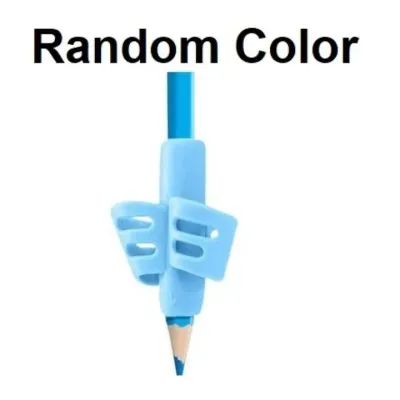
![[🇵🇭 Stock&COD] 4Pcs/Set Pencil Handle Grips Soft Silica Pencil Holder Writing Training Correction Tool For Kids](https://img.lazcdn.com/g/p/c0b6ebbd8293f5e982b7c5a021fc6d9e.jpg_400x400q80.jpg_.webp)
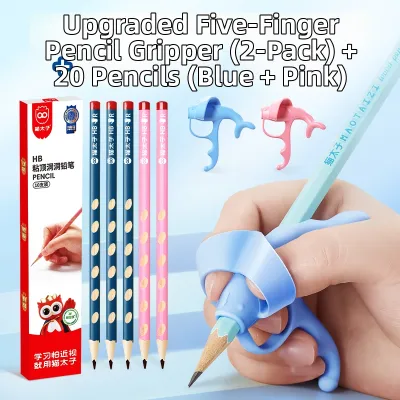
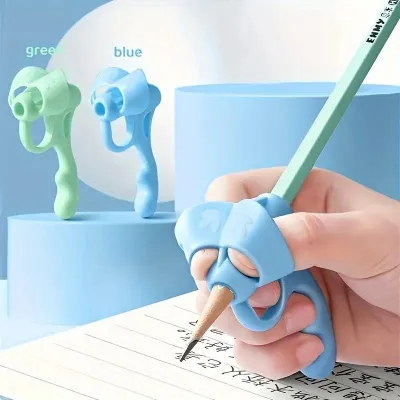
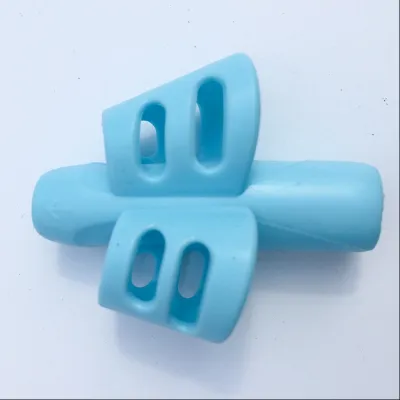
Prices are valid at publication and may change. Please refer to the product page for the latest price.

Silicone: The Modern, Flexible Standard
Silicone is a synthetic polymer known for its smooth, non-porous surface and remarkable elasticity. Unlike natural rubber, medical-grade or food-grade silicone is inherently hypoallergenic and free from common plasticizers. It is highly flexible, allowing it to stretch easily over various pencil diameters, yet it possesses excellent shape memory, meaning it will return to its original form even after months of tight stretching. Its non-porous nature prevents it from absorbing dirt, oils, or moisture, which keeps the material hygienic over long-term use.
Foam: The Ultra-Lightweight Cushion
Foam pencil grips are typically manufactured from polyurethane or ethylene-vinyl acetate (EVA) foam. This material features a highly porous, open-cell or closed-cell structure filled with microscopic air pockets. These air pockets make foam incredibly lightweight and highly compressible under minimal force. When a child squeezes a foam grip, the material yields easily, distributing the pressure across a wider surface area. However, because it is porous, foam acts like a sponge, readily absorbing oils from the skin, moisture, and graphite dust.
Rubber: The Firm, High-Friction Classic
Rubber grips are made from either natural latex harvested from rubber trees or synthetic elastomers such as thermoplastic rubber (TPR). Rubber is dense, firm, and characterized by a high coefficient of friction, which creates a natural “sticky” traction against dry skin. It offers very little compressibility compared to foam or silicone, providing a solid, unyielding surface. This density makes rubber highly durable and resistant to tearing, though natural rubber formulations can degrade over time when exposed to UV light and skin oils, occasionally developing a tacky or brittle texture.
How Each Material Affects Writing Comfort and Control
When a child sits down to write, the physical interaction between their fingers and the pencil grip directly influences their penmanship, hand endurance, and overall attitude toward schoolwork. Evaluating how silicone, foam, and rubber perform across specific physical dimensions reveals how each material alters the writing experience.
Cushioning and Sensory Feedback
Cushioning refers to a material’s ability to absorb the downward and inward forces exerted by a child’s fingers. For children who struggle with hypermobility or low muscle tone, writing can quickly lead to joint strain. Foam provides the maximum level of cushioning, acting as a soft barrier that prevents the fingers from pressing directly against the hard wooden or plastic barrel of the pencil. This high level of compression is highly therapeutic for “white-knuckle” writers who grip their pencils with excessive force, as it gently dampens the pressure and encourages a lighter touch.
In contrast, silicone offers moderate, springy feedback. It yields slightly under pressure but maintains its structural shape, providing a stable platform for children who have already developed moderate grip control. Rubber offers the least cushioning, providing a firm, rigid surface. While this might sound uncomfortable, firm feedback is highly beneficial for children who require strong proprioceptive input—the sensory information that tells the brain how hard the hand is working. The rigid support of a rubber grip transfers the vibrations of the pencil tip on paper directly to the fingers, helping the child better gauge and regulate their hand movements.
Grip Security and Sweat Resistance
In warm, tropical climates like the Philippines, where classroom temperatures and humidity levels can run high, sweaty hands are a common barrier to comfortable writing. When moisture accumulates on a pencil, standard wooden or plastic barrels become slick, causing a child’s fingers to slide downward toward the tip. This sliding forces the child to squeeze even harder to maintain control, accelerating hand fatigue.
Silicone and rubber perform exceptionally well under these humid conditions. Silicone naturally repels water, allowing sweat to bead up on the surface where it can be easily wiped away. Many silicone grips feature specialized surface textures, such as molded ridges, raised dots, or ergonomic finger pockets, which maintain excellent slip resistance even when wet. Rubber also maintains high friction when damp, though some synthetic rubbers can feel slightly greasy if not cleaned regularly.
Foam presents a distinct trade-off in humid environments. Because of its porous structure, foam absorbs sweat directly from the child’s fingers. While this absorption keeps the outer surface dry and slip-free for the first few minutes of writing, the foam eventually becomes saturated. Once saturated, foam grips can lose their structural integrity, feel soggy or heavy, and begin to slide up and down the pencil shaft, disrupting the child’s writing rhythm.
Durability, Hygiene, and Maintenance
School supplies must endure rigorous daily use, frequent drops, and the general wear and tear of a child’s backpack. Silicone stands out as the most durable and hygienic material. Because it is non-porous and highly resistant to environmental degradation, a silicone grip can last for years without cracking, tearing, or losing its elasticity. From a hygiene perspective, silicone is unmatched; parents can easily wash it with warm water and dish soap, wipe it down with sanitizing alcohol, or even boil it to eliminate bacteria and viruses.
Rubber is also highly durable and resistant to tearing, making it an excellent choice for children who tend to bite or pick at their school supplies. However, rubber is highly prone to attracting environmental dust, pencil shavings, and lint. Over time, these particles cling to the high-friction surface of the rubber, making it look dirty and reducing its natural grip. Cleaning rubber requires regular washing, but natural rubber must be dried away from direct sunlight to prevent the material from cracking or becoming sticky.
Foam is the least durable of the three materials. It is highly susceptible to physical damage; children frequently pick at the edges, and fingernails can easily puncture or tear the soft foam structure. Furthermore, because foam absorbs sweat, skin oils, and dirt, it quickly becomes a breeding ground for bacteria, especially in warm, humid conditions. It cannot be easily sanitized or washed without waterlogging the material and delaying its reuse. Consequently, foam grips must be treated as consumable items that require frequent replacement throughout the school year.
Material Comparison at a Glance
The following table summarizes how silicone, foam, and rubber perform across the primary decision-making categories. Use this quick reference to compare their strengths and limitations side-by-side.
| Material | Softness & Cushioning | Slip Resistance (Sweaty Hands) | Durability | Ease of Cleaning | Best Suited For |
|---|---|---|---|---|---|
| Silicone | Moderate | High (Repels moisture) | High | Excellent (Washable & sanitizable) | Daily school use, humid classrooms, and children needing a balance of comfort and control |
| Foam | High | Moderate (Absorbs moisture) | Low | Poor (Absorbs dirt and oils) | Heavy pressers, sensory sensitivities, and children building initial hand strength |
| Rubber | Low to Moderate | High (High dry friction) | Moderate to High | Moderate (Attracts dust and lint) | Children who drop pencils, those needing firm feedback, and high-wear environments |
Note: While these characteristics represent the baseline properties of each raw material, exact performance can vary. Always check the specific product packaging or manufacturer labels for details on material blends, added textures, and care instructions.
Decision Guide: Choosing the Right Pencil Grip Holder for Kids
To select the perfect pencil grip holder for kids, parents should look beyond general material descriptions and focus on their child’s specific physical needs, sensory habits, and writing environment.
Choose Silicone If:
- Your child's hands sweat easily: If you live in a hot or humid region, silicone's moisture-repelling properties and textured surfaces will keep fingers securely in place without the grip becoming waterlogged.
- Hygiene is a top priority: If the grip will be shared among siblings, used in a busy classroom, or frequently dropped on the floor, silicone's ability to be washed with soap or sanitized with alcohol ensures a germ-free writing tool.
- You want a long-term investment: Silicone grips do not stretch out permanently or tear easily, meaning a single set can easily last through multiple grade levels.
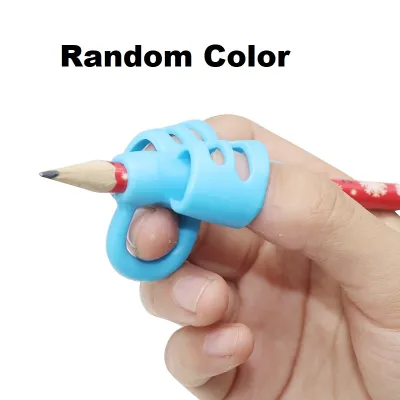
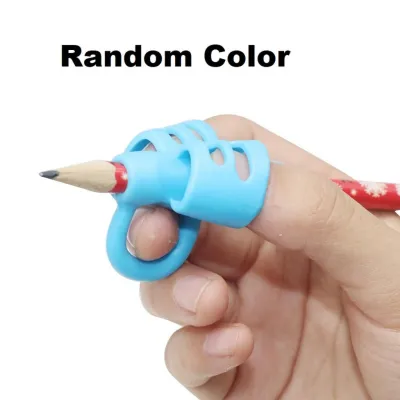
- The child needs a balance of comfort and guidance: Silicone can be molded into complex, highly supportive ergonomic shapes (like three-finger glove designs) that maintain their structure under hand pressure.
Choose Foam If:
- The child complains of hand pain or finger fatigue: If your child develops red marks, indentations, or calluses on their middle finger from pressing too hard, foam's superior compressibility will cushion those pressure points.
- There are sensory sensitivities to firm textures: Children who are highly sensitive to hard, rigid, or sticky surfaces often find the soft, dry, pillowy texture of foam comforting and less distracting.
- The child is just learning to hold a pencil: For toddlers and preschoolers who are transitioning from a palmar grasp to a tripod grasp, lightweight foam grips provide a gentle, non-intimidating entry point that makes holding a pencil feel less physically demanding.
Choose Rubber If:
- The child needs strong tactile and proprioceptive feedback: If your child struggles to control their pencil stroke because they cannot feel the paper well, the firm, unyielding support of rubber will transmit those tactile vibrations clearly.
- Pencils are frequently dropped or thrown: If school supplies take a heavy beating, rubber grips will survive rough handling, backpack stuffing, and accidental drops on hard classroom floors without tearing.
- The child tends to pick at or chew on school supplies: The dense, tough structure of synthetic rubber is highly resistant to fingernail picking and minor biting, making it safer and longer-lasting than foam under these habits.
Verify First If:
Before finalizing your purchase of a pencil grip holder for kids, take a moment to verify several critical health and safety parameters:
- Check for Latex Allergies: Many traditional rubber grips contain natural rubber latex, which can trigger allergic reactions in sensitive children. If your child has a known or suspected latex allergy, opt for synthetic rubber (TPR), foam, or medical-grade silicone, and verify the packaging explicitly states "latex-free."
- Consult Occupational Therapy Recommendations: If your child is currently working with an occupational therapist (OT) to correct a severe grasp deficit, consult them before buying. An OT may recommend a very specific ergonomic shape (such as a claw or wing grip) that is only manufactured in a specific material.
- Ensure Shape Compatibility: Ergonomic shapes designed to force a mature tripod grasp are most commonly manufactured in silicone due to the material's molding versatility. If your child requires physical finger pockets, foam may not be an available option.
Practical Tips for a Smooth Transition to a Pencil Grip
Introducing a pencil grip holder for kids is only the first step; helping your child successfully adapt to using it daily requires patience, proper setup, and consistent monitoring.
Sizing and Fit
Before purchasing, verify that the grip’s inner diameter is compatible with the writing utensils your child actually uses. Standard wooden #2 pencils typically have a diameter of 7mm to 8mm, which most standard silicone, foam, and rubber grips are designed to fit. However, if your child uses jumbo kindergarten pencils (which can measure 9mm to 10mm in diameter) or slim mechanical pencils, a standard grip may not fit correctly.
- Silicone grips offer the most stretch and can often be forced onto slightly larger barrels, though this makes them difficult to slide off.
- Foam grips have very little tensile strength; attempting to force a standard foam grip onto a jumbo pencil will almost certainly cause the material to split and tear.
- Rubber grips are highly rigid and will not stretch significantly, meaning a mismatched size will either slide off a slim pencil or fail to slide onto a thick one.
Installation Tip: If a silicone or rubber grip is too tight to slide onto a standard pencil, do not force it dry. Apply a single drop of water or a tiny dab of water-based hand sanitizer to the inside of the grip. This acts as a temporary lubricant, allowing the grip to slide on easily, and will quickly evaporate, leaving the grip firmly locked in place.
Finger Placement
While material choice dictates comfort, the physical design of the grip dictates hand posture. When installing the grip, ensure it is positioned at the correct height—typically about 2 to 2.5 centimeters from the pencil’s sharpened tip. If the grip is placed too low, it will obscure the child’s view of the paper, forcing them to tilt their head or hook their wrist to see what they are writing. If placed too high, the child will lose control over the pencil tip.
Look for grips that feature clear visual or physical cues. Many modern silicone grips feature molded thumb and index finger indentations, or even small physical loops that hold the fingers in a perfect tripod position. Explain these features to your child as “cozy pockets” for their fingers, turning correct placement into an intuitive, comfortable habit rather than a rigid rule.
Transition Period
Do not expect your child to write comfortably with a new grip for hours on end right away. Changing a grasp pattern alters how the muscles in the hand and forearm fire, which can initially cause mild muscle fatigue as underused muscles begin to work.
Start by introducing the grip during low-stakes, highly engaging activities, such as coloring, drawing, or playing pencil-and-paper games. Limit initial use to 10 to 15 minutes per session, gradually increasing the duration over two to three weeks as the child’s hand strength and muscle memory adapt. Monitor your child during this period; if they show signs of frustration, allow them to take the grip off and try again later.
When to Seek Professional Help
While a pencil grip holder for kids is an excellent supportive tool, it is not a cure-all for deep-seated motor developmental challenges. Monitor your child’s hand and wrist posture during writing tasks. If you observe any of the following warning signs, a simple grip change may not be sufficient:
- The child's knuckles turn white from extreme squeezing, even when using a soft foam grip.
- The child experiences persistent hand pain, wrist cramping, or forearm fatigue after writing only a few sentences.
- The child consistently hooks their wrist (hyper-flexion) or holds their breath while writing.
- The child displays an outright refusal to write due to physical discomfort or extreme frustration.
In these scenarios, it is highly recommended to consult an occupational therapist or your pediatrician. These professionals can conduct a comprehensive evaluation of your child’s fine motor skills, shoulder stability, and hand strength to address the root causes of their writing difficulties.
Frequently Asked Questions (FAQ)
Can pencil grips fix an incorrect pencil grasp on their own?
Pencil grips are highly effective supportive tools designed to guide fingers into a more ergonomic position and reduce physical strain. However, they do not automatically correct deeply ingrained, inefficient motor habits on their own. Lasting improvement requires consistent practice, conscious finger placement, and active parental or teacher guidance. If a child has developed a highly functional alternative grasp that does not cause pain or fatigue, forcing a correction with a grip may not even be necessary unless recommended by an occupational therapist.
Are silicone pencil grips safe for children with allergies?
Yes, high-quality silicone pencil grips are generally considered the safest option for children with sensitive skin or common material allergies. Pure silicone is naturally hypoallergenic, non-toxic, and completely free of latex, BPA, phthalates, and PVC. This makes it an ideal alternative to natural rubber grips, which can trigger severe reactions in children with latex allergies. To guarantee safety, always inspect the manufacturer’s packaging to verify that the product is made from 100% food-grade or medical-grade silicone and carries certified non-toxic ratings.
Community discussion
Share your experience or ask a question. Comments are reviewed before publication.