
Choosing the right bookmark for thick textbooks and novels comes down to balancing grip security with page preservation. Traditional paper slips easily fall out of heavy volumes, but modern silicone and magnetic bookmarks offer distinct mechanical solutions. Silicone bookmarks rely on surface friction and elastic stretch to hold onto pages or wrap around entire book blocks, making them highly adaptable for varying thicknesses. Conversely, magnetic bookmarks use a folding design with embedded magnets to clamp a small group of pages together, providing a secure, stationary marker. Neither option is universally superior; the ideal choice depends on the paper weight, surface finish, and how you handle your books during daily transit or study sessions.
Core Differences in Grip and Page Protection
To understand how these accessories perform in thick volumes, it is essential to examine their underlying mechanics. Silicone bookmarks typically come in two designs: thin, high-friction strips that sit between pages, or elastic bands that stretch around the entire cover and page block. Silicone is inherently flexible and possesses a high coefficient of friction. When placed against paper, it resists sliding by gripping the microscopic texture of the page. This friction-based grip does not require clamping pressure, meaning it does not squeeze the paper fibers. However, its effectiveness depends heavily on the texture of the paper and the physical contact between the bookmark and the page surface.
In contrast, magnetic bookmarks operate on the principle of magnetic clamping. These accessories consist of a folded strip of paper, plastic, or faux leather with two opposing magnets glued inside. When folded over the edge of a page, the magnets attract each other, pinching the paper between them. This clamping force creates a physical barrier that prevents the bookmark from sliding off, even if the book is shaken or stored upside down in a bag. The grip of a magnetic bookmark is determined by the strength of the internal magnets and the thickness of the paper stack it clamps.
Products mentioned in this guide
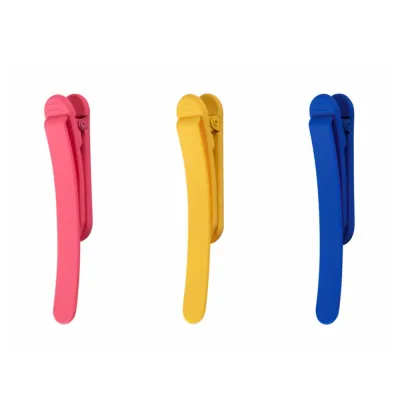

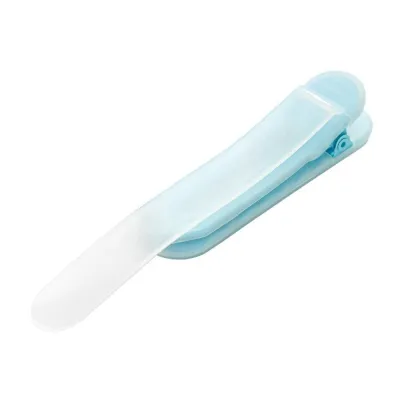
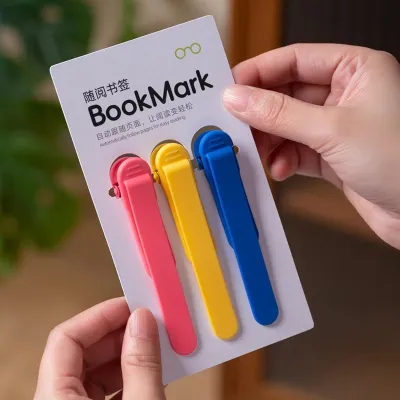
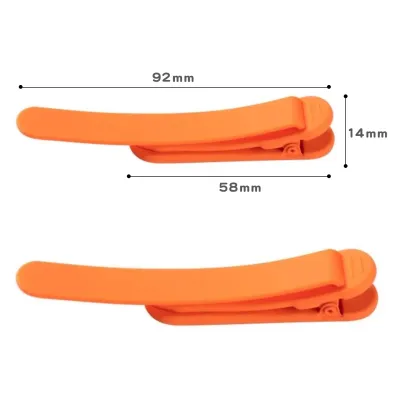
164 Lazada user ratings
The design is really exquisite, and the attention to detail is spot on.
👌Ease of Use:ayos ang pagkaka gawa 🎨Design:cute design
Design:cute 🛠️Durability:nice 👌Ease of Use:okay
It looks really beautiful after receiving it.
Design:beautiful 👌Ease of Use:Simple
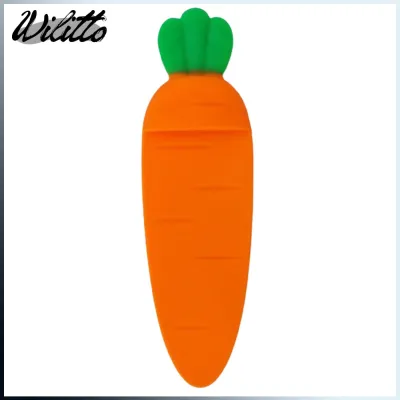
1 Lazada user ratings
I am very satisfied with my online purchase. The item arrived in good condition and was properly packed to prevent damage during delivery. T…Read full reviewShow less
I am very satisfied with my online purchase. The item arrived in good condition and was properly packed to prevent damage during delivery. The product looks exactly like the pictures and matches the description provided by the seller. The quality is good for the price, and the transaction was smooth and hassle-free. Delivery was also convenient. Overall, I am happy with my purchase and would recommend this seller to others. I will definitely consider buying again.
Prices are valid at publication and may change. Please refer to the product page for the latest price.
Several observable factors influence how these materials interact with your books. Glossy, highly coated paper—often found in medical, engineering, or art textbooks—has a very smooth surface that reduces the friction of silicone but can also cause magnetic bookmarks to slide if the clamp is too loose. Uncoated, textured paper—typical of standard novels and paperbacks—provides excellent grip for silicone but may be more susceptible to indentation or tearing from the concentrated pressure of a strong magnetic clamp.
Evaluating Secure Hold on Thick Textbooks
Thick textbooks present unique challenges because of their sheer weight, dense page counts, and varied paper finishes. When evaluating which bookmark will stay secure, you must first inspect the paper weight and surface finish of your specific textbook. Heavy, glossy pages require a different grip strategy than thin, matte pages. For glossy sheets, a standard silicone strip might slide if the book is tilted, as the smooth coating limits friction. However, a silicone band bookmark that wraps around the entire book block utilizes elastic tension to keep the pages bound together, preventing any slippage regardless of the paper’s slickness.

If you prefer magnetic bookmarks for a thick textbook, you must verify the clamping strength against the bulk of the pages you intend to secure. Standard magnetic bookmarks are designed to clamp only two to four pages at a time. If you attempt to clamp a thick chapter or a larger stack of pages, the distance between the magnets increases, rapidly weakening the magnetic attraction. To test this, open your textbook and fold the magnetic bookmark over a small section of pages. Gently shake the book; if the bookmark slides down or falls off, the page stack is too thick for the magnet’s strength. You will need to clamp fewer pages or look for a bookmark with stronger, thicker magnets.
For silicone band bookmarks, observing the stretch limits is crucial when marking deep into a heavy volume. When you wrap an elastic silicone band around a 1,000-page textbook, the band stretches significantly. This stretch creates tension that pulls the book covers inward. If the silicone is too tight or lacks sufficient elasticity, it can bend the soft covers of a paperback textbook or put excessive pressure on the page edges, causing them to curl. Before leaving a stretched silicone band on a book for an extended period, observe how much the band deforms the book’s shape and adjust the positioning to minimize tension.
Assessing Page Damage and Creasing Risks
Preserving the condition of your books is just as important as keeping your place. Both silicone and magnetic bookmarks carry specific risks of wear and tear that you should evaluate before regular use. Magnetic bookmarks pose a primary risk of creating pinch points and edge creases. Because they rely on concentrated clamping force, they press tightly against the paper. On thin novel pages or older, delicate paper, this pressure can leave permanent indentations or flatten the paper fibers. If you slide a magnetic bookmark off the page instead of gently pulling the magnets apart, you also risk fraying or tearing the delicate top edge of the sheet.
Silicone bookmarks present a different set of risks, primarily related to dragging and catching. When you insert or remove a high-friction silicone strip, the material naturally wants to grip the paper. If the paper is rough, thin, or already slightly damaged, the friction can cause the page to bunch up, bend, or tear along the edges. This is especially common when trying to slide a silicone marker into a tightly bound book near the gutter. The dragging action can pull at the page fibers, leading to micro-tears over time if not handled with care.
To prevent unexpected damage to an expensive textbook or a cherished novel, always perform a safe, reversible spot test before using a new bookmark regularly. Choose a non-critical page at the very back of the book. Apply the bookmark as you normally would—either clamping it over the page edge or wrapping it around the page block—and leave it in place for twenty-four hours. After removing it, inspect the page under good lighting. Check for any deep indentations, color transfer, paper deformation, or weakened fibers. If the page remains flat and undamaged, the bookmark is safe to use throughout the volume.
Decision Framework: Which Bookmark Fits Your Reading Habit?
To finalize your choice, consider how your reading habits, book types, and handling styles align with the strengths and limitations of each bookmark material.
You should choose a silicone bookmark if you primarily read heavy, glossy textbooks or large reference manuals. The flexible nature of silicone allows it to adapt to varying page counts without losing its utility. If you use a band-style silicone bookmark, it serves a double purpose: it marks your page while keeping the entire book securely closed in your bag, preventing other items from sliding between the pages and causing damage. Silicone is also ideal if you prefer a lightweight, non-bulky profile that does not add thickness to the middle of your book, allowing the volume to close naturally.
Conversely, you should choose a magnetic bookmark if your reading list consists mostly of standard novels, paperbacks, and books with uncoated, matte paper. The magnetic clamp provides a highly secure, rigid hold that will not slip out, even if the book is tossed into a backpack, dropped, or read while lying down. Because novels generally have thinner, lighter pages, a small magnetic bookmark can easily clamp a few sheets together near the outer margin, keeping your place visible without adding bulk or interfering with your grip on the book.
However, you must exercise caution and verify material compatibility first if you are dealing with antique, fragile, or highly coated pages. Older books with brittle paper can easily crumble under the clamping pressure of a magnet or tear under the friction of silicone. In these cases, check the manufacturer’s specifications for material safety, or opt for a traditional, acid-free paper bookmark instead. Always prioritize the preservation of delicate materials over the convenience of modern accessories.
Practical Tips for Maintaining Bookmarks and Book Accessories
Proper maintenance ensures that your bookmarks continue to perform effectively while keeping your books clean and undamaged. Silicone bookmarks are highly prone to attracting dust, lint, and natural skin oils from your hands. Over time, this buildup creates a slippery layer that significantly reduces the material’s natural friction, causing the bookmark to slide out of your books. To restore its grip, wash the silicone gently with mild soap and lukewarm water. Avoid using harsh chemical solvents or abrasive sponges, which can degrade the silicone surface. After washing, allow the bookmark to air dry completely on a clean towel. It is vital to ensure there is no residual moisture on the silicone before placing it back inside a book, as trapped moisture can cause paper warping and mold growth.
Magnetic bookmarks require regular inspection to prevent damage to your pages. Over time, the protective paper or plastic coating over the magnets can wear down, expose the raw magnet, or peel at the edges. Exposed magnets can attract fine metallic dust or develop rust if exposed to humidity, which can easily transfer permanent stains to your book pages. Periodically check the inner surfaces of your magnetic bookmarks for any signs of peeling, cracking, or weakening adhesive. If you notice the magnetic seal is failing or the edges are becoming sharp, replace the bookmark to protect your books.
Finally, store your accessories properly when they are not in use. Avoid folding or crimping silicone bookmarks, as this can create permanent creases or weaken the material’s structural integrity. Keep magnetic bookmarks closed and stored away from high-heat sources or strong electronic devices to prevent demagnetization. By maintaining these simple habits, you can extend the lifespan of your book accessories and keep your reading materials in pristine condition.
Frequently Asked Questions (FAQ)
Can magnetic bookmarks damage the spine of a thick textbook?
No, magnetic bookmarks do not directly damage the spine of a thick textbook because they are designed to clamp onto the pages themselves, rather than the spine or the binding glue. However, if you clamp too large a section of pages near the inner gutter of the book, the added thickness of the bookmark can force the binding to open at an unnatural angle. This extra leverage can put stress on the binding adhesive over time. To prevent this, always place your magnetic bookmark on the outer edges of the pages, away from the spine, and clamp only a few pages at a time.
Do silicone bookmarks leave residue on coated pages?
High-quality, food-grade silicone bookmarks generally do not leave any residue on coated or glossy pages. However, low-quality silicone accessories may contain plasticizers, oils, or chemical additives that can leach out over time, especially when subjected to heat or pressure inside a tightly closed book. To avoid chemical transfer, check the manufacturer’s material specifications to ensure the product is made from 100% pure silicone. Performing a quick spot test on a non-critical page of your textbook is also an excellent way to verify safety before long-term use.
How to restore grip on slippery silicone bookmarks?
If your silicone bookmark has lost its grip and slides out of your books, it is likely covered in dust, lint, or oils from your skin. You can easily restore its natural friction by washing it with a small drop of mild dish soap and warm water. Gently rub the surface with your fingers to remove any buildup, rinse it thoroughly, and let it air dry completely. Do not use a hair dryer or expose it to direct sunlight, as extreme heat can damage the material. Once fully dry, the silicone’s high-friction surface will be restored.
Community discussion
Share your experience or ask a question. Comments are reviewed before publication.