
Selecting the right elegant fabric for your embroidery project determines not only the beauty of the finished piece but also the ease of your stitching process. The ideal choice depends on your design’s complexity, your familiarity with delicate materials, and how the finished item will be used and maintained. Linen, silk, and satin each offer distinct textures and visual effects, but they require very different handling techniques to achieve professional results.
In tropical environments like the Philippines, high humidity and ambient warmth can also influence how these fabrics behave during and after stitching. Moisture can affect fabric tension in the hoop, while natural fibers may react differently to hand oils compared to synthetic alternatives. Understanding these material characteristics ensures your handiwork remains pristine and durable over time.
Fabric Characteristics and Embroidery Suitability
Linen is widely regarded as one of the most reliable and stable fabrics for hand embroidery. Its plain, open weave features distinct, visible threads that make stitch placement straightforward and highly accurate. Because linen fibers are naturally strong and inelastic, the fabric resists stretching out of shape when pulled taut in an embroidery hoop. This structural integrity makes it an excellent canvas for heavy fillings, surface embroidery, and counted-thread techniques.
Products mentioned in this guide
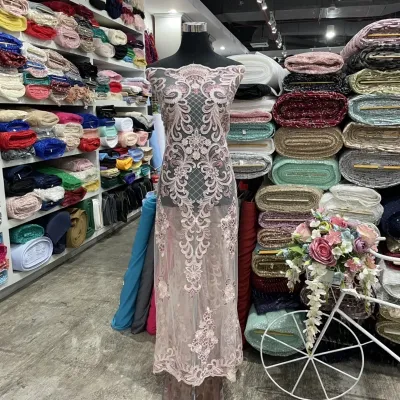
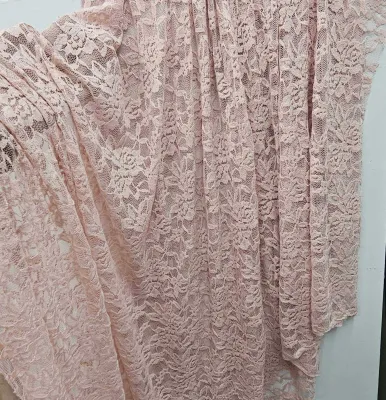
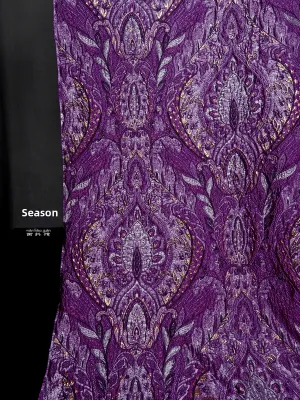
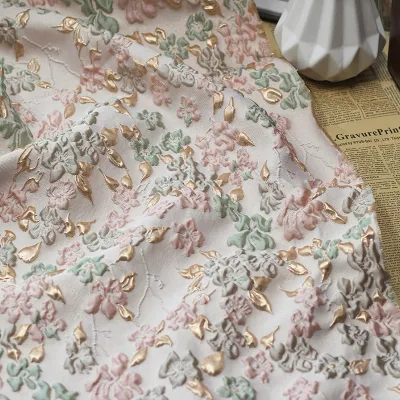
Prices are valid at publication and may change. Please refer to the product page for the latest price.
Silk represents the pinnacle of luxury in textile arts, offering a fine, dense weave and a soft, natural luster. The delicate nature of silk fibers means the fabric is highly sensitive to friction, requiring the use of exceptionally sharp needles and smooth, high-quality threads. Unlike linen, silk has very little tolerance for mistakes; pulling out misplaced stitches can leave permanent holes or weaken the surrounding weave. It demands a patient hand and a clean workspace to prevent snagging the fine threads.
Satin is defined by its specific weave structure, which features long surface floats of yarn that create a highly reflective, glossy surface. This smooth finish gives satin its signature elegance, but it also introduces a high slip factor that makes the fabric challenging to control. The long floats are incredibly susceptible to snagging on rough skin, hangnails, or slightly burred needles. Additionally, the dense, slippery weave of satin can cause embroidery needles to deflect, making precise stitch placement more difficult than on a balanced plain weave.
Skill Level and Handling Requirements
Working with these elegant fabrics requires adjusting your preparation and stitching techniques to match each material’s unique physical properties. Hooping and stabilizing are critical steps, particularly when dealing with slippery satin or delicate silk. While linen can usually be hooped directly with standard tension, silk and satin often slip within the hoop, leading to uneven tension and distorted designs. Wrapping the inner ring of your embroidery hoop with cotton twill tape can provide the necessary friction to hold these slippery fabrics securely without damaging them.

Tension management is another skill that must be calibrated based on your fabric choice. Because satin and silk have smooth, dense surfaces, pulling your embroidery stitches too tight will immediately cause the fabric to pucker around the design. Conversely, linen’s textured surface is much more forgiving of slight variations in stitch tension, though care must still be taken not to distort its natural grid-like weave. Using a lightweight stabilizer behind silk or satin can help distribute the tension of your stitches and prevent the fabric from gathering.
Needle and thread selection must be tailored to the fabric’s density to avoid leaving unsightly marks. For linen, a standard crewel needle is generally sufficient, as the sharp point easily slides between the woven threads. For silk and satin, you must use the thinnest, sharpest needle possible, such as a size 9 or 10 embroidery needle, to pierce the fabric cleanly without pushing the threads aside or creating permanent punctures. Inspecting your needles for any microscopic burrs before starting is essential, as even a tiny rough spot can ruin a satin surface instantly.
Project Types and Final Appearance
The visual aesthetic and functional demands of your project should guide your final fabric selection. Linen is highly suited for classic, rustic, or traditional designs, making it a favorite for home decor items like table runners, placemats, and decorative cushions. Its durability and ability to withstand frequent washing make it practical for items that will be handled regularly. In local contexts, linen is also a popular choice for lightweight, breathable garments that suit warm weather.
Silk is the preferred medium for high-end apparel, heirloom pieces, and intricate, fine-detail threadwork. The natural sheen of silk provides a sophisticated backdrop for delicate shading, miniature embroidery, and goldwork. Because silk projects are highly delicate, they are best reserved for items that will experience minimal wear, such as framed wall art, ceremonial garments, or keepsake boxes. These pieces generally require specialized dry cleaning or very gentle, localized spot cleaning to preserve the fiber structure.
Satin is ideal for projects where dramatic light reflection and a high-gloss finish are the primary design goals. It is commonly used for evening wear, bridal accessories, and decorative holiday accents. The way light plays across the smooth surface of satin can make simple satin stitches or metallic threadwork appear incredibly vibrant. However, because satin is prone to snagging and showing wear, finished pieces should be handled with care and kept away from abrasive surfaces.
Long-term care varies significantly among these materials, and checking the manufacturer’s care label before beginning your project is crucial. Linen can often be hand-washed or gently machine-washed, though it requires careful ironing while damp to remove deep creases. Silk and satin, especially when embroidered with delicate threads, are highly sensitive to water spots and heat. Storing these finished pieces in acid-free tissue paper away from direct sunlight and high humidity helps prevent fiber degradation and color fading.
Side-by-Side Comparison Matrix
To help you quickly narrow down your fabric options, the table below compares the general handling characteristics, visual finishes, and care requirements of linen, silk, and satin.
| Fabric Type | Stitch Stability | Handling Difficulty | Visual Finish | Ideal Project Types | Care Level |
|---|---|---|---|---|---|
| Linen | High | Low to Medium | Matte, textured | Home decor, daily wear, samplers | Moderate (washable, needs ironing) |
| Silk | Medium | High | Soft, natural luster | Heirloom items, fine art, couture | High (dry clean or spot clean) |
| Satin | Low | High | High gloss, reflective | Evening wear, bridal, accents | High (delicate wash or dry clean) |
Decision Framework: Which Fabric Should You Choose?
To make your final decision, evaluate your project’s practical needs alongside your current stitching experience. Choose linen if you are building your foundational embroidery skills, require a highly stable fabric that does not slip, or want a classic, textured look that can handle regular washing. Linen’s forgiving nature makes it the most reliable starting point for complex surface stitches and heavier thread weights.
Opt for silk if your project demands fine, intricate details, and you have the advanced handling skills needed to manage delicate fibers. Silk is the perfect choice when you want to create a luxurious, heirloom-quality piece that will be framed or worn on special occasions. Ensure you have ultra-sharp needles and a clean, dry workspace to protect the fabric from oils and snags.
Select satin if a high-gloss, reflective surface is essential to your design and you have the necessary stabilizing tools to manage slip and snag risks. Satin is best suited for decorative accents and formal wear where the play of light enhances the embroidery. Always verify the fabric’s care label first to ensure the finished item’s washing and maintenance requirements align with how the piece will be used.
Frequently Asked Questions (FAQ)
Should I pre-wash silk, satin, or linen before embroidering?
Pre-washing is generally recommended for natural fibers like linen to prevent post-stitch shrinkage, which can cause your embroidery to pucker when washed later. For delicate fabrics like silk and satin, pre-washing can sometimes alter the fabric’s original hand, sheen, or stiffness, making it harder to hoop. Always check the manufacturer’s care label before exposing these fabrics to water or heat, and consider testing a small scrap first to see how the material reacts.
What type of stabilizer works best for slippery fabrics like satin and silk?
Lightweight, tear-away or wash-away stabilizers work best for delicate and slippery fabrics because they provide temporary support without adding permanent bulk. A tear-away stabilizer can be gently removed after stitching, while a wash-away stabilizer dissolves completely in water, provided the fabric’s care label permits washing. Always test the stabilizer on a scrap piece of your silk or satin first to ensure it does not leave adhesive residue or distort the delicate weave when removed.
Can I use standard embroidery floss on all three fabrics?
Standard cotton embroidery floss works beautifully on linen, as the matte texture of the cotton complements the natural, rustic look of the fabric. On silk and satin, however, standard cotton floss can sometimes look dull against the fabric’s natural sheen or high gloss. For these lustrous materials, using silk threads or fine metallic blends can create a more harmonious, elegant finish, though you may need to adjust your strand count to match the density of the fabric’s weave.

Community discussion
Share your experience or ask a question. Comments are reviewed before publication.