
Selecting the right whiteboard with a stand for a child’s art class requires balancing ergonomic comfort, creative freedom, and classroom safety. Rather than relying on a single fixed size, the ideal setup depends on the child’s height, arm reach, and the specific art mediums they will use. This guide helps you evaluate adjustable stands, surface compatibility, and structural stability to ensure a comfortable and secure drawing environment for different age groups.
Matching Board Size and Stand Height to Your Child's Posture
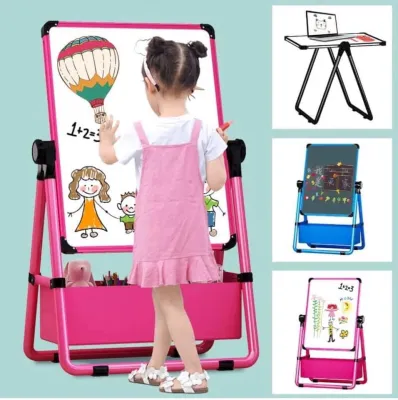
To determine the ideal whiteboard dimensions and stand height, start by observing the child’s natural posture and movement patterns. When a child stands or sits to draw, their comfortable line of sight and arm reach define the active creative zone. Forcing a child to reach too high strains the neck and shoulders, while a board that is too low causes them to hunch over, putting unnecessary pressure on the spine. You can measure this zone by having the child stand comfortably with their arms extended forward; the area between their chest and eye level represents the most comfortable drawing space.
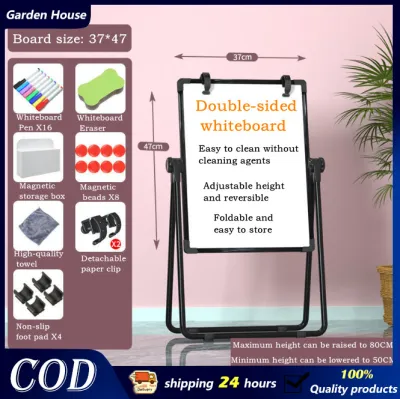
When evaluating a whiteboard set with a stand, verify the minimum and maximum height adjustments specified by the manufacturer. The center of the whiteboard should ideally align with the child’s chest level when they are standing. For toddlers and preschool-aged children, a stand that adjusts down to around 80 to 90 centimeters from the floor is often necessary. Older school-aged children, on the other hand, will require a stand that can extend up to 120 centimeters or more to accommodate their taller stature and longer arm reach.
Products mentioned in this guide
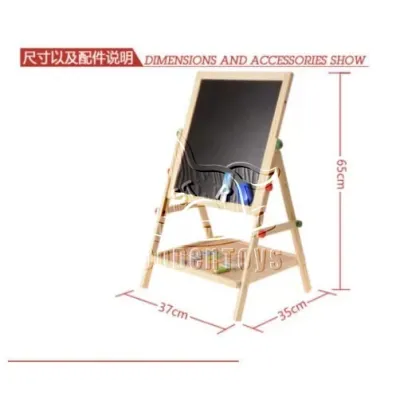
Prices are valid at publication and may change. Please refer to the product page for the latest price.
The width of the board is another critical factor that changes with developmental stages. Younger children, typically between the ages of three and six, rely heavily on gross-motor skills, using their entire arm to make broad, sweeping strokes. For this age group, a wider board—measuring at least 60 to 90 centimeters horizontally—provides the necessary canvas for these expansive movements. As children grow and develop fine-motor skills, their drawing style becomes more controlled and detailed. Older children often benefit from vertical space, allowing them to work on portrait-oriented compositions, detailed sketches, or multi-layered art projects.
Verifying Art-Specific Features and Media Compatibility
A standard writing surface is rarely sufficient for the diverse demands of a children’s art class. Before purchasing, inspect the board’s surface specifications to ensure it can handle various art mediums beyond standard dry-erase markers. Many kids’ art classes incorporate washable markers, water-based paints, and light watercolors. In tropical climates like the Philippines, high humidity can affect how quickly water-based paints dry on paper or how easily markers erase from the board. Choosing a high-quality, non-porous surface, such as magnetic steel or porcelain-coated surfaces, helps prevent moisture from trapping pigments, ensuring the board remains easy to clean even in humid conditions.

Paper-securing mechanisms are essential for expanding the board’s utility. While dry-erase drawing is fun, many art lessons require physical paper for sketching, painting, or charcoal work. Look for whiteboard sets that feature built-in top clamps, sturdy magnetic strips, or a smooth top frame that allows for easy taping. A reliable clamp at the top of the board prevents large sheets of drawing paper from sliding down or tearing mid-stroke, which can be incredibly frustrating for a young artist in the middle of a project.
The design of the bottom tray is another feature that directly impacts the cleanliness and organization of the art space. In an active art class, children need quick access to paint cups, water jars, brushes, and markers. A shallow, narrow tray can easily lead to spills, especially when children are reaching quickly for different colors. Look for a deep, wide utility tray with raised edges or built-in cup holders to prevent items from tipping over. A spill-prevention design not only keeps the workspace tidy but also protects the surrounding floor from accidental paint spills.
Stability and Safety Checks for Active Classrooms
In a bustling classroom or home art studio, physical safety is paramount. Freestanding whiteboards must be stable enough to withstand the physical pressure of a child leaning, pushing, or accidentally bumping against the frame. Compare the base structures of different stands to determine their tip-over resistance. An H-base frame or a wide four-legged stand generally offers superior stability compared to a lightweight tripod stand, which can easily tip if pressure is applied to the upper corners of the board. If the stand features wheels for mobility, ensure they are heavy-duty and equipped with reliable locking brakes to keep the unit firmly in place during use.
Examine the physical construction of the board and stand for potential hazards. Children’s hands are sensitive, and active drawing sessions can lead to accidental bumps against the edges of the frame. Verify that all corners of the whiteboard frame are rounded or capped with protective plastic or rubber guards. Metal joints, adjustment screws, and wooden edges should be smooth and free of sharp burrs or splinters. In humid environments, wooden frames should be properly sealed to prevent warping, while metal components should have rust-resistant coatings to ensure long-term safety and durability.
The height-adjustment locking mechanisms must be exceptionally secure to prevent sudden collapses. When a child applies downward pressure while drawing or erasing, a weak locking knob can slip, causing the board to slide down abruptly. Look for stands that utilize dual-locking systems, such as a combination of a screw-in knob and a safety pin that slots into pre-drilled holes in the frame. This physical barrier ensures that even if the knob is slightly loosened, the board cannot fall unexpectedly, protecting the child’s hands and feet from impact.
Evaluating Cross-Age Compatibility and Adjustability
Investing in a whiteboard set that grows with the child offers excellent long-term value. When evaluating different models, judge whether the telescopic range of the stand is wide enough to accommodate a child’s growth over several years. A highly adjustable stand can transition from a low height suitable for a four-year-old to a taller setting appropriate for a ten-year-old. This adaptability is particularly beneficial for households with multiple children of different ages or for art teachers who host mixed-age classes throughout the week.
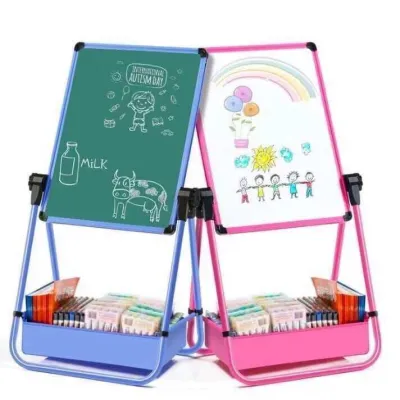
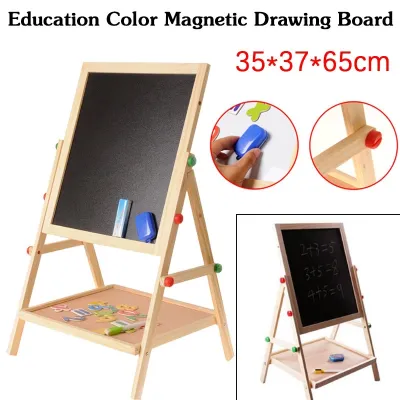
Double-sided or 360-degree rotating boards further enhance cross-age compatibility and collaborative learning. A double-sided board allows two children of different heights to work simultaneously on opposite sides, with each side adjusted or positioned to suit their respective comfort levels. Some models feature a magnetic whiteboard on one side and a traditional chalkboard or a roll-paper dispenser on the other, providing a variety of creative textures and mediums in a single compact footprint.
To maximize the lifespan of the whiteboard, review the manufacturer’s guidelines regarding surface maintenance and wear. Over time, frequent washing, heavy scrubbing, and exposure to different art supplies can degrade the dry-erase coating. Check if the manufacturer offers replacement boards that can be mounted onto the existing stand, or if they recommend specific protective films to extend the surface’s life. Understanding these maintenance requirements beforehand helps ensure the set remains a functional part of the child’s creative journey for years to come.
Frequently Asked Questions (FAQ)
Can a standard office whiteboard with a stand be used for kids' art classes?
While a standard office whiteboard can technically be written on, it is generally not suited for the rugged and varied demands of a children’s art class. Office boards are primarily designed for dry-erase markers and lack the specialized surface coatings required to resist staining from water-based paints, acrylics, or heavy-duty washable markers. Additionally, office stands rarely adjust low enough to accommodate the height of younger children, forcing them to stretch uncomfortably. They also lack essential art features like deep paint-cup trays, paper clamps, and robust tip-over protection, making them less practical and potentially less safe in an active classroom environment.
How do I safely remove dried paint or stubborn marker stains from the board?
Before attempting to clean stubborn stains or dried paint, always consult the manufacturer’s care instructions to avoid using substances that might strip the protective dry-erase coating. For a safe and gentle cleaning method, start by wiping the surface with a damp microfiber cloth and mild, soapy water. If the stain persists, you can try drawing over the stubborn mark with a fresh dry-erase marker, as the solvents in the new ink can help dissolve the old, dried pigment, allowing you to wipe both away easily. Avoid using abrasive scrubbing pads, harsh chemical solvents, or strong alcohol solutions unless explicitly approved by the manufacturer, and stop immediately if you notice any clouding, peeling, or dulling of the board’s surface.
Community discussion
Share your experience or ask a question. Comments are reviewed before publication.