
Sourcing Crayola products wholesale in the Philippines requires navigating a mix of official distribution networks, regional stationery dealers, and digital B2B marketplaces. Whether you are stocking a retail store, preparing DIY craft kits, or running an educational institution, securing authentic bulk supplies at competitive rates is essential for maintaining healthy margins and ensuring product safety. To achieve this, buyers must understand the local distribution landscape, verify supplier credentials, and calculate the true landed cost of bulk shipments.
Because art supplies like wax crayons and markers are highly sensitive to tropical conditions, sourcing locally through verified channels also helps mitigate the risks of heat damage and dried-out inventory. By establishing direct relationships with reputable wholesalers, you can secure consistent stock levels, access tiered pricing, and ensure that the products you distribute meet strict safety standards for children and students.
Identifying the Right Wholesale Channels for Art Supplies
Navigating the wholesale market for art supplies in the Philippines involves understanding the different tiers of suppliers. The most direct route is through official brand distributors and authorized regional dealers. These entities hold direct contracts with the manufacturer, ensuring the highest level of product authenticity and consistent supply chains. Buying from official distributors is ideal for large-scale retailers, major school districts, and high-volume craft businesses that require official receipts, tax compliance, and bulk guarantees.
Products mentioned in this guide
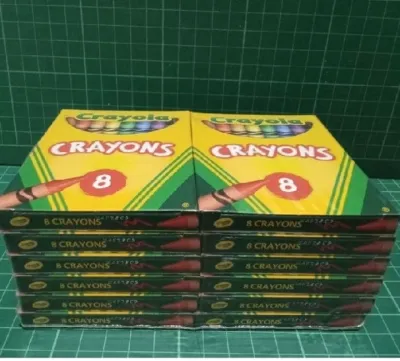
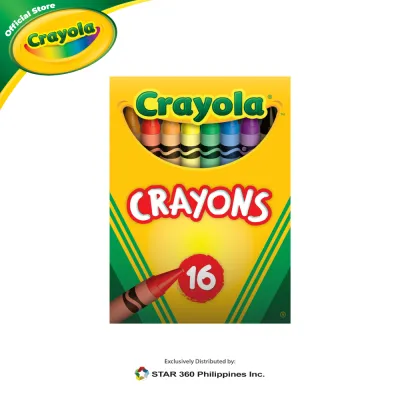
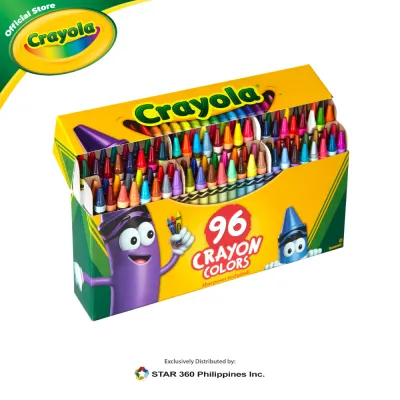
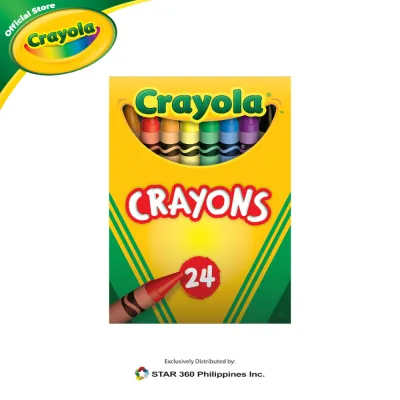
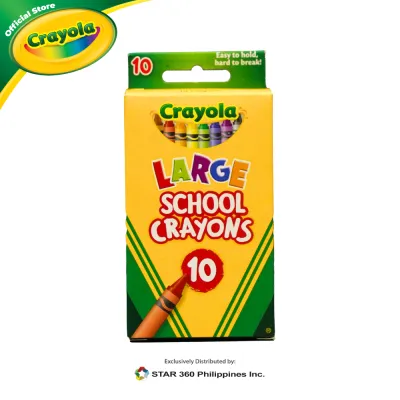
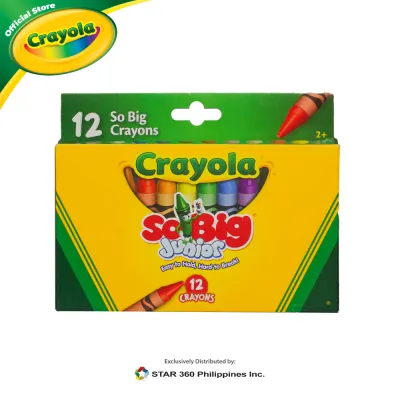
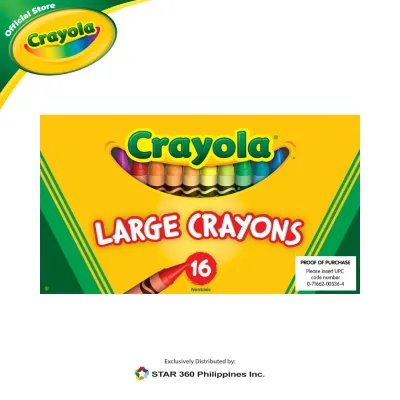
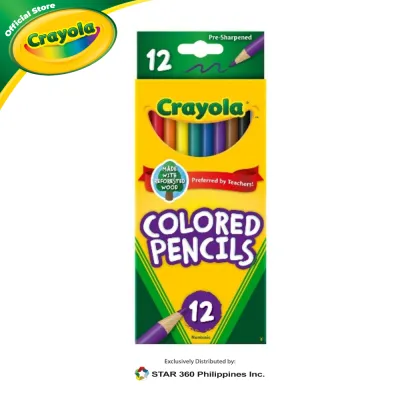
Prices are valid at publication and may change. Please refer to the product page for the latest price.
For small to medium enterprises, general stationery wholesalers offer a more accessible alternative. These wholesalers operate in major commercial hubs and trading districts, sourcing their inventory in massive quantities to resell at slightly marked-up wholesale rates. While their unit prices may be slightly higher than direct distributors, they often feature much lower minimum order requirements, making them suitable for boutique craft shops and independent art programs.
Digital procurement has also become a viable channel through B2B e-commerce platforms and online wholesale marketplaces. These platforms allow buyers to compare rates from multiple regional suppliers without the need for physical travel. When using online channels, it is crucial to focus on platforms that specialize in business-to-business transactions and offer buyer protection programs, rather than standard consumer-facing retail sites.
Specialized educational and school supply vendors represent another valuable channel. These suppliers cater specifically to institutional buyers, offering curated packages of classroom-grade art supplies. They understand the specific procurement cycles of schools and often provide tailored services, such as pre-sorted classroom kits or seasonal delivery schedules aligned with the academic calendar.
Choosing between local physical distributors and digital wholesale platforms involves weighing convenience against support. Physical distributors allow you to inspect the stock firsthand and build personal relationships that can lead to better credit terms. Digital platforms, on the other hand, offer unmatched convenience and speed, though they require stricter verification processes to ensure you are not dealing with unauthorized middlemen.
How to Verify Supplier Legitimacy and Product Authenticity
Counterfeit art supplies are a persistent issue in the wholesale market, posing significant financial risks to businesses and safety hazards to end-users. Because Crayola products are primarily used by children, verifying product authenticity is a critical responsibility for any bulk buyer. The first step in verification is requesting official documentation, such as certificates of authorization or official distributorship agreements from the supplier.

Legitimate wholesalers in the Philippines should also provide standard business registrations, including Department of Trade and Industry (DTI) or Securities and Exchange Commission (SEC) certificates, along with local mayor’s permits and Bureau of Internal Revenue (BIR) tax registrations. A supplier hesitant to provide these documents or issue official billing invoices should be treated with caution.
Physical inspection of the product packaging is another reliable way to verify authenticity. Genuine products feature high-quality, crisp printing with accurate brand logos, clear barcode labels, and complete manufacturer details. Look for standard safety certifications, such as the Approved Product (AP) non-toxic seal from the Art and Creative Materials Institute (ACMI), which indicates the materials have been evaluated by toxicologists.
When sourcing online, evaluate the supplier’s reputation by analyzing verified client reviews and transaction histories. Look for feedback specifically mentioning bulk orders, packaging quality, and delivery reliability. If possible, arrange a visit to the supplier’s physical warehouse to assess their storage conditions, as improper storage in hot, humid environments can degrade the quality of wax crayons and liquid markers.
Be highly vigilant against common red flags in the wholesale market. Unusually low prices that fall far below standard wholesale averages are a primary indicator of counterfeit goods or expired stock. Other warning signs include generic or plain packaging, missing batch codes, inconsistent color assortments within sealed boxes, and suppliers who insist on using non-traceable payment methods.
Key Metrics to Evaluate Before Placing a Bulk Order
Before committing to a wholesale purchase, you must analyze several operational and financial metrics to ensure the transaction is viable. The first metric to consider is the Minimum Order Quantity (MOQ). Wholesalers typically structure their pricing in tiers, where larger order volumes yield lower per-unit costs. You must balance these volume discounts against your actual storage capacity and cash flow constraints.
Calculating the total landed cost in ₱ is essential for protecting your profit margins. The landed cost includes not just the base wholesale price of the art supplies, but also local shipping fees, handling charges, cargo insurance, and any regional taxes. Because bulk stationery items like crayons and modeling clay are heavy, domestic freight charges can significantly impact your final unit cost, especially when shipping from major ports to provincial areas.
Review the supplier’s return and damage policies thoroughly before finalizing an agreement. Bulk shipments of wax-based art supplies are susceptible to melting or breaking during transit in tropical climates, while markers can dry out if exposed to prolonged heat. Ensure your contract clearly defines who bears the cost of transit damage and outlines the specific procedure and timeline for filing claims and receiving replacements.
Inventory consistency and restocking lead times are critical for businesses with recurring demand. Ask potential suppliers about their average restocking cycles and how they handle seasonal surges, such as the back-to-school rush. A supplier with erratic lead times can disrupt your production schedules for DIY craft kits or leave your retail shelves empty during peak shopping seasons.
Step-by-Step Sourcing Strategy for Schools and Craft Businesses
To establish a reliable supply chain, start by auditing your current inventory and forecasting your seasonal demand. Calculate the exact quantities of crayons, markers, colored pencils, and paper products you will need for your upcoming school terms, workshops, or product assembly lines. Forecasting helps you avoid overstocking items that may degrade in high humidity while ensuring you have enough inventory to meet peak demand.
Next, draft a detailed Request for Quotation (RFQ) to send to your shortlisted suppliers. Your RFQ should be highly specific, listing exact product names, SKUs, color assortments, packaging preferences, and required quantities. Providing clear specifications prevents misunderstandings and allows you to make accurate, apples-to-apples comparisons between different wholesale quotes.
Before placing a massive order, always request physical samples to conduct hands-on testing. For wax crayons, test their smoothness, break strength, and color laydown on the specific paper types you plan to use. For markers and colored pencils, evaluate pigment opacity, drying times, bleed resistance, and erasability. This step ensures the products perform acceptably under local environmental conditions and meet your quality standards.
Once you select a supplier, establish clear communication protocols and formalize your business terms. Document the agreed payment terms, delivery schedules, and quality expectations in a written contract. Starting with a smaller trial order can help you evaluate the supplier’s packaging quality, delivery speed, and overall reliability before transitioning to larger, long-term wholesale commitments.
Frequently Asked Questions (FAQ)
Can I import Crayola products directly from overseas manufacturers?
Direct importation from overseas manufacturers is generally challenging for small to medium businesses due to strict international distribution agreements and high volume requirements. Importing bulk art supplies into the Philippines also requires navigating Bureau of Customs regulations, securing import permits, and paying international freight, customs duties, and local taxes. For most local schools, retailers, and craft businesses, sourcing through established, authorized local distributors is more cost-effective and less logistically complex, as these distributors handle all importation compliance and local warehousing.
How do I negotiate better rates for recurring monthly orders?
To negotiate better wholesale rates, present suppliers with a clear, long-term purchasing plan rather than treating each transaction as a one-off purchase. You can leverage consistent monthly volume commitments to secure lower tiered pricing, even if individual shipments are smaller. Additionally, offering flexible delivery schedules or placing bulk orders during off-peak seasons can help wholesalers optimize their logistics, making them more willing to offer discounts. Consolidating your orders to buy full cartons or pallets also reduces handling costs, which you can use as leverage to negotiate better per-unit pricing.
Community discussion
Share your experience or ask a question. Comments are reviewed before publication.