
Sourcing wholesale garter elastic rolls by the yard in the Philippines requires a strategic approach that balances physical inspection in traditional textile hubs with the convenience of digital B2B platforms. For local garment manufacturers, home-based sewing businesses, and independent designers, finding the right supplier is critical to maintaining production schedules and product quality. Securing a reliable source involves evaluating material composition, stretch recovery, and bulk pricing structures to ensure your finished products meet market standards.
The textile industry in the Philippines relies on a diverse network of physical markets, online directories, and direct importers to distribute sewing notions and trims. Understanding where these channels operate and how they serve different business scales is the first step in optimizing your supply chain. Whether you are producing small batches of apparel or running a high-volume manufacturing line, each sourcing channel offers distinct advantages in terms of pricing, convenience, and product variety.
Primary Sourcing Channels for Bulk Garter Elastic
Navigating the wholesale market requires identifying which suppliers align with your production volume and location. Local textile hubs offer immediate physical access, while digital directories expand your options to nationwide and international distributors.
Products mentioned in this guide
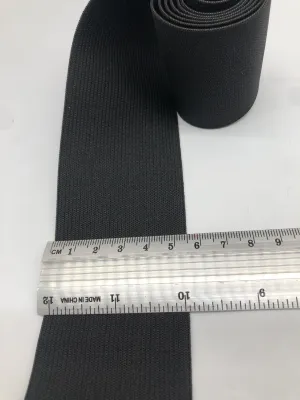
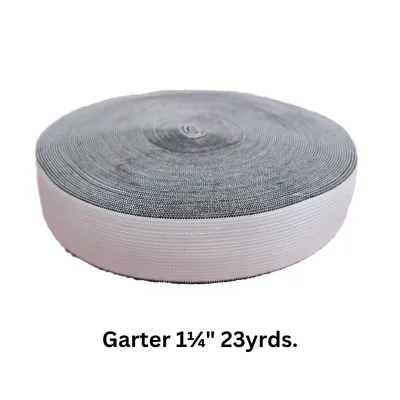
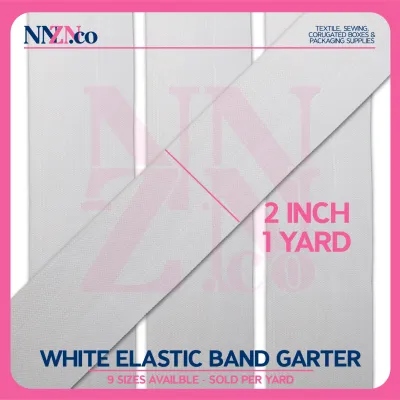
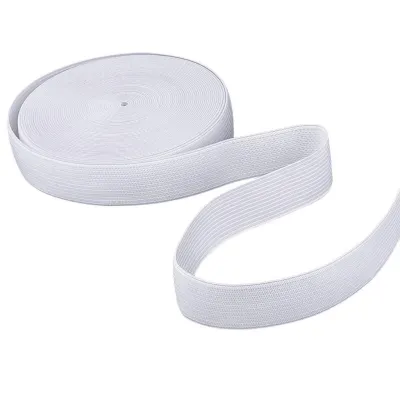
![[5-yrds] Braided Garter Elastic Retail Pack (approx.) 3mm 6mm 12mm Black | White](https://img.lazcdn.com/g/ff/kf/Sba8663bddbb74f42a76dd12250e620e3O.jpg_400x400q80.jpg_.webp)
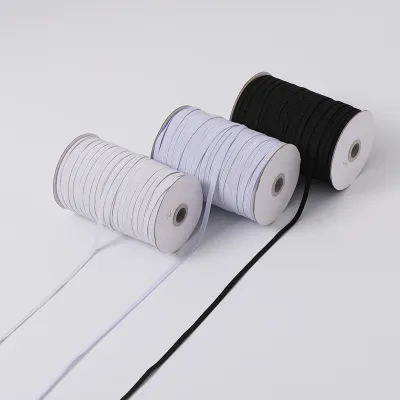
![[5yards] Crochet Garter Elastic Knit Sewing Band for Garment Sewing Flat and High Elasticity Band Tape 5 yrds approx. per pack 1.2cm 2cm 2.5cm 3cm 3.8cm 5cm](https://img.lazcdn.com/g/ff/kf/S69985f52097e4a9083f86788e5862c8aH.jpg_400x400q80.jpg_.webp)
Prices are valid at publication and may change. Please refer to the product page for the latest price.
Navigating Local Textile Markets
For many local businesses, physical textile hubs remain the most reliable way to source garter elastic. Manila’s Divisoria district, particularly around Ylaya Street and the surrounding commercial centers, is the historic heart of the country’s fabric and haberdashery trade. Here, specialized wholesalers offer a vast array of elastic styles, from narrow braided cords to wide woven bands, sold by the bundle or the full roll. Another major hub is Taytay, Rizal, widely recognized as the Garments Capital of the Philippines, where numerous textile warehouses and supply shops cater directly to local clothing manufacturers.
Visiting these physical markets allows you to conduct immediate quality checks that are impossible online. You can physically stretch the elastic to assess its tension, inspect the edges for clean finishing, and verify the consistency of the weave. When buying in person, negotiating cash discounts for bulk purchases is a standard practice. Wholesalers are often willing to lower the per-yard rate if you purchase multiple full rolls or meet their specific bundle thresholds. Always clarify the minimum order quantity required to qualify for wholesale pricing before finalizing your selection.
Utilizing Online B2B Platforms
Digital sourcing has become an essential tool for garment businesses looking to streamline their procurement processes. Online marketplaces, B2B e-commerce directories, and specialized social media wholesale groups allow you to connect with suppliers across the country without the need for travel. These platforms make it easy to compare product listings, check available widths, and communicate directly with sellers regarding bulk pricing tiers.
To minimize risks when sourcing online, focus on verified sellers with established track records and positive customer feedback. Look for detailed product descriptions that specify the roll length, width, and material composition. Before committing to a large yardage order, it is highly recommended to purchase a single trial roll or request physical samples. This step allows you to test the elastic’s stretch, recovery, and compatibility with your sewing projects in your own workshop. Additionally, verify the seller’s business registration and check their responsiveness to inquiries, as reliable communication is a key indicator of a good long-term partner.
How to Evaluate Wholesale Suppliers
Selecting a wholesale supplier for your garter elastic is a critical business decision that affects your production costs and product quality. A thorough evaluation framework helps you look beyond the initial price tag to assess the long-term viability of a supplier. By analyzing pricing structures, stock consistency, and customer service policies, you can build a stable supply chain that supports your business growth.

When comparing pricing structures, always calculate the true cost per yard. Wholesale garter elastic is typically sold in full rolls, which may contain 50, 100, or 144 yards depending on the manufacturer and the width of the elastic. Divide the total roll price by the yardage to establish a clear baseline for comparison. Be sure to ask about any additional costs, such as cutting fees, packaging charges, or local delivery fees, which can quickly erode your profit margins if not factored into your budget.
Stock consistency is another vital factor to consider. A supplier with the lowest prices is of little value if they frequently run out of stock or experience long delays in replenishing their inventory. Ask potential suppliers about their typical restock lead times and whether they maintain a steady supply of standard sizes, such as 1/4-inch, 1/2-inch, 1-inch, and 2-inch widths. Inquire about batch-to-batch uniformity as well; minor variations in elastic tension, thickness, or color between different shipments can cause inconsistencies in your finished garments, leading to quality control issues.
Finally, review the supplier’s return and exchange policies. Because elastic is a flexible, manufactured material, defects such as uneven tension, hidden splices within a roll, or dirty spots can occasionally occur. A reputable wholesale supplier should have a clear, fair policy for handling defective merchandise. Clarify the process for reporting issues, the timeframe allowed for returns, and whether they offer replacements, store credit, or refunds for substandard batches.
Key Specifications to Verify Before Ordering
Not all garter elastics are created equal, and using the wrong type can compromise the fit, comfort, and durability of your garments. Before placing a bulk order, you must verify that the technical specifications of the elastic align with your specific design and manufacturing requirements. Understanding the differences in material composition and construction will help you make an informed choice.
Start by identifying the correct type of elastic construction for your project. Braided elastic is characterized by parallel ribs and tends to narrow when stretched; it is best suited for casings where it is not stitched directly to the fabric. Knitted elastic is lightweight, soft, and retains its width when stretched, making it an excellent choice for lightweight fabrics and direct-to-skin applications like swimwear or lingerie. Woven elastic is a heavy-duty option that is highly resistant to rolling and twisting, making it ideal for waistbands in heavier garments like trousers, denim, or outerwear.
Verify the material composition of the elastic, which typically consists of a stretchable core wrapped in polyester, nylon, or cotton fibers. The core is usually made of either natural rubber or synthetic spandex. Natural rubber provides strong, firm tension but can degrade over time when exposed to high heat, chlorine, or body oils. Spandex blends, on the other hand, offer excellent stretch recovery and tend to withstand repeated laundering and tropical heat much better. Ensure the outer wrapping is tightly woven to prevent the inner core from peeking through or fraying when the elastic is cut.
Test the stretch recovery and durability of the elastic under realistic conditions. In the warm, humid climate of the Philippines, garments are subjected to frequent washing and line drying under direct sunlight. High-quality elastic should return to its original length after being stretched repeatedly, without becoming loose, wavy, or brittle. Additionally, check the elastic’s compatibility with your industrial sewing machines. High-speed stitching can generate significant needle heat; low-quality synthetic fibers may melt or the inner rubber threads may snap under high needle tension, leading to structural failures in your waistbands or cuffs.
Managing Logistics and Bulk Orders
Efficient logistics management is essential when dealing with bulk orders of garter elastic, as the weight and volume of multiple rolls can quickly add up. For businesses operating outside of major metropolitan areas, shipping logistics can represent a significant portion of your total procurement cost. Planning your deliveries carefully helps minimize transit times and keep your shipping expenses under control.
When sourcing from Manila-based suppliers for workshops in the provinces, compare different shipping methods to find the most cost-effective solution. Local cargo forwarders, waybill shipping via provincial buses, and domestic sea freight are common options for transporting heavy textile rolls across the Philippine archipelago. Be sure to factor in transit times when planning your production schedules, as shipping delays can halt your sewing operations and disrupt your delivery commitments to customers.
Proper storage is critical to preserving the quality of your bulk elastic inventory. The high humidity and ambient temperatures typical of tropical climates can accelerate the degradation of rubber and synthetic fibers. Store your elastic rolls in a cool, dry, and well-ventilated space, away from direct sunlight and moisture. Avoid stacking heavy boxes or equipment on top of the rolls, as prolonged compression can permanently flatten the elastic fibers and reduce their stretch capacity. Keep the rolls in their original plastic packaging until they are ready to be used to protect them from dust, dirt, and pests.
To maintain a smooth production flow, establish a reliable inventory tracking system. Calculate your average weekly or monthly yardage consumption for each elastic width and style. Use this data to set clear reorder points that account for your supplier’s lead times and potential shipping delays. By maintaining a safety stock of essential trims, you can prevent costly production downtime and ensure your business can respond quickly to sudden increases in customer demand.
Frequently Asked Questions (FAQ)
What is the typical minimum order quantity for wholesale elastic?
Minimum order quantities (MOQs) for wholesale garter elastic vary widely depending on the supplier and the sourcing channel. Physical market stalls in wholesale districts like Divisoria often offer wholesale pricing for as little as one or two full rolls, which typically contain 50 to 100 yards each. Online B2B distributors and direct importers may require larger minimums, such as a minimum spend amount or a specific number of cartons per order. If you are a small business struggling to meet these thresholds, consider combining orders for different widths or colors to reach the supplier’s bulk requirements, or collaborate with other local makers to pool your purchasing power.
Can I request custom widths or colors for large yardage orders?
Yes, custom manufacturing runs are possible, but they are generally reserved for high-volume orders placed directly with local textile manufacturers or large-scale importers. Custom dyeing or weaving requires a substantial minimum order quantity, often starting at several thousand yards per specification, to cover the setup costs of the machinery. When requesting custom orders, be prepared for significantly longer lead times, potential setup fees, and a strict sample approval process. You will need to review and sign off on a physical lab dip or prototype sample to ensure the color and stretch characteristics meet your exact standards before mass production begins.
Community discussion
Share your experience or ask a question. Comments are reviewed before publication.