
Specialty paper transforms ordinary craft projects into tactile, visually striking works of art by introducing unique textures, finishes, weights, and manufacturing techniques. Unlike standard multipurpose printer paper, these specialized sheets are engineered to provide structural support, catch the light, or offer a distinct sensory experience. Choosing the right specialty paper requires understanding how different fibers, weights, and surface treatments interact with your tools, adhesives, and local environment. By matching the physical properties of the paper to the specific demands of your project, you can ensure your handmade creations are both beautiful and durable.
Understanding Specialty Paper Categories
To navigate the world of specialty paper, crafters must evaluate four core dimensions: weight, finish, texture, and edge treatment. These characteristics dictate how a sheet behaves when folded, cut, glued, or printed.
Weight and thickness are measured in grams per square meter (GSM) or pounds (lb). Light papers (60 to 100 GSM) are highly flexible and ideal for delicate layering, while heavy cardstocks (200 to 300 GSM or more) provide the structural rigidity needed for boxes, card bases, and three-dimensional models.
Products mentioned in this guide
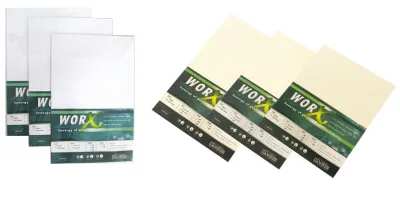
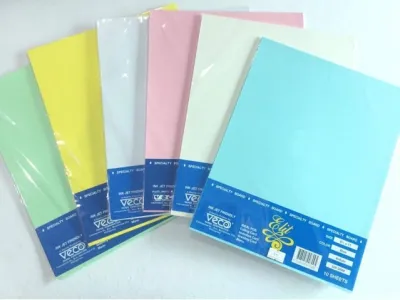
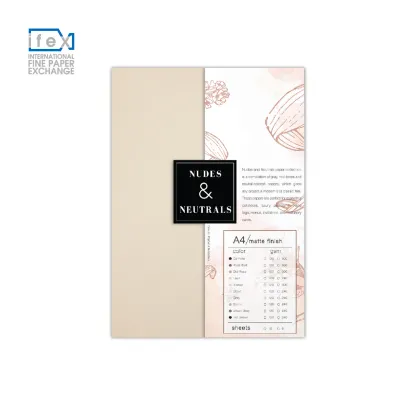
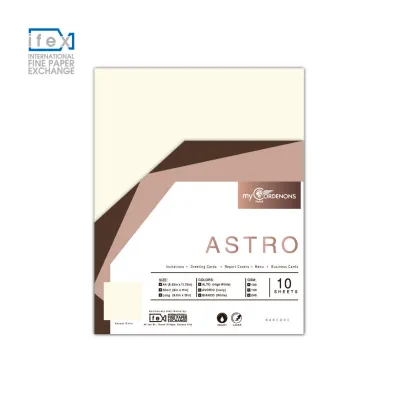
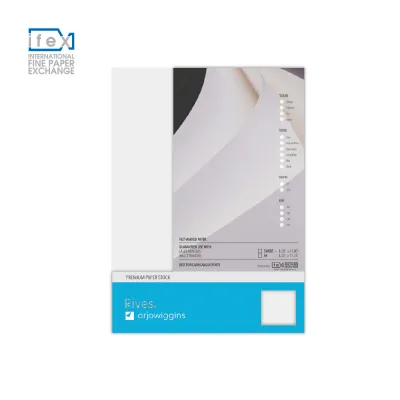
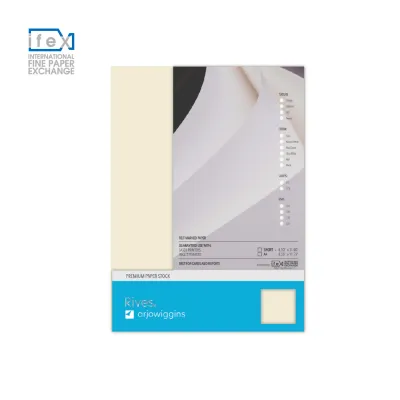
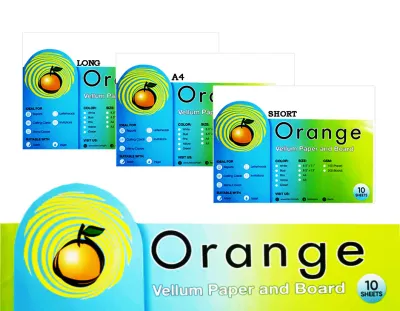
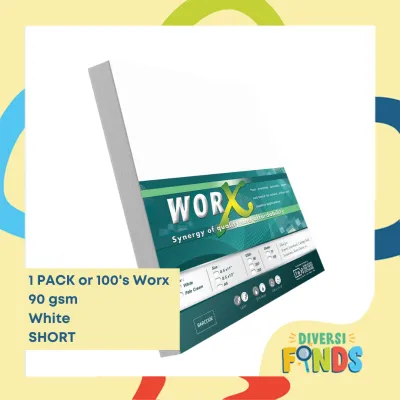
Prices are valid at publication and may change. Please refer to the product page for the latest price.
Surface finishes alter how paper interacts with light and ink. Matte finishes offer a soft, non-reflective surface that absorbs ink deeply, whereas glossy finishes reflect light sharply. Pearlescent and metallic finishes feature microscopic coatings that shimmer, while uncoated papers retain a natural, raw feel.
Texture variations introduce tactile depth. Embossed papers feature raised, machine-pressed patterns, while linen, felt, and laid finishes mimic the woven textures of textiles or traditional papermaking screens. These textures catch shadows and add visual complexity.
Finally, edge treatments define the paper’s perimeter. While standard sheets feature clean, straight-cut edges, handmade varieties often showcase deckle edges—soft, feathered borders formed naturally during the papermaking process. These organic edges lend an antique, artisanal quality to invitations and fine art prints.
Common Types of Specialty Paper and Their Crafting Uses
Different crafting techniques require specific paper behaviors. Understanding the unique properties of each specialty paper type helps you select the ideal material for your creative goals.

Handmade and Cotton Paper
Handmade and cotton papers are celebrated for their luxurious, organic feel and distinct deckle edges. Made from natural cotton linters or plant fibers, these papers are incredibly durable and possess a soft, fabric-like texture that standard wood-pulp papers cannot replicate.
These sheets are highly favored for premium greeting cards, wedding invitations, and calligraphy projects. Their textured, absorbent surfaces hold ink beautifully, making them a preferred choice for watercolor washes and hand-lettered details.
Because handmade papers are highly porous, you must check the paper’s surface sizing before applying wet mediums. Sizing controls how much liquid the paper absorbs; unsized sheets can cause ink to feather or bleed. Always test your chosen ink, paint, or calligraphy nib on a small scrap piece to verify how the fibers react before starting your final piece.
Textured and Embossed Paper
Textured and embossed papers add physical dimension and visual layering to paper crafts without relying solely on printed patterns. Common textures include linen (which mimics fine fabric), felt (which has a soft, dimpled surface), and leather-like finishes, alongside heavily raised embossed patterns like florals or geometric grids.
These papers excel as scrapbooking backgrounds, card layers, and premium gift wrapping. The physical depth of the texture creates subtle shadows, making simple layouts look sophisticated and professionally finished.
When working with heavily textured surfaces, crafters must adapt their techniques. If you plan to stamp designs or write directly on the paper, test the application first. Uneven areas and deep recesses can prevent complete ink transfer from stamps, resulting in patchy or faded images. Using a stamping platform or choosing a firmer, low-profile texture can help ensure clean, crisp impressions.
Metallic, Pearl, and Foil Paper
Metallic, pearl, and foil papers feature reflective, shimmering, or mirror-like surfaces that catch and play with light. These effects are achieved through specialized mineral coatings, pearlescent pigments, or thin foil layers laminated onto a paper backing.
These eye-catching sheets are perfect for holiday decorations, festive banners, accent elements, and luxury packaging. They add an instant touch of elegance and celebration to any design, making them popular for tropical party decorations and festive gift boxes.
However, these non-porous surface coatings present unique handling challenges. Standard liquid craft glues often slide off or fail to bond with metallic and foil surfaces, requiring you to verify product labels and opt for strong double-sided tapes or specialized adhesives. Additionally, standard inkjet printer inks may pool or smudge on these coatings because the ink cannot penetrate the surface, making it essential to check compatibility or allow extended drying times.
Translucent and Vellum Paper
Translucent papers, including vellum, tracing paper, and glassine, offer semi-transparent qualities that allow light and underlying designs to filter through. Vellum is typically thicker and cloudier, while tracing paper is lighter, and glassine features a smooth, air-resistant finish.
These materials are ideal for creating elegant overlay designs, protective envelope liners, and diffused lighting effects in paper lanterns. Layering a sheet of printed vellum over a solid background softens the underlying colors, creating a sophisticated, misty aesthetic.
Because translucent papers are dense and non-porous, they are highly prone to creasing, warping, and tearing if handled roughly. Moisture from liquid glues can easily warp these sheets, so it is best to use acid-free double-sided tape, vellum-specific adhesive runners, or decorative brads and eyelets to secure them. Always handle these delicate sheets with clean, dry hands to avoid leaving visible fingerprints.
How to Match Specialty Paper to Your Crafting Project
Selecting the right specialty paper requires balancing your aesthetic vision with the physical demands of the project. A paper that looks stunning in a flat frame might crack, warp, or tear when subjected to folding, mailing, or heavy handling.
For card making, structural integrity is paramount. Card bases require heavy cardstock (typically 250 GSM or higher) to stand upright without bowing. If you plan to fold thick cardstock, always score the paper first using a bone folder to prevent the outer fibers from cracking and ruining the clean edge. For scrapbooking, prioritize acid-free and lignin-free papers to ensure your photos do not discolor over time.
Consider the final environment and use of your creation. In humid tropical climates, such as in the Philippines, thin or uncoated papers can absorb atmospheric moisture, causing them to warp or lose their crispness. If your craft will be mailed, choose durable, snag-resistant surfaces that can withstand sorting machines without tearing or losing delicate embellishments. By matching the paper’s weight, flexibility, and moisture resistance to its intended purpose, your projects will maintain their beauty long after completion.
Checking Compatibility: Tools, Adhesives, and Printers
Before investing in a large batch of specialty paper, verify that your existing tools and equipment can handle the material’s unique physical properties. Incompatibilities can lead to jammed printers, ruined paper, or projects that fall apart over time.
First, check your home printer’s specifications. Most standard home printers have a maximum paper weight limit (often around 200 to 220 GSM). Attempting to feed thick cardstock through a printer with a tight paper path can cause severe paper jams or roller damage. Additionally, verify whether the paper’s coating is formulated for inkjet or laser technology; laser printers use heat to fuse toner, which can melt certain metallic or plastic-based coatings.
Second, select adhesives based on the paper’s surface texture and porosity. While standard liquid white glue works well on porous, uncoated papers, it can cause thin papers to warp and will fail to adhere to non-porous metallic, foil, or vellum sheets. For these challenging surfaces, use high-tack double-sided tape, tape runners, or glue pens designed for non-porous materials.
Finally, consult the manufacturer’s guidelines for your cutting and shaping tools. Heavy specialty papers, dense cotton sheets, and thick laminated foil cardstocks require sharp blades and sturdy scoring boards. If you are using an electronic cutting machine, adjust the blade depth, pressure, and mat grip according to the paper’s thickness to ensure clean cuts without tearing the delicate fibers.
Frequently Asked Questions (FAQ)
Can I use specialty paper in my home inkjet printer?
Whether you can print on specialty paper depends on its thickness and surface coating. Always check your printer’s manual to confirm its maximum supported paper weight and whether it can handle textured or coated sheets. To prevent costly mistakes, run a single test sheet first to check for paper jams, ink smudging, or failure to dry before printing a full batch.
How do I prevent metallic or vellum paper from smudging?
To prevent smudging on non-porous surfaces like metallic or vellum paper, verify that you are using quick-drying or pigment-based inks rather than slow-drying dye inks. While working, place a clean scrap piece of paper under your hand to absorb natural skin oils and prevent fingerprints. Always allow the printed or stamped design to dry completely according to the manufacturer’s recommended drying time before folding, cutting, or assembling your project.
Community discussion
Share your experience or ask a question. Comments are reviewed before publication.