
In an increasingly digital era dominated by tablets and laptops, the tactile experience of putting pen to paper remains an irreplaceable cornerstone of academic success, professional organization, and creative expression. Writing by hand has been shown to improve cognitive retention, encourage focus, and foster deeper conceptual understanding. However, the effectiveness of your writing routine is heavily influenced by the physical tool you choose. The debate between spiral-bound and loose-leaf systems is not merely a matter of aesthetic preference; it directly impacts your daily comfort, organizational efficiency, and long-term financial investment.
Choosing the right notebook requires balancing your specific writing habits, environmental conditions, and organizational needs. Whether you are a university student navigating a busy semester, a remote professional managing multiple client projects, or a creative writer capturing daily thoughts, the binding style of your paper companion plays a critical role in your productivity. By understanding the structural, ergonomic, and financial differences between these two popular formats, you can make an informed decision that enhances your daily writing experience.
Quick Answer: Which Notebook Binding Should You Choose?
The ideal choice between a spiral-bound and a loose-leaf notebook depends entirely on whether you prioritize fixed, chronological recording or flexible, reorganizable note-taking. There is no single universal winner, as both systems serve distinct organizational workflows and writing environments.
Products mentioned in this guide
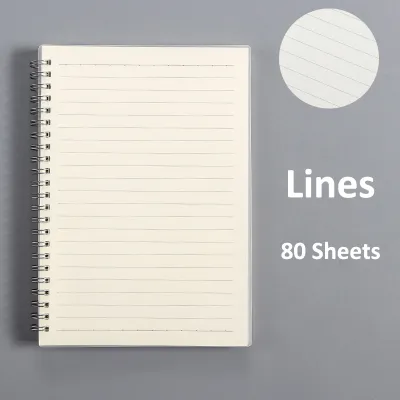
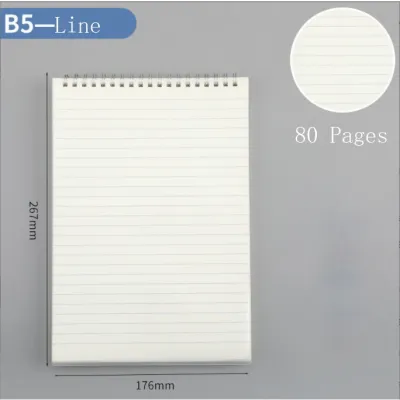
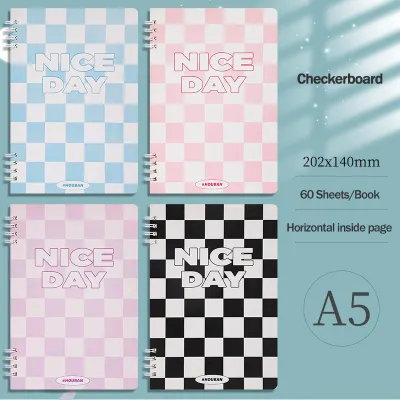
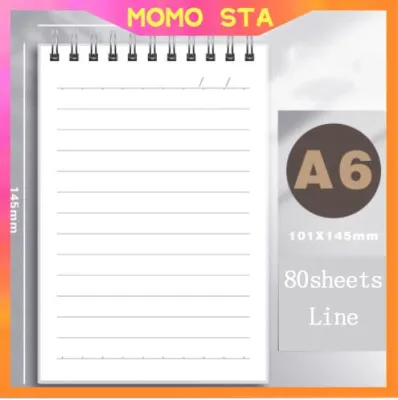
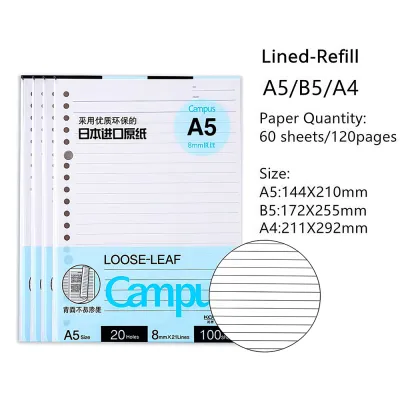
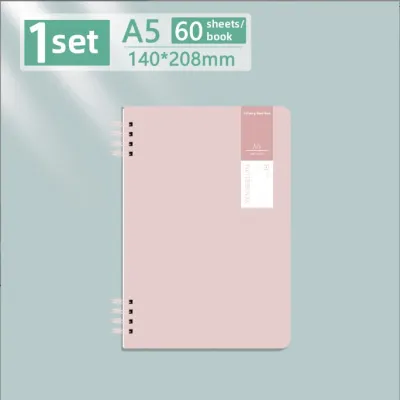
Prices are valid at publication and may change. Please refer to the product page for the latest price.
A spiral-bound notebook is the ideal choice for those who need a lightweight, grab-and-go writing tool. It is perfect for sequential logging, daily journaling, and quick brainstorming sessions where pages do not need to be rearranged. Its compact, fold-back design makes it highly suitable for writing on the go, in cramped lecture halls, or in busy coffee shops.
Conversely, a loose-leaf system is designed for students, researchers, and professionals who manage multiple subjects or complex projects simultaneously. It is the ultimate tool for those who need to rearrange, add, or archive pages over time. If your workflow requires integrating printed handouts, moving notes between sections, or maintaining a highly customized organizational structure, the loose-leaf format is the superior option.
Structural and Functional Differences
To understand how these two systems perform in daily use, it is essential to first examine their fundamental physical construction. The structural design of each notebook type dictates its page capacity, durability, and overall flexibility.

Spiral-bound notebooks feature pages that are punched with a continuous series of small holes along one edge. These pages are held together by a metal or plastic coil that winds through the holes. This design creates a fixed page count that cannot be easily altered. The spiral coil acts as a permanent hinge, allowing the pages to rotate freely around the spine. Because the binding is fixed, the notebook remains a single, cohesive unit throughout its lifespan.
In contrast, loose-leaf systems utilize a binder mechanism to hold individual sheets of paper. The paper is punched with fewer, larger holes—typically conforming to standard two, three, or four-hole configurations, or multi-ring standards like 20-ring (A5) and 26-ring (B5) systems. These sheets are secured by openable rings made of metal or plastic, which are housed within a rigid or flexible binder cover. This mechanism allows you to open the rings at any time to insert new pages, remove completed sheets, or rearrange the order of your notes. This structural difference makes the loose-leaf system highly modular, transforming the notebook from a static document into a dynamic filing system.
Comparing Core Features for Daily Use
The physical differences between spiral-bound and loose-leaf notebooks translate into distinct advantages and disadvantages during daily use. Evaluating how each format performs in real-world scenarios—such as commuting, writing in tight spaces, and organizing information—is key to finding the right fit.
Portability, Weight, and Durability
When it comes to daily commuting, the physical footprint of your stationery is a major consideration. In tropical, high-humidity environments like the Philippines, where students and professionals frequently commute via crowded public transit such as jeepneys, buses, or trains, bag space is at a premium.
Spiral-bound notebooks offer excellent portability due to their slim profile and lightweight construction. They slide easily into backpack compartments, tote bags, or laptop sleeves without adding unnecessary bulk. However, their durability can be compromised over time. The exposed metal or plastic coils can catch on clothing fibers, snag on bag linings, or bend out of shape when subjected to pressure inside a tightly packed bag. Once a coil is bent, turning the pages smoothly becomes difficult, and the paper edges may begin to tear.
Loose-leaf binders, particularly traditional three-ring binders, are significantly bulkier and heavier due to their rigid covers and metal ring mechanisms. They occupy substantial space in a bag, which can make daily commuting more tiring. However, this bulk comes with a durability advantage. The rigid, hard-plastic or cardboard covers of a binder provide superior protection for the paper inside, preventing sheets from crumpling, folding, or absorbing ambient moisture from the air. Furthermore, high-quality binders can last for several years, requiring only the replacement of the paper inside.
Writing Experience and Ergonomics
The physical comfort of writing is another area where the two binding styles differ significantly. Ergonomics can affect your writing speed, hand fatigue, and overall enjoyment of the task.
Spiral notebooks excel in spatial efficiency because they can be folded back a full 360 degrees. This allows the notebook to occupy exactly half of its physical footprint on a desk, making it incredibly useful in cramped spaces, such as small university tablet armchairs or crowded cafe tables. However, the central coil can present an ergonomic obstacle. When writing near the inner margin, the raised coil can interfere with your hand placement, causing discomfort. This is particularly challenging for left-handed writers who must constantly rest their wrists on the coil when starting a line, or for right-handed writers working on the back of a page.
Loose-leaf binders present a different ergonomic challenge. The large metal or plastic rings create a steep, uncomfortable incline for your hand when writing near the center margin. To write comfortably in a loose-leaf binder, many users find it necessary to open the rings, remove the sheet of paper, write on a flat desk surface, and then re-insert the page once finished. While this extra step ensures a completely flat and comfortable writing surface, it can interrupt the flow of rapid note-taking during a fast-paced lecture or meeting.
Organization, Editing, and Customization
The way you process and organize information over time should align with the capabilities of your chosen notebook format.
Spiral notebooks enforce a strict chronological order. This is highly beneficial for keeping a sequential record of a single subject, project, or personal journal, as it prevents pages from being lost or misplaced. However, this structure offers very little flexibility. If you want to insert a printed handout, a syllabus, or additional notes from a research paper, you cannot easily do so within the existing sequence. Furthermore, removing a page from a spiral notebook usually requires tearing it out along the perforated edge. If the notebook lacks micro-perforations, tearing out pages leaves messy paper debris along the coil and can eventually compromise the integrity of the binding, causing other pages to slip out.
Loose-leaf systems represent the pinnacle of customization and editing flexibility. Because the rings can be opened at will, you can effortlessly rearrange your notes, group different topics together, and discard sheets containing errors without leaving any trace. You can use tabbed plastic dividers to separate multiple subjects within a single binder, creating a highly organized, all-in-one academic or professional hub. Additionally, loose-leaf systems allow you to integrate non-standard materials. By using a standard hole puncher, you can insert printed articles, course syllabi, grid paper, or pocket folders directly into your note sequence, keeping all relevant materials in one centralized location.
Cost Structure and Long-Term Value
When choosing between these two systems, it is important to look beyond the initial purchase price and consider the long-term cost of replenishment. The financial commitment of each format depends heavily on your writing volume and how often you need to replace your materials.
The initial cost of a spiral notebook is generally very low. Depending on the paper quality, brand, and size, a standard spiral notebook can range from ₱30 for basic school-grade options to ₱150 or more for premium, thick-paper varieties in local stationery stores. This low entry price makes it highly accessible. However, because the binding is permanent, you must purchase a brand-new notebook every time you fill the pages. Over a multi-year college degree or a busy fiscal year, these recurring purchases can add up significantly.
A loose-leaf system requires a higher initial investment. Purchasing a durable, high-quality binder, a set of tabbed dividers, and an initial pack of loose-leaf paper can cost anywhere from ₱150 to over ₱600. However, the long-term replenishment costs are remarkably low. Once you own a sturdy binder, you only need to purchase loose-leaf refill paper packs, which are highly economical—typically costing between ₱50 and ₱120 for packs of 80 to 100 sheets. Over time, this makes the loose-leaf system a highly cost-effective choice for high-volume writers.
Regardless of the binding style you choose, always verify the paper specifications before purchasing. Pay close attention to the paper weight, measured in GSM (grams per square meter). In the humid tropical climate of the Philippines, thin paper (typically 50 to 60 GSM) absorbs atmospheric moisture quickly. This can lead to severe ink feathering, bleeding, and long drying times, especially when using popular gel pens, rollerballs, or fountain pens. For a smooth, high-quality writing experience, look for paper with a weight of 80 GSM or higher. Additionally, ensure the ruling style—whether college-ruled, wide-ruled, grid, or dotted—matches your writing preferences and is readily available in local stores.
Decision Framework: Choosing Your Ideal Notebook
To make your final decision, evaluate your daily routine, writing environment, and organizational preferences against the following decision framework.
Choose Spiral-Bound if:
- You need a lightweight, highly portable notebook that easily fits into a slim bag for daily commuting.
- You work or study in cramped environments, such as small lecture hall desks or tiny coffee shop tables, where folding the cover back 360 degrees to save desk space is essential.
- You prefer a simple, chronological record of your thoughts, meetings, or journal entries, and do not need to reorganize your pages.
- You want a low-cost, ready-to-use writing solution without the need to purchase separate paper packs or dividers.
Choose Loose-Leaf if:
- You manage multiple academic subjects, client projects, or business departments and want to keep all your notes organized inside a single, centralized binder.
- You frequently need to reorganize your notes, insert printed handouts, or remove completed sections to archive them in a separate folder.
- You want a highly customizable system where you can mix different paper types, such as lined, grid, and dotted sheets, within the same notebook.
- You are looking for a cost-effective, long-term solution where you only need to purchase inexpensive paper refills rather than entire new notebooks.
Neither may fit if:
- You require a formal, highly professional presentation notebook for executive boardrooms or client meetings.
- You are keeping an archive-grade permanent journal, a family recipe book, or legal records where pages must never be lost, removed, or altered.
- You need a notebook that will not lose pages if dropped or subjected to rough handling.
- In these scenarios, you should look into thread-bound (Smyth sewn) or perfect-bound (glued) notebooks, which offer a highly secure, durable, and premium binding that prevents page removal.
Verify first if:
- Your school, university department, or professional licensing board has strict submission rules regarding binding types. For example, some standardized laboratory courses or board exams require specific bound notebooks to prevent page tampering or the removal of official records. Always consult your course syllabus or institutional guidelines before purchasing your stationery.
Frequently Asked Questions (FAQ)
Can I use standard loose-leaf paper in a spiral-bound notebook?
No, standard loose-leaf paper cannot be used in a spiral-bound notebook without specialized modification. Standard loose-leaf paper is designed with wide-spaced holes (typically 2, 3, or 4 holes) to fit into rings, whereas spiral-bound notebooks require a continuous series of closely spaced, small holes (often using a 3:1 or 4:1 pitch standard). Attempting to force standard loose-leaf paper onto a spiral coil will tear the paper and damage the binding. If you wish to mix systems, you must purchase a specialized multi-hole puncher designed specifically for spiral or wire binding, though this is generally impractical for daily use.
Are spiral notebooks accepted for official exam submissions?
In many academic and professional settings, spiral notebooks are not accepted for official exam submissions or formal laboratory records. Because pages can be easily torn out of a spiral notebook without leaving immediate evidence, many institutions and standardized board exams require stitched or perfect-bound booklets (such as standard examination blue books). These secure binding methods ensure that pages cannot be easily removed, swapped, or tampered with, thereby maintaining academic integrity. Always check the specific examinee handbook or your instructor’s guidelines before choosing a notebook for official submissions.
How can I prevent spiral coils from bending in my bag?
To prevent the metal or plastic coils of your spiral notebook from bending or crushing in your bag, place the notebook into your backpack with the spine facing downward or flat against a rigid surface, such as a laptop or a heavy textbook. This prevents other items from pressing directly against the coil. Additionally, using a dedicated notebook sleeve, slipcover, or organizer can shield the coil from snagging on bag linings or clothing. Choosing notebooks with high-quality twin-ring (wire-o) bindings rather than single-loop spiral wires can also provide greater resistance to bending under pressure.
Community discussion
Share your experience or ask a question. Comments are reviewed before publication.