
Choosing the right A6 notebook depends heavily on how you interact with your stationery on a daily basis. The A6 size, measuring roughly 105 by 148 millimeters, is a highly popular pocket-sized companion in the Philippines, fitting easily into small bags, tote bags, or even deep pockets during daily commutes. However, the physical binding of your notebook dictates how comfortably you can write, how well the pages survive humid tropical weather, and how easily you can carry it around. Deciding between a spiral-bound and a stitched A6 notebook comes down to balancing the flexibility of a 360-degree fold against the sleek, snag-free profile of a thread-bound spine.
For quick, on-the-go notes where you need to fold the book completely back on itself, a spiral-bound notebook is highly practical. It allows you to write while standing up in a crowded transit vehicle or waiting in line without needing a flat desk surface. Conversely, if you prioritize a smooth pocket profile, long-term journaling, and writing across the full width of the page without a bulky spine in the way, a stitched notebook is the superior choice. Understanding how these two binding styles perform under daily wear and tear will help you select the perfect tool for your writing habits.
Core Differences in Binding Structures
To choose the right notebook, it helps to understand how each binding style is physically constructed. A spiral-bound notebook utilizes a continuous metal or plastic coil threaded through a series of evenly spaced, pre-punched holes along the edge of the paper. This design allows each page to rotate independently around the coil. Some variations use a double-loop or wire-o binding, where pairs of wire loops secure the pages, offering a slightly flatter profile and preventing the pages from stepping out of alignment when turned.
Products mentioned in this guide
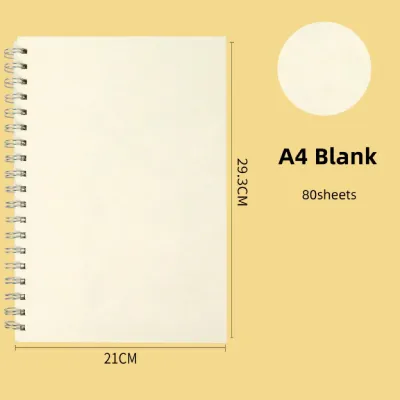
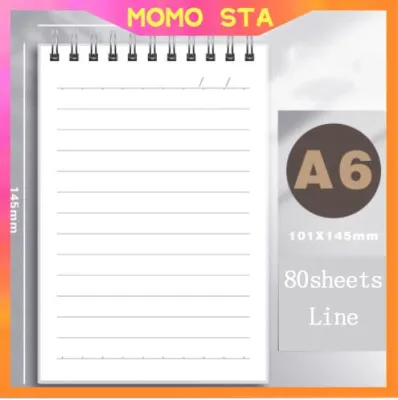
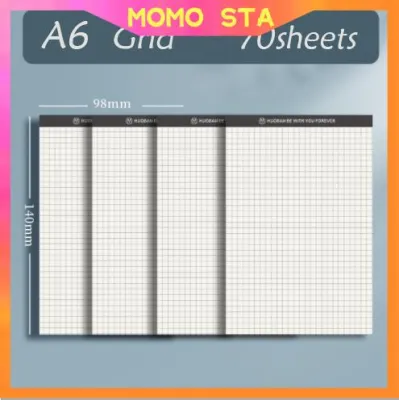
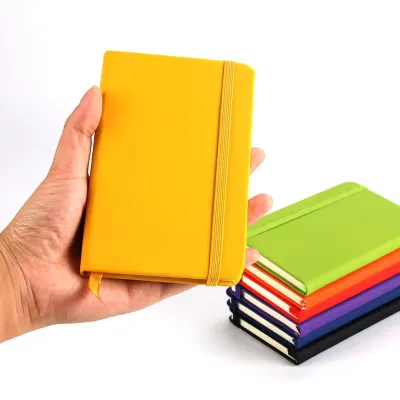
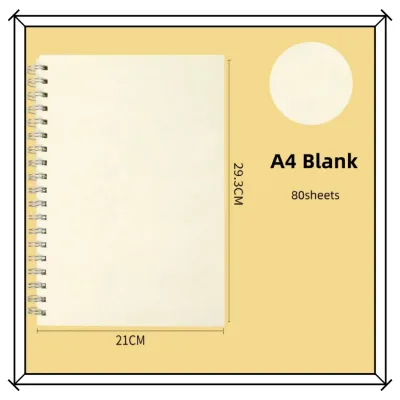
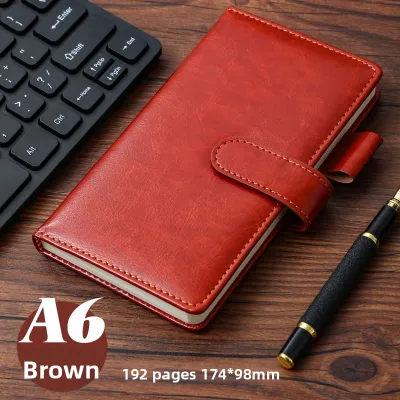
Prices are valid at publication and may change. Please refer to the product page for the latest price.
A stitched notebook, on the other hand, relies on traditional bookbinding techniques. The pages are grouped into small booklets called signatures, which are then sewn together with strong thread along the center fold. These signatures are subsequently glued or taped to a flexible spine cover. This method, often referred to as thread-bound or Smyth-sewn binding, creates a solid, unified block of paper that behaves like a miniature hardcover or softcover book.
These structural differences create distinct physical footprints. The spiral-bound notebook always has a wider profile because the coils must protrude beyond the edge of the paper to allow the pages to turn. This adds bulk to the side of the notebook. A stitched notebook maintains a flush, uniform spine that matches the exact thickness of the paper block, resulting in a clean, rectangular shape that maximizes space efficiency in your bag or pocket.
Writing Comfort and Page Lay-Flat Performance
The way a notebook lies open on a table directly impacts your writing comfort, especially during extended journaling sessions. Spiral-bound notebooks excel at laying completely flat because the pages rotate freely around the coil. You can also fold the cover and unused pages all the way around to the back, creating a rigid, single-sided writing pad. This 360-degree folding capability is incredibly useful when desk space is limited, such as on a small coffee shop table or a lecture hall armrest.

Stitched notebooks require a bit more physical break-in to lay flat. Their ability to lay open depends heavily on the flexibility of the spine glue and the quality of the stitching. High-quality thread-bound notebooks will lay relatively flat, but cheaper glued versions often resist staying open, forcing you to hold the pages down with your non-dominant hand. Additionally, as you write closer to the center of a stitched notebook, you must navigate the gutter—the curved dip where the pages meet the spine—which can make writing near the inner margins awkward.
Hand placement is another critical factor to consider. For right-handed writers, the raised spiral coil can press uncomfortably into the side of the hand or wrist when writing on the left-hand page. Left-handed writers face the exact same obstacle when writing on the right-hand page. This physical barrier often forces writers to adjust their hand angle or skip the first few centimeters of each line. Stitched notebooks eliminate this issue by providing a continuous, low-profile surface across the entire two-page spread, allowing your hand to glide smoothly from left to right without encountering metal or plastic obstacles.
Portability, Durability, and Everyday Handling
An A6 notebook is designed to be carried everywhere, meaning it must withstand the rigors of daily transit. In the Philippines, this often involves navigating crowded commutes, sudden tropical downpours, and high humidity. Spiral-bound notebooks are prone to snagging when slid into tight spaces. The exposed wire loops can easily catch on loose threads inside your bag, mesh pockets, or the fabric of your trousers. Over time, this friction can deform the metal coils, causing them to bend out of shape and make page-turning difficult or even tear the paper.
Stitched notebooks offer a much smoother transport experience. With no exposed coils or sharp edges, a stitched A6 notebook slides effortlessly into a back pocket, a breast pocket, or a dedicated sleeve in your daily bag. The smooth spine prevents any snagging, preserving both the notebook and the lining of your clothes or bags. This makes stitched notebooks the preferred choice for those who carry their stationery in their pockets.
However, environmental factors like humidity play a significant role in long-term durability. High humidity can soften the adhesive used in stitched spines, potentially weakening the bond over time if the notebook is subjected to rough handling. If the glue degrades, the thread signatures may begin to loosen. Spiral notebooks are immune to glue degradation, but metal coils can rust if exposed to persistent moisture or sweat, while plastic coils can become brittle over time. Choosing a spiral notebook with a coated wire or a high-quality plastic coil can help mitigate these climate-related issues.
Paper Compatibility and Customization Options
The binding method also dictates how you can use and manage the pages inside your notebook. Spiral-bound notebooks are ideal if you frequently need to remove pages. Many models feature micro-perforations near the spiral holes, allowing you to tear out a page cleanly without leaving messy paper scraps behind. This is perfect for sharing notes, leaving quick reminders, or discarding mistakes without ruining the look of the notebook.
Tearing a page out of a stitched notebook, however, is highly discouraged. Because the pages are sewn together in continuous signatures, removing a page from one side of a signature will inevitably loosen the corresponding page on the other side. Over time, tearing out pages will compromise the structural integrity of the entire notebook, causing other pages to fall out. If you must remove a page from a stitched book, you generally have to use a utility knife to cut close to the spine, which still leaves a permanent gap.
Furthermore, the physical space occupied by the binding affects the usable writing area. The punched holes of a spiral notebook reduce the effective width of the A6 page, leaving you with less horizontal space for writing. Because A6 is already a compact format, losing even a few millimeters can feel restrictive. Stitched notebooks utilize the entire surface area of the paper, allowing you to write right up to the outer edges and across the center seam, which is ideal for wide horizontal layouts, mind maps, or detailed sketches.
Decision Framework: Which A6 Notebook Should You Choose?
To finalize your decision, consider your daily writing environment, how you carry your stationery, and how you plan to store your completed notebooks.
Choose a spiral-bound A6 notebook if:
- You need to write while standing, traveling, or working in tight spaces where folding the notebook 360 degrees is essential.
- You frequently tear out pages to share notes, write shopping lists, or discard drafts.
- You prefer a notebook that lies absolutely flat from the very first page without requiring any spine break-in.
- You like using the spiral coil as a convenient place to clip a pen or pencil.
Choose a stitched A6 notebook if:
- You carry your notebook in a pocket or a crowded bag and want to avoid snagging on fabrics, zippers, or keys.
- You want to maximize the usable writing space on the compact A6 page without losing margins to punch holes.
- You enjoy writing across a continuous two-page spread for sketches, bullet journaling, or horizontal planning.
- You plan to archive your completed notebooks on a shelf, where the flat, book-like spines can be easily labeled and stacked.
Before making your purchase, always verify the paper specifications. Look for a paper weight (typically measured in grams per square meter, or GSM) that matches your preferred writing instrument. If you use fountain pens or heavy gel pens, opt for paper that is rated for bleed resistance and quick drying, especially in humid climates where paper naturally absorbs moisture and can cause ink to feather more easily.
Frequently Asked Questions (FAQ)
Can I easily remove pages from a stitched A6 notebook?
No, removing pages from a stitched notebook is difficult and can damage the binding. Because the pages are sewn together in signatures, tearing out a page will loosen the thread and likely cause the corresponding page on the other side of the signature to fall out. If you must remove a page, use a sharp craft knife to cut carefully along the inner gutter, or look for specialized stitched notebooks that include a few perforated pages at the very back for temporary notes.
Do spiral-bound notebooks snag on bags or pockets?
Yes, spiral-bound notebooks are prone to snagging due to the exposed wire or plastic coils. The ends of the coils can catch on clothing fibers, bag linings, or loose items. To minimize this issue, look for spiral notebooks with a hidden or concealed wire-o binding, where a fabric or cardboard cover wraps over the spine to protect the coils. Alternatively, choosing a notebook with a smooth, continuous plastic coil rather than a cut metal wire can significantly reduce the risk of snagging.
Community discussion
Share your experience or ask a question. Comments are reviewed before publication.