
Selecting a notebook that survives the daily grind of school or office work requires looking closely at how its pages are held together. There is no single “most durable” notebook binding, as longevity depends entirely on how you handle, carry, and store your notes. A binding that survives years on a quiet office desk can fail within weeks when repeatedly crammed into a crowded backpack during a humid daily commute.
To make an informed choice, you must understand how different binding methods respond to physical stress, environmental conditions, and your writing habits. Spiral bindings excel at laying flat and handling frequent page-turning, saddle-stitch offers a lightweight and snag-free profile for thin booklets, and perfect binding provides high page capacity and a professional spine for thick journals. By matching the structural strengths of these bindings to your daily routine, you can ensure your written records remain intact for as long as you need them.
How Spiral, Saddle-Stitch, and Perfect Bound Notebooks Are Made
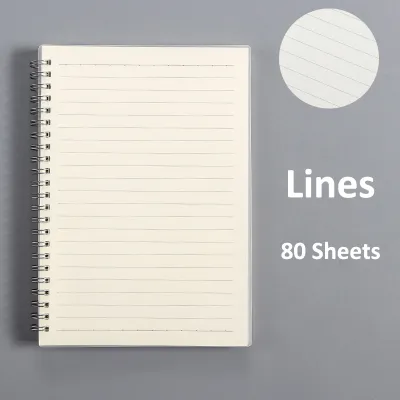
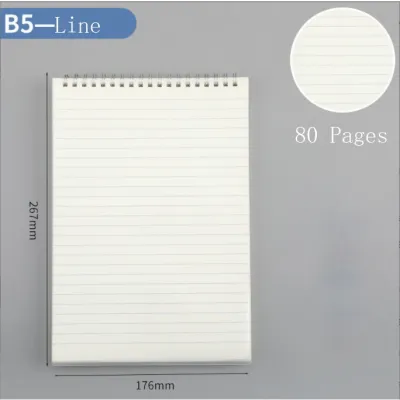
Spiral notebooks, which include both wire-bound (Wire-O) and plastic coil designs, are constructed by punching a series of evenly spaced holes along the edge of the cover and paper sheets. A continuous plastic coil or a series of double-loop metal wires is then threaded through these holes. This mechanical connection allows the pages to rotate a full 360 degrees around the binding, meaning the notebook can be folded completely back on itself without damaging the spine. The primary structural vulnerability lies in the punched holes, which can tear if the paper is pulled or subjected to sudden tension.
Products mentioned in this guide
Prices are valid at publication and may change. Please refer to the product page for the latest price.
Saddle-stitch binding is one of the simplest and most traditional methods of bookmaking. To create a saddle-stitched notebook, several folded sheets of paper are nested inside one another, creating a booklet. Industrial stapling machines then drive metal wire staples directly through the center crease of the spine, securing the pages together. Because the staples must penetrate all the sheets at once, this method is physically limited to relatively thin notebooks. The main weak point is the center crease, where the metal staples can slowly wear away at the paper fibers over time.
Perfect bound notebooks are constructed using a process similar to paperback novels. Individual sheets or folded groups of pages (signatures) are gathered together, and the spine edge is milled or roughened to expose the raw paper fibers. A layer of strong, flexible adhesive is applied to this edge, and a wrap-around cover is pressed onto the wet glue. Once dry, the adhesive holds all the pages firmly in place. The durability of a perfect bound notebook relies almost entirely on the quality and flexibility of the glue, as well as how well the adhesive penetrates the paper fibers.
How Each Binding Handles Daily Wear and Tear
When evaluating page-turning and lay-flat stress, spiral binding offers unmatched flexibility. You can open a spiral notebook completely flat on any surface or fold the cover back to save desk space in cramped lecture halls or transit vehicles. However, this constant movement creates friction between the rigid coil and the paper edges, which can gradually enlarge the punched holes. Perfect bound notebooks, by contrast, resist laying flat; forcing a cheaply glued spine to open wide can crack the adhesive layer, causing entire pages to fall out. Saddle-stitched notebooks lay relatively flat when opened near the center, but forcing them flat near the front or back covers puts significant tension on the staples.

Bag carry and edge wear present different challenges during a daily commute, especially in humid tropical climates. The exposed coils of spiral notebooks are highly susceptible to snagging on loose threads, keys, or other items inside a bag, which can bend metal wires out of alignment or deform plastic coils. Saddle-stitched booklets have a slim, streamlined profile that slides easily into pockets or bags without snagging, though their soft covers offer minimal protection against bent corners. Perfect bound notebooks feature a flat, solid spine that resists snagging, but the corners of the spine can peel, split, or fray if they are repeatedly shoved into tight backpack compartments.
Page capacity limits directly affect the structural integrity of each binding type. Spiral bindings can accommodate very thick notebooks, but as the page count increases, the coil diameter must also grow, making the notebook bulkier and more prone to coil deformation. Saddle-stitch binding is strictly limited to thin profiles; attempting to staple too many pages causes the inner sheets to protrude further than the outer sheets, creating a bulky spine that puts excessive leverage on the staples. Perfect bound notebooks excel at high capacities, easily securing hundreds of pages, though very thick volumes place greater physical stress on the adhesive hinge when opened.
Environmental factors and material aging play a major role in long-term durability, particularly in high-humidity environments. Moisture in the air softens paper fibers, making the punched holes of spiral notebooks and the stapled creases of saddle-stitched notebooks more vulnerable to tearing. Untreated metal coils and staples can rust over time, leaving orange stains on the paper and weakening the binding. In perfect bound notebooks, standard hot-melt adhesives can become brittle in dry conditions or soften and lose grip in extreme heat, whereas high-quality polyurethane reactive (PUR) glues remain highly stable and flexible across temperature and humidity fluctuations.
Which Notebook Binding Fits Your Daily Routine?
You should choose a spiral notebook if your daily routine requires writing on the go, working on small desks, or frequently flipping back and forth between pages. It is highly practical for active lecture note-taking, laboratory work, or quick office brainstorming sessions where saving physical space is a priority. If you prefer to tear out pages cleanly, look for spiral notebooks with micro-perforated sheets, which allow you to remove paper without leaving messy ragged edges around the coils.
Choose a saddle-stitched notebook if you prefer a lightweight, minimalist setup for short-term projects, field notes, or daily pocket journaling. Because they lack a bulky spine or protruding coils, these thin booklets are exceptionally comfortable to carry in a bag or pocket. They are ideal for organizing different subjects or projects into separate, color-coded volumes rather than carrying one massive, heavy notebook.
Choose a perfect bound notebook if you are keeping a long-term journal, a professional meeting log, or archival records that will be stored on a shelf. The flat, solid spine allows you to write titles or dates on the side for easy identification when shelved. The clean, book-like appearance of perfect binding is well-suited for formal office environments and creative writing projects where a polished presentation is desired.
Before making a final decision, verify if your routine involves extreme physical handling or exposure to wet weather. If you frequently work outdoors or commute during heavy rains, you must ensure that your notebook’s binding materials and cover can withstand moisture. In these demanding scenarios, a plastic spiral coil paired with a water-resistant synthetic cover will generally outperform glued or stapled paper alternatives.
What to Inspect Before Buying a Durable Notebook
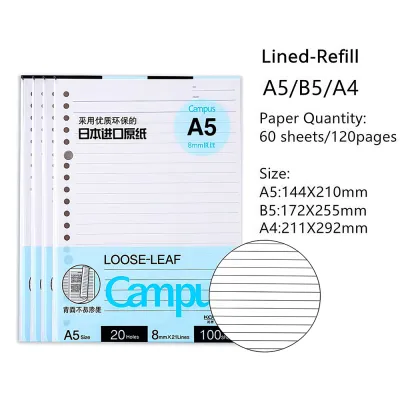
To ensure you are purchasing a well-made notebook that will last, inspect the coil material and hole reinforcement on spiral models. Look for double-loop wire (often labeled as Wire-O) made of a thick gauge that resists bending under hand pressure. If choosing plastic, ensure the coil is made of high-density, flexible plastic that springs back into shape when squeezed. Examine the punched holes; they should be cleanly cut without ragged edges, and the paper surrounding the holes should feel sturdy enough to resist tearing during rapid page flips.
For perfect bound notebooks, test the adhesive flexibility and spine preparation before buying. Gently open the notebook to a middle page and press down slightly; a high-quality spine will yield smoothly without making any cracking or popping sounds. Look for product specifications indicating the use of PUR (polyurethane reactive) binding, which offers significantly higher page-pull strength and environmental resistance than standard ethylene-vinyl acetate (EVA) hot-melt glues.
Paper weight and grain direction are critical factors that influence both binding durability and writing quality. Paper weight is measured in grams per square meter (GSM); for daily use with gel pens, rollerballs, or fountain pens, look for paper that is at least 80 GSM to 100 GSM to prevent ink bleed-through and physical tearing. Note that ink smoothness, drying speed, and bleed resistance depend on the exact combination of your pen’s ink and the paper’s coating. It is always best to perform a small trial on a back page to verify compatibility. Additionally, the paper grain should run parallel to the spine, which you can verify by gently bending the notebook—it should bend more easily along the spine than across it, reducing resistance when turning pages.
Finally, assess the cover material and overhang. A durable notebook should feature a cover made of thick cardstock, heavy-duty poly, or laminated board to protect the inner pages from impact and moisture. The cover should extend approximately 1 to 2 millimeters beyond the edges of the inner sheets. This slight overhang acts as a bumper, absorbing the friction and impacts of daily bag carry and preventing the edges of your written pages from fraying, bending, or absorbing moisture from external surfaces.
Frequently Asked Questions (FAQ)
Can I rebind a perfect bound notebook if the glue fails?
You can perform basic repairs on a perfect bound notebook if the adhesive begins to crack or release pages. For minor failures, applying a thin, even layer of flexible, pH-neutral bookbinding glue (such as PVA) along the exposed spine and clamping the notebook tightly while it dries can restore its structural integrity. However, if the entire spine has cracked or the pages have completely separated, a simple DIY glue job may not hold up to daily wear. In such cases, or for highly valuable notes, seeking professional bookbinding services or transferring the pages to a multi-ring binder is the most reliable way to preserve your work.
Does the page count affect how long a saddle-stitched notebook lasts?
Page count has a direct impact on the lifespan of a saddle-stitched notebook. Because saddle-stitching relies on nesting folded sheets inside one another, a high page count causes the inner pages to push outward, creating a bulky spine that prevents the notebook from laying flat. This bulk puts immense physical tension on the center crease. As you open and close a thick saddle-stitched notebook, the metal staples act like small blades, slowly cutting through the stressed paper fibers. To ensure longevity, limit saddle-stitched booklets to a maximum of 48 to 64 pages; anything thicker should use spiral or perfect binding.
Community discussion
Share your experience or ask a question. Comments are reviewed before publication.