
Choosing the right notebook binding is the foundation of a comfortable, productive writing experience. If you need a notebook that lays completely flat on cramped surfaces and folds back 360 degrees for quick, on-the-go note-taking, spiral binding is your most practical option. For those who prioritize long-term durability, secure page archiving, and a classic, uninterrupted writing surface for formal journaling, stitched binding is the ideal choice. If your workflow demands modular organization, the ability to rearrange pages, and a customizable layout where you can mix different paper templates, loose-leaf binding is the most versatile solution. Matching your binding to your daily environment ensures your stationery works with you, not against you.
Understanding the Three Main Binding Types
Notebook construction dictates how a book behaves under daily use, affecting everything from page rotation to structural longevity. Spiral binding utilizes a continuous metal or plastic coil threaded through a series of evenly spaced holes along the edge of the paper. This mechanical link allows pages to rotate independently around the spine, offering unmatched flexibility. Because the pages turn on a physical track, there is minimal tension on the paper itself, though the coil adds physical width to the notebook.
Stitched binding, often referred to as thread-sewn, involves folding sheets of paper into sections called signatures. These signatures are then sewn together with durable thread along the fold lines and reinforced with a flexible adhesive backing. This traditional method creates a secure, permanent bond that keeps pages firmly in place. The absence of rigid metal or plastic parts makes stitched notebooks exceptionally slim and lightweight, though they cannot be folded back on themselves.
Products mentioned in this guide
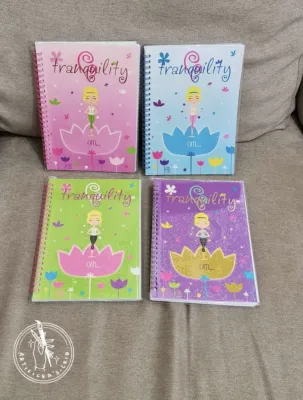
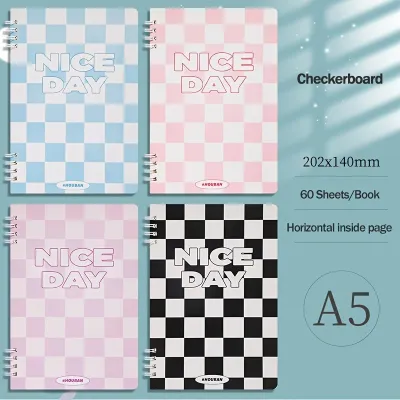
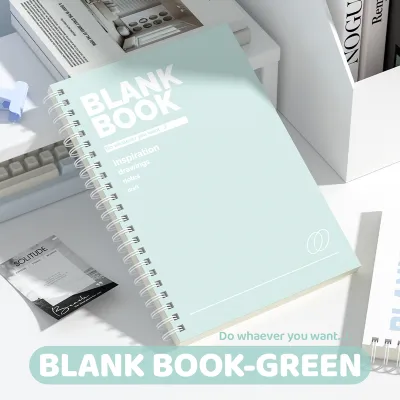
Prices are valid at publication and may change. Please refer to the product page for the latest price.
Loose-leaf systems rely on a rigid binder mechanism featuring multiple rings that can be manually opened and closed to insert or remove individual sheets of punched paper. This format separates the binding structure from the paper itself, allowing you to refill the notebook indefinitely. While this offers unparalleled customization, the ring mechanism adds significant bulk and weight, requiring a sturdier cover to protect the internal components.
Spiral Bound: Best for Flexibility and Quick Notes
Spiral-bound notebooks excel in fast-paced environments where space is limited. The primary advantage of a spiral coil is its 360-degree fold-back capability. You can fold the left side of the notebook completely behind the right side, cutting the physical footprint of the notebook in half. This feature is incredibly useful when writing on your lap, taking notes while standing, or working on tiny armrest desks in crowded lecture halls.

However, the physical coil introduces specific trade-offs that you must consider. The raised spiral can interfere with your hand placement, particularly when writing near the inner margins. For left-handed writers, the coil can be a constant obstacle when writing on the right-hand page, while right-handed writers face the same issue on the left-hand page. Additionally, metal coils can catch on loose threads inside your backpack, and plastic coils can crack if subjected to heavy pressure.
This binding style is ideal for students taking rapid lecture notes, journalists working in the field, and professionals who need to jot down quick reminders during active meetings. If your daily routine involves moving quickly between locations and writing without the luxury of a large, flat desk, a spiral notebook provides the immediate accessibility you need.
Stitched (Thread-Sewn): Best for Durability and Archiving
Stitched notebooks are designed for longevity and a premium writing feel. Because the pages are sewn together in groups, the spine remains highly flexible while keeping every sheet permanently secured. Unlike cheap glued notebooks where pages can dry out and fall apart over time, a high-quality stitched binding can withstand years of being opened, closed, and carried in a bag without losing its structural integrity.
When opened, a well-constructed stitched notebook lays remarkably flat across a desk, providing a seamless surface that spans both pages. This makes it highly comfortable for continuous, long-form writing, as there are no bulky rings or coils to obstruct your hand. The flat surface also ensures that you can write close to the gutter without struggling against the curve of the paper.
The main limitation of stitched binding is its permanent nature. You cannot add pages, and tearing out a page can weaken the corresponding sheet on the other side of the signature, potentially compromising the entire binding. This format is best suited for dedicated journalers, creative writers, and long-term project planners who want a permanent, chronological record of their thoughts and do not need to reorganize their notes after writing them down.
Loose-Leaf (Refillable): Best for Customization and Organization
Loose-leaf binders offer a modular approach to note-taking that traditional notebooks cannot match. The ability to open the rings means you can insert, remove, and rearrange pages at will. This is highly beneficial for organizing complex projects, separating multiple school subjects within a single binder, or archiving older notes to a storage box at home while keeping only active pages with you.
This system also allows you to mix and match different paper styles within the same binder. You can place ruled paper for text, grid paper for diagrams, and blank paper for sketching exactly where you need them. To protect your pages from the high humidity common in tropical climates, you can easily insert plastic divider tabs and sheet protectors to keep your work organized and dry.
Despite these advantages, loose-leaf binders are the bulkiest and heaviest option. The metal or plastic ring mechanism requires a thicker, more rigid cover to prevent the rings from bending or misaligning. Writing near the rings can also be uncomfortable, often requiring you to remove the page from the binder to write on it comfortably before snapping it back into place. This system is ideal for project managers, researchers, and students who value meticulous organization over lightweight portability.
Side-by-Side Binding Comparison
To help you visualize how these three binding types compare, the table below outlines their performance across key daily usability factors:
| Feature | Spiral Binding | Stitched Binding | Loose-Leaf Binding |
|---|---|---|---|
| Lay-Flat Performance | Excellent (folds 360 degrees) | Very Good (lays flat on desks) | Fair (rings can obstruct hand) |
| Durability | Moderate (coils can bend) | High (sewn pages stay secure) | High (refillable, durable covers) |
| Customizability | Low (permanent page order) | Low (cannot add/remove pages) | Excellent (rearrange and mix paper) |
| Portability | High (slim, lightweight) | Excellent (slimmest profile) | Low (bulky ring mechanism) |
| Page Removal | Easy (perforated sheets) | Difficult (damages binding) | Excellent (non-destructive removal) |
Physical Specifications to Verify
Before making your purchase, check the product label or packaging for these key details:
- Ring/Coil Diameter: Larger diameters hold more pages but add bulk to your bag.
- Maximum Sheet Capacity: Ensure the binder or spiral can accommodate your target page count without straining the binding.
- Paper GSM Compatibility: Verify that the paper weight (typically 80 GSM to 100 GSM) is compatible with your preferred ink type to prevent feathering and bleed-through, especially in humid conditions.
Final Decision Framework: Matching Binding to Your Workflow
To finalize your choice, evaluate your daily writing habits and physical workspace against these targeted recommendations.
- Choose Spiral if… You prioritize quick access, write frequently while standing or commuting, and need a notebook that takes up minimal desk space. Look for options with plastic-coated coils to prevent snagging on fabrics inside your bag.
- Choose Stitched if… You want a durable, long-lasting archive of your writing, prefer a classic aesthetic, and enjoy the comfort of writing across a completely flat, unobstructed surface. This is the best choice for permanent journals and structured planners.
- Choose Loose-Leaf if… You manage multiple projects or subjects simultaneously, prefer to keep all your notes in one highly organized place, and want the freedom to add, remove, or swap paper types as your needs change.
Verify first if… you plan to buy loose-leaf refills. Always check the hole-punch standard (such as 20-ring for A5 or 26-ring for B5 sizes) and the ring spacing of your binder before purchasing refill packs. Testing a single sheet with your favorite gel pen or fountain pen is also recommended to observe how the paper handles ink drying times under local humidity levels.
Frequently Asked Questions (FAQ)
Can I mix different paper types in a loose-leaf Cattleya notebook?
Yes, you can easily mix different paper types, provided they share the same size and hole-punch configuration. For example, a standard B5 binder with a 26-ring mechanism will accept any B5 26-hole ruled, grid, dotted, or blank paper refills. Always verify that the total thickness of the combined paper types does not exceed the binder’s maximum ring capacity, as overloading the rings can cause them to gap, leading to torn pages and difficulty when turning sheets.
How do I prevent spiral bindings from snagging in my bag?
To prevent spiral coils from catching on other items in your bag, store the notebook in a dedicated compartment away from loose keys, cables, or textured fabrics. Using a protective fabric sleeve or a slipcase can shield the coil from external friction. If a metal coil does become slightly bent during transit, you can gently reshape it using small pliers or your fingers to ensure the loops align properly, which restores smooth page turning and prevents further snagging.
Community discussion
Share your experience or ask a question. Comments are reviewed before publication.