
The Short Answer: Which Binding Survives Daily Use?
Choosing the longest-lasting scratch pad depends entirely on how you handle your daily notes. Neither binding style is universally superior; instead, each excels under different writing habits and environmental conditions.
If your daily writing requires keeping your notes intact as a chronological record, spiral-bound pads generally survive longer because the mechanical coil prevents the pages from detaching. Conversely, if your routine requires constantly tearing out sheets to share, file, or discard, a high-quality glue-bound pad lasts longer because it is designed for clean, repetitive separation without destroying the remaining spine.
Ultimately, choosing between them is a trade-off between secure page retention and effortless, clean page removal. Understanding how each binding handles physical stress and environmental factors will help you select the right tool for your desk.
Products mentioned in this guide
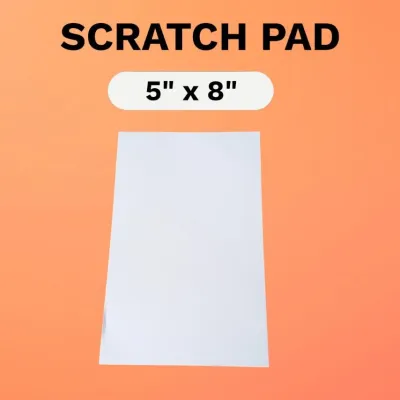
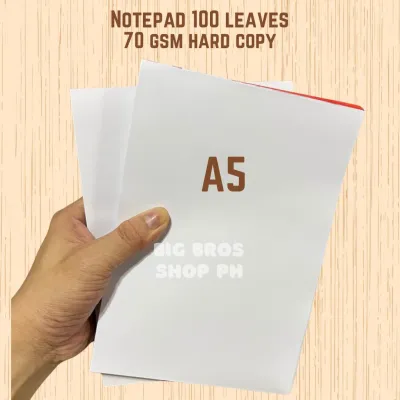
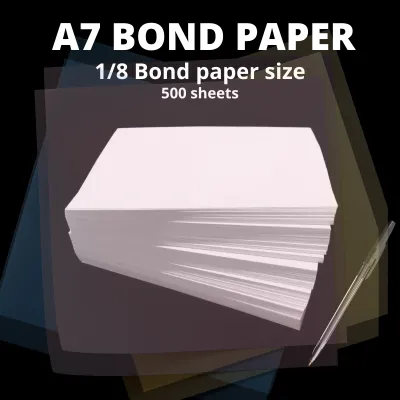
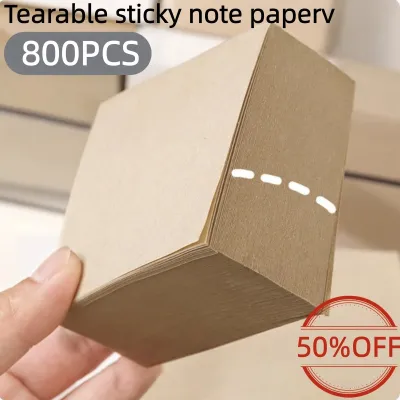
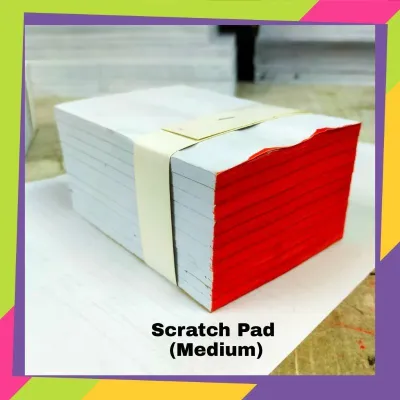
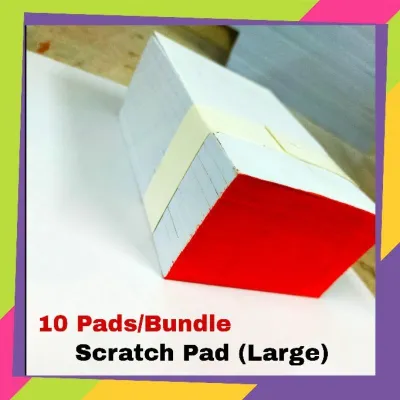
Prices are valid at publication and may change. Please refer to the product page for the latest price.
How Spiral and Glue Bindings Actually Work
To understand why one binding might outlast another, it helps to look at how they are constructed. Spiral binding relies on a continuous loop of metal wire or plastic coil threaded through pre-punched holes along the edge of the paper stack. This physical interlocking system ensures that every single sheet remains anchored to the spine, regardless of how many times you flip the pages back and forth.

However, this mechanical design introduces specific stress points. The punched holes weaken the margin of the paper, making them susceptible to tearing under sudden tension. Additionally, the coil itself is exposed to external forces, meaning any pressure applied to the sides of the pad can bend metal or warp plastic, disrupting the smooth rotation of the pages.
Glue binding, often referred to as padding, uses a flexible adhesive compound applied directly to the aligned top or side edges of the paper stack. This adhesive forms a thin, rubbery membrane that holds the sheets together through surface tension and friction.
The primary vulnerability of glue binding lies in the chemical and physical stability of the adhesive itself. Over time, repeated flexing of the pad or exposure to environmental elements can cause the glue to dry out, crack, or lose its grip, leading to premature page detachment.
Durability Showdown: Page Tearing, Spine Wear, and Lifespan
In a tropical climate like the Philippines, high relative humidity is a constant factor that directly impacts stationery. Excessive moisture in the air can soften certain water-based padding glues, making the adhesive tacky or weak, which allows pages to slip out under their own weight. Spiral bindings, being mechanical, are completely unaffected by humidity in terms of their structural hold, though low-grade metal coils might eventually rust if left in damp environments for extended periods.
Next, consider page tear-out risk. When you pull a page from a spiral pad, the paper must tear through the narrow strips of fiber between the punched holes unless there is a micro-perforation line. This action often leaves messy, ragged paper scraps caught in the coil, which can accumulate and jam the binding over time.
Glue-bound pads are engineered specifically for clean separation. Pulling a sheet away from the adhesive strip requires minimal force and leaves a clean, straight edge. However, if you do not intend to remove the pages, the constant friction of flipping them back and forth will naturally weaken the glue line, eventually causing the pad to split into separate chunks of paper.
Cover and edge wear also differ significantly. Spiral coils stick out from the edge of the pad, making them prone to catching on the fabric lining of backpacks, laptop sleeves, or other loose papers. A bent coil not only looks untidy but can also lock the pages in place, preventing you from opening the pad. Glue-bound pads, with their flush, flat edges, slide smoothly into bags and pockets without any risk of snagging.
Usability Factors: Lay-Flat Ability, Portability, and Page Removal
When it comes to the actual writing experience, lay-flat ability is a major differentiator. Spiral-bound pads excel here because the pages can rotate a full 360 degrees around the coil. This allows you to fold the cover and unused pages completely behind the pad, cutting the physical footprint of the notebook in half—a massive advantage when writing on your lap, on a crowded commute, or at a tiny coffee shop table.
Glue-bound pads, by contrast, cannot fold backward. To write comfortably, you must keep the pad fully open, which occupies twice the desk space. Furthermore, as you write closer to the top bound edge, the natural curve of the glued spine can create a raised bump, making it difficult to rest your hand comfortably.
Portability and storage present another set of trade-offs. Glue-bound pads are incredibly slim and stackable. You can easily stack several glue pads on top of each other on an office desk without them sliding or creating uneven piles. Spiral pads do not stack neatly because the coil side is always thicker than the paper side, creating a sloped stack that easily topples. The coils can also scratch the surfaces of wooden desks or plastic laptop lids when stacked together.
For page removal, glue-bound pads are the clear winner for archiving or sharing notes. Whether you are sketching a quick diagram for a colleague or writing down a grocery list, a glue-bound sheet tears away silently and cleanly. Spiral pages, unless equipped with high-quality micro-perforations, require careful tearing to avoid ripping the actual written content, often leaving a trail of paper confetti on your desk.
How to Choose the Right Scratch Pad Paper Writing Pad for Your Needs
To make the right choice for your daily writing routine, evaluate your primary handling habits and working environment.
When to Choose Spiral-Bound Pads
- Select a spiral-bound pad if you need to keep your notes organized chronologically in a single, permanent volume.
- This style is ideal for students attending lectures, journalists conducting field interviews, or anyone who writes while standing or traveling, as the ability to fold the pad completely flat provides a stable writing surface.
- It is also the better option if you frequently flip back to older notes for reference, as the mechanical spine ensures no pages will accidentally fall out during handling.
When to Choose Glue-Bound Pads
- Opt for a glue-bound pad if your daily work involves drafting temporary notes, sketching quick ideas, or sharing written sheets with others.
- They are perfect for office desks, reception areas, and design studios where a clean, professional presentation is necessary.
- The flat, compact profile is also highly beneficial if you have limited storage space or prefer to scan and archive your physical notes digitally after writing them.
The “Verify First” Checklist
- Paper Weight: Ensure the paper is thick enough (typically 70 gsm or higher) to resist ink bleed-through, especially if you use gel pens or fountain pens.
- Perforation Quality: If choosing a spiral pad, look for micro-perforations near the coil to allow clean tearing when needed.
- Coil Material: Opt for thick, coated metal or flexible plastic coils that resist bending under pressure.
- Adhesive Flexibility: For glue pads, gently bend the spine to ensure the glue is rubbery and flexible rather than stiff and brittle, which indicates dry, low-quality adhesive.
Frequently Asked Questions (FAQ)
Can I replace a bent spiral coil myself?
While it is physically possible to reshape or replace a bent spiral coil using needle-nose pliers, doing so is highly tedious and rarely restores the pad to its original smoothness. Attempting to thread a new coil through dozens of tiny punched holes manually often results in misaligned pages or torn paper margins. If a coil becomes severely deformed and prevents you from flipping pages, it is usually best to carefully tear out your important notes and transfer them to a new pad, or check if the manufacturer offers refillable wire-bound systems.
Does humidity affect glue-bound scratch pads more than spiral ones?
Yes, environmental humidity has a much more pronounced effect on glue-bound pads than on spiral-bound ones. In warm, humid regions like the Philippines, moisture in the air can slowly degrade the binding glue, causing it to soften or lose its adhesive properties over time. This can result in pages detaching on their own, even without being pulled. Spiral pads, relying on physical metal or plastic coils, maintain their structural integrity regardless of humidity levels, making them more reliable for long-term storage in non-airconditioned spaces.

Community discussion
Share your experience or ask a question. Comments are reviewed before publication.