
Finding the ideal writing instrument is more than just a matter of aesthetic preference; it is a practical decision that directly impacts your daily productivity, writing comfort, and document longevity. When exploring the Stageek ballpen lineup, selecting the right variant requires a systematic approach that matches your specific writing tasks with the physical and chemical specifications of each pen. Whether you are signing official documents, taking rapid notes in a humid lecture hall, or sketching intricate diagrams, understanding how tip sizes, ink formulations, and barrel designs interact is key to making an informed purchase. This comprehensive guide provides an objective evaluation framework to help you navigate the available Stageek ballpen options, verify product authenticity, and choose the exact model that aligns with your writing style and environmental conditions.
Understanding the Stageek Ballpen Lineup
To make an accurate decision, you must first understand how to identify and verify the genuine variants within the Stageek product range. Because product availability and packaging designs can change over time, the most reliable starting point is to consult official brand channels, authorized stationery distributors, or official e-commerce storefronts. Relying on secondary descriptions on general online marketplaces can sometimes lead to confusion, as third-party sellers may use inconsistent terminology or mislabel key specifications.
When examining a Stageek ballpen, pay close attention to the product packaging and the markings printed directly on the pen barrel. Manufacturers typically print model numbers, series names, and batch codes on the outer box or on a small adhesive label affixed to the pen itself. These alphanumeric codes are crucial because they correspond to specific production standards and design features. By cross-referencing these codes with the manufacturer’s official catalog, you can verify whether a particular pen is a standard ballpoint, a gel pen, or a specialized liquid ink variant.
Products mentioned in this guide
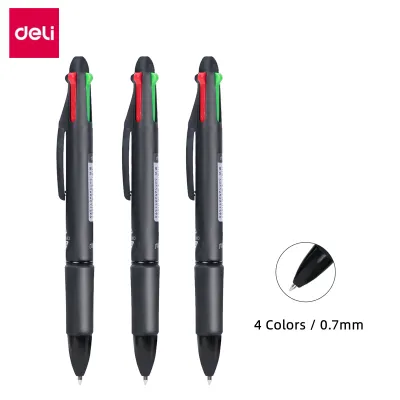
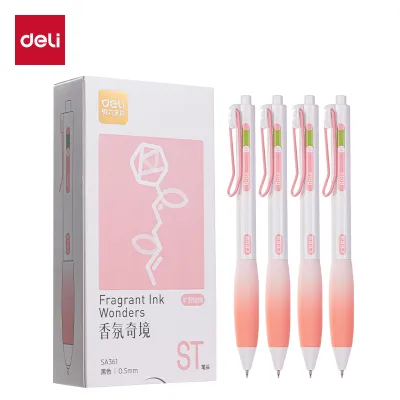
Prices are valid at publication and may change. Please refer to the product page for the latest price.
Furthermore, prioritizing manufacturer-direct specifications over informal user reviews or third-party marketing copy is essential for verifying technical details. Specifications such as exact dimensions, weight distribution, and ink composition are standardized by the factory. Checking these official details ensures that you do not purchase a variant expecting a specific feature—such as a rubberized grip or a particular ink flow rate—only to find that the model you received was designed differently.
Key Specifications to Compare Across Variants
Evaluating a writing instrument requires looking at concrete, observable metrics. The first and most visible specification to compare is the tip size and the resulting line width. Stageek ballpens generally come in standard millimeter markings, such as 0.5mm (fine), 0.7mm (medium), and sometimes 1.0mm (bold). You can usually find this measurement printed on the pen tip protector, the barrel, or the retail packaging. A 0.5mm tip is highly suited for precise, compact writing or detailed marginalia, as it deposits less ink and produces a crisp, thin line. Conversely, a 0.7mm or 1.0mm tip offers a broader, smoother stroke that is highly legible and excellent for signatures, though it consumes ink more rapidly and requires slightly more drying time.

The second critical specification is the ink type and its chemical properties. Ballpens typically utilize one of three primary ink formulations: traditional oil-based ink, gel ink, or liquid ink. You can identify the ink type by reading the product label or observing the ink’s behavior during a trial write. Oil-based ink is highly viscous, dries almost instantly, and offers excellent water resistance, making it highly reliable for everyday use in warm, humid tropical environments where paper might absorb moisture. Gel ink, which uses a water-based gel medium, provides a much smoother, more vibrant writing experience with minimal friction, but it has a longer drying time and may bleed through thin paper. Liquid ink flows very freely and mimics the feel of a fountain pen, but it requires high-quality, high-gsm paper to prevent feathering and bleed-through.
The third dimension to evaluate is the barrel design and overall ergonomics. A pen’s physical structure determines how comfortable it remains during prolonged use. When inspecting a Stageek variant, consider the weight of the pen, its center of gravity, and the grip texture. Some variants feature a lightweight plastic barrel with a contoured rubber grip, which helps reduce finger fatigue and prevents slipping when writing in warm weather. Other models may feature a sleek, metallic or matte-finished barrel that offers a heavier, more balanced feel in the hand. A front-heavy pen often assists in maintaining consistent pressure without requiring you to grip the barrel too tightly, whereas a back-heavy pen might cause hand strain during long writing sessions.
Matching the Pen to Your Writing Tasks
Once you understand the technical specifications, you can map these features to your specific daily writing activities. For extended note-taking, journaling, or academic lectures, your primary focus should be on ergonomics and smooth ink flow. During long writing sessions, hand fatigue can quickly set in if the pen requires excessive downward pressure or has an uncomfortable grip. For these tasks, a variant with a cushioned, non-slip grip and a smooth gel ink formulation is highly advantageous. The low friction of gel ink allows the pen to glide effortlessly across the page, while a balanced, lightweight barrel ensures that your hand remains comfortable even after hours of writing.
For official documents, legal contracts, and signatures, the requirements shift toward legibility, permanence, and professional presentation. When signing official receipts, barangay certificates, or financial documents where transactions are recorded in Philippine Pesos (‛), you need an ink that is highly resistant to water, fading, and tampering. For these applications, select a Stageek variant with a bold tip size (such as 0.7mm or 1.0mm) and a documented water-resistant oil-based or specialized archival gel ink. The bolder tip ensures that your signature is distinct and authoritative, while the permanent ink properties protect the document from accidental spills or environmental moisture over time.
For detailed sketching, marginalia, or writing in compact planners and diaries, precision is the most critical factor. If you are writing in tight spaces, such as the small grid lines of a personal organizer or the margins of a textbook, a broad pen will cause the letters to run together and become illegible. In this scenario, a fine 0.5mm tip variant is the optimal choice. The fine tip allows for maximum control, enabling you to write clear, legible characters in extremely confined spaces or draw precise, clean lines for diagrams and charts without the risk of ink pooling or spreading.
What to Check Before You Buy
Before finalizing your purchase, especially if you plan to buy in bulk for an office or school year, there are several practical checks you should perform to ensure compatibility and satisfaction. First, verify refill compatibility. A high-quality pen barrel can last for years, but only if you can easily source and install replacement cartridges. Check the manufacturer’s packaging or official product documentation to identify the exact refill standard required (such as standard G2 style, international short, or proprietary brand-specific refills). Purchasing a pen without confirming that its specific refill model is readily available in local stationery shops or online marketplaces can render the pen useless once the initial ink supply runs out.
Second, perform a thorough seller and product verification. When purchasing through online marketplaces, compare the listed specifications, model numbers, and product images against the official Stageek catalog. Be cautious of listings that use generic titles, lack detailed technical specifications, or offer prices that seem unrealistically low compared to authorized distributors. Verifying that the seller is an authorized dealer or a highly rated stationery specialist helps protect you from purchasing counterfeit products that may suffer from poor ink flow, leaking barrels, or fragile click mechanisms.
Third, whenever possible, conduct a physical test write before buying. Visiting a physical stationery store allows you to hold the pen, feel its weight distribution, and test the ink smoothness on actual paper. During a test write, observe how quickly the ink dries, whether the line remains consistent without skipping, and if the grip fits comfortably in your hand. If you must purchase online without a physical test, consider buying a single unit first to evaluate its performance under your local environmental conditions—such as high humidity—before committing to a larger bulk order.
Frequently Asked Questions (FAQ)
Are Stageek ballpen refills universally compatible across all variants?
No, Stageek ballpen refills are not universally compatible across all variants in the product line. Refill compatibility is strictly determined by the physical dimensions of the pen barrel, the internal spring mechanism, and the specific ink delivery system of each model. For example, a refill designed for a slim retractable ballpoint pen will not fit into a wider capped gel pen model due to differences in length, diameter, and tip housing. To ensure you purchase the correct replacement, always unscrew your pen barrel, remove the existing cartridge, and check the exact model number or standard code printed on the side of the refill. Cross-reference this code with the manufacturer’s compatibility list before purchasing.
How can I prevent my Stageek ballpen ink from smudging?
Preventing ink smudging involves managing both the ink properties and your writing environment. First, check the product packaging to see if your specific Stageek variant features quick-drying or smudge-resistant ink, which is highly recommended for left-handed writers or humid climates. If your pen uses a slower-drying gel or liquid ink, you can minimize smudging by adjusting your writing hand’s angle to avoid dragging your palm across freshly written lines. Additionally, using high-quality, absorbent paper can help draw the ink into the fibers faster, reducing surface drying time. For critical documents or highly humid environments, keeping a sheet of clean blotting paper under your hand or pressing it gently over fresh writing will absorb excess ink and prevent accidental smears.
Community discussion
Share your experience or ask a question. Comments are reviewed before publication.