
Selecting the right paper is a fundamental step in ensuring your printed documents look professional, feel substantial, and survive the test of time. While standard A4 bond paper is the familiar workhorse of offices and classrooms, Worx specialty paper offers a range of weights, textures, and finishes designed for high-impact visual projects. Choosing between them is not merely a matter of price; it requires matching your specific printer technology, the purpose of your document, and even the environmental conditions of your workspace to the physical properties of the paper.
Understanding these differences helps prevent common printing frustrations, such as ink smudging, paper jams, and dull colors. By evaluating the material composition, weight, and compatibility of each option, you can optimize your printing workflow and achieve the exact aesthetic and structural results your project demands.
Core Material and Structural Differences
The primary distinction between standard A4 bond paper and specialty paper lies in their base composition and manufacturing processes. Standard bond paper is typically made from uncoated wood pulp. This results in a slightly porous surface that is highly efficient at absorbing standard inks quickly, making it ideal for high-speed, double-sided text printing. However, because it lacks a specialized coating, the fibers can allow liquid ink to spread slightly, which may reduce the sharpness of highly detailed graphics.
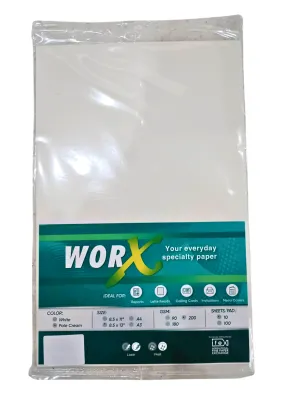
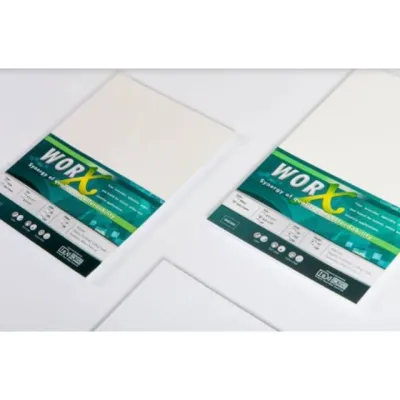
Products mentioned in this guide
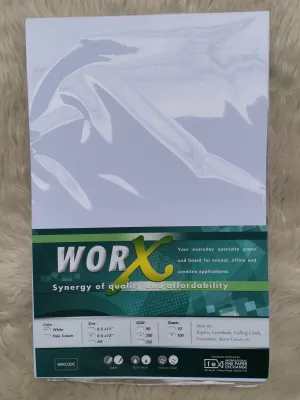
107 Lazada user ratings
Excellent for crafts and DIY, Professional-grade paper,.
Manipis po sya compare sa worx n nbibili ko n by 10..😔😔😔
Professional-grade paper, High-quality paper sheets,
Impressive color options, High-quality paper sheets,
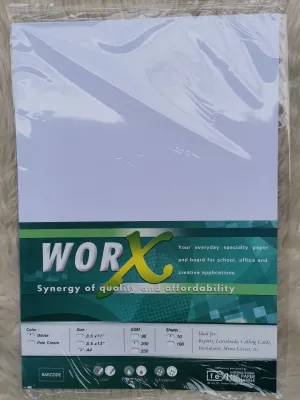
63 Lazada user ratings
Versatile and reliable specialty paper., Ideal for creating professional documents., Ideal for creating professional documents., The pale cr…Read full reviewShow less
Versatile and reliable specialty paper., Ideal for creating professional documents., Ideal for creating professional documents., The pale cream color is so unique., Perfect weight for various projects., Great for scrapbooking and card-making., Impressive 200gsm thickness.,
Great quality paper!, Durable and long-lasting., Highly recommended for art enthusiasts., Excellent for printing and drawing., Impressive 20…Read full reviewShow less
Great quality paper!, Durable and long-lasting., Highly recommended for art enthusiasts., Excellent for printing and drawing., Impressive 200gsm thickness., The pale cream color is so unique., Perfect weight for various projects., Versatile and reliable specialty paper.,
Excellent for printing and drawing., Makes my artwork stand out., Makes my artwork stand out., Versatile and reliable specialty paper., Thic…Read full reviewShow less
Excellent for printing and drawing., Makes my artwork stand out., Makes my artwork stand out., Versatile and reliable specialty paper., Thick and sturdy sheets., Thick and sturdy sheets., Impressed with the overall quality.,
Nag try ako kung legit 😅.. Super bilis dumating ng order ko.. Mag oorder ulit ako for sure.. The store will be on my List of Suppliers
Kumpleto naman lahat ng orders. No damage. Sa uulitin! Thank you!
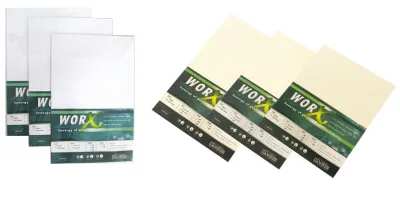
355 Lazada user ratings
item received within the delivery date. and so far its quality just deserved with the price. will order again. happy with how fast its been …Read full reviewShow less
item received within the delivery date. and so far its quality just deserved with the price. will order again. happy with how fast its been delivered.
orders are complete. package is packed safely and securely... sana may sales invoice! maayos ang pagkakasalansan ng things
Quality:Perfect for official documents, Great for awards and recognition, Excellent for certificates and diplomas,
guys dito na kau umorder...superior quality mga items nilA...thankzzzzzzzzz...thankzzzz,,10starrrrrr
good quality , affordable price. best of the best. sulit ang bili. I'll buy more. best pang gift
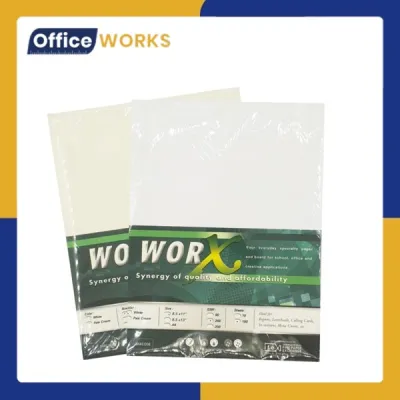
170 Lazada user ratings
bcv jcykfrvhivigyvo o bhucicyi give me tu latta ni no Kuni you want to do that you have to do is the real answer the 🤙🏼 call ug ug yuccguy g …Read full reviewShow less
bcv jcykfrvhivigyvo o bhucicyi give me tu latta ni no Kuni you want to do that you have to do is the real answer the 🤙🏼 call ug ug yuccguy g I hii vibiv. igh oo h hig I guuf. tug Yu ub hij iu vyv
Durable and long-lasting., Great for art projects., Ideal for professional use., Impressive thickness and weight.,
Durable and long-lasting., Smooth and clean finish., Perfect for printing and crafting.
75 Lazada user ratings
Smooth texture for a premium feel, High-quality certificate paper, Excellent print quality,
Smooth texture for a premium feel, Versatile for various uses, Excellent print quality,
super satisfied customer po.lahat Ng items ay magaganda.thank you tlga
Smooth texture for a premium feel, Versatile for various uses,
ok nman sya kaya lang mali lang napipili ko
Prices are valid at publication and may change. Please refer to the product page for the latest price.
In contrast, specialty papers, such as those in the Worx product line, are engineered with treated, coated, or textured surfaces. These treatments are designed to keep ink or toner closer to the surface rather than letting it sink deep into the fibers. This structural difference allows for much higher detail retention, richer color saturation, and a more controlled interaction between the printing medium and the paper surface.
Weight and thickness are also key structural differentiators. Standard A4 bond paper generally ranges from 70 gsm to 80 gsm (grams per square meter). This lightweight profile ensures that sheets can feed rapidly through high-volume office copiers without causing mechanical strain. Specialty papers are significantly heavier, often starting at 90 gsm and extending up to 200 gsm or more. This added weight gives the paper a stiff, premium feel, making it feel more like cardstock than standard office paper.
Surface finishes further set these two categories apart. Standard bond paper features a uniform, non-reflective matte finish. Specialty papers offer a diverse palette of finishes, including ultra-smooth matte, high-gloss, satin, and distinct tactile textures like linen or woven patterns. These finishes physically alter how light reflects off the printed page and how the document feels when handled, allowing you to choose a texture that complements the tone of your project.
Print Quality and Printer Compatibility
Achieving excellent print quality requires matching your paper type to your specific printer technology. Inkjet printers use liquid ink droplets to form images and text. When printing on standard bond paper, the porous fibers absorb the liquid quickly, which can sometimes lead to “feathering”—where the edges of text look slightly fuzzy—or “show-through” on the back of the page. Specialty papers designed for inkjet use often feature a quick-dry receiver coating that locks the liquid ink in place instantly, preventing smudges and ensuring sharp, clean lines.

Laser printers, on the other hand, use static electricity, heat, and pressure to fuse dry toner powder onto the paper. This process subjects the paper to high temperatures inside the fuser unit. Standard bond paper handles this heat exceptionally well. However, some specialty papers with glossy or synthetic coatings are highly sensitive to heat. Running an incompatible glossy specialty paper through a laser printer can cause the coating to melt onto the fuser rollers, leading to severe printer damage. Always verify that any coated specialty paper is explicitly rated for laser printer compatibility before use.
Color vibrancy and text sharpness are highly dependent on these material interactions. Because specialty paper coatings prevent ink from sinking deep into the paper fibers, colors appear much more vibrant and true to life. To verify how your specific printer performs with either paper type, run a simple test print featuring a color gradient and fine black text. Observe the drying speed, check for any bleeding along the edges of the text, and hold the page up to the light to evaluate the level of show-through.
Practical Use Cases for Each Paper Type
Standard A4 bond paper is best suited for high-volume, everyday tasks where utility and cost-efficiency are the primary goals. It is the standard choice for printing office memos, school worksheets, draft documents, receipts, and daily reading materials. Because it is lightweight and feeds smoothly, it is also the ideal medium for high-speed photocopying and multi-page reports that will be bound or stapled together.
Worx specialty paper is designed for situations where the presentation, durability, and tactile feel of the document directly influence its value. Common applications include printing official certificates, diplomas, business cards, and corporate invitations. The heavier weight and refined texture of specialty paper immediately signal importance and quality to the recipient.
Beyond official documents, specialty paper is highly valued for marketing materials, restaurant menus, and creative crafts. If you are printing promotional flyers, brochures, or product labels, a smooth or glossy specialty paper will make your graphics and product photos stand out. For hobbyists and crafters, the structural rigidity of higher-gsm specialty paper provides the necessary support for paper models, scrapbooking, and customized greeting cards.
How to Verify Specifications Before Purchasing
To avoid purchasing incompatible paper, it is essential to read and interpret the specifications listed on the product packaging. The most prominent metric to look for is the gsm rating. Ensure the weight matches your project needs: 70 to 80 gsm for standard text documents, 90 to 120 gsm for premium letterheads or double-sided reports, and 180 gsm or higher for cards, certificates, and heavy crafts.
Next, locate the printer compatibility icons on the wrapper. Manufacturers typically print small symbols representing an inkjet nozzle, a laser printer toner cartridge, or a universal symbol indicating compatibility with both. If your home or office relies solely on a laser printer, double-check that the specialty paper packaging explicitly states it is safe for laser use to prevent melting hazards.
Finally, look for specialized performance claims on the label. If you are printing documents that need to be preserved for decades, such as legal contracts or historical records, check for the term “acid-free” or “archival quality.” Acid-free paper resists yellowing and crumbling over time. For projects that may be handled with damp hands or exposed to high humidity, look for quick-dry or water-resistant surface claims, and verify these features with a small spot test before committing to a large print run.
Cost and Value Considerations
When budgeting for printing supplies, it is helpful to compare the per-sheet cost of standard reams against specialty packs. Standard A4 bond paper is highly economical, typically sold in bulk reams of 500 sheets, which keeps the cost per sheet in ₱ extremely low. This makes it the only practical choice for daily, high-volume printing where minimizing operational expenses is critical.
Specialty paper is sold in much smaller quantities, often in packs of 10, 20, or 50 sheets, resulting in a significantly higher cost per sheet in ₱. However, using standard paper for high-ink projects can introduce hidden costs. Attempting to print full-color photos or detailed marketing layouts on standard bond paper often results in warped, oversaturated sheets that must be discarded, leading to wasted ink, toner, and time.
To maximize value, adopt a dual-paper strategy. Maintain a steady supply of bulk standard A4 bond paper for your daily administrative drafts, internal notes, and high-volume text documents. Reserve your specialty paper packs for targeted, client-facing, or creative projects where the visual impact and premium feel justify the higher per-sheet investment.
Decision Framework: Which Paper Should You Choose?
To finalize your purchasing decision, consider the following conditional guidelines based on your specific printing goals:
- Choose Standard A4 Bond Paper if: You are printing high-volume, text-heavy documents, everyday office forms, school homework drafts, or internal memos where cost-efficiency, rapid printing, and standard document thickness are your primary requirements.
- Choose Worx Specialty Paper if: Your project requires strong visual appeal, vibrant color reproduction, a premium tactile feel, or structural rigidity. This includes certificates, invitations, menus, marketing brochures, and creative paper crafts.
- Verify first if: Your printer's feed mechanism and fuser unit can safely handle the weight and coating of your chosen specialty paper. Always consult your printer's user manual to check the maximum supported paper weight (gsm) and recommended tray settings before printing on thick cardstock.
Frequently Asked Questions (FAQ)
Can I use specialty paper in a standard office printer?
Yes, most standard office printers can handle specialty paper, but you must verify the printer’s maximum paper weight capacity first. Standard paper trays are optimized for lighter weights, so feeding very thick specialty paper (such as 200 gsm and above) through the main tray can cause misfeeds or paper jams. To ensure smooth feeding, use your printer’s manual feed slot or bypass tray, which provides a straighter path through the printer rollers and reduces the risk of bending or jamming.
How should I store specialty paper to maintain its quality?
In humid tropical environments, paper easily absorbs moisture from the air, which can cause the sheets to curl, misfeed in the printer, or cause ink to bleed during printing. To preserve its quality, keep your specialty paper in its original packaging and seal it tightly after opening. Store the package flat on a level surface in a cool, dry place, away from direct sunlight, damp walls, or concrete floors. Only remove the specific number of sheets you plan to print immediately, leaving the rest protected from environmental humidity.
Community discussion
Share your experience or ask a question. Comments are reviewed before publication.