
Selecting the right notebook in the Philippines requires balancing paper performance, binding durability, and overall cost. Stradmore is a highly visible and accessible brand across local stationery shelves, positioning itself as a practical, budget-friendly option for everyday school and office tasks. However, whether it is the ideal choice for your desk depends entirely on your specific writing tools, daily workflow, and budget. While Stradmore excels at handling standard ballpoint pens and everyday note-taking, users who rely on wet inks, fountain pens, or require archival-grade paper for professional presentations may need to look toward premium or specialized alternatives. There is no single universal winner; instead, the best notebook is the one that matches your preferred writing instrument and survives the daily commute.
What to Expect from Stradmore Notebooks
Stradmore notebooks are designed primarily for high-volume, everyday writing tasks. In local stationery stores, you will typically find them in several common formats, including spiral-bound notebooks, classic composition books, and loose-leaf filler paper designed for multi-ring binders. These products generally feature standard paper weights optimized for ballpoint pens, fine-tip gel pens, and pencils. The ruling is usually clean and consistent, providing clear guides for neat handwriting without being overly dark or distracting.
Because paper specifications can vary across different product lines, it is essential to check the product label before making a purchase. Look closely at the packaging for the exact page count, paper weight measured in grams per square meter (GSM), and physical dimensions. In the humid tropical climate of the Philippines, paper naturally absorbs moisture from the air over time. This environmental factor makes checking the GSM even more critical, as thinner paper is more susceptible to ink feathering and bleeding when exposed to high humidity. Knowing these baseline specifications helps you set realistic expectations for how the paper will perform under daily writing conditions.
Products mentioned in this guide
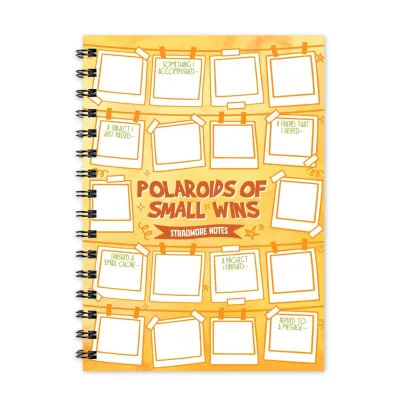
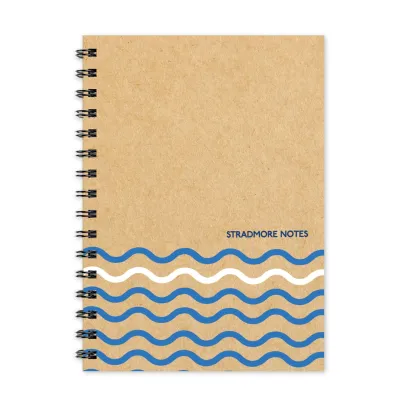
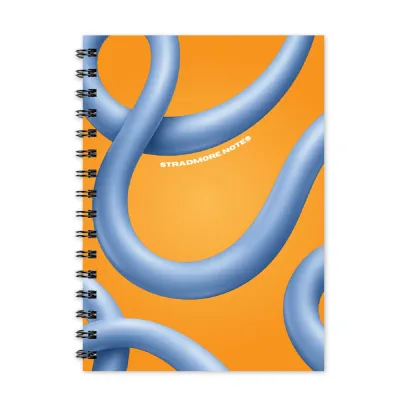
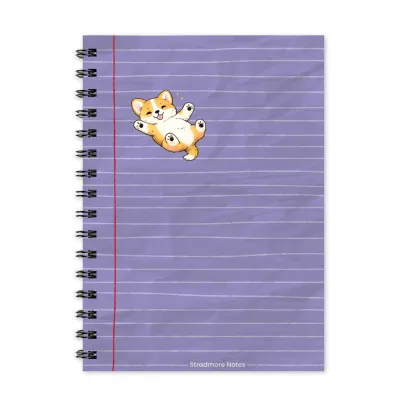
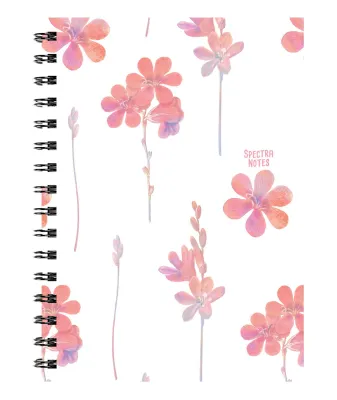

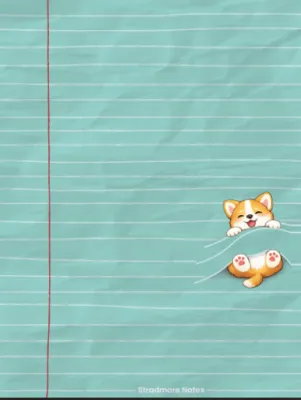
Prices are valid at publication and may change. Please refer to the product page for the latest price.
Key Dimensions for Comparing Notebook Brands
To find a notebook that fits your workflow, you must evaluate how different brands handle paper quality, structural design, and page layouts. Comparing these key dimensions ensures you do not end up with a notebook that frustrates you during a busy lecture or an important meeting.

Paper Quality, Weight, and Ink Compatibility
The weight of the paper, indicated by its GSM rating, is the most reliable predictor of how well a notebook will handle your favorite pens. Standard utility notebooks often range from 50 to 70 GSM, which is perfectly adequate for dry ballpoint pens but may struggle with heavy gel inks. If you prefer using liquid ink rollers or fountain pens, you should look for notebooks with 80 GSM or higher to prevent ghosting—where writing is visible on the reverse side—and actual ink bleed-through.
Beyond weight, the texture and color of the paper significantly impact your writing experience. Bright white paper offers high contrast but can cause eye strain under bright fluorescent classroom or office lights. Cream or ivory-colored paper is generally gentler on the eyes during long study sessions. To ensure compatibility, always perform a quick ink test on a single back page of a new notebook before committing to a bulk purchase for the school year or fiscal quarter.
Binding Types and Long-Term Durability
How a notebook is bound determines how easily it opens, how flat it lies, and how well it survives being stuffed into a crowded backpack. Spiral or wire-o binding is highly popular because it allows the notebook to fold back on itself 360 degrees, saving precious desk space in cramped lecture halls or coffee shops. However, cheap wire coils can easily bend out of shape, and the pages can tear away from the spiral if handled roughly.
In contrast, perfect-bound or stitched spines offer a cleaner, more professional appearance and prevent pages from detaching easily. The trade-off is that these notebooks often require some breaking-in to lie completely flat. Additionally, consider the cover material: flexible plastic or polypropylene covers offer excellent protection against sweat, humidity, and accidental water spills during the rainy season, whereas basic cardstock covers tend to fray and bend at the corners over time.
Size, Ruling, and Layout Options
Notebook sizes dictate both portability and writing area, so choosing the right format is essential for your daily routine. Standard A4 notebooks provide ample space for detailed diagrams and extensive notes but require a larger bag. A5 notebooks are highly portable and fit easily into small messenger bags or totes, making them ideal for quick journaling or meeting minutes. The B5 size sits comfortably in the middle, offering a balanced compromise for students who need to write extensively but want to travel light.
The ruling style should also align with your primary tasks. College rule is excellent for dense, structured text, while wide rule accommodates larger handwriting. Grid and dotted layouts are the preferred choices for technical drawings, mathematical equations, and bullet journaling, as they provide subtle alignment guides without the clutter of solid lines. If you plan to use the notebook inside a binder, verify the margin lines and ensure any pre-punched holes align correctly with your binder’s ring configuration.
Evaluating Value: Price vs. Everyday Performance
When comparing notebook brands, looking solely at the retail price can be misleading. A more accurate way to assess value is to calculate the cost per page. To do this, take the retail price in ₱ and divide it by the total number of usable pages or sheets. A notebook priced at ₱120 with 80 sheets may actually offer better long-term value than a ₱90 notebook that only contains 40 sheets of lower-quality paper.
Understanding when to invest in a premium notebook versus when to stick with a standard utility brand will save you money. For daily brainstorming, rough drafts, and high-volume lecture notes, standard brands like Stradmore offer excellent cost efficiency. There is little reason to use expensive, high-GSM paper for notes you may only refer to once. On the other hand, investing in a premium notebook is highly justified for personal journals, professional client meetings, or archival records where paper longevity and cover durability are paramount. To maximize your budget, look for multi-pack options or school-supply bundles on e-commerce platforms and local bookstores, especially during promotional seasons.
Decision Framework: Which Brand Should You Choose?
To simplify your final decision, use this straightforward framework based on your primary writing needs and budget:
- Choose Stradmore if: You need highly affordable, readily available notebooks for daily school lectures, office brainstorming, or high-volume writing. It is the ideal workhorse brand for students and professionals who primarily use standard ballpoint pens or fine gel pens and need to purchase multiple notebooks without breaking the bank.
- Choose Premium or Specialty Brands if: You are a fountain pen enthusiast, use heavy ink markers, or practice calligraphy. These activities require thick, coated paper (typically 100 GSM or higher) that resists feathering and bleeding. You should also opt for premium brands if you need archival-grade bindings and elegant hardcovers for long-term journaling.
- Choose Mid-Tier Alternatives if: You want a balance of enhanced cover durability—such as thick, water-resistant plastic covers—and slightly smoother paper, but you are not willing to pay the high prices associated with luxury stationery brands.
- Verify first if: You use specialized ink types, such as quick-drying left-handed gel pens, or if your work requires the notebook to lay completely flat on a drafting table. In these cases, testing a single unit is always recommended before buying in bulk.
Where to Buy and What to Verify Before Checkout
You can find Stradmore and competing notebook brands across a variety of retail channels in the Philippines. Local physical bookstores and department stores allow you to feel the paper texture and inspect the binding quality in person before spending your money. If you prefer the convenience of online shopping, brand official stores and reputable sellers on major e-commerce platforms offer a wider selection of sizes and ruling styles, often accompanied by bulk discounts.
When shopping online, always check the seller’s ratings and read recent customer reviews. Look specifically for feedback regarding packaging quality, as notebooks can easily suffer bent corners or water damage during transit. Pay attention to any complaints about misaligned ruling lines, missing pages, or loose bindings. Once your order arrives, take a moment to inspect the notebook physically. Check that the spine is intact, the pages are cut cleanly, and the ruling matches your ordered specifications before you begin writing.
Frequently Asked Questions (FAQ)
How can I test if a notebook's paper will bleed through with my pens?
To test for ink bleed-through without ruining your new notebook, turn to the very last page or use a dedicated index page at the back. Write a few sample lines using your most ink-heavy pens, applying normal writing pressure. Allow the ink to dry completely, as some wet inks may only bleed or shadow once fully absorbed. Flip the page to inspect the reverse side; if you see distinct ink spots coming through, the paper is bleeding. If you only see a faint shadow of the text, the paper is ghosting, which is generally acceptable for single-sided writing. If you cannot test the notebook physically before buying, check the packaging for a stated weight of 80 GSM or higher, which typically indicates better resistance to bleeding.
Are loose-leaf notebooks better than bound notebooks for students?
Whether loose-leaf or bound notebooks are better depends on your organizational style and study habits. Loose-leaf systems offer unmatched flexibility, allowing you to add, remove, and rearrange pages as your course progresses, or integrate handouts directly into your notes. This modular approach is excellent for complex subjects that require constant updating. However, loose-leaf binders are bulky to carry and the page holes can tear over time. Bound notebooks, on the other hand, provide superior structural integrity, keep your notes in a strict chronological order, and are much easier to slip into a crowded bag. Many students find success using a hybrid approach: using bound notebooks for daily lectures and transferring key summaries to a centralized loose-leaf binder at home.

Community discussion
Share your experience or ask a question. Comments are reviewed before publication.