
Choosing between a string binder and a ring binder depends on how often you need to touch, edit, or move your documents. If you are compiling records that must remain untouched and secure for years, the string binder is your best choice. If you are actively updating notes, swapping out sheets, or organizing daily projects, the ring binder offers the flexibility you need.
String binders rely on a system of metal prongs and lacing strings to clamp pages tightly together. This creates a highly secure, compressed block of paper that resists tampering and accidental disassembly. In contrast, ring binders utilize snapping metal or plastic rings that open and close with a spring mechanism, allowing individual sheets to slide freely along the circular track.
Both systems require pre-punched paper, but their alignment needs differ. String binders often require precise hole alignment and generous inner margins, as the tight clamping mechanism can obscure text printed too close to the edge. Ring binders are more forgiving with margin space because the pages swing freely around the rings, but you must still verify that your paper size matches the ring spacing of your specific binder model.
Products mentioned in this guide
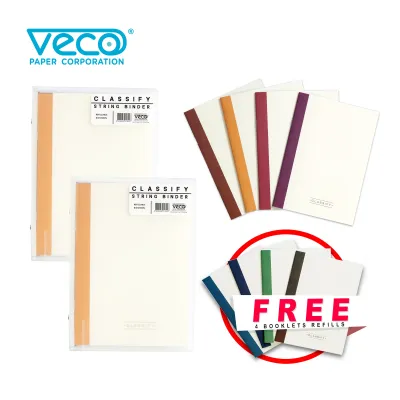
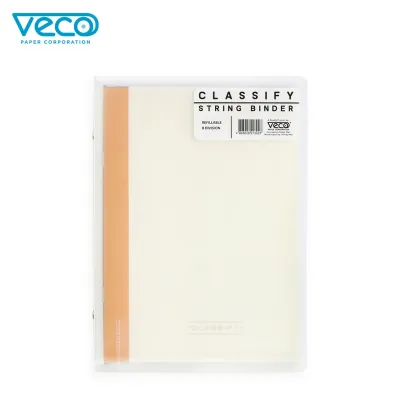

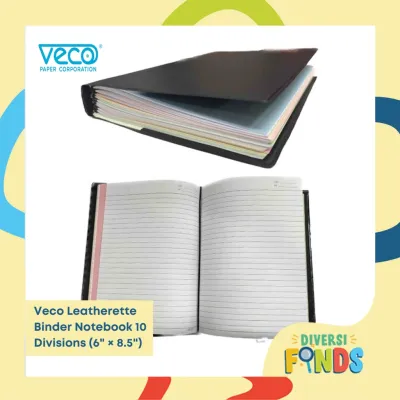
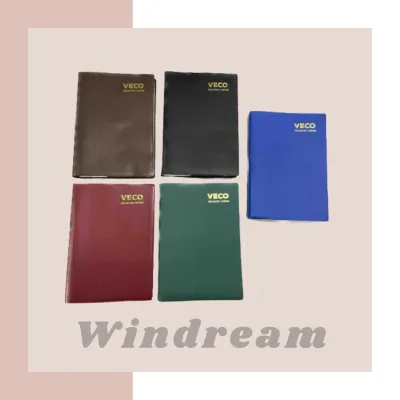
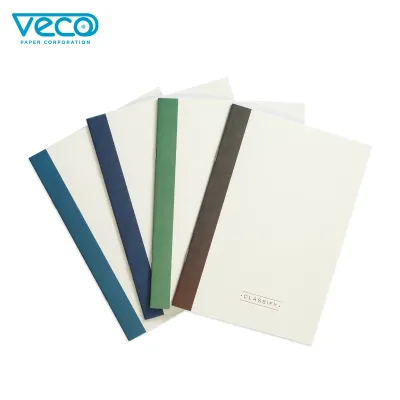
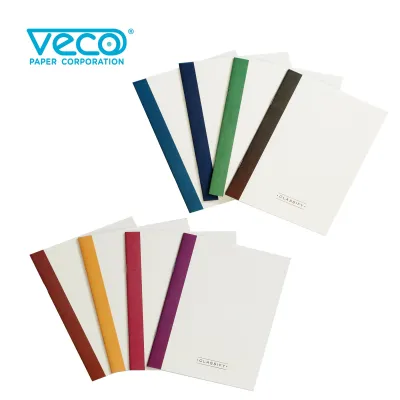
Prices are valid at publication and may change. Please refer to the product page for the latest price.
Evaluating Your Storage and Access Needs
To find the right organizer, you must look closely at your daily workflow. The two primary criteria that should guide your decision are how often you need to access individual pages and how far you plan to carry the binder. Balancing these factors ensures your documents remain both usable and intact.
Frequency of Access and Page Management
Ring binders excel in environments where information changes rapidly. If you are a student taking daily lecture notes or a project manager updating weekly schedules, the ability to snap open the rings and insert a single sheet of paper is invaluable. You can rearrange sections, add dividers, and remove outdated drafts in seconds without disturbing the rest of your document stack.
String binders, however, are designed for static documents. Unbinding a string binder requires unlacing the cord, releasing the compressor bar, and carefully lifting off every page preceding the one you wish to change. This deliberate process makes string binders highly inefficient for daily updates, but exceptionally secure for completed archives where pages must never go missing.
Reading comfort also differs significantly between the two styles. Ring binders allow pages to lie completely flat when open, making it easy to read or write on both sides of the sheet. String binders clamp the spine tightly, which can cause the pages to curve inward near the binding; this creates spine stress during extended reading sessions and requires you to hold the pages down manually.
Portability and Daily Carry
When it comes to commuting, the physical build of your binder affects both your comfort and the safety of your papers. Ring binders tend to be bulkier and heavier due to their built-in metal ring mechanisms and rigid cardboard or plastic covers. This extra weight can quickly add up if you carry multiple binders in a backpack or briefcase during a daily commute.
String binders are generally lighter and more compact because they lack heavy metal ring hardware. Their covers are often made of flexible pressboard or lightweight plastic, allowing them to slip easily into slim bags. However, because the spine of a string binder is flexible, it may not offer the same level of corner protection as a rigid ring binder, leaving your page edges vulnerable to bending if packed tightly.
Transporting these organizers also introduces different structural risks. In a ring binder, a sudden drop or heavy impact can cause the rings to snap open, scattering your pages, or misaligning the rings so they no longer close cleanly. String binders are highly secure against accidental opening because the laced cord is tied tightly, but you must regularly check that the string has not loosened or frayed during transit. In tropical climates with high humidity, paper can soften, making the punched holes more susceptible to tearing if the binder is jostled excessively.
Capacity, Durability, and Maintenance Checks
Before purchasing any binder, you must verify its physical limits and material durability to ensure it can handle your document volume. Sheet capacity is determined by the physical dimensions of the binding hardware. For ring binders, capacity is dictated by the ring diameter and the ring shape, with D-rings generally holding more paper than standard round rings. For string binders, capacity depends on the length of the metal prongs and the lacing cord, which can often expand to accommodate incredibly thick stacks of paper.

Maintaining a ring binder requires regular inspection of the opening and closing mechanism. Over time, the spring tension can weaken, or the rings can become misaligned, leaving a small gap where pages can catch and tear. You should test the alignment by opening and closing the rings several times; if they do not meet perfectly, the binder may need replacement to prevent paper damage.
String binders require a different set of maintenance checks. Because they rely on physical tension, you must inspect the lacing cord for signs of fraying or wear, especially at the points where it contacts the sharp edges of metal prongs. In humid environments, metal prongs are also susceptible to rust, which can stain your documents and weaken the binding structure over time. Choosing binders with coated or rust-resistant prongs can help mitigate this issue.
Always read the manufacturer’s labels and product packaging for exact sheet capacity limits and care instructions. Avoid overloading any binder beyond its rated capacity, as this puts excessive stress on the binding mechanism and increases the risk of tearing your documents. If you are unsure of a binder’s capacity, it is best to perform a manual check with a small stack of your target paper before committing to a full archival project.
Decision Framework: Which Binder Fits Your Workflow?
To make your final decision, match your specific document types and daily habits to the strengths of each binder. A string binder is the ideal choice if you are archiving legal documents, storing thick academic transcripts, or organizing tax records that must remain secure and tamper-evident. The tight, semi-permanent clamp ensures that pages stay in their exact chronological order without risk of falling out.
Conversely, you should choose a ring binder if you are managing daily class notes, organizing active project drafts, or compiling reference manuals that require frequent page updates and index dividers. The ease of opening the rings makes it simple to adapt the binder to your changing needs throughout the school year or fiscal quarter.
Before buying, always verify your paper specifications. If you are dealing with non-standard paper sizes, unusually thick cardstock, or specialized pre-punched media, check that the hole spacing matches the binder’s prongs or rings perfectly. Standard three-hole or two-hole punches may not align with specialized archival string binders, requiring you to purchase a compatible adjustable hole punch.
Finally, evaluate the price-to-capacity value when shopping at local office supply retailers. While basic ring binders are widely available and affordable, premium heavy-duty models can represent a higher upfront investment. String binders often offer a highly cost-effective solution for high-volume storage, allowing you to archive hundreds of pages securely for a reasonable price in ₱. Compare the cost per stored sheet to determine which option fits both your organizational needs and your budget.
Frequently Asked Questions (FAQ)
Can I use standard hole-punched paper in a string binder?
Yes, you can generally use standard hole-punched paper in a string binder, but you must verify the hole spacing and diameter first. Standard office paper in the Philippines often uses a two-hole or three-hole punch configuration. Many string binders feature adjustable prongs or flexible spacing designed to accommodate these standard layouts, but some specialized archival models may require unique spacing. Always check the binder’s product specifications against your hole punch tool to ensure a clean fit without tearing the paper edges.
Do ring binders damage paper over time?
Ring binders can damage paper over time if they are overfilled or handled roughly. When a binder is packed beyond its rated capacity, the pages cannot slide smoothly along the rings, leading to edge tearing and hole elongation. To prevent this damage, respect the manufacturer’s sheet limits and avoid forcing pages to turn. For frequently accessed documents, consider using self-adhesive reinforced hole patches to strengthen the paper around the punched holes and prevent tears.
Are there hybrid options that combine both mechanisms?
Yes, the stationery market offers hybrid binding systems, such as flex-ring binders or prong fasteners with compressor bars, which attempt to bridge the gap between security and flexibility. These hybrid options often use flexible plastic rings or semi-rigid prongs that allow for easier page updates than a traditional string binder while maintaining a slimmer profile than a standard metal ring binder. Consider these alternatives if you have mixed storage needs, such as a project that requires monthly updates but must still remain compact for travel.

Community discussion
Share your experience or ask a question. Comments are reviewed before publication.