
Storing heavy textbooks, thick reference manuals, and bulky binders in the Philippines presents unique challenges. The combination of high relative humidity and limited desk space means that standard, flimsy organizers often fail quickly. When paper absorbs moisture from the tropical air, books actually become slightly heavier and their pages more pliable, which increases the lateral pressure they exert on bookends and file holders. Choosing a robust “lagayan ng libro makapal” (thick book organizer) requires looking beyond aesthetics to evaluate structural integrity, material composition, and load-bearing designs that can withstand daily use without buckling or tipping.
How to Evaluate Storage Solutions for Thick Books
Accurate measurement is the first step in selecting a reliable storage solution. Before browsing online marketplaces or visiting local stationery stores, compile your thickest and heaviest volumes—such as law codices, medical atlases, or thick ring binders. Measure the spine thickness, the overall height, and the depth of these books. A common mistake is purchasing an organizer with compartments that are too narrow, forcing you to wedge books in tightly, which damages the covers and strains the organizer’s joints.
Depth and height compatibility are equally critical for maintaining a stable center of gravity. If a book organizer is too shallow, a thick book will overhang, shifting the weight forward and increasing the risk of the entire unit tipping over. Ensure that the depth of the organizer’s shelves or compartments supports at least eighty percent of the book’s footprint. For tall volumes, the vertical support of the organizer should reach at least two-thirds of the book’s height to prevent the top-heavy pages from bending outward.
Products mentioned in this guide
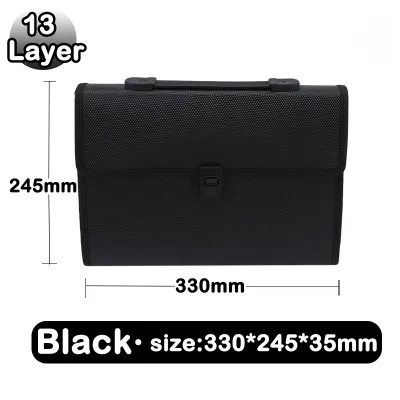
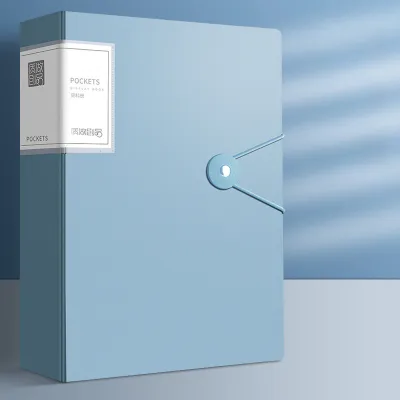
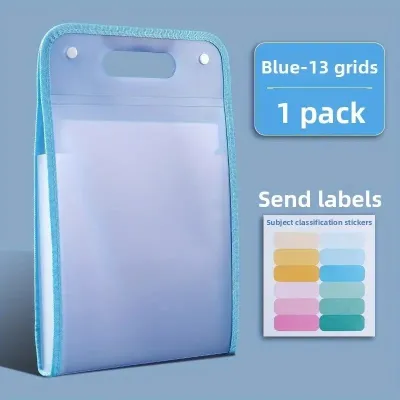
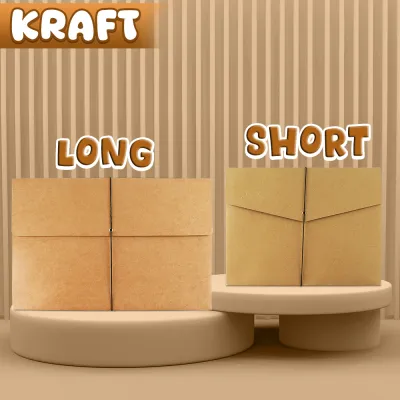
Prices are valid at publication and may change. Please refer to the product page for the latest price.
Material selection directly dictates how well an organizer handles heavy loads over time. Metal organizers, particularly those made of thick steel or iron mesh, offer exceptional rigidity and are virtually immune to bending under the weight of heavy textbooks. However, in the humid Philippine climate, it is vital to verify that metal units feature a rust-resistant powder coating or epoxy finish to prevent corrosion.
High-density plastics, such as polypropylene or impact-resistant polymers, serve as excellent alternatives to metal. Unlike cheap, brittle plastics that crack under pressure, high-density polymers flex slightly to absorb stress without breaking and are completely unaffected by ambient humidity. When evaluating plastic organizers, look for thick walls and molded reinforcing ribs along the base and sides, which provide structural stiffness without adding excessive weight.
Reinforced wood and engineered wood products, such as medium-density fiberboard (MDF), offer a classic aesthetic but require careful inspection. Unsealed MDF can absorb moisture from the air, leading to swelling, warping, and a significant reduction in load-bearing capacity. If you prefer wood, ensure all surfaces, edges, and joint areas are fully sealed with a water-resistant laminate or varnish to protect the material from tropical humidity.
Types of Organizers Suitable for Bulky Books and Files
Desktop bookends and angled file organizers are the most convenient options for active study spaces and offices where quick access is a priority. Traditional L-shaped metal bookends rely on the weight of the books themselves to stay in place, but for exceptionally thick volumes, you need heavy-duty, non-slip bases. Angled desk organizers, which hold books at a slight tilt, are particularly effective because they use gravity to slide the books backward against a solid support, reducing the lateral force exerted on the outer walls.

Multi-compartment file racks, often referred to as desk organizers or sorters, are ideal for separating thick binders and folders. When selecting these, look for models with adjustable dividers. Fixed-width dividers can be restrictive if you have a mix of thin notebooks and thick reference manuals, whereas adjustable slots allow you to customize the compartment width to match the exact thickness of your materials, maximizing space efficiency.
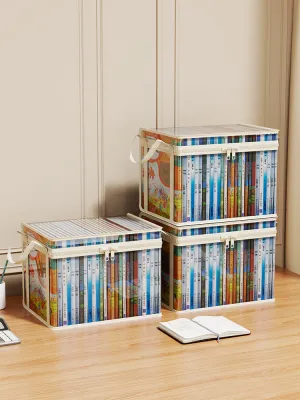
Stackable storage crates and heavy-duty plastic boxes are the preferred choice for archival storage or organizing books that are not used daily. Plastic crates with open grid designs are highly recommended for Philippine homes and offices because they promote continuous airflow around the books, reducing the risk of mold, mildew, and silverfish infestations. When stacking these crates, ensure they feature secure interlocking tabs on the corners to prevent the stack from shifting or collapsing.
Solid plastic storage boxes with gasket-sealed lids offer maximum protection against dust, insects, and accidental water exposure. However, because these boxes trap air inside, you should ensure that the books are completely dry before sealing them away. Placing a few silica gel packets inside each box can help absorb any residual moisture and protect sensitive paper pages from yellowing or deteriorating over time.
Rolling utility carts and multi-tier shelving units provide a mobile, high-capacity solution for large book collections. A three-tier metal rolling cart allows you to move heavy reference libraries between rooms easily, which is highly practical for shared study areas or collaborative office environments. When choosing a rolling cart, verify that the casters are made of durable materials like polyurethane and that at least two wheels feature reliable locking mechanisms to keep the cart stationary when in use.
Essential Features to Verify Before Purchasing
The structural integrity of any book organizer depends heavily on its joints and base construction. For molded plastic organizers, inspect the corners and joints for stress lines or thin spots; high-quality units will have reinforced, double-walled corners to distribute weight evenly. For fabric or canvas storage bins, look for double-stitched seams, heavy-duty rivets, and thick internal support panels made of plastic or dense fiberboard rather than flimsy cardboard.
Surface protection features are essential for preserving both your books and your furniture. Sharp metal edges or rough plastic seams can easily scratch wooden desks, tear book covers, or snag delicate paper pages. Choose organizers with rounded corners, smooth deburred edges, and protective padding—such as foam or rubber pads—on the underside of the base to prevent slipping and scratching.
Usability and organizational features can greatly enhance your daily workflow. Built-in label holders or card slots on the front of file organizers allow you to categorize your materials clearly without having to pull out each heavy volume to read the spine. Clear or semi-transparent plastic panels are also highly useful, as they provide a quick visual reference of the contents while keeping the books protected from dust.
Navigating Online Marketplaces and Local Stores
Finding the right heavy-duty organizer on e-commerce platforms requires using precise search terms to filter out lightweight, decorative items. Instead of searching for generic terms like “book holder,” try specific phrases such as “heavy-duty book stand,” “reinforced magazine file,” or the local search term “lagayan ng libro makapal.” These targeted keywords are more likely to surface products designed specifically for high-capacity, industrial, or academic use.
Customer reviews and uploaded photos are invaluable resources when shopping online. Pay close attention to reviews written by users who have loaded the organizers with heavy materials like law books or engineering manuals. Look for photos that show the product in actual use, and check for any mentions of sagging shelves, cracking plastic, or bent metal frames. If multiple reviews highlight structural failures under load, it is best to continue your search.
Before finalizing your purchase, carefully verify the physical dimensions and weight capacity listed in the product description, and cross-reference them with your measurements. Be cautious of listings that do not provide explicit dimensions or material specifications. Additionally, check the seller’s return and refund policies to ensure you are protected if the item arrives damaged or fails to meet the described quality standards. Comparing ₱ price ranges across different sellers can also help you identify genuine products and avoid overpriced or low-quality imitations.
Frequently Asked Questions (FAQ)
Can standard plastic desk organizers hold heavy textbooks?
Standard plastic desk organizers, typically made from thin, brittle polystyrene, are generally not suited for heavy textbooks. These materials lack the tensile strength required to support heavy, lateral loads, which often leads to bowing sides, base cracking, or joint separation at the corners. For heavy books, look for organizers made from high-density polyethylene (HDPE) or polypropylene, which are engineered to withstand significant stress and impact without fracturing.
How do I prevent tall book organizers from tipping over?
Preventing tall book organizers from tipping requires careful attention to weight distribution and physical stability. Always place your heaviest and thickest books on the bottom shelves or compartments to lower the overall center of gravity. Additionally, choose organizers with wide, stable bases, and consider using non-slip rubber pads underneath to prevent sliding. For tall, multi-tier shelving units, utilizing wall anchors, anti-tip kits, or furniture straps is highly recommended, especially in high-traffic areas or households with children.
Community discussion
Share your experience or ask a question. Comments are reviewed before publication.