
Choosing the right table calendar format comes down to how you interact with your schedule and how much physical desk space you can spare. Your choice dictates whether your calendar serves as a highly visible, hands-off reference tool or an active, flat-laying workspace for daily task tracking. In tropical climates where high humidity can soften paper fibers and cause ink to feather or bleed more easily, the structural design and paper specifications of your calendar are just as important as its visual design. By evaluating the physical mechanics of tear-off, flip, and spiral-bound formats, you can select a tool that keeps you organized without cluttering your workspace.
Each format offers a distinct relationship with time and space. A tear-off calendar encourages a daily reset, helping you focus entirely on the present day while discarding or repurposing past pages. A flip calendar provides a freestanding, highly visible overview of the month or week, acting as a constant visual anchor on your desk. Meanwhile, a spiral-bound calendar combines the visibility of a freestanding display with the flat, stable writing surface of a traditional planner. Understanding how these formats differ structurally is the first step toward finding your ideal desk setup.
Understanding the Core Mechanics of Each Format
To make an informed decision, it is essential to understand how each calendar format is manufactured and bound. These structural differences directly affect how the pages move, how long the calendar lasts, and how you interact with it throughout the year.
Products mentioned in this guide
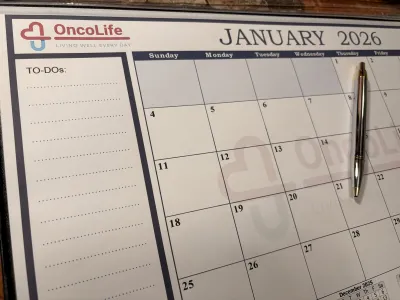
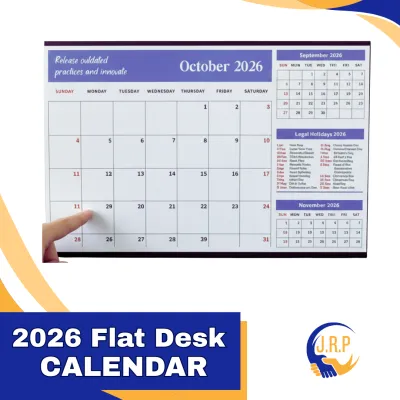
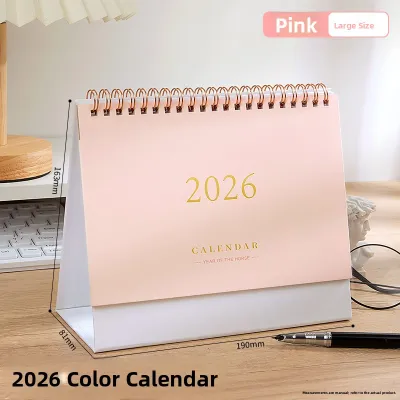
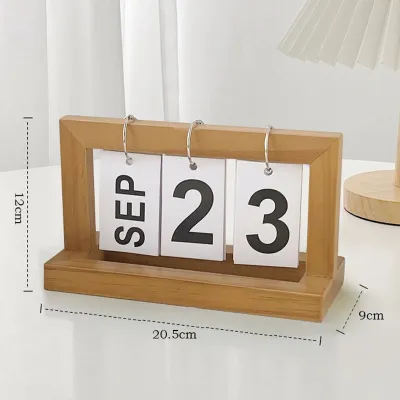
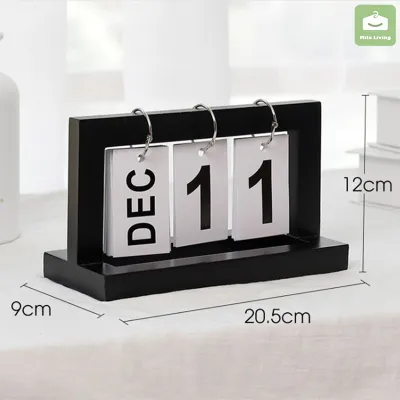

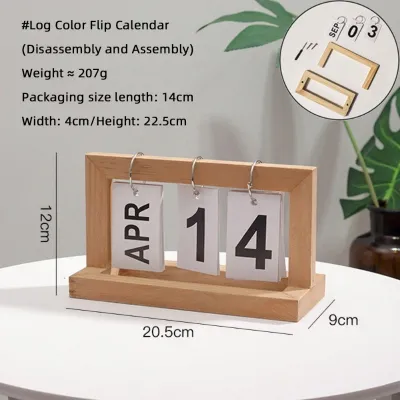
Prices are valid at publication and may change. Please refer to the product page for the latest price.
Tear-Off Calendars
Tear-off table calendars rely on a temporary binding method, typically using a padded glue compound or a perforated top edge. The pages are stacked sequentially, and at the end of each day or week, you physically detach the top sheet. The glue used in padded calendars must balance two opposing needs: it must hold the block of pages securely together during shipping and daily use, yet release a single sheet cleanly without tearing the paper itself. Perforated versions use a line of tiny, punched holes near the binding edge, allowing you to tear the page away while leaving a small paper stub behind in the binding.
Flip Calendars
Flip calendars feature a freestanding, tent-style or easel design. The pages are printed on both sides or arranged sequentially, suspended from a rigid top hinge or threaded through rings. Unlike tear-off formats, flip calendars do not require you to discard pages; instead, you rotate the page over the top or side of the frame to reveal the next date. The base is typically constructed from thick, wrapped chipboard that folds outward to create a stable triangular footprint on your desk. The binding can range from simple cardboard folds to metal rings that allow the pages to swing freely.
Spiral-Bound Calendars
Spiral-bound calendars utilize a continuous metal wire or plastic coil threaded through a series of closely spaced punches along the top or side edge. This binding method, often referred to as twin-loop wire-o binding, allows the pages to rotate a full 360 degrees around the coil. This means the calendar can lay completely flat on your desk like a notebook, or it can be folded into a freestanding triangular shape if the cover is designed with a built-in easel back. The spiral binding provides the most secure page retention of the three formats, ensuring that pages never accidentally detach or tear at the seams.
Desk Space and Footprint Considerations
Your desk is valuable real estate, and adding a calendar should not compromise your comfort or productivity. The physical footprint of each format determines where it can sit and how much room remains for your keyboard, mouse, and other office essentials.

Freestanding flip and spiral-bound calendars utilize a triangular tent base to stand upright. While this vertical display makes the dates easy to read at a glance, the base itself requires a deeper physical footprint on your desk, often occupying a strip of space between 8 and 12 centimeters deep. If you have a shallow desk or a dual-monitor setup, a tall flip calendar might block the bottom of your screens or interfere with the angle of your desk lamp. You must also consider stability; lightweight cardboard bases can easily slide or tip over when brushed by a hand or caught in the draft of a desk fan.
In contrast, flat-laying spiral-bound calendars and compact tear-off blocks have a horizontal footprint. A flat spiral calendar takes up more surface area when fully open, but its low profile means it never blocks your line of sight or interferes with monitor placement. Tear-off blocks are often highly compact, taking up minimal surface area and sitting flat on the desk surface. However, because they lack a raised display, you must look directly down at them to read the dates, making them less suitable as quick-reference visual anchors from a distance.
Usability and Daily Interaction
The physical act of updating your calendar is a daily or monthly ritual. The ease of this interaction determines whether you will continue using the calendar consistently throughout the year or let it fall out of date.
Tearing a page off a calendar offers a satisfying tactile sense of completion, but it is an irreversible action. Once a page is removed, you lose the ability to quickly flip back and check past notes unless you archive the loose sheets. Flip calendars make it easy to look back at previous months or plan ahead for future ones, as the pages remain securely attached to the base. However, writing on a freestanding flip calendar can be awkward; pressing a pen against a vertical, suspended page often causes the easel base to slide backward or collapse entirely, forcing you to support the back of the calendar with your non-writing hand.
Spiral-bound calendars offer the most versatile writing experience. Because the pages can fold completely flat against your desk, you can write detailed notes, highlight deadlines, and sketch out weekly plans with the same stability as writing in a standard journal. When choosing a spiral-bound or flip calendar for active planning, it is crucial to verify the paper weight, measured in grams per square meter (GSM). Standard printer paper is typically around 70 to 80 GSM, which is highly susceptible to ink bleed-through and feathering, especially when using gel pens, fountain pens, or highlighters in humid tropical conditions. For a clean writing experience, look for calendars featuring thicker paper of 120 GSM to 150 GSM, and perform a quick ink test on an inconspicuous back page to ensure your favorite pens do not bleed through to the next month.
Feature Comparison Matrix
| Format | Space Requirement | Writing Ease | Ideal User Profile |
|---|---|---|---|
| Tear-Off | Minimal flat surface area; low vertical profile | Moderate; requires a flat surface to write before tearing | Minimalists who enjoy a daily reset ritual and do not need to archive past notes |
| Flip | Moderate depth for easel base; high vertical profile | Low; vertical pages require hand support when writing | Visual planners who need a constant, hands-free reference visible from a distance |
| Spiral-Bound | Flexible; can lay flat or stand upright | High; lays completely flat like a notebook for stable writing | Active organizers who write detailed daily schedules and reference past months |
How to Choose the Right Table Calendar for Your Routine
To find the format that best supports your daily workflow, evaluate your planning habits, desk dimensions, and writing preferences using this conditional framework.
Choose a Tear-Off Calendar If:
- You find psychological satisfaction in a daily physical reset and prefer focusing on one day at a time.
- Your desk space is highly limited, and you cannot spare the depth required for a freestanding easel base.
- You do not need to keep a permanent, bound record of past daily schedules or notes on the calendar itself.
- You enjoy repurposing old pages for quick scrap notes, origami, or daily journaling entries.
Choose a Flip Calendar If:
- You need a highly visible, hands-free reference tool that you can read from across the room or while on phone calls.
- You primarily use your calendar to check dates and holidays rather than writing down detailed, hour-by-hour schedules.
- You want to keep the entire year intact in a single, freestanding block without the risk of losing individual pages.
- You prefer a decorative desk accessory that showcases artwork, photography, or motivational quotes alongside the dates.
Choose a Spiral-Bound Calendar If:
- You use your table calendar as an active planner, writing down daily appointments, deadlines, and reminders.
- You require a completely flat, stable writing surface that supports various pen types without sliding or tipping over.
- You frequently need to flip back and forth between past and future months to track long-term projects.
- You want the flexibility to fold the calendar flat to slip into a laptop bag, or stand it upright when you return to your desk.
Before making your final purchase, measure your available desk depth to ensure a freestanding base will not crowd your keyboard. If you plan to write extensively, check the product specifications for paper weight and opt for a higher GSM to prevent ink bleeding. By matching these physical characteristics to your daily habits, you will secure a table calendar that serves as a reliable, functional partner throughout the year.
Frequently Asked Questions (FAQ)
Can I use tear-off calendar pages for notes or recycling?
Yes, tear-off calendar pages can often be repurposed, but this depends entirely on the paper finish and coating. Matte, uncoated paper is ideal for writing quick phone messages, shopping lists, or daily reminders on the blank reverse side. If the pages have a glossy, high-shine finish, standard ballpoint and gel pens may smear easily, making them less practical for quick notes. When it comes to disposal, uncoated paper pages can be placed directly into standard paper recycling bins. However, if the calendar uses heavily laminated pages, metallic foil accents, or plastic-coated sheets, you should check your local municipal recycling guidelines, as these mixed materials often require specialized processing.
Do spiral-bound table calendars stay open on their own?
Spiral-bound table calendars will stay open on their own, provided they are designed with a built-in easel back or a rigid, foldable cover. The twin-loop wire binding allows the pages to turn smoothly and lie flat, but the calendar relies on the structural integrity of its outer cover to stand upright. When shopping, check the product description to ensure the cover is made from thick, heavy-duty chipboard (often wrapped in kraft paper or textured book cloth) that can support the weight of the pages without buckling. If a spiral calendar lacks this triangular easel base, it is designed to lay completely flat on your desk surface like a standard notebook rather than standing upright.
Community discussion
Share your experience or ask a question. Comments are reviewed before publication.