
Selecting the perfect thank you cards for birthday celebrations requires balancing personal connection with physical distance. When expressing gratitude, the relationship you share with your recipients dictates the ideal card style, tone, and format. Party guests, who shared the physical space and immediate joy of your celebration, respond best to casual, vibrant, or themed designs that capture the event’s energy. Conversely, remote gift-givers, who sent their well-wishes from afar, deserve a more reflective, elegant, and descriptive approach to bridge the geographical gap. While a single, high-quality card design can serve both audiences if you customize the handwritten messages, understanding these distinct dynamics ensures every recipient feels genuinely appreciated. By matching your stationery choices to the recipient’s experience, you transform a simple polite gesture into a lasting, meaningful connection.
Thanking Party Guests: Capturing Shared Memories and Casual Tones
When thanking those who attended your birthday party, your primary goal is to extend the warmth and excitement of the celebration. The tone for these cards should be conversational, lively, and deeply connected to the shared experience. Because these recipients were physically present, you do not need to spend excessive space describing the event itself; instead, focus on the joy of their company and the specific energy they brought to the gathering.
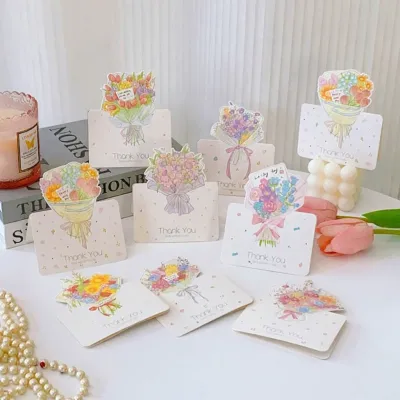
For local attendees, smaller formats like enclosure cards, flat postcards, or mini-notes are highly effective. These formats are inherently casual and match the playful nature of a birthday celebration. You can easily select designs that mirror the party’s theme, whether it featured tropical floral patterns, minimalist modern aesthetics, or vibrant retro colors. Because these cards are often handed out in person or sent shortly after the event, they do not require the formal structure of a traditional folded card.
Products mentioned in this guide

Prices are valid at publication and may change. Please refer to the product page for the latest price.
In tropical climates like the Philippines, high humidity can affect how paper behaves. Opting for a sturdy cardstock of around 250 to 300 gsm (grams per square meter) prevents the cards from absorbing moisture and curling at the edges. When writing your notes, verify the drying speed of your ink on the cardstock. Coated or glossy papers can cause gel pens to smudge easily in humid weather, so performing a quick smear test on a scrap piece of paper is a wise precaution. If smudging is an issue, switching to a reliable ballpoint pen or a quick-drying pigment liner ensures your handwriting remains crisp and legible.
Personalization is the key to making these cards memorable. Instead of a generic message, reference a specific moment from the party. You might mention how much you enjoyed catching up over the food, a funny moment during the games, or how their presence made the day complete. This level of detail shows that you valued their time and companionship just as much as any physical gift they may have brought.
Thanking Remote Givers: Heartfelt Messages and Descriptive Details
Remote gift-givers require a different stationery strategy because they did not experience the party’s atmosphere firsthand. For these recipients, the thank you card serves as their primary window into your celebration and your appreciation. The tone should be warm, reflective, and descriptive, focusing on their thoughtfulness and the impact of their gesture from afar.

Standard folded cards, such as the classic A2 size (4.375 by 5.75 inches), are the ideal format for remote givers. This style provides ample writing space on the interior while maintaining a classic, elegant presentation on the outside. Because these givers missed the specific party theme, opt for universally appealing designs rather than highly niche party graphics. Classic typography, elegant botanical illustrations, or subtle gold foil accents convey a sense of gratitude that feels both sophisticated and personal.
When writing to a remote giver, describe how you plan to use their gift in your daily life. If they sent a lightweight linen shirt, mention how perfect it will be for warm weekend outings. If they sent a kitchen appliance or a book, share how it has already upgraded your morning routine or evening relaxation. This descriptive feedback reassures the giver that their choice was successful and that their effort was deeply appreciated despite the physical distance.
Logistically, mailing cards in humid regions introduces unique challenges. Traditional lick-and-seal envelopes often absorb ambient moisture and seal themselves prematurely in storage. To avoid this frustration, look for envelopes with peel-and-press adhesive strips, which remain secure and unaffected by humidity until you are ready to seal them. Additionally, because these cards will travel through the postal system, writing with water-resistant ink is a vital safeguard. A pigment-based fineliner or a standard ballpoint pen will resist smearing if the envelope encounters rain or high humidity during transit.
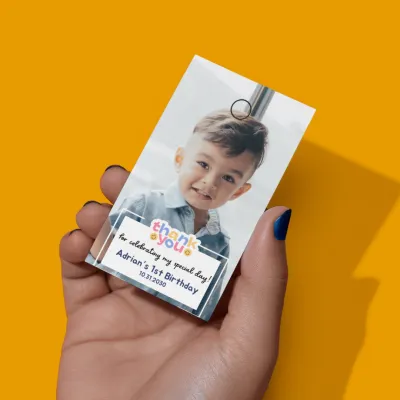
To add an extra touch of personalization for those who could not attend, consider enclosing a printed photo of yourself with their gift. This visual connection bridges the distance beautifully and allows the giver to feel like an active part of your birthday milestone.
Cross-Scenario Compatibility: Can One Card Design Work for Both?
Managing two entirely different sets of stationery can sometimes be impractical or costly. Fortunately, it is entirely possible to use a single thank you card design for both party guests and remote givers, provided you select the right style and focus your customization on the handwritten message inside.
To make a unified approach work, select a neutral, highly versatile outer design. Classic, minimalist cards featuring simple “Thank You” typography or elegant geometric patterns work beautifully in any context. Avoid designs that are overly specific to a party theme, such as illustrations of birthday cakes or balloons, as these can feel slightly out of place when sent to a remote giver weeks after the event. A clean, sophisticated cover design acts as a blank canvas, allowing the interior message to do the heavy lifting.
When using a single design, the magic lies in how you tailor the interior message to fit each recipient:
- For the party guest: Keep the message short, punchy, and focused on the fun shared memories and their physical presence at the venue.
- For the remote giver: Expand the message to fill the page, focusing on their thoughtfulness, the details of the gift, and how much you missed their presence.
The primary trade-off of this approach is the loss of highly specific, playful party aesthetics. If you hosted a highly themed birthday bash, using a universal card might feel slightly less cohesive than using themed stationery. However, purchasing a single bulk set of premium blank cards can be highly economical, often bringing the cost down to ₱15 to ₱30 per card. This approach allows you to invest in higher-quality paper stock and better envelopes, which ultimately leaves a stronger impression on all your recipients.
Timing and Logistics: Hand-Delivering vs. Mailing Your Cards
The method of delivering your thank you cards is just as important as the design you choose. Proper timing and secure packaging ensure your messages of gratitude arrive in perfect condition and at the right moment.
For local party guests, hand-delivering cards is a wonderful, personal touch. This can be done during casual meetups, family gatherings, or office hours within one to two weeks of the celebration. Hand-delivery allows you to use delicate packaging, such as unsealed envelopes or cards adorned with small ribbons, without worrying about transit damage. If you are handing them out in person, ensure the cards are stored in a dry, flat folder in your bag to protect them from bending or absorbing moisture from the air.
When mailing cards to remote givers, timing is slightly more flexible but still bound by etiquette. You should aim to mail these cards within three to four weeks of receiving the gift. This window allows you to write thoughtful, unhurried messages while still acknowledging the gift in a timely manner. Before mailing, verify that your envelopes meet standard postal dimensions to avoid unexpected shipping delays or extra fees.
To protect mailed cards from tropical downpours or rough transit, consider placing the envelope inside a clear, protective plastic sleeve before placing it in the mailbox, or ensure the outer envelope is made of a durable, high-density paper. Writing the recipient’s address clearly with a dark, water-resistant pen is essential for ensuring smooth delivery through local postal services and couriers.
Frequently Asked Questions (FAQ)
Are digital thank you cards acceptable for birthday gifts?
Digital thank you cards are a convenient option for highly casual gatherings or when thanking close friends quickly. However, they generally carry less formality and perceived effort than physical stationery. A physical card remains the preferred choice for significant milestones, older relatives, or high-value gifts, as it shows a higher level of personal investment. If you do choose digital, opt for a personalized video message or a well-designed email card rather than a generic text message.
Should you mention the specific gift in the card message?
Yes, naming the specific gift is essential for creating an authentic connection. It demonstrates that you recognize and appreciate the giver’s specific effort, preventing the message from feeling like a mass-produced template. If the gift was cash or a gift card, it is polite to mention how you plan to use it (such as putting it toward a specific purchase or saving for a future goal) rather than focusing solely on the monetary value.
Community discussion
Share your experience or ask a question. Comments are reviewed before publication.