
Selecting the perfect thank you souvenir tag is the final, thoughtful detail that ties your entire event theme together. A well-designed tag does more than just display a name; it acts as a lasting keepsake of your wedding, baptism, debut, or milestone birthday. To choose the right tag, you must balance the aesthetic theme of your gathering with practical considerations like material durability, size compatibility with your giveaways, and how the tag handles local environmental factors like high humidity.
By matching your tag’s paper weight, surface finish, and attachment style to your specific favor, you ensure your gratitude is both beautifully presented and preserved. Whether you are tying tags onto delicate glass jars, native woven bags, or custom pastry boxes, understanding your material and stationery options will help you make an informed decision that delights your guests.
Quick Guide: Matching Tags to Your Celebration
To help you navigate the initial planning stages, this quick-reference guide aligns common celebrations with the most suitable tag materials, typical sizes, and stylistic themes. Whether you are hosting an intimate garden wedding or a grand debut, choosing the right baseline specifications keeps your preparation on track.
Products mentioned in this guide
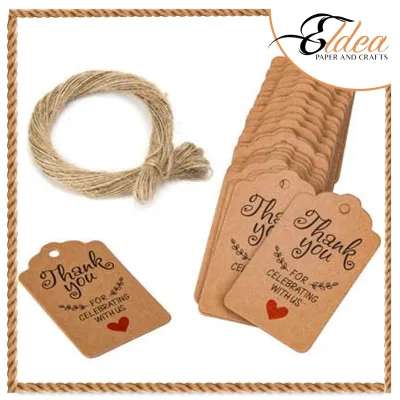
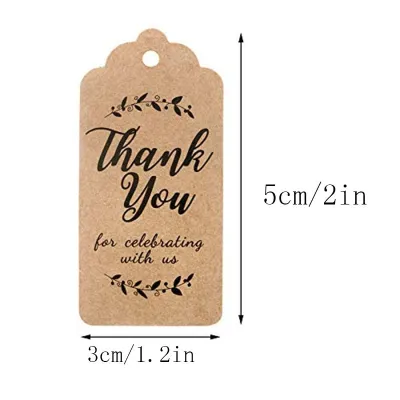
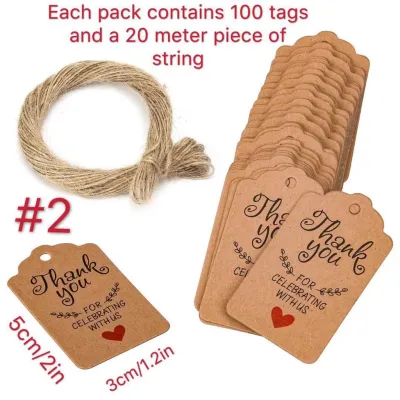
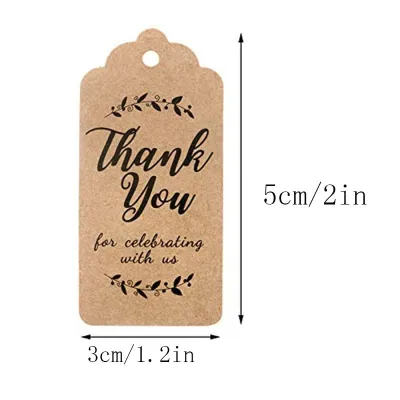
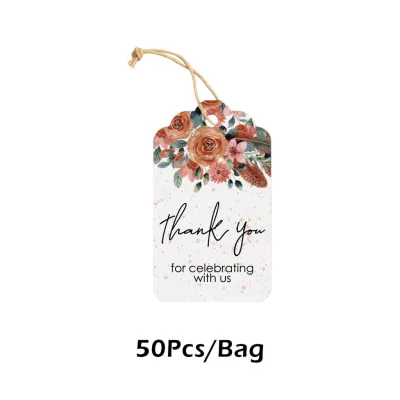
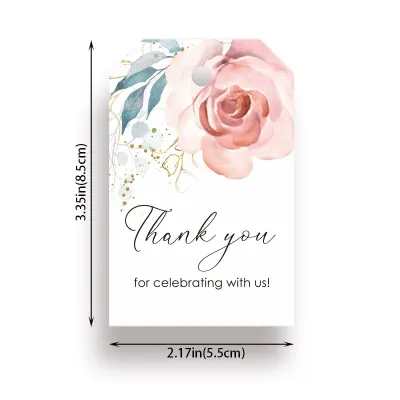
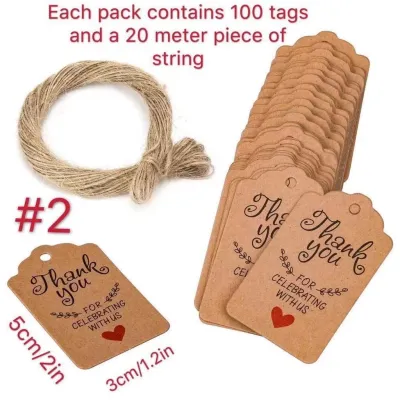
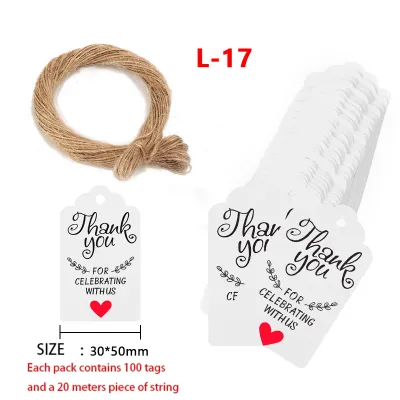
Prices are valid at publication and may change. Please refer to the product page for the latest price.
| Event Type | Recommended Material | Typical Size | Common Design Theme |
|---|---|---|---|
| Weddings | Textured cardstock (300+ GSM), Acrylic, Cotton paper | 2 x 3.5 inches or Die-cut arches | Elegant typography, floral motifs, gold foil accents |
| Baptisms & Christenings | Matte cardstock (250–300 GSM), Vellum overlays | 2 x 2 inches (Square) or Circles | Pastel palettes, minimalist icons, delicate ribbons |
| Debuts & Milestones | Glossy or Metallic cardstock, Acrylic | 2 x 4 inches or Custom geometric | Bold modern fonts, high-contrast colors, glitter details |
| Birthdays & Fiestas | Coated cardstock, Synthetic water-resistant paper | 2.5 x 2.5 inches or Fun silhouettes | Vibrant colors, playful illustrations, cartoon themes |
| Corporate & Casual Parties | Unbleached Kraft paper, Recycled cardstock | 2 x 3 inches (Classic rectangle) | Rustic design, clean branding, natural jute twine |
Choosing the right combination requires looking beyond the visual appeal. The physical scale of your guest list and the size of your souvenir are critical. A tiny, delicate glass bottle of honey will be overwhelmed by a large, heavy tag, while a premium woven native bag requires a substantial tag to look balanced and intentional.
Selecting the Best Material for Your Event Theme
The material of your thank you souvenir tag dictates both its tactile premium feel and its longevity. When guests pick up their souvenirs, the weight and texture of the tag immediately communicate the care put into the event. Selecting a material is not just about matching colors; it is about understanding how different mediums behave under different environmental conditions.

For instance, unbleached kraft paper and clear acrylic are highly versatile options that can adapt to almost any scenario with minor design adjustments. A rustic kraft tag tied with jute twine fits a bohemian garden wedding perfectly, yet the same kraft paper printed with simple black sans-serif text fits a modern, minimalist corporate gathering. Similarly, clear acrylic can feel ultra-modern and sleek when paired with white UV printing, or whimsical and romantic when decorated with hand-painted brushstrokes on the back.
Weddings, Baptisms, and Formal Milestones
For highly formal or deeply sentimental events, premium materials elevate the guest experience and transform a simple label into a cherished memento. These milestones deserve materials that resist wear and tear over time.
- Thick, Textured Cardstock: Look for paper weights between 300 GSM (grams per square meter) and 400 GSM. Textured papers, such as felt-finished or linen-textured cardstock, add a rich tactile element that feels substantial and resists bending during transit.
- Cotton Paper: Made from 100% cotton fibers, this paper has an ultra-soft, pillowy texture. It is highly receptive to letterpress printing and foil stamping, creating deep, elegant impressions.
- Acrylic and Wood Veneers: For a modern or rustic-luxe aesthetic, thin acrylic sheets (1mm to 2mm thick) or real wood veneers offer unmatched rigidity. These materials are exceptionally durable and serve as excellent keepsakes that guests are unlikely to discard.
When sourcing these premium materials, always verify the exact paper weight with your supplier. Anything below 250 GSM may feel flimsy when held on its own, potentially cheapening the presentation of an otherwise high-end souvenir.
Birthdays, Debuts, and Casual Fiestas
High-energy, large-scale, or outdoor celebrations require materials that prioritize durability, vibrant color reproduction, and cost-effectiveness. These events often demand materials that can withstand active handling.
- Coated Cardstock: Matte-coated or semi-gloss cardstock (typically 250 to 300 GSM) is ideal for colorful, graphic-heavy designs. The coating prevents ink from soaking too deeply into the paper fibers, ensuring that illustrations, cartoon characters, and bright color palettes remain vivid and sharp.
- Synthetic Paper: Made from plastic resins, synthetic paper is completely waterproof and tear-resistant. This is highly recommended for outdoor garden weddings, beach debuts, or pool parties in the Philippines, where high tropical humidity or sudden rain showers can quickly wilt standard paper tags.
- Standard Kraft Paper: Highly economical for large guest lists, standard kraft paper offers a charming, earthy look. It pairs beautifully with simple black ink or white toner and is sturdy enough to withstand handling by children at birthday parties.
If your event is outdoors or in a non-air-conditioned pavilion, humidity resistance must be your top priority. Standard uncoated papers absorb moisture from the air, causing them to limp, curl, or warp before the celebration even begins.
Sizing, Shapes, and Attachment Compatibility
The physical dimensions, geometric shape, and attachment method of your thank you souvenir tag must harmonize with the souvenir itself to create a cohesive package.
Dimensions and Scale
As a general rule, the tag should never dominate the favor. Small favors like hand-poured soaps, 50ml perfume bottles, or small jars of jam require compact tags measuring around 1.5 x 2.5 inches or 2 x 2 inches. This keeps the focus on the product while still providing enough room for a readable “Thank You” and the event date. Medium to large favors, such as native abaca bags, custom mugs, boxed wine, or pastry boxes, accommodate standard sizes like 2 x 3.5 inches (the size of a business card) or 3 x 5 inches. These dimensions allow for larger typography and additional personalized messages.
Shapes and Cutting Styles
While classic rectangles are cost-effective and easy to cut in bulk, alternative shapes can reinforce your design theme. Classic rectangles and squares are easy to print and cut using standard paper cutters, making them the most budget-friendly choice. Die-cut circles and hexagons soften the look of geometric packaging and work wonderfully for monogram designs. Arches and custom silhouettes are extremely popular for modern bohemian or minimalist themes. However, keep in mind that intricate custom shapes require specialized digital die-cutting machines or custom metal dies, which can significantly increase production lead times and costs.
Attachment and Structural Binding
How you attach the tag determines its structural survival. Ensure the punched hole matches the thickness of your tying material. A standard 1/8-inch (approx. 3mm) hole is perfect for thin baker’s twine or rustic jute twine, while a 1/4-inch (approx. 6mm) hole is necessary for satin or organza ribbons. If you are using delicate paper, thin vellum, or attaching tags to heavy, moving items, consider crimping a metal eyelet (grommet) into the hole. Metal eyelets prevent the ribbon from tearing through the paper under tension, ensuring your tags stay securely attached throughout your event assembly and transport.
Design Layouts and Handwritten Calligraphy Details
A beautiful tag is worthless if your guests cannot read the text. Balancing visual design with legibility is crucial, especially when incorporating personalized handwritten elements.
Layout and Typography
High contrast is the foundation of readability. Dark ink on light paper (or white ink on dark cardstock) ensures the text stands out even in low-light reception venues. Always leave adequate negative space—at least 30% of the tag surface should remain blank. If you plan to handwrite guest names on each tag, designate a clear, unpatterned zone specifically for this purpose so the handwriting does not clash with background illustrations.
Calligraphy and Handwriting Ink Compatibility
Adding handwritten calligraphy or brush lettering provides an incredibly personal touch, but stationery materials react differently depending on their surface properties. Uncoated papers have a natural texture (“tooth”) that absorbs ink beautifully, but highly textured paper can snag fine calligraphy nibs. Conversely, glossy or coated papers are smooth, but their non-porous surface prevents ink from soaking in.
On glossy or metallic papers, water-based calligraphy inks or standard gel pens will pool, bead up, and smudge easily. On highly porous papers, ink may “feather,” spreading outward along the paper fibers and making the writing look blurry.
The Mandatory Verification Test
To avoid ruining a large batch of expensive tags, always perform a practical ink test before production:
- Obtain a Sample: Take a single sample of your chosen tag material.
- Write a Test Phrase: Using the exact pen, calligraphy nib, and ink planned for the event, write a test phrase.
- Observe Stroke Smoothness: Check if the nib catches on the paper fibers or if the ink flows smoothly.
- Monitor Drying Time: Note if the ink dries completely within 30 seconds, or if it remains wet and prone to smearing.
- Examine the Reverse Side: Check for bleed-through. If the ink bleeds through, you will need to switch to a heavier paper weight, a drier ink, or a different pen type (such as a highly pigmented, fast-drying gel pen or a permanent felt-tip marker).
Assembly and Practical Usage Tips
Once your design is finalized, transition to the production and assembly phase with efficiency and preservation in mind.
Physical Proofing
Never skip ordering a single physical proof from your printer before committing to a bulk run of hundreds of tags. Digital screens display colors in RGB, which often look much brighter than the physical CMYK printed output. A physical proof allows you to verify color accuracy, check that the cut lines align perfectly with the design margins, and ensure the punched hole does not clip important text.
Handling the Tropical Climate
The humid climate in the Philippines poses a unique challenge for paper stationery. High humidity can soften paper fibers, causing tags to warp, curl, or stick together. Once printed, store your tags completely flat. Keep them inside sealed plastic sleeves or airtight containers. Keep the storage container in a cool, dry, air-conditioned room until the day of the event. Avoid storing them in damp areas like laundry rooms or hot storage garages.
Assembly Efficiency
Tying hundreds of tags can be incredibly time-consuming. To maintain consistency and speed up the process, create a simple cardboard jig. Cut a piece of cardboard to the exact length you want your ribbon or twine to be. Wrap your ribbon around this cardboard template multiple times, then cut along one edge to quickly yield dozens of perfectly uniform ribbon strips. This simple step ensures every single souvenir looks identical and saves hours of manual measuring.
Frequently Asked Questions (FAQ)
What is the standard size for a souvenir tag?
The most common standard sizes for souvenir tags are 2 x 3.5 inches (standard business card size) and 2 x 2 inches (square). You should scale down to 1.5 x 2 inches for small favors like votive candles or essential oil bottles, and scale up to 3 x 5 inches for large gift bags or pastry boxes.
Can I use regular cardstock for outdoor events?
Standard uncoated cardstock is not recommended for outdoor events because it absorbs moisture from high tropical humidity, causing the tags to warp, limp, or curl. For outdoor garden or beach celebrations, choose laminated cardstock, synthetic water-resistant paper, or rigid materials like acrylic and wood veneers.
How do I prevent ink from smudging on glossy tags?
To prevent smudging on glossy coatings, avoid water-based gel pens or traditional fountain pen inks. Instead, use quick-drying pigment ink pens, oil-based paint markers, or permanent fine-tip markers. Always let the tags dry completely for at least a few minutes, and handle them carefully by the edges during assembly.
Community discussion
Share your experience or ask a question. Comments are reviewed before publication.