
An effective thank you tag for business combines brand alignment, material durability, and a personal touch to elevate the customer’s unboxing experience. The optimal design and material depend heavily on your specific product type and shipping environment. For example, a food business requires grease-resistant coatings to handle temperature changes, while a premium fashion brand relies on rich textures to mirror garment quality. By choosing the right combination of aesthetics and materials, small business owners can transform a routine transaction into a memorable brand touchpoint that fosters customer loyalty.
Essential Design Elements for a Cohesive Brand Experience
Before selecting colors or fonts, you must establish the foundational structural choices that dictate how your thank you tag integrates with your packaging.
- Size and Shape Constraints: Standard rectangular tags (typically 2×3 inches or 2×3.5 inches) offer a clean, professional canvas that fits most boxes and bags. They are highly cost-effective to print and cut. Custom die-cut shapes, such as elegant arches, circles, or brand silhouettes, add instant visual interest but require specialized cutting dies or digital plotters, which increases production costs. Always scale the tag to your packaging; a tag that is too large will overpower a delicate jewelry box, while a tiny tag gets lost on a large shipping mailer.
- Attachment Methods: How you attach the tag dictates the customer's physical interaction with your package. String-tied tags using jute twine, baker's twine, or satin ribbon offer a classic, tactile feel that encourages customers to untie and open the package mindfully. Adhesive-backed tags act like premium stickers, securing tissue paper wraps or sealing box lids quickly. Integrated packaging tags, where the tag is part of a custom belly band or box sleeve, streamline the packing process for high-volume operations.
- Typography and Brand Alignment: Your tag must look like a natural extension of your main brand identity. Ensure your brand colors are consistent, using exact color codes across all printed materials. Limit the tag to one or two readable fonts; while the main "thank you" can be a stylized script, secondary details like social handles or website URLs must remain in a clean, legible sans-serif font.
- Space for Personalization: Decide on the balance between pre-printed text and blank space. A fully printed tag is highly efficient for rapid shipping, but leaving a blank reverse side or a dedicated empty box on the front allows you to write the customer's name or a quick note. This small, personalized gesture significantly boosts customer satisfaction and brand affinity.
Tailored Thank You Tag Designs by Business Type
Different industries have distinct packaging requirements, customer expectations, and environmental exposures. Tailoring your tag design to your specific business type ensures it looks professional and performs reliably.
Products mentioned in this guide
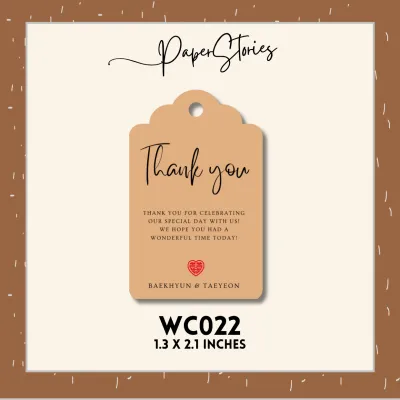
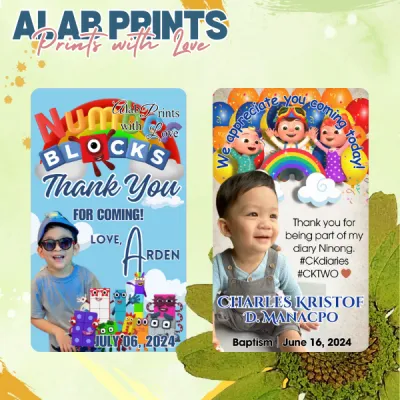
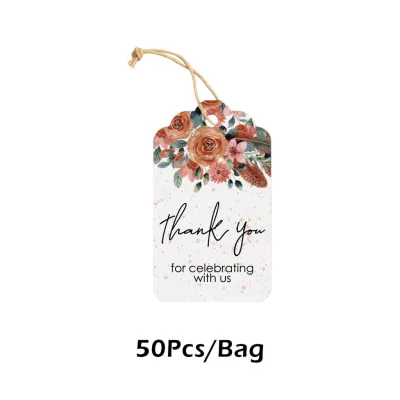
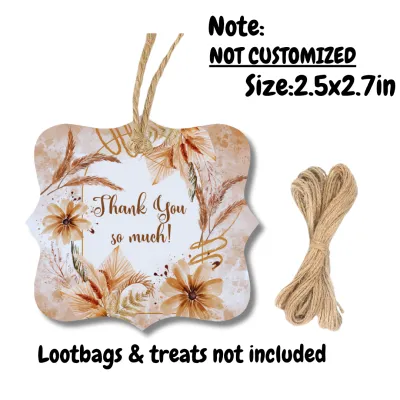
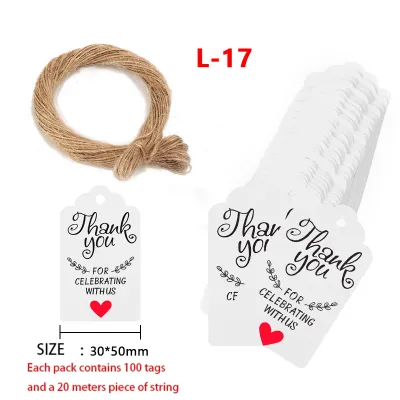

Prices are valid at publication and may change. Please refer to the product page for the latest price.

Food and Beverage Businesses
- Design Style: The visual design should complement the culinary style of your brand. For artisanal bakeshops, home-brewed coffee, or homemade jams, a rustic kraft paper design with minimalist black ink conveys an organic, small-batch feel. For modern dessert bars, colorful pastries, or fresh bottled beverages, clean layouts with bright, cheerful pastel colors or bold, modern typography work best.
- Material Needs: Food packaging faces unique environmental challenges. Condensation from chilled beverages, grease from baked goods, and steam from warm dishes can quickly turn standard paper soggy. Opt for grease-resistant paper or cardstock with a matte or glossy lamination. This protective plastic layer ensures the tag remains clean, dry, and legible even when exposed to moisture or oils.
- Attachment Safety: Safety and hygiene are paramount when dealing with food. Use short, secure strings or food-safe adhesives to attach your tags. Avoid long, loose twines that could slip into the food or get caught in container lids. If attaching tags directly to jars or boxes, ensure the adhesive is non-toxic and does not transfer any chemical odors to the product.
- Message Focus: Use this valuable real estate to combine brand appreciation with practical utility. Along with a warm "thank you," include essential details such as freshness dates, storage instructions (e.g., "Keep refrigerated"), allergen warnings, or quick reheating tips. This shows customers that you care about their safety and their enjoyment of your food.
Fashion and Apparel Brands
- Design Style: Your tag should feel like an extension of the garment itself. High-end, minimalist, or sustainable boutiques often favor elegant designs with generous white space, subtle blind debossing, or delicate gold foil accents. Streetwear and casual apparel brands might opt for high-contrast typography, gritty textures, or retro-inspired graphic layouts that match their brand's attitude.
- Material Needs: The tactile feel of your tag communicates the quality of the clothing before the customer even tries it on. Avoid thin, flimsy papers that cheapen the unboxing experience. Instead, choose thick cardstock (350 gsm or higher), textured cotton paper, or even woven fabric tags. These materials feel substantial and premium in the hand, reinforcing the value of the purchase.
- Attachment Methods: Elevate the presentation by moving away from standard plastic swift tacks. Use waxed cotton strings, satin ribbons, or rustic jute twine secured with small safety pins, bulb pins, or custom metal eyelets. This attention to detail makes the tag feel like a keepsake rather than disposable packaging.
- Message Focus: Use the tag to foster a community around your brand. Include clear garment care instructions (e.g., "Hand wash only," "Dry flat") to ensure the longevity of the piece. Add your social media handles and a clear call-to-action (CTA) like "Tag us to get featured!" or "Share your OOTD with #BrandName" to drive user-generated content.
E-Commerce and Online Sellers
- Design Style: High-volume e-commerce packing requires speed and clarity. Choose clean, highly readable layouts with high-contrast text. Avoid overly complex graphics that might blur during fast batch printing. The primary message should be instantly recognizable, even at a quick glance.
- Material Needs: Your tags must survive the rough-and-tumble journey through regional sorting hubs and delivery trucks. Use durable, lightweight cardstock (around 250 to 300 gsm) that resists tearing and creasing. Keeping the tag lightweight is crucial to avoid adding unnecessary weight to your shipping packages, helping you keep shipping costs predictable.
- Attachment Efficiency: Time is money during peak sales seasons. Pre-punched tags with pre-threaded elastic loops allow packers to quickly slip the tag over a box corner or ribbon. Alternatively, adhesive-backed tags or custom sticker tags can be slapped onto a poly mailer or tissue paper wrap in a single, fluid motion, drastically reducing fulfillment times.
- Message Focus: Treat the tag as a marketing tool. Include a strategic call-to-action, such as a discount code for their next purchase (e.g., "Use code THANKYOU10 for 10% off your next order"), a polite request for a 5-star review on the online marketplace, or clear customer support contact information (e.g., "Have an issue with your order? Message us directly so we can make it right!").
Selecting Durable Materials for Humid and Tropical Conditions
In tropical climates, high humidity and sudden downpours during the wet season present severe challenges for paper packaging. Standard uncoated paper tags easily absorb moisture from the air, causing them to warp, limp, or smudge when handled.
To combat this, consider coated paper stocks or synthetic materials. A matte or glossy lamination (plastic film coating) applied to standard cardstock provides an excellent barrier against humidity, keeping the tag rigid and clean. For extreme conditions—such as frozen goods or items shipped in non-waterproof poly mailers—synthetic paper (like Yupo or polyester-based stocks) is completely waterproof and tear-resistant.
While kraft paper is highly popular for its rustic, eco-friendly look, it is naturally highly porous. This means it absorbs moisture and grease very quickly. If you choose kraft paper, verify with your printing supplier if they offer a moisture-resistant treatment or opt for a thicker weight (at least 300 gsm) to help maintain its shape in humid weather.
Never rely solely on material names or descriptions on a screen. Before ordering a large print run of 1,000 tags, always request a sample pack. Test these samples by leaving them in a high-humidity environment or sending a test package through your local courier service to observe how the material, ink, and attachment method hold up in real-world transit.
Elevating Your Tags with Handwritten Calligraphy and Personalization
Integrating handwritten elements or custom calligraphy onto your thank you tags adds a level of warmth and authenticity that printed text cannot replicate.
- When to Handwrite: Adding handwritten elements creates an instant emotional connection. However, it must be logistically feasible. For low-volume, high-ticket items (like custom jewelry, bespoke leather goods, or high-end art prints), handwriting the customer's name or a short note on every tag is highly viable and adds immense perceived value. For high-volume e-commerce brands, writing hundreds of tags daily is unsustainable. In this case, use a high-quality printed script font for the main "thank you" and reserve a small, quick space to write just the customer's name, or use printed tags for standard orders and handwritten ones for VIP customers.
- Tool Selection: Choosing the right writing instrument is critical to prevent messy smudges. Standard ballpoint pens can look cheap and may skip on textured paper. Gel pens offer rich color but have slow drying times, making them prone to smearing on coated or laminated tags. For the best results, use archival ink fine liners, quick-drying felt-tip pens, or specialized brush pens for calligraphy. These inks bond quickly with the paper fibers and resist water and smudging. Always test your pen on a scrap piece of your specific tag material to check the drying speed and bleed-through.
- Layout Planning: A beautiful handwritten note requires a thoughtfully designed canvas. When designing your tag template, allocate a dedicated, uncluttered blank space for your writing. If you struggle to write in a straight line, include subtle, faint guiding lines or a light watermark grid in your print design. This keeps your calligraphy neat and aligned without distracting from the overall aesthetic, ensuring your personalized touch looks professional and intentional.
Frequently Asked Questions (FAQ)
What is the standard size for a business thank you tag?
The most common standard sizes for business thank you tags are 2 x 3 inches (approx. 5 x 7.6 cm) or 2 x 3.5 inches (approx. 5 x 8.9 cm), which matches the classic business card dimension. These sizes offer ample room for a logo, a brief message, and social media handles without overwhelming the packaging. Always scale your tag proportionally: use smaller 1.5 x 1.5-inch square tags for delicate items like jewelry, and larger 3 x 4-inch tags for large gift boxes or apparel mailers.
Can I use regular printer paper for thank you tags?
Using regular printer paper (usually 70 to 80 gsm) is not recommended for professional business tags. Lightweight paper creases easily, absorbs moisture rapidly, and feels flimsy, which can cheapen the perceived value of your product. For a professional, high-quality feel, use cardstock with a weight of at least 250 gsm to 300 gsm. This thickness ensures the tag remains flat, durable, and structurally sound throughout the shipping process.
How do I attach thank you tags to poly mailers without holes?
If you are shipping items in poly mailers and cannot tie a tag, you can convert your thank you tag design into a custom adhesive-backed sticker. This allows you to seal the mailer flap or decorate the front of the bag securely. Alternatively, you can use a heavy-duty hole punch to create a hole near the top seam of the poly mailer—above the adhesive seal line—and loop your twine through it, ensuring you do not compromise the waterproof seal of the main compartment.
Community discussion
Share your experience or ask a question. Comments are reviewed before publication.