
In the Philippines, the cost of tila fabric—commonly known as tulle, netting, or mesh—generally ranges from ₱30 to ₱80 per yard for basic craft or utility grades. Mid-range apparel-grade or wider-width varieties typically cost between ₱100 to ₱250 per yard. For premium, highly embellished, embroidered, or beaded tila fabrics used in bridal and formal wear, prices can range from ₱300 to over ₱1,000 per yard. Finding a reliable tila per yard sale requires understanding how fiber content, mesh density, and sourcing locations influence these price points.
Setting Your Budget for Tila Fabric Purchases
When searching for a tila per yard sale to supply your next sewing project, setting a realistic budget requires looking beyond the lowest price tag. Because tila fabric is highly versatile, its cost fluctuates significantly based on the quality of the raw materials and where you purchase them. A budget designed for simple party decorations will look vastly different from one intended for formal bridal wear.
To establish an accurate budget, you must first categorize your project into a specific tier. Basic structural projects, such as petticoats, tutus, or volume-adding underskirts, can easily utilize budget-friendly, stiff utility tila. Delicate items like bridal veils, soft overlays, or baby garments require premium, skin-friendly nylon or silk-blend tila, which commands a higher price per yard. Decorative craft overlays for events or souvenirs sit comfortably in the mid-to-low price range.
Products mentioned in this guide

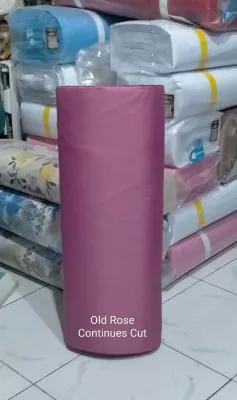
![Geena/Pongee/Gina Silk [Makapal pagka Geena Continuous yard per color Sold per yard]](https://img.lazcdn.com/g/ff/kf/Se25afe843e7f427cae3afe6b801bd3d6x.jpg_400x400q80.jpg_.webp)
Prices are valid at publication and may change. Please refer to the product page for the latest price.
Calculating the total yardage needed is the most critical step before finalizing your budget. Never buy only the exact dimensions of your pattern; you must account for pattern matching, potential fabric shrinkage during pre-washing, and cutting mistakes. A safe rule of thumb is to add a 10% to 15% buffer to your total calculated yardage to prevent running out of fabric mid-project, which could force you to buy more at a non-discounted rate.
Key Factors That Determine the Price Per Yard
Fiber Content and Blend
The raw material used to weave tila fabric is the primary driver of its price per yard. Most affordable tila fabrics are made from synthetic fibers like polyester, which is highly durable and holds its shape well but can feel scratchy against the skin. Nylon tila is softer, offers a more graceful drape, and is highly preferred for garments that touch the skin, though it is more expensive to manufacture. In the hot and humid Philippine climate, choosing breathable, non-irritating fibers is essential for wearer comfort, making nylon or high-quality synthetic blends worth the extra investment.

Mesh Density and Weave
The structural design of the netting directly impacts both the manufacturing cost and the fabric’s physical properties. Tila fabric features a mesh pattern, often composed of small hexagonal or diamond-shaped holes. Finer netting with a high mesh density requires more threads per square inch and higher manufacturing precision, which raises the cost per yard. Coarser mesh with larger, visible holes is cheaper to produce but lacks the delicate appearance and smooth drape required for high-end apparel.
Fabric Width
Fabric is sold by the linear yard, but the width of the roll determines how much usable material you actually receive. Standard tila rolls generally come in widths of 45 inches or 60 inches, with some specialty bridal variants extending up to 108 inches. While a 60-inch wide fabric will have a higher price per linear yard than a 45-inch alternative, it often provides better overall value. The wider width allows for more efficient pattern layouts, reducing cutting waste and potentially lowering the total number of yards you need to purchase.
Embellishments and Finishes
Plain, unfinished tila serves as an affordable blank canvas, but specialized finishes quickly escalate the price. Embellished tila—featuring embroidered floral patterns, heat-set sequins, flocking, or beaded details—requires intensive labor and specialized machinery. Stiffening agents applied during manufacturing can also alter the price, as chemically stiffened tila is engineered specifically to hold structural shapes in ballgowns and theatrical costumes.
Prioritizing Quality: Where to Spend and Where to Save
Must-Haves (Do Not Compromise)
When working within a tight budget, certain quality aspects must remain non-negotiable to ensure your project’s success. Structural integrity and snag resistance are vital; low-quality tila can easily tear along the seams or catch on jewelry during wear. Additionally, ensure the fabric possesses the correct level of stretch or stiffness required for your specific pattern. For garments worn in tropical climates, skin comfort is paramount, so avoid cheap, rough polyester mesh for any layer that directly contacts the skin.
Acceptable Compromises
To save money, look for areas where high-end specifications are unnecessary. If the tila is serving as an inner structural layer—such as a crinoline or petticoat hidden beneath opaque fabrics—you can safely opt for cheap, stiff polyester tila instead of premium nylon. For temporary event decorations, photobooth backdrops, or fast-fashion costumes worn only once, budget-grade synthetic fabrics provide the visual effect you need without the premium price tag.
Adjusting Quantity and Sizing
Strategic purchasing methods can significantly stretch your budget. If you are working on multiple small projects, buying a bulk roll or an entire bolt of fabric is far more cost-effective than buying individual yards. Conversely, if you only need small accents, search fabric shops for remnant bundles or end-of-roll cuts, which are often sold at steep discounts to clear out inventory.
How to Inspect and Verify Value Before Checkout
Visual and Tactile Checks
Evaluating tila fabric in person requires a systematic physical inspection. Hold the fabric up to the light to check for uniformity in the mesh pattern; uneven hole sizes or wavy lines indicate poor manufacturing tension. Run your hand over the surface to test for smoothness and scratchiness, and gently stretch a sample section to observe its recovery. High-quality tila should spring back to its original shape without leaving distorted, stretched-out holes.
To verify colorfastness and prevent dye bleeding, perform a quick trial check: moisten a small white cotton cloth and rub it firmly against a corner of the tila fabric. If any color transfers to the white cloth, the dye is unstable and may bleed during washing or when exposed to perspiration in hot weather.
Verifying Width and Yardage
Before finalizing your purchase, confirm that the seller’s measurements are accurate. Ensure the fabric is measured straight along the selvage (the finished edge) rather than at a diagonal angle, which shortchanges your usable yardage. Always verify the usable width inside the selvages, as some manufacturing processes leave wide, damaged, or unusable outer borders that reduce the actual cut width of the fabric.
Online Buying Precautions
When purchasing from e-commerce platforms where you cannot physically touch the material, take extra steps to verify quality. Request high-resolution, unedited close-up photos or videos of the fabric draped over a hand to judge its transparency and softness. Ordering a small swatch before committing to a large, expensive order is the safest way to test the material’s compatibility with your sewing machine and pattern.
Return and Exchange Policies
Because fabric is custom-cut from a larger roll to your specified length, most local and online retailers enforce a strict no-return, no-exchange policy on cut yardage. Always read the seller’s terms carefully before payment. If you receive fabric with manufacturing defects, such as runs, holes, or uneven dye lots, document the damage immediately with photos and contact the seller before attempting to wash or cut the material.
Sourcing Strategies: Local Markets vs. Online Platforms
Local Textile Hubs
Visiting established physical fabric districts in the Philippines offers unmatched advantages for budget-conscious buyers. Traditional textile hubs like Divisoria (particularly Ylaya Street and the Tutuban area), Kamuning Market in Quezon City, and the Taytay fabric outlets allow you to negotiate prices directly, especially when buying in bulk. Physical shopping lets you perform immediate tactile checks, compare shades under natural light, and take your purchases home instantly without paying for delivery.
E-commerce Platforms
Online marketplaces provide unparalleled convenience, allowing you to browse thousands of fabric listings from the comfort of your home. These platforms make it easy to compare prices across different sellers, read customer reviews, and locate niche colorways or specialized embellishments that might be unavailable locally. However, the primary drawback is the inability to feel the fabric’s texture or accurately gauge its drape before it arrives at your doorstep.
Hidden Costs to Watch
A low price per yard can be deceptive if you fail to calculate the total cost of acquisition. When buying online, factor in shipping fees, which can escalate quickly for bulky, heavy rolls of fabric. Additionally, remember that sheer tila fabrics almost always require matching backing fabrics, linings, sewing threads, and specialized sewing machine needles. For sewing tila, you will need to purchase fine ballpoint or Microtex needles (typically size 70/10 or 60/8) and smooth polyester thread to prevent snagging or skipped stitches, which adds to your overall project expenses.
Frequently Asked Questions (FAQ)
How do I calculate the exact yardage needed for my project?
To calculate the exact yardage, measure the length and width of each pattern piece at its widest points. Arrange these pieces virtually or on a flat surface matching the width of the tila fabric you plan to buy (usually 45 or 60 inches) to see how they fit. Sum the total linear inches required, divide by 36 to convert to yards, and add a 10% to 15% buffer for seam allowances, pattern matching, and potential cutting errors. For fabrics prone to shrinkage, cut a 10×10 cm trial swatch, wash it according to the care label, and measure it again to calculate the exact shrinkage rate before cutting your main project.
Does tila fabric fray, and do I need to finish the edges?
Tila fabric is typically a knit mesh, meaning it does not fray or unravel in the same way woven fabrics do. However, coarser or lower-density polyester tila can snag, run, or lose its structural shape along raw cut edges over time. To ensure durability, finish the edges using a rolled hem, bias binding, or a clean zigzag stitch on your sewing machine. For synthetic nylon or polyester tila, you can also carefully heat-seal the raw edges with a specialized hot knife or soldering tool, but always test this method on a scrap piece first to avoid melting or scorching the delicate fibers.
Community discussion
Share your experience or ask a question. Comments are reviewed before publication.